Optimization of Thyme, Cinnamon, and Black Seed Oil Combinations for Enhanced Antibacterial and Antioxidant Efficacy: Mixture Design and In Silico Insights
Mahmoud S. Maher, Dina A. Altwiley, Dalal M. Alkuraythi, Mahmoud M. A. Moustafa, Mary S. Khalil, Tarek A. A. Moussa, Nawal Magdy

TL;DR
This study finds the best mix of thyme, cinnamon, and black seed oils to boost antibacterial and antioxidant effects while being safe for cells.
Contribution
A novel ternary oil mixture optimized for antibacterial and antioxidant efficacy using statistical and in silico methods.
Findings
The optimal oil mixture (41.7% thyme, 41.7% cinnamon, 16.7% black seed) showed strong antibacterial activity against E. coli and S. aureus.
The optimized formulation exhibited synergistic interactions and high cell viability in cytotoxicity tests.
In silico docking confirmed favorable binding affinities and acceptable safety profiles of the oil constituents.
Abstract
Background: Oils from medicinal plants, including thyme (Thymus vulgaris), cinnamon (Cinnamomum verum), and black seed (Nigella sativa), are recognized for their antibacterial and antioxidant properties. While several studies have investigated individual oils and binary combinations, fewer reports have examined ternary mixtures using systematic optimization approaches. Accordingly, the present study aimed to optimize the antibacterial and antioxidant performance of combinations of these three plant-derived oils using a statistical mixture design strategy supported by in silico exploration. Methods: An Augmented Simplex Centroid Mixture Design was applied to evaluate the individual and combined effects of thyme, cinnamon, and black seed oils. Antibacterial activity was assessed by determining the minimum inhibitory concentrations (MICs) against Escherichia coli and Staphylococcus aureus,…
Genes, proteins, chemicals, diseases, species, mutations and cell lines named across the full text — each resolved to its canonical identifier and authoritative record.
Click any figure to enlarge with its caption.
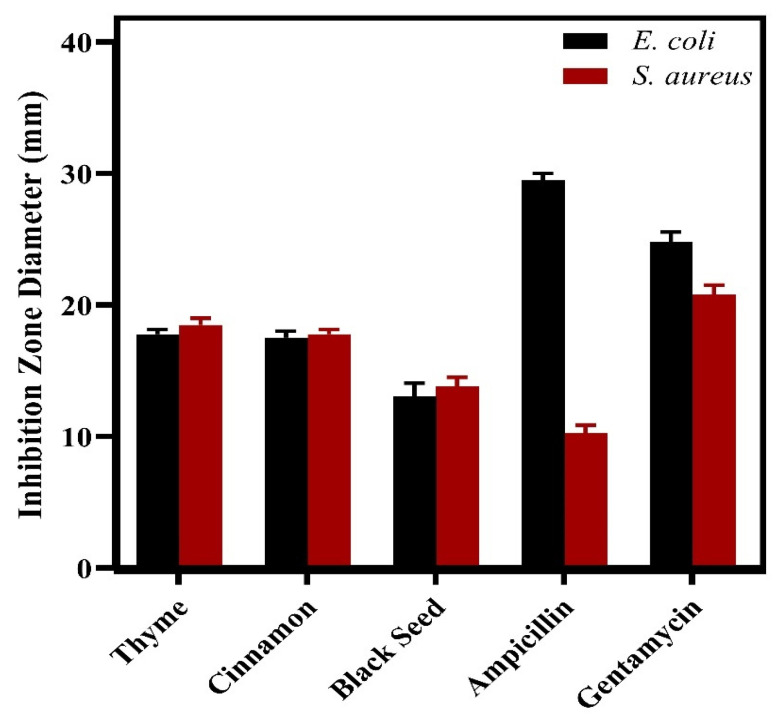 Figure 1
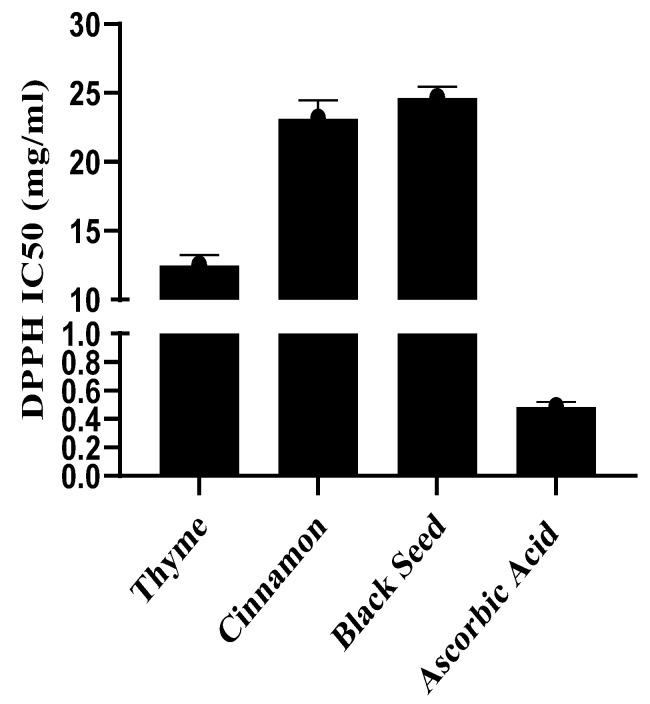 Figure 2
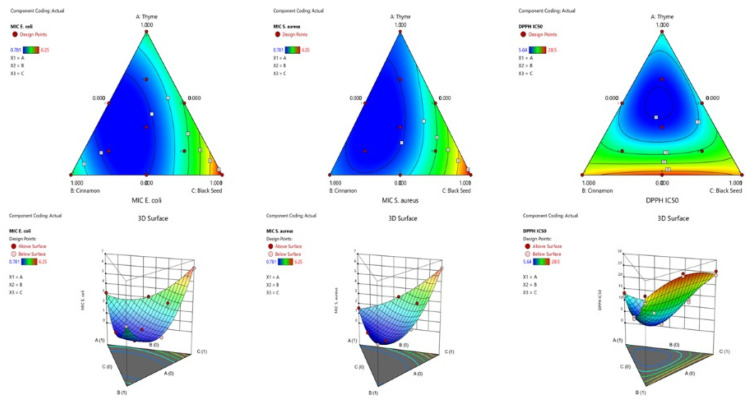 Figure 3
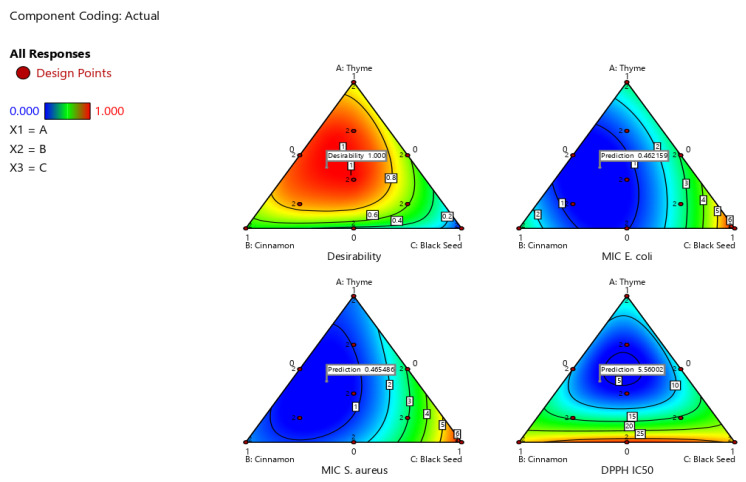 Figure 4
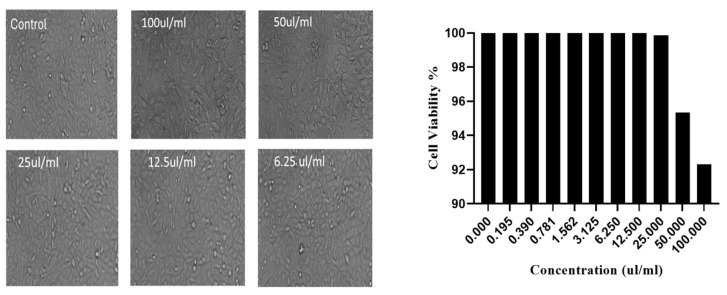 Figure 5
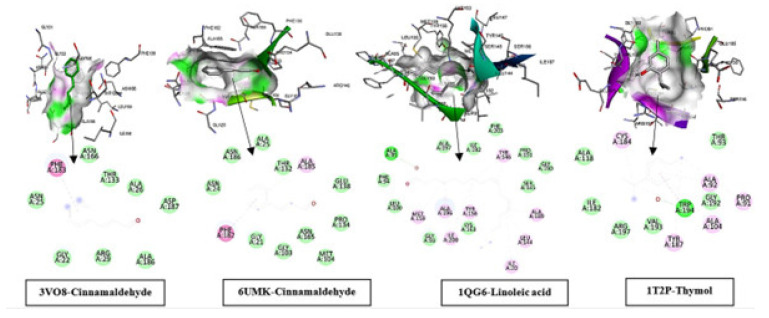 Figure 6
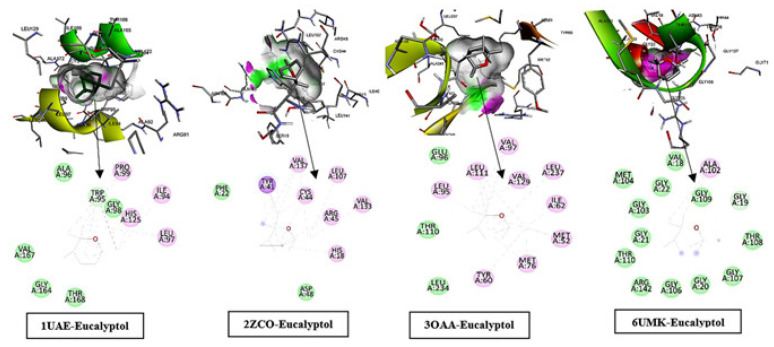 Figure 7
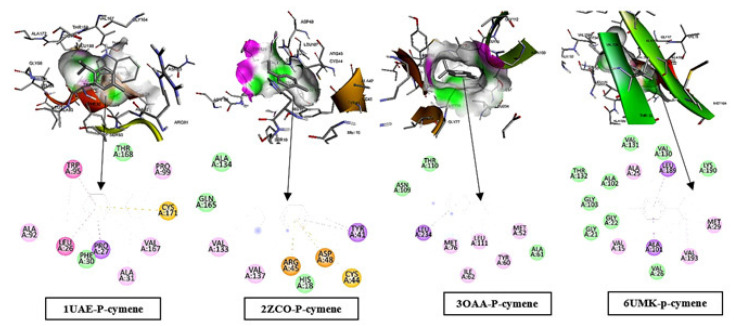 Figure 8
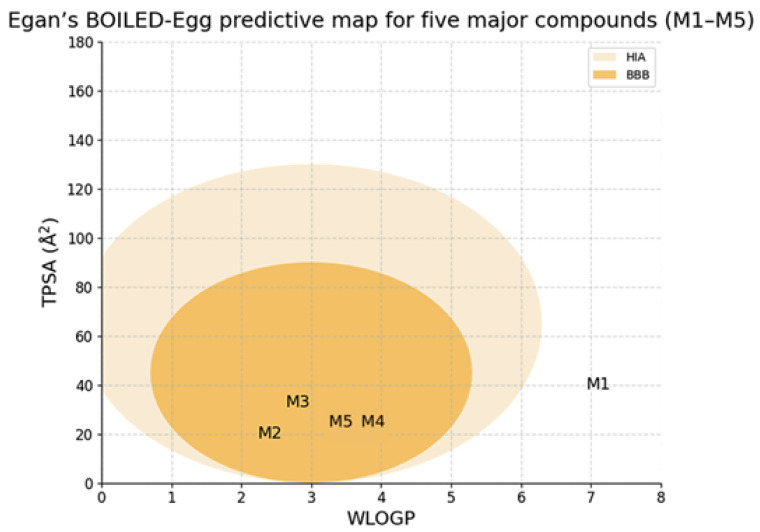 Figure 9
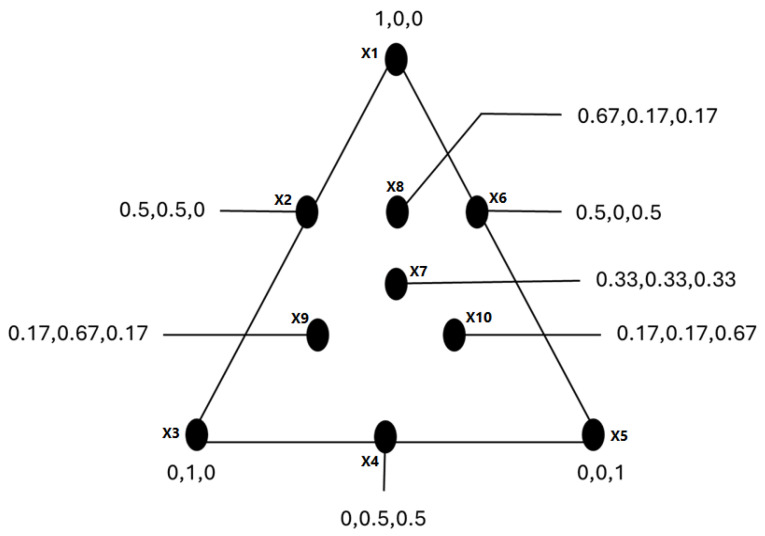 Figure 10
Peer Reviews
No public reviews on file for this paper yet. If you reviewed it on a platform where reviews are public (OpenReview, ICLR, NeurIPS, ICML), you can paste yours below so the community can read it here.
Videos
No videos yet. Explain this paper in a talk, walkthrough, or lecture? Add one.
Taxonomy
TopicsNigella sativa pharmacological applications · Essential Oils and Antimicrobial Activity · Diverse Scientific Research Studies
1. Introduction
In public health, antimicrobial resistance (AMR) is a critical global health challenge that results in millions of deaths annually and imposes significant economic burdens, particularly in developing countries [1]. Misuse of antibiotics without proper medical guidance exacerbates this problem, emphasizing the need for alternative antimicrobial strategies [2,3]. Another challenge in the food industry is the use of synthetic preservatives, such as benzoates, nitrites, butylated hydroxyanisole, polyphosphates, and tocopherols, to inhibit microbial growth and prevent oxidation. However, their high concentrations may pose health risks, including toxicity and carcinogenicity [4]. Along with the growing global demand for eco-friendly, natural bioactive compounds, there has been renewed scientific interest in medicinal and aromatic plants as promising alternatives to synthetic chemicals. These plants are rich sources of diverse secondary metabolites, including phenolics, terpenoids, flavonoids, and alkaloids, which exhibit a wide range of biological activities. Their derivatives are particularly valued for their antimicrobial and antioxidant properties, providing innovative and sustainable strategies for managing bacterial infections caused by both Gram-positive and Gram-negative pathogens. Such natural products have shown remarkable potential in the healthcare, pharmaceutical, and food industries, where the overuse of synthetic chemicals has raised environmental and health concerns [5,6,7,8]. Consequently, there is a growing interest in plant-derived natural compounds such as essential and fixed oils, which contain diverse bioactive molecules generally recognized as safe (GRAS) and are less likely to induce microbial resistance [9,10,11,12]. Plant-derived oils exert their antibacterial activity primarily by disrupting bacterial cell membranes, increasing permeability, causing leakage of intracellular constituents, and inhibiting toxin production [13]. In addition to their antimicrobial activity, oils are well known for their strong antioxidant potential, mainly attributed to the presence of phenolic compounds, which can neutralize free radicals, inhibit lipid peroxidation, and protect cellular structures from oxidative stress [14]. Despite these benefits, their practical application is limited by the need for high concentrations to achieve effective antimicrobial or antioxidant activity [15].
To address these limitations, combining different Plant-derived oils has emerged as an effective strategy. Synergistic interactions between such oils can enhance antimicrobial and antioxidant effects while reducing the required concentrations, minimizing sensory alterations and potential side effects [10,16]. Such synergistic mixtures not only broaden the spectrum of activity and overcome microbial resistance but also reduce costs [17,18]. Previous research has demonstrated that thyme EO, cinnamon EO, and black seed FO individually possess significant antibacterial and antioxidant potential in vitro [19,20,21,22,23]. However, the interactive effects among these three oils have not been investigated. Most earlier studies focused on binary mixtures, neglecting the potentially more complex yet effective ternary combinations that could yield superior bioactivity through multiple synergistic interactions [24,25].
Recent advancements in statistical optimization techniques, such as the simplex–centroid mixture design, have facilitated a more systematic and quantitative evaluation of oil combinations. This approach allows researchers to model the relationship between the mixture proportions and the biological response, thereby identifying the optimal blend composition with minimal experimental effort. When integrated with molecular docking studies, this optimization provides a comprehensive understanding of the molecular mechanisms underlying observed bioactivities by predicting interactions between oil constituents and target bacterial enzymes. Furthermore, evaluating the ADMET (Absorption, Distribution, Metabolism, Excretion, and Toxicity) characteristics of these constituents provides valuable insights into their potential bioavailability, safety, and suitability as therapeutic candidates [26].
Therefore, the present study aims to evaluate the antimicrobial and antioxidant activities of thyme, cinnamon EOs, and black seed FO, both individually and in various binary and ternary combinations, using the simplex–centroid mixture design. Developed mathematical models will help predict the most potent combinations against selected bacterial strains. Additionally, molecular docking and ADMET profiling were performed to investigate the binding affinity, orientation, interaction mechanisms, pharmacokinetic behavior, and safety of the major oil constituents.
2. Results
2.1. GC-MS Analysis
The GC–MS analysis of thyme oil revealed a complex mixture predominantly composed of oxygenated monoterpenes and monoterpene hydrocarbons. The major constituents were thymol (23.12%), eucalyptol (20.48%), p-cymene (18.70%), estragole (11.12%), and 1-terpineol (10.18%). Other notable compounds included α-terpineol (5.53%), α-terpinene (4.20%), and borneol (2.14%). Minor constituents, including γ-terpinene, linalool, β-pinene, and caryophyllene, were also detected.
The chemical profile of cinnamon oil was strongly dominated by aromatic aldehydes, with (E)-cinnamaldehyde (89.82%) representing the primary constituent. Benzyl alcohol (7.97%) was detected as the second major component, while benzaldehyde (0.59%), benzyl cinnamate (0.47%), trans-cinnamic acid (0.16%), and 14-hydroxycaryophyllene (0.16%) were present in small amounts.
The GC–MS chromatogram of black seed oil displayed five peaks corresponding to major constituents. The predominant compound was 9,12-octadecadienoic acid (Z,Z)- (linoleic acid, 74.38%), followed by n-hexadecanoic acid (palmitic acid, 12.41%), p-cymene (6.73%), and thymoquinone (4.47%). Alpha-thujene (1.22%) was detected as a minor component (Table 1). The GC–MS chromatograms are presented in the Supplementary Materials (Figures S1–S3).
2.2. Antibacterial Activity of Oils Compared to Standard Antibiotics
The antibacterial activities of the individual oils were evaluated against Escherichia coli and Staphylococcus aureus, and the results are presented in Figure 1, showing the inhibition zone diameters (IZ, mm) for each oil compared to the standard antibiotics.
2.3. Antioxidant Activity of Individual Oils
Thyme oil exhibited the strongest antioxidant activity among the tested oils, with the lowest IC_50_ value, indicating a high free radical-scavenging capacity. In contrast, cinnamon and black seed oils exhibited higher IC_50_ values, indicating moderate antioxidant activity. Ascorbic acid, used as a positive control, showed a markedly lower IC_50_ value than all tested essential oils, confirming its superior antioxidant potency (Figure 2).
2.4. Optimization of Oil Combinations Using Experimental Mixture Design
2.4.1. Formulation Design and Interaction Effects on Antibacterial and Antioxidant Responses
Table 2 summarizes the antibacterial and antioxidant activities of thyme, cinnamon, and black seed oils and their binary and ternary combinations, as determined by the Augmented Simplex Centroid Design. The minimum inhibitory concentration (MIC) values against Escherichia coli and Staphylococcus aureus, along with the DPPH IC_50_ values, revealed notable variations depending on the proportions of the individual oils.
Among the tested blends, the combination of thyme and cinnamon in equal proportions and the ternary mixture containing equal proportions of thyme, cinnamon, and black seed oils exhibited the strongest antibacterial activity, both recording the lowest MIC value of 0.781 μL/mL against E. coli and S. aureus. Formulations containing higher proportions of thyme or cinnamon oils consistently exhibited stronger antibacterial effects, as evidenced by lower MIC values (0.781–1.56 μL/mL). In contrast, black seed oil, as a single component, showed the weakest antibacterial activity, with the highest MIC value (6.25 μL/mL). Binary and ternary mixtures incorporating black seed oil demonstrated improved antibacterial activity compared to the pure oil, particularly when combined with thyme or cinnamon.
Antioxidant activity, assessed using the DPPH radical scavenging assay, also showed a strong dependence on mixture composition. Several ternary and binary formulations displayed enhanced antioxidant performance compared to single-component systems, with response values ranging from 6.27 ± 0.80 to 15.62 ± 1.27. In contrast, formulations dominated by a single oil generally exhibited higher IC_50_ values, indicating lower antioxidant efficiency.
2.4.2. Statistical Validation of the Model
Statistical analysis of the experimental response data was performed to validate the special cubic mixture models established for each tested response, describing the relationship between the proportions of thyme, cinnamon, and black seed oils and their antibacterial or antioxidant effects. The ANOVA results, summarized in Table 3 and presented in detail in (Tables S1–S3), indicated that all three models were statistically significant (p < 0.0001). For MIC against E. coli, the model F-value was 89.43 (p < 0.0001), while for MIC against S. aureus, the model F-value was 386.00 (p < 0.0001), demonstrating the significance of the linear mixture and most interaction terms. Similarly, the model for DPPH IC_50_ was highly significant (F = 134.20, p < 0.0001), indicating that the mixture composition strongly influenced antioxidant activity. The coefficients of determination (R^2^) were high for all responses (E. coli: 0.9763; S. aureus: 0.9944; DPPH: 0.9841), confirming close alignment between the experimental observations and the predicted outcomes of the fitted models (Figure S4). The predicted R^2^ values are in reasonable agreement with the Adjusted R^2^, confirming model reliability and predictive capability. Furthermore, the Adequate Precision values of 29.768, 62.991, and 32.636 exceeded the threshold value of 4, indicating an adequate signal-to-noise ratio and confirming that the models can be effectively used to navigate the experimental design space.
To further quantify the influence of the individual essential oils and their combinations on antibacterial and antioxidant activities, special cubic mixture models were developed. These models describe the relationship between the component fractions (Thyme, Cinnamon, and Black Seed oils) and the observed responses, allowing both prediction and interpretation of the experimental results within the tested design space.
For MICE. coli, the regression model in terms of actual component fractions was:
where , , and represent Thyme, Cinnamon, and Black Seed oils, respectively, and the interaction terms (AB, AC, BC, ABC) represent the combined effects of the oils. In this model, the ternary interaction (ABC) was not statistically significant (p = 0.8284), whereas all other terms were significant (p ≤ 0.05).
For MICS. aureus, all linear, binary, and ternary coefficients were significant, and the model was expressed as:
Similarly, for antioxidant activity (DPPH IC_50_), all coefficients were significant, and the model was:
These actual component models allow the prediction of responses for given levels of each essential oil within the tested design space. Usually, a negative sign of a coefficient in the fitted model indicates the ability of its factor to decrease the response, whereas a positive sign indicates the ability of a factor to increase the response variable. However, since the goal of this study was to enhance the antibacterial and antioxidant effects, i.e., to minimize the response variables (MIC and IC_50_ values), a negative coefficient reveals the ability of its associated factor or interaction to enhance the biological activity of the oil mixture, whereas a positive coefficient indicates a tendency to weaken the effect or increase the response value.
Because MIC values are determined using two-fold serial dilutions, they represent discrete endpoints rather than continuous measurements. Consequently, the zero pure error observed in the ANOVA reflects measurement resolution constraints rather than the absence of biological variability. Model statistics such as R^2^ and F-values should therefore be interpreted as indicators of goodness-of-fit within the experimental design space, rather than as evidence of deterministic biological behavior.
2.4.3. Response Surface Analysis
The contour plot and the 3D surface graph, presented as 2D and 3D mixture plots in Figure 3, illustrate the optimal combination of the three oils for maximizing antibacterial activity against E. coli and S. aureus, as well as antioxidant activity measured by DPPH IC_50_. These visual tools depict the relationship between the biological responses and the concentrations of each oil. The plots employ iso-response curves, which are effective for identifying the precise formulation conditions needed to achieve the most favorable antibacterial and antioxidant outcomes. In the visualizations, the color gradients indicate varying levels of activity: blue regions correspond to the lowest MIC and IC_50_ values, representing the highest antibacterial and antioxidant efficacy, whereas areas shaded from yellow to dark red reflect progressively higher MIC and IC_50_ values, indicating reduced effectiveness.
2.4.4. Integrated Multi-Response Optimization
The integrated multi-response desirability tool was applied to determine the optimal combination of cinnamon, thyme, and black seed oils to maximize antibacterial activity against E. coli and S. aureus, as well as antioxidant activity, measured as DPPH IC_50_. Desirability values range from 0 to 1, where 0 represents an unacceptable response and 1 indicates the maximum desired effect. (Figure 4) depicts the optimal mixture, consisting of 41.7% thyme, 41.7% cinnamon, and 16.7% black seed, achieving the lowest MIC and IC_50_ values and a desirability of 100.
2.4.5. Experimental Verification of the Assumed Model
To confirm the validity of the proposed special cubic mixture model, experimental validation was performed using the optimized oil formulation predicted by the desirability function. This analysis is crucial for verifying the accuracy of these models in predicting antibacterial activity against E. coli and S. aureus, as well as antioxidant activity measured by DPPH IC_50_. The model’s reliability is supported by the close alignment between experimental results and predicted values, as shown in Table 4, which demonstrates a strong correlation and confirms its effectiveness in practical applications.
2.5. Synergistic Effect Evaluation of the Developed Formulations by Checkerboard Assay
The synergistic antibacterial activity of the developed formulations was further evaluated using a checkerboard assay to confirm interactions among the oils. The data for the binary, ternary, and optimal mixtures are presented in Table 5. Several oil combinations displayed pronounced synergistic effects against both E. coli and S. aureus. Among all tested formulations, the ternary mixture containing equal proportions of thyme, cinnamon, and black seed oils (0.333:0.333:0.333) exhibited strong synergism, with ΣFIC values of 0.208 for E. coli and 0.375 for S. aureus. Similarly, the binary mixture of thyme and cinnamon at a 1:1 ratio demonstrated significant synergy (ΣFIC = 0.25). Notably, the statistically optimized mixture, containing thyme (0.417), cinnamon (0.417), and black seed (0.167), exhibited the strongest synergistic effect, with ΣFIC values of 0.15 and 0.29 against E. coli and S. aureus, respectively, confirming the enhanced potency of the optimized formulation.
For combinations yielding ΣFIC values near interpretative thresholds, synergistic interactions should be considered suggestive rather than absolute and interpreted in the context of biological variability and assay resolution.
2.6. Cytotoxicity Evaluation Against the Normal Cell Line (WI-38)
The cytotoxic effect of the optimized formulation on normal WI-38 cells was assessed by measuring cell viability and cytotoxicity after 48 h of exposure at concentrations ranging from 0.195 to 100 µL/mL (Figure 5). Across all tested concentrations, WI-38 cells exhibited high viability, ranging from 92.3% to 100%, with no statistically significant difference compared to the untreated control. Correspondingly, cytotoxicity percentages remained very low, not exceeding 7.67%, even at the highest concentration tested (100 µL/mL).
2.7. Docking Analysis
2.7.1. Docking Interpretations—Cinnamaldehyde, Linoleic Acid, and Thymol Pose Across Targets
Molecular docking was used as an exploratory, hypothesis-generating approach to examine whether major constituents might adopt plausible binding poses within selected bacterial targets (Figure 6). For cinnamaldehyde, linoleic acid, and thymol, the predicted poses were predominantly stabilized by hydrophobic and π-type interactions within non-polar pockets located near substrate- or nucleotide-associated regions of the target proteins. Importantly, docking poses and qualitative interaction maps do not establish binding affinity or mechanism; no experimental target engagement assays, pose validation, or molecular-dynamics refinement were performed. Accordingly, the docking results are discussed as supportive, computational hypotheses rather than definitive mechanistic proof.
The binding poses and 2D interaction fingerprints of selected ligands against key bacterial targets were visualized, including FtsZ (cell-division GTPase) from Staphylococcus aureus (PDB: 3VO8) and Escherichia coli (PDB: 6UMK) complexed with cinnamaldehyde, FabI (enoyl-ACP reductase) from E. coli (PDB: 1QG6) complexed with linoleic acid, and Sortase A from S. aureus (PDB: 1T2P) complexed with thymol; in each panel, the upper view showed the ligand positioned within the binding pocket with surrounding residues rendered as sticks and a semi-transparent surface highlighting pocket shape complementarity, whereas the lower view summarized pocket-lining residues and non-covalent contacts in the Discovery Studio 2D interaction map. In the Discovery Studio 2D interaction maps, 3VO8–cinnamaldehyde showed π–π stacking with PHE183 and van der Waals contacts with ASN166, THR133, ALA26, ASP187, ALA186, ARG29, GLY22, and ASN25; 6UMK–cinnamaldehyde showed π–π stacking with PHE182, a π–alkyl interaction with ALA185, and van der Waals contacts with ALA25, ASN186, THR132, GLU138, PRO134, ASN165, MET104, GLY103, GLY21, and ASN24; 1QG6–linoleic acid formed a conventional hydrogen bond with ALA95, alkyl/π–alkyl interactions with MET159, ALA196, ILE200, TYR156, TYR146, ALA189, LEU144, and ILE20, and van der Waals contacts with PHE94, LEU100, GLY93, LYS163, ALA197, ILE192, PRO191, GLY190, SER145, and PHE203; and 1T2P–thymol formed a conventional hydrogen bond with TRP194, a π–π T-shaped interaction with TYR187, alkyl/π–alkyl interactions with CYS184, ALA92, PRO91, and ALA104, and van der Waals contacts with ALA118, ILE182, ARG197, VAL193, GLY192, and THR93 as shown in (Figure 6).
2.7.2. Docking Interpretations—Eucalyptol Across Targets
Additional docking simulations for eucalyptol that can occupy hydrophobic cavities in the investigated proteins (Figure 7), with polar functional groups occasionally forming hydrogen-bond or electrostatic contacts to nearby residues. The black seed oil marker (linoleic acid) poses were generally consistent with accommodation of a long aliphatic chain within lipid-like tunnels. As above, these in silico poses are qualitative and do not quantify binding under physiological conditions; mechanistic interpretations should therefore remain cautious until supported by biochemical inhibition and/or binding studies.
Eucalyptol ligand was mapped within the binding sites of MurA (PDB: 1UAE; relevant to both E. coli and S. aureus), FtsZ (PDB: 2ZCO and 6UMK; relevant to both E. coli and S. aureus), and F1F0-ATP synthase/ATPase (PDB: 3OAA; E. coli), and the 2D interaction fingerprints indicated that binding was driven mainly by nonpolar contacts with limited directional contributions. In MurA (1UAE), eucalyptol was stabilized by van der Waals contacts (ALA96, TRP95, GLY98, VAL167, GLY164, THR168) together with alkyl/π–alkyl interactions (PRO99, ILE94, HIS125, LEU97) and additional weak contact features (as annotated in the DS legend). In FtsZ (2ZCO), the ligand was surrounded by van der Waals residues (PHE22, ASP48) and reinforced by π-type/hydrophobic interactions, including π-sigma with TYR41 and alkyl/π–alkyl contacts with VAL137, LEU107, VAL133, CYS44, ARG45, and HIS18. In F1F0-ATP synthase/ATPase (3OAA), eucalyptol was accommodated primarily through alkyl/π–alkyl interactions with LEU95, LEU111, VAL97, VAL129, LEU237, ILE62, MET52, MET76, and TYR60, alongside van der Waals contributions from GLU96, THR110, and LEU234. In FtsZ (6UMK), binding was dominated by an extensive van der Waals network (MET104, VAL18, GLY22, GLY109, GLY19, THR108, GLY107, GLY20, GLY106, ARG142, THR110, GLY21, GLY103) with an additional alkyl contact (ALA102), consistent overall with predominantly hydrophobic stabilization of eucalyptol across these targets as shown in (Figure 7).
2.7.3. Docking Interpretations p-Cymene Across Targets
The 2D interaction maps showed that p-cymene bound predominantly through hydrophobic contacts across all targets, with additional π-type interactions depending on the pocket environment: in MurA (1UAE–p-cymene) the ligand was stabilized mainly by alkyl/π–alkyl contacts with ALA92, LEU26, ALA31, VAL167, and PRO99, together with π–π stacking with TRP95, a π–sigma contact with PRO27, a π–sulfur interaction with CYS171, and van der Waals contributions from THR168 and PHE30; in FtsZ (2ZCO–p-cymene) binding involved alkyl/π–alkyl interactions with VAL133 and VAL137, a π–sigma interaction with TYR41, π–cation/π–anion features with ARG45 and ASP48, a π–sulfur contact with CYS44, and van der Waals contacts with HIS18, GLN165, and ALA134; in F1F0-ATP synthase/ATPase (3OAA–p-cymene) the ligand was supported by alkyl/π–alkyl contacts with LEU111, MET76, MET52, TYR60, and ILE62, with a π–sigma interaction involving LEU234 and van der Waals contributions from THR110, ASN109, and ALA61; and in FtsZ (6UMK–p-cymene) the interaction pattern was dominated by van der Waals contacts with THR132, ALA102, GLY103, GLY22, GLY21, VAL26, VAL131, VAL130, and LYS190, complemented by alkyl/π-type stabilization from ALA25, VAL15, MET29, and VAL193 and π–sigma contacts with ALA101 and LEU189, collectively indicating that p-cymene binding was largely lipophilic with target-specific π-interaction reinforcement (Figure 8).
2.8. Drug-likeness and ADME-Toxicity
Predicted physicochemical properties (Table 6) were used only for preliminary drug-likeness screening of five major constituents. Most compounds fell within common ranges for molecular weight and hydrogen-bonding capacity, while linoleic acid exhibited high lipophilicity (high predicted logP), which may limit aqueous solubility and oral absorption unless formulated appropriately. These in silico estimates do not replace experimental solubility, permeability, or bioavailability measurements.
ADME/toxicity outputs (Table 7) were interpreted as computational screening results. Predicted intestinal absorption, mutagenicity (AMES), hepatotoxicity, skin sensitization, BBB/CNS penetration, and CYP-related interaction flags vary by compound and are model-dependent; therefore, they should not be used to claim safety or therapeutic applicability. The predictions instead help prioritize compounds for follow-up experimental evaluation (e.g., cytotoxicity, metabolic stability, and in vivo tolerability). Predictions were generated using commonly used web tools such as SwissADME (swissadme.ch) and pkCSM (biosig.lab.uq.edu.au/pkcsm/).
The BOILED-Egg model (SwissADME; WLOGP vs. TPSA) was additionally used to visualize predicted passive gastrointestinal absorption and BBB permeation tendencies (Figure 9). As with other ADME tools, these outputs are approximate and should be considered alongside experimental pharmacokinetic and toxicity studies.
3. Discussion
The present study successfully optimized the antibacterial and antioxidant potentials of oil combinations using a mixture design strategy integrated with statistical and in silico analyses. The findings highlight synergistic interactions among thyme (Thymus vulgaris), cinnamon (Cinnamomum verum), and black seed (Nigella sativa) oils, which, when used collectively, enhance biological efficacy compared to their individual applications.
The antibacterial evaluation revealed that both E. coli and S. aureus were susceptible to the tested essential oils. Gram-negative E. coli displayed relatively lower susceptibility to the individual oils, which can be attributed to the protective outer membrane, which contains hydrophilic lipopolysaccharides (LPS) that limit the penetration of oil components [27]. Among all formulations, the binary mixture of thyme and cinnamon and the ternary mixture containing equal proportions of the three oils demonstrated the strongest antibacterial activities, with the lowest MIC values. These results clearly indicate a synergistic interaction between the oils, particularly between thyme and cinnamon.
The enhanced antibacterial activity of such mixtures may be attributed to the combined action of their major bioactive constituents—thymol, cinnamaldehyde, linoleic acid, and thymoquinone. These compounds act synergistically by disrupting bacterial cell membranes, increasing permeability, interfering with key metabolic enzymes, and causing leakage of intracellular contents, thereby amplifying the overall antibacterial effect compared to the individual oils [2,15,17,28]. Previous studies have reported similar synergistic effects between phenolic-rich oils, in which interactions between hydroxylated monoterpenes and aldehyde constituents enhanced bacterial inhibition [29]. Several studies have demonstrated the synergistic antibacterial effects of various oil combinations, underscoring their potential as natural antimicrobial systems. For example, a previous investigation reported that a ternary blend of Moringa oleifera, Cinnamomum verum, and Nigella sativa oils exhibited strong synergistic effects against Staphylococcus aureus, significantly lowering the MIC values compared to individual oils [6]. Similarly, another study demonstrated that combining Origanum vulgare (oregano), Thymus vulgaris (thyme), and Cymbopogon citratus (lemongrass) oils via a simplex–centroid mixture design yielded optimized blends that simultaneously inhibited Salmonella enterica, Escherichia coli, and Staphylococcus aureus [10].
Unlike MIC values, which are discrete endpoints constrained by two-fold dilution steps, DPPH scavenging activity represents a continuous response, allowing finer resolution of variance and model residuals. These intrinsic differences were taken into account when interpreting model performance and statistical outputs. The DPPH assay demonstrated a pronounced synergistic effect in antioxidant potential among the oil combinations. The ternary blend containing equal proportions of thyme, cinnamon, and black seed oils exhibited the greatest radical-scavenging capacity, surpassing the activity of the individual oils. Similar findings have previously been reported, demonstrating that enriching oils with polyphenolic mixtures or plant extracts significantly enhanced their DPPH activity through cooperative antioxidant mechanisms [30,31].
The statistical validation confirmed the robustness of the developed cubic mixture models for all tested responses. The high R^2^ and adjusted R^2^ values, along with the non-significant lack-of-fit results, demonstrate that the models accurately describe the relationships between oil proportions and biological activities. The agreement between experimental and predicted MIC and IC_50_ values further supports the predictive strength and practical applicability of the models [13]. The integrated desirability function identified several optimal blends with a desirability index of 1.0, and one was selected for model validation. This optimized mixture achieved the lowest MIC and IC_50_ values, confirming the effectiveness of the mixture design in maximizing multi-response optimization. These results, along with other previous studies, underscore the potential of employing simplex–centroid designs in the formulation of natural antimicrobial and antioxidant products [16,32].
The cytotoxicity assessment of the optimized essential oil formulation on WI-38 normal fibroblast cells showed no significant difference compared to the control, with cells remaining viable and exhibiting minimal to negligible cytotoxicity. These results indicate that the tested essential oil does not induce significant cellular damage or inhibition in normal fibroblasts.
The chemical composition of plant-derived oils can vary due to factors such as plant origin, harvest period, and extraction method. This inherent variability may influence biological activity and the reproducibility of results. Nevertheless, slight variations in composition could still contribute to differences in activity, and this should be considered when interpreting the results and comparing them with other studies.
The in-silico docking results were used as exploratory, hypothesis-generating evidence to complement the mixture-design bioassays. Across the five major constituents, predicted poses were dominated by lipophilic complementarity—van der Waals and alkyl/π–alkyl contacts—with limited directional interactions. Cinnamaldehyde adopted plausible poses in FtsZ pockets from S. aureus (3VO8) and E. coli (6UMK), consistent with prior reports that cinnamaldehyde and related scaffolds can perturb FtsZ function and cell division [33,34,35]. Linoleic acid displayed a tail-in-channel pose in FabI (1QG6), with its carboxylate positioned for anchoring at the channel entrance, which is coherent with fatty-acid accommodation near FASII targets and exogenous fatty-acid utilization contexts [36]. Thymol fits a hydrophobic groove of Sortase A (1T2P) with one potential H-bond contribution, aligning with common anti-virulence SrtA inhibitor binding motifs [37,38,39].
For the weaker polar monoterpenes, eucalyptol and p-cymene were predicted to occupy non-polar cavities in MurA (1UAE), FtsZ (2ZCO/6UMK), and the F1F0/ATP synthase/ATPase target (3OAA) primarily via dispersion forces (Figure 8 and Figure 9). These contact patterns suggest a nonspecific lipophilic association rather than a strongly directed binding mode and should therefore be interpreted cautiously until supported by target-based inhibition, binding, or cellular mechanism assays [40,41,42].
Four compounds met common Lipinski-type thresholds (MW < 500; HBD < 5; HBA < 10) and showed moderate lipophilicity (predicted logP ≈ 2.2–3.3), supporting passive permeability expectations, whereas linoleic acid exhibited high predicted lipophilicity (logP ≈ 7.0), which can reduce aqueous solubility and make oral exposure more formulation-dependent [43,44,45]. Molar refractivity values fell within the typical 40–130 window, consistent with broadly acceptable physicochemical space for small molecules [46,47].
The ADME/toxicity screening trends for the same five constituents should be interpreted as model-dependent prioritization rather than definitive safety/efficacy evidence [48,49,50]. All five showed high predicted intestinal absorption, while BBB/CNS indices suggested greater brain-entry potential for the compact monoterpenes (eucalyptol and p-cymene) than for linoleic acid. CYP interaction flags were limited overall; linoleic acid was predicted as a CYP3A4 substrate and a CYP2C9 inhibitor, whereas the other compounds showed no CYP substrate/inhibitor alerts in this workflow. Skin-sensitization alerts were predicted for cinnamaldehyde and p-cymene, indicating a need for careful irritation/sensitization testing. The BOILED-Egg visualization (Figure 10) provided a qualitative cross-check of passive absorption/BBB tendencies and should be considered alongside experimental pharmacokinetics and toxicity studies [43,44,45].
Despite the promising antibacterial and antioxidant outcomes, the present study has some limitations that should be acknowledged. First, the number of microbial strains tested was limited to E. coli and S. aureus, which may not fully represent the broad-spectrum activity of the essential oil combinations. Second, only a single antioxidant assay (DPPH) was employed, and other methods, such as ABTS or FRAP, could provide a more comprehensive evaluation of antioxidant potential. Third, the in-silico docking and ADMET predictions, while informative, are exploratory and cannot substitute for experimental confirmation of molecular mechanisms or in vivo pharmacokinetics. Future research should expand the range of microbial targets, include multiple antioxidant assays, and perform in vivo studies to validate safety and efficacy. Additionally, the biological relevance of the mixture design-derived optimal ratios should be further investigated under realistic application conditions, such as therapeutic formulations, to ensure their practical applicability.
4. Methodology
4.1. Plant-Derived Oils
The oils of thyme (Thymus vulgaris), cinnamon (Cinnamomum verum), and black seed (Nigella sativa) were purchased from the National Research Center (NRC) in Cairo, Egypt. Cinnamon essential oil was obtained from the dried inner bark of Cinnamomum verum sourced from Sri Lanka. Thyme essential oil was extracted from the dried leaves of Thymus vulgaris (thyme) of the thymol chemotype, cultivated in Upper Egypt from Beni Suef Governorate. Black seed oil was cold-pressed from Nigella sativa (black cumin) seeds originating from Beni Suef Governorate, Egypt. Both cinnamon and thyme oils were produced by steam distillation using a standard Clevenger-type apparatus for 3 h. Black seed oil was cold-pressed at room temperature (25–30 °C). All oils were stored in airtight amber glass vials at 4 °C, protected from light, until use [51,52,53].
4.2. Analysis of the Chemical Composition of Oils by GC-MS Spectroscopy
The sample was dissolved in dichloromethane and then injected. The GC-MS system (Agilent Technologies, Santa Clara, CA, USA) was equipped with a gas chromatograph (7890B) and a mass spectrometer (5977A) at the Central Laboratories Network of the National Research Centre, Cairo, Egypt. The GC was equipped with an HP-5MS column (15 m × 0.25 mm internal diameter, 0.25 μm film thickness). Analyses were carried out using Hydrogen as the carrier gas at a flow rate of 1.1 mL/min at a splitless injection volume of 1.0 µL and the following temperature program: 40 °C for 1 min; rising at 10 °C/min to 200 °C and held for 1 min; rising at 20 °C/min to 220 °C and held for 1 min; rising at 30 °C/min to 300 °C and held for 3 min. The injector and detector were held at 250 °C and 300 °C, respectively. Mass spectra were obtained by electron ionization (EI) at 70 eV, using a spectral range of m/z 33–600 and a solvent delay of 1.60 min. The mass temperature was 230 °C, and the Quad was 150 °C. Identification of the different constituents was determined by comparing the fragmentation patterns of the spectra with those stored in the Wiley and NIST Mass Spectral Libraries and by comparing calculated retention indices with those reported in the literature [54,55].
4.3. Preparation of Oil Emulsions
To facilitate the incorporation of oils, they were emulsified in 2% dimethyl sulfoxide (DMSO) by mixing 50 μL of each oil or oil combination with 950 μL of 2% DMSO [56]. A preliminary assessment confirmed that 2% DMSO exhibited no inhibitory effect on the growth of the tested bacterial strains.
4.4. Antibacterial Assays
4.4.1. Bacterial Strains
Two standard bacterial strains were used to evaluate the antibacterial activity of the oils, either individually or in combination: Escherichia coli ATCC 25922 and Staphylococcus aureus ATCC 29213. These strains were obtained from the American Type Culture Collection (ATCC) and selected as representative models of Gram-negative and Gram-positive bacteria, respectively. Both strains were maintained on Mueller–Hinton agar (MHA) slants at 4 °C.
4.4.2. Disc Diffusion Experiments
The antibacterial activity of the oils was tested using the agar disc diffusion method in accordance with the recommendations of the Clinical and Laboratory Standards Institute (CLSI) [57]. Specifically, Mueller–Hinton (MH) agar plates were prepared and uniformly inoculated with the respective bacterial strains using a sterile swab, with the bacterial suspension adjusted to 0.5 McFarland standard. Sterile paper discs were impregnated with the oil. The plates were incubated at 37 °C for 24 h, after which the zones of inhibition around each disc were measured in millimeters. Both gentamicin and ampicillin were used as positive controls. All experiments were carried out in independent triplicates to ensure accuracy and reproducibility.
4.4.3. MIC Determination
The minimum inhibitory concentration (MIC) was determined by broth microdilution in sterile 96-well microtiter plates. MH broth was used as the diluent, and the bacterial suspension turbidity was adjusted to 0.5 McFarland standard. Twofold serial dilutions of each oil, alone or in combination, were prepared in the wells, with a final volume of 100 μL per well. The oil concentrations ranged from 25 μL/mL to 0.0244 μL/mL. The plates were incubated at 37 °C for 24 h. Following incubation, resazurin (0.015%) was added as a redox indicator to assess bacterial viability. and the MIC was defined as the lowest concentration of the oil that prevented resazurin from changing from blue to pink, indicating inhibition of bacterial growth [58,59].
4.4.4. Checkboard Assay
The interactions among thyme, cinnamon, and black seed oils against the selected bacterial strains were evaluated using the checkerboard approach as previously described [60,61]. This assay was conducted to determine the type of interaction (synergistic, additive, or antagonistic) between the oils in both binary and ternary combinations generated through the simplex–centroid mixture design. The interaction was quantified as the fractional inhibitory concentration (FIC) index, calculated by summing the FIC values of the individual oils in each combination. The FIC value of each oil was defined as the ratio between the MIC of the oil in combination and its MIC when tested individually, according to the following equations:
The obtained FIC index values were interpreted as follows: synergistic effect (S) if FIC ≤ 0.5; additive (AD) if 0.5 < FIC ≤ 1; no interaction (NI) or indifferent if 1 < FIC ≤ 4; and antagonistic effect (AG) if FIC > 4.
4.5. Antioxidant Activity Evaluation Using DPPH Radical Scavenging Assay
The antioxidant activity of the three oils and their various combinations, generated using the mixture design, was evaluated using the 2,2-diphenyl-1-picrylhydrazyl (DPPH) radical scavenging assay. This method measures the ability of antioxidants in the samples to quench the stable DPPH free radical, which exhibits a characteristic color change from purple to yellow upon reduction. The procedure was carried out following a modified method described by [62]. Briefly, 50 μL of the oil sample at different concentrations (50, 40, 30, 20, 10, 5, 2.5, 1.25, and 0.78 mg/mL) was mixed with 950 μL of a 0.1 mM DPPH methanolic solution. The reaction mixture was incubated in the dark at room temperature for 30 min to ensure complete reaction. Ascorbic acid was used as a positive control. The absorbance was then recorded at 517 nm using a spectrophotometer. The radical scavenging activity (RSA) was calculated according to the following equation:
where is the absorbance of the blank (DPPH solution without sample), and is the absorbance of the sample. Then the IC_50_ value (the concentration required to scavenge 50% of DPPH radicals) was subsequently determined.
4.6. Development of Formulations Using Mixture Design and Mathematical Modeling
4.6.1. Mixture Design
To evaluate the combined antibacterial and antioxidant effects of the selected oil mixtures, a simplex–centroid mixture design based on Scheffé regression models was employed. The centroid design allows systematic investigation of single components, binary mixtures, and ternary combinations while minimizing the number of experimental runs. Three oils were investigated in this design: thyme, cinnamon, and black seed. The independent variables represented the fractional proportions of each oil in the mixture, ranging from 0 to 1, with no constraints. The experimental matrix consisted of single, binary, and ternary combinations of oils, thereby covering the entire mixture space (Figure 10). The vertices of the triangular plot corresponded to the pure components, the midpoints of the edges represented binary mixtures, and the centroid represented the ternary mixture. To improve the estimation of experimental error and enhance model reliability, the entire experimental design was duplicated. The measured responses included the minimum inhibitory concentration (MIC) against Escherichia coli and Staphylococcus aureus, and the half-maximal inhibitory concentration (IC_50_) for DPPH radical scavenging activity. In a preliminary step, linear, quadratic, cubic, and special cubic least-squares regression models were evaluated using analysis of variance (ANOVA) to identify the most appropriate model for each response. The special cubic model was selected as the most suitable to describe the relationship between mixture composition and all investigated responses.
The special cubic model used for response prediction is expressed as:
where Y is the response (MIC, µL/mL, or IC_50_ in mg/mL), X_1_, X_2_, and X_3_ are the proportions of thyme, cinnamon, and black seed oils, respectively; α_1_, α_2_, and α_3_ represent the linear coefficients; α_12_, α_13_, and α_23_ denote the binary interaction coefficients; α_123_ represents the ternary interaction coefficient; and ε is the residual error [10,26].
4.6.2. Statistical Analysis and Optimization Tools
All experiments, including MIC and DPPH IC_50_ determinations, were performed in triplicate, and the results were expressed as mean values ± standard deviation. Statistical analysis and model fitting were conducted using Design-Expert. The parameters obtained from the analysis of variance (ANOVA) included the sum of squares (SS), mean square (MS), degrees of freedom (df), F-values, p-values, and the coefficient of determination (R^2^). The statistical significance of the models and individual terms was evaluated at the 5% significance level (α = 0.05). A high F-value and a low p-value (p < 0.05) indicated that the model terms were significant and that the variability in the data was well explained by the fitted model. The adequacy of the cubic regression model was further verified by evaluating R^2^, adjusted R^2^, and predicted R^2^ values, which measure the degree of correlation between the experimental and predicted responses. Additionally, the lack-of-fit test was used to ensure that the model adequately described the experimental data without significant deviation. For optimization, contour and 3D surface plots were used to visualize component interactions and identify the most effective mixtures. The desirability function helped determine the optimal formulation by balancing the responses to achieve the best overall results. In this function, values range from 0 (undesirable) to 1 (highly desirable), ensuring a practical and efficient optimization process [13].
4.7. Assessment of Cytotoxicity of Optimized Mixture Against Normal WI-38 Cell Line
The cytotoxicity of the optimized formulation was evaluated using the MTT assay on WI-38 normal fibroblast cells. Initially, to develop a complete monolayer sheet, the 96-well tissue culture plate was inoculated with 1 × 10^5^ cells/mL (100 µL/well) and incubated at 37 °C for 24 h. After a confluent sheet of cells had been formed, the Growth medium was decanted from the 96-well microtiter plates, and the cells were washed twice. Then they were treated with a tested sample; two-fold dilutions of the tested sample (0.195–100 µL/mL) were prepared in RPMI 1640 medium with 2% serum (maintenance medium). Maintenance medium only was used as a control. After cells were incubated for 48 h at 37 °C, 20 µL of MTT solution (5 mg/mL in PBS) was added to each well. The plate was incubated (37 °C, 5% CO_2_) for 4 h, then it was discarded. The MTT metabolic product (formazan) was resuspended in 200 µL DMSO, then shaken at 150 rpm for 5 min to thoroughly mix the formazan into the solvent. Colorimetric analysis was measured at 560 nm, with background subtraction at 620 nm [63].
4.8. In Silico Study
4.8.1. Protein/Ligand Preparation, Docking, and Visualization
Protein structures from the RCSB PDB were cleaned by removing heteroatoms and remote waters, rebuilding missing side chains, and adding hydrogens at pH 7.4. Prepared receptors were saved as PDB files. Ligands were sketched in 2D, converted to 3D, minimized using a small-molecule force field, and exported as PDB and SDF files, preserving pH-appropriate tautomer. Docking was performed using HDOCK (default, whole-receptor search), ranked poses/scores were retrieved, and the top ten were downloaded. Poses were filtered for plausible placement in the FPP/active-site channel, π stacking/hydrophobic interactions, and a hydrogen bond from the phenolic OH; clashes, strained torsions, or fully buried OH groups were rejected. The best-scoring pose was selected for the figures. Figures were created in Chimera and Discovery Studio, with pocket renderings and 2D interaction diagrams at 600 dpi or higher.
4.8.2. Drug-likeness and ADME/Tox Workflow
Five oil constituents, cinnamaldehyde, thymol, eucalyptol, p-cymene, and linoleic acid, selected from GC–MS; SMILES/SDF were taken from PubChem [46]. SwissADME computed MW, HBD/HBA, TPSA, RB, logP, and MR, and evaluated Lipinski, Veber, and Ghose rules [43,44,45,64]. pkCSM and ADMETlab 2.0 predicted HIA, logBB, logPS, CYP liabilities, clearance, and toxicity; overlapping endpoints cross-validated, single-source metrics retained [48,49,50]. Inputs used neutral microspecies at pH 7.0 and PubChem SMILES; nomenclature was harmonized with DrugBank [45,46,47]. Pass/fail flags and numerics supported reproducibility [43,44,45,48,50].
5. Conclusions
The simplex–centroid mixture design was used to optimize the antibacterial and antioxidant activities of thyme, cinnamon, and black seed oils, revealing synergistic effects that enhanced activity compared to the individual oils. In silico analysis identified potential molecular mechanisms and indicated generally favorable ADMET and pharmacokinetic profiles for the main constituents. Cytotoxicity testing on normal WI-38 cells showed minimal toxicity at the tested concentrations. These results indicate that the optimized oil combinations may have potential as natural agents for therapeutic and food preservation applications, while further studies are needed to confirm their safety and efficacy.
The reference list from the paper itself. Each links out to its DOI / PubMed record.
- 1WHO Global Antimicrobial Resistance and Use Surveillance System (GLASS)WHO Geneva, Switzerland 2022 Available online: https://www.who.int/publications/i/item/9789240062702(accessed on 26 December 2025)
- 2Joujou F.M. El Darra N. Rajha H.N. Sokhn E.S. Alwan N. Evaluation of Synergistic/Antagonistic Antibacterial Activities of Fatty Oils from Apricot, Date, Grape, and Black Seeds Sci. Rep.202414653210.1038/s 41598-024-54850-y 38503788 PMC 10951330 · doi ↗ · pubmed ↗
- 3Elbouzidi A. Taibi M. El Hachlafi N. Haddou M. Jeddi M. Baraich A. Bougrine S. Mothana R.A. Hawwal M.F. Alobaid W.A. Optimization of the Antibacterial Activity of a Three-Component Essential Oil Mixture from Moroccan Thymus satureioides, Lavandula angustifolia, and Origanum majorana Using a Simplex–Centroid Design Pharmaceuticals 2025185710.3390/ph 1801005739861120 PMC 11769045 · doi ↗ · pubmed ↗
- 4Basavegowda N. Baek K.-H. Synergistic Antioxidant and Antibacterial Advantages of Essential Oils for Food Packaging Applications Biomolecules 202111126710.3390/biom 1109126734572479 PMC 8466708 · doi ↗ · pubmed ↗
- 5Abd-elgawad A.M. El-amier Y.A. Bonanomi G. El Gendy A.E.-N.G. Elgorban A.M. Alamery S.F. Elshamy A.I. Chemical Composition of Kickxia aegyptiaca Essential Oil and its Potential Antioxidant and Antimicrobial Activities Plants 20221159410.3390/plants 1105059435270064 PMC 8912309 · doi ↗ · pubmed ↗
- 6Abu-Hussien S.H. Nasry A.R. Samy Z. El-Sayed S.M. Bakry A. Ebeed N. Elhariry H. El Noby T. Synergistic Antimicrobial Activity of Essential Oils Mixture of Moringa oleifera, Cinnamomum verum and Nigella sativa against Staphylococcus aureus Using L-Optimal Mixture Design AMB Express 2025151510.1186/s 13568-024-01797-y 39873942 PMC 11775370 · doi ↗ · pubmed ↗
- 7Khalil N. Ashour M. Fikry S. Singab A.N. Salama O. Chemical Composition and Antimicrobial Activity of the Essential Oils of Selected Apiaceous Fruits Future J. Pharm. Sci.20184889210.1016/j.fjps.2017.10.004 · doi ↗
- 8Khan F.A. Khan N.M. Ahmad S. Nasruddin Aziz R. Ullah I. Almehmadi M. Allahyani M. Alsaiari A.A. Aljuaid A. Phytochemical Profiling, Antioxidant, Antimicrobial and Cholinesterase Inhibitory Effects of Essential Oils Isolated from the Leaves of Artemisia scoparia and Artemisia absinthium Pharmaceuticals 202215122110.3390/ph 1510122136297333 PMC 9607455 · doi ↗ · pubmed ↗