Psychosocial Workplace Environments Enabling Sustainable Employment for People with Mental Health Conditions: A Scoping Review
Yoshitomo Fukuura, Yukako Shigematsu, Yumi Mizuochi

TL;DR
This scoping review identifies key psychosocial workplace factors that help people with mental health conditions maintain sustainable employment.
Contribution
The study maps a multilayered framework of psychosocial workplace environments tailored to support individuals with mental illness.
Findings
Five categories of psychosocial workplace environments were identified, including growth-supportive and low-psychological-strain environments.
A multilayered support network and interprofessional collaboration are essential for sustainable employment.
The findings highlight gaps in current evidence and the need for further primary research and formal concept analysis.
Abstract
Background/Objectives: Research that systematically identifies the components of a psychosocial workplace environment tailored to people with mental illness is limited. This scoping review aimed to map the existing literature and clarify the key concepts of a desirable workplace environment from a psychosocial perspective that enables sustainable employment for people with mental illness. Methods: A scoping review was conducted using the Joanna Briggs Institute methodology. Five databases, including PubMed and Scopus, were searched to extract original English-language, peer-reviewed research articles published between 2003 and 2025 on workplace environments for individuals with mental illness. Two independent reviewers screened the records and selected 16 studies using the population, concept, and context framework. Following data extraction, qualitative inductive analysis was conducted…
Genes, proteins, chemicals, diseases, species, mutations and cell lines named across the full text — each resolved to its canonical identifier and authoritative record.
Click any figure to enlarge with its caption.
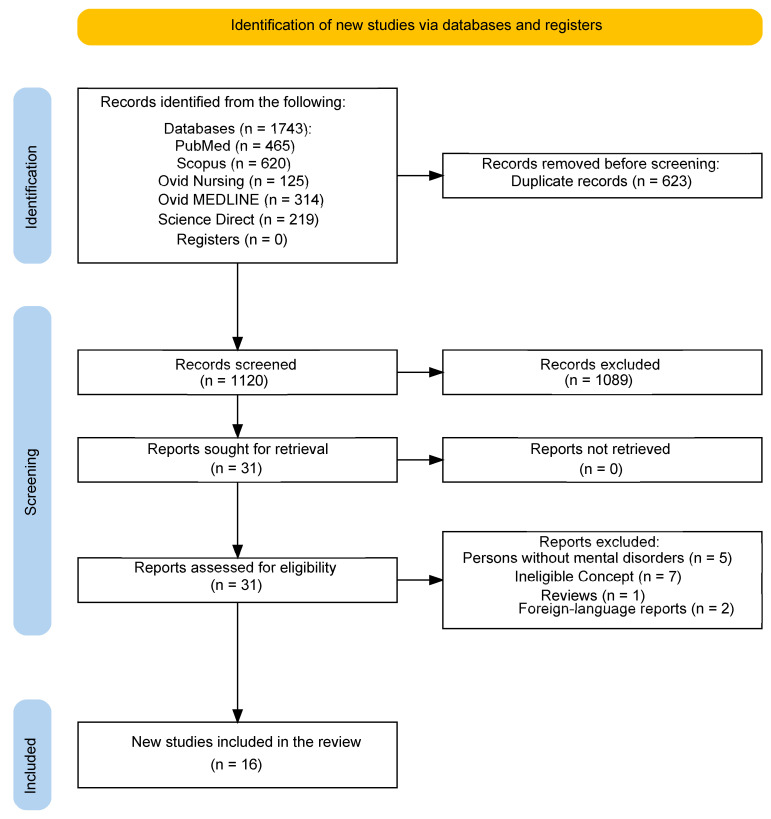 Figure 1
- —Grants-in-Aid for Scientific Research (KAKENHI)
Peer Reviews
No public reviews on file for this paper yet. If you reviewed it on a platform where reviews are public (OpenReview, ICLR, NeurIPS, ICML), you can paste yours below so the community can read it here.
Videos
No videos yet. Explain this paper in a talk, walkthrough, or lecture? Add one.
Taxonomy
TopicsSchizophrenia research and treatment · Occupational Therapy Practice and Research · Workplace Health and Well-being
1. Introduction
Employment serves as a crucial opportunity to promote the recovery process of individuals with mental illness. Work not only provides economic stability but also offers elements that are essential for maintaining mental health, such as a sense of purpose, identity, and connection with others [1]. However, the unemployment rate among people with mental disorders is three to seven times higher than that among people without such disorders [2]. Although workplace support is often provided, it focuses on compensating for the perceived weaknesses of individuals with mental illness and may therefore be insufficient [3,4,5,6].
Previous studies have indicated that enabling employees with mental illness to actively engage in the workplace, thereby improving the work environment, is crucial for employment retention [3,6]. Initiatives in which employees with mental illness, colleagues, and employers collaborate to build a supportive workplace environment are likely to contribute to employment retention. However, much of the existing research on the employment of individuals with mental illness has focused on direct support. The traditional “training-then-placement” model is shifting towards employment support models emphasizing “placement-then-training.” Supported Employment (SE) and Individual Placement and Support (IPS) are effective programs for securing employment and improving interpersonal skills [7,8]. Supported employment models have been demonstrated to improve the quality of life of individuals with severe mental illness [9]. Employee assistance programs (EAPs) have been developed to support individual employees by addressing their stress and mental health concerns, thereby contributing to workplace efficiency [10,11]. While such programs often demonstrate certain benefits, numerous challenges remain, particularly in improving employers’ understanding of and engagement with reasonable accommodation and workplace support [7].
The psychosocial workplace environment presents multiple challenges for employees with mental health issues. These include misunderstandings in relationships with supervisors and colleagues, isolation in workplaces with limited knowledge about mental health, and stigma within organizational cultures that treat mental health issues as taboo [12,13,14]. Therefore, improving workplace environments is essential. A psychosocial workplace environment that enables sustained employment may reduce the risk of mental health problems among individuals with mental health challenges [15]. It also contributes to improved quality of life and the discovery of meaningful roles by providing opportunities to recognize and utilize one’s strengths [12,16]. However, the structural components of workplace environments that promote sustainable employment for individuals with mental illness remains unclear. In particular, few reviews have systematically organized the components of psychosocial workplace environments that support sustainable employment for individuals with mental illness, and none have comprehensively presented conceptual definitions or integrated components. Consequently, evidence on workplace environment development remains fragmented, leaving significant research gaps.
Although the workplace is a crucial setting for promoting mental health, research on workplace interventions remains insufficient [17], and the standardization of evaluation methods for workplace improvement is necessary [15]. However, efforts to improve workplace environments have been limited. Improved workplace environments are associated with reduced turnover and greater retention. From the perspective of continuing employment, psychosocial factors are critical for workers’ mental health status, job performance, and recovery [18]. Models also exist in which the workplace provides opportunities for participation in decision making and establishes health management systems to enable a sustained working life [19,20]. Generally, the psychosocial workplace environment comprises elements such as the level of job demands, degree of job autonomy, presence of support from supervisors and colleagues, quality of workplace relationships, and role clarity [8,21]. In this study, a psychosocial workplace environment related to sustainable employment for people with mental illness was operationally defined as one consisting of job accommodations and work arrangements tailored to the characteristics of mental illness, cooperative systems, and interpersonal relationships. However, to date, no academic consensus exists on the definition of a “functional” workplace environment that enables sustainable employment for people with mental illness.
To address this gap, this scoping review aimed to map the existing literature and clarify the key concepts of a desirable workplace environment from a psychosocial perspective that enables sustainable employment for people with mental illness.
2. Materials and Methods
This study adopted a scoping review design. The review was conducted following the Joanna Briggs Institute (JBI) methodology [22,23] and reported according to the Preferred Reporting Items for Systematic Reviews and Meta-Analyses—Scoping Review (PRISMA-ScR) statement. The completed PRISMA-ScR checklist is provided in the Supplementary File. The title of this review has been registered in the Open Science Framework (OSF) (https://osf.io/2fymn/overview; accessed on 1 February 2026). Furthermore, this study adhered to the PRISMA checklist as a reporting standard for scoping reviews [24].
2.1. Inclusion Criteria
The inclusion criteria were defined using the Population, Concept, Context (PCC) framework based on the components of the review question.
Population: Adults aged 18 years or older but under 60 years who have been diagnosed with any mental disorder.
Concept: Studies describing psychosocially favorable workplace environments that enable individuals with mental disorders to maintain employment.
Setting: Workplace environments where individuals with mental disorders are employed.
2.2. Search Strategy
A literature search was conducted on 31 July 2025, using five electronic databases: PubMed, Scopus, Ovid Nursing, Ovid MEDLINE, and ScienceDirect.
The following search terms were used: (“mental disorder” OR “mental illness” OR “mental health disorder” OR “psychiatric disorder” OR “schizophrenia” OR “depression” OR “bipolar disorder” OR “anxiety disorder” OR “post-traumatic stress disorder” OR “obsessive-compulsive disorder” OR “eating disorder” OR “substance use disorder” OR “autism” OR “Attention-deficit hyperactivity disorder (ADHD)”) AND (employment OR “workplace integration” OR “workplace adaptation” OR “reasonable accommodations”) AND (“psychosocial environment of the workplace” OR “psychosocial conditions of the workplace” OR “psychosocial factors” OR “psychosocial factors in the workplace” OR “psychosocial support” OR “psychosocial interventions” OR “psychological workload”).
The complete electronic search strategy for the PubMed database, including all limits used, is presented in Supplementary Table S1.
Two independent reviewers conducted a detailed screening of titles and abstracts and obtained and evaluated full-text articles based on predefined eligibility criteria. Disagreements were resolved through discussion with a third reviewer, who acted as an arbitrator when necessary, ensuring strict adherence to the PCC framework [25].
2.3. Study Selection
All records identified through the search strategy were uploaded to Rayyan (Rayyan Systems Inc., Cambridge, MA, USA; https://www.rayyan.ai; accessed 31 July 2025), and duplicates were removed. The platform was used to facilitate blinded screening. Although Rayyan also offers optional AI-assisted features, these were not used in this review. To ensure methodological rigor and transparency, all screening and eligibility assessments were performed manually and independently by the reviewers.
Prior to full screening, a pilot test was conducted using the first 50 records. Two reviewers independently screened these records and achieved an agreement rate of over 90%. Any disagreements during the pilot phase were discussed to clarify the inclusion criteria and refine the screening process. Subsequently, titles and abstracts were screened independently by the two reviewers using a blinded approach.
Studies that did not meet the inclusion criteria were excluded. Full texts were obtained from the relevant papers. A full-text evaluation of the selected literature was performed by three independent reviewers (YF, YS, and YM). Any disagreements arising at any stage of the selection process were resolved through discussions among these reviewers. The reasons for exclusion from the full-text stage were recorded.
The search results and study inclusion process are documented in the PRISMA-ScR flowchart.
2.4. Data Extraction and Synthesis
Data were extracted using a structured table aligned with the review objectives and PCC framework, following the JBI Scope Review methodology. The extracted information included title, authors, publication year, country of conduct, purpose, study design, participants, and study outcomes. A concise summary of the included studies and their key findings is provided in the Supplementary File.
The independent reviewers achieved an agreement rate of 95% during the initial data extraction phase. Disagreements were resolved through consultation with a third reviewer.
The findings were derived from a qualitative inductive analysis. Following established methodological recommendations [25,26], an inductive approach was applied. Specifically, data analysis followed the qualitative analysis framework described in a previous study [27]. First, two independent reviewers repeatedly read the extracted data to achieve immersion and coded text segments relevant to the psychosocial workplace environment. Second, using the constant comparative method, the generated codes were grouped into subcategories based on similarities and differences and further abstracted into five final categories. To ensure analytical rigor, inter-rater comparisons and discussions were conducted to resolve disagreements regarding coding or categorization until consensus was reached. Category saturation was determined when no new codes or themes emerged from the data.
3. Results
3.1. Study Identification and Selection
Database searches identified 1743 records. After removing duplicates, 1120 records were screened. Of these, 1089 did not meet the selection criteria, and 31 full-text articles were assessed for eligibility. Following full-text acquisition and a detailed review, 16 studies met the selection criteria, as shown in the PRISMA flow diagram (see Figure 1). Of the 15 excluded full-text articles, seven were classified as “Ineligible Concept.” These studies focused on clinical issues, such as the relationship between inpatient health and work status or associations between symptoms and psychosocial stress, rather than investigating the workplace environment itself.
3.2. Characteristics of the Included Studies
The included studies were published between 2003 and 2025, reflecting increased interest in workplace environments related to the employment of people with mental disorders over the past 20 years. These studies were conducted across multiple countries, with most originating from Europe.
Eleven studies employed quantitative designs, including cross-sectional studies [28,29,30,31,32,33], a case–control study [18], a prospective longitudinal pre–post study [34], a descriptive observational study [35], a randomized controlled trial [36], and an observational cohort study [37]. Five studies employed qualitative designs, including qualitative research based on a Constructed Framework for Implementation Research (CFIR) [38], descriptive qualitative methods [39], phenomenological research [8], interpretive phenomenological analysis [40], and a mixed-method approach integrating phenomenological and hermeneutic approaches [41] (refer to Table 1).
3.3. Review Findings
This review synthesized evidence from 16 international studies examining workplace psychosocial environments that enable sustained employment of people with mental illness. Five comprehensive categories of workplace environments contributing to employment retention were identified (refer to Table 2).
First, growth-supportive workplace environments that promote self-actualization foster self-efficacy while leveraging individual characteristics and strengths, thereby supporting sustained employment. This category comprises four subcategories: (1) workplaces where employees can utilize their strengths [33], (2) workplaces where employees experience hope and restore self-esteem [8,41], (3) workplaces that provide satisfaction [35,41], and (4) workplaces that allow for self-expression and shared experiences with others [38,40,41]. These findings suggest that environments in which employees not only perform tasks but also re-evaluate their self-worth and experience growth through connections with others are beneficial for sustainable employment.
Second, workplace environments emphasizing recognition that respects individual characteristics highlight the importance of feeling accepted at work, including the acceptance of symptoms and related needs. This category includes two subcategories: (1) workplaces where employees experience a sense of accomplishment and confidence [34,36,39,41] and (2) workplaces that demonstrate an understanding of symptoms and enable diverse work arrangements [29,33,38,39,41]. Specifically, fairness and transparency in promotions and compensation, an understanding of mental health-related characteristics, and culturally sensitive practices were associated with increased self-esteem and trust in the workplace.
Third, a predictable, autonomous, and psychologically low-stress environment refers to one in which employees can work autonomously without excessive burden. This category comprises three subcategories: (1) predictable work environments [33,36,38,41]; (2) work environments that allow discretion and autonomous work [8,18,28,29,31,32,37,41]; and (3) work environments with low psychological burdens [18,30,31,32,36,37,41]. Job discretion enabling active engagement, reduced stress related to workload and interpersonal relationships, and predictable work structures with clear roles and schedules are crucial for sustaining employment while maintaining psychological stability.
Fourth, multilayered support network environments indicate that comprehensive networks comprising diverse supporters are essential for sustaining workers. This category includes five subcategories: (1) supportive workplace environments provided by supervisors [28,32,38,39,40,41]; (2) workplace environments characterized by support and cooperation from colleagues [28,29,30,32,36,37,41]; (3) support environments involving family and community resources [39,40]; (4) workplace environments characterized by safety and security [36,41]; and (5) workplace environments providing practical and life-based support [8]. These subcategories reflect diverse support sources both inside and outside the workplace, suggesting that trust, psychological safety, and practicality (e.g., access to break spaces) form a psychosocial foundation that enables sustained employment.
Finally, workplace environments characterized by interprofessional collaboration and strategic use of institutional systems highlight the role of organizational mechanisms and external expertise in promoting sustainable employment for people with disabilities. This category comprises three subcategories: (1) workplace environments with access to employment support programs [32,35]; (2) workplace environments with ongoing interprofessional support and coordinated involvement [29,35,38,40,41]; and (3) workplace environments utilizing legal protection and social security systems [35,41]. In workplaces implementing programs such as the IPS, participants reported meaningful work experiences and increased self-efficacy. Furthermore, ongoing support from professionals (e.g., mental health social workers, occupational physicians) and the utilization of legal frameworks (e.g., Italian Laws 68/99, 104/92) functioned as an institutional foundation supporting employment stability.
Overall, these findings indicate that the workplace environment necessary for the sustainable employment of people with mental illness is multilayered and comprehensive, requiring the collaborative integration of systems, support providers, and workplace culture.
4. Discussion
This scoping review synthesized evidence from 16 international studies on workplace environments enabling sustained employment for individuals with mental illness, and identified key psychosocial factors. These were organized into five categories and 17 subcategories. This section examines the characteristics of psychosocial workplace environments that support sustained employment for individuals with mental illness based on these five categories. Subsequently, the study proposes a refined definition of the psychosocial workplace environment necessary for sustained employment.
4.1. Characteristics of Psychosocial Workplace Environments Supporting Sustained Employment for Individuals with Mental Illness
4.1.1. Workplaces Respecting Opportunities for Self-Realization and Individual Characteristics
Across the literature, workplaces where individuals feel respected and are able to utilize their abilities and strengths were repeatedly emphasized as critical foundations for maintaining employment among individuals with mental illness.
Conceptually, viewing employees with mental illness not merely as “recipients of employment support” but as “individuals with growth potential” can form the basis for fostering a positive, psychologically supportive workplace culture. Regarding growth-supportive workplace environments that promote self-actualization, flexible job assignments that utilize individual interests and strengths, along with an understanding of personal values, have been suggested to contribute to increased work motivation and psychological stability.
Furthermore, workplaces that emphasize evaluations based on fairness and respect for diversity have been reported to enhance workplace trust by treating employees equally without discrimination or bias. Transparency in evaluation systems, equitable opportunities for promotion and compensation, and the acceptance of cultural and psychological diversity are highly likely to foster a sense of recognition and self-esteem among employees with mental illness. Consistent with prior research, self-efficacy (confidence in one’s ability to perform tasks) is a key mediating factor that enhances both sustained employment and psychological well-being [42]. Furthermore, assigning “meaningful work” that reflects employees’ values, interests, and abilities rather than merely assigning simple tasks as acts of consideration has been identified as essential for generating positive psychological effects [43,44].
In summary, growth-supportive workplace environments that promote self-actualization and recognition-based workplace environments that respect individual characteristics can be interpreted as the psychological foundation for employment retention, as they enable a sense of meaning in work and respect for humanity in the workplace.
4.1.2. Workplaces Providing Predictability and Discretion
For individuals with mental health conditions to work stably in the long term, a workplace environment that provides predictability regarding job content and workload and allows them to actively engage with discretion is essential. An analysis of psychologically low-stress environments characterized by predictability and autonomy indicated that excessive workload, sudden changes, and ambiguous instructions increase psychological stress and can become risk factors for turnover.
Conversely, workplaces with clearly structured tasks and flexible working arrangements tailored to employee health conditions and preferences have been shown to reduce stress and enhance self-efficacy. Previous research indicates that, in highly autonomous environments, employees can adjust their work to their health status without requiring individual approval from supervisors. This flexibility allows them to maintain productivity without formally requesting workplace accommodation, which may reduce the need for repeated formal accommodation requests, thereby contributing significantly to continued paid employment [45]. Furthermore, the ability to autonomously adapt to work demands may reduce the need to request accommodation and alleviate the psychological conflict associated with disclosing mental illness.
A sense of control over work (autonomy) enhances self-management capabilities and psychological stability. Systems that enable employees to adjust work processes through proactive communication with supervisors and colleagues create environments in which employees can continue to work with greater peace of mind. Strengthening job control is considered essential for promoting mental health, and expanding discretion within the workplace environment is regarded as critical for occupational mental health [46].
Furthermore, as the findings indicate, role clarity is critical for supporting predictability. When employees accurately understand what is expected of them and rely on a predictable work structure, trust in the workplace culture is strengthened, potentially providing a psychological foundation that supports continued employment. Notably, the optimal balance between predictability and autonomy may vary depending on the diagnostic category and symptom severity. While the included studies supporting this category involved participants with diverse conditions (e.g., schizophrenia, mood disorders, anxiety disorders), the impact of autonomy might differ. For individuals with severe symptoms or cognitive impairments—often associated with acute phases of schizophrenia or severe depression—excessive discretion may lead to ambiguity and increased anxiety. In such cases, a highly structured environment with clear predictability may be prioritized over high autonomy. Therefore, discretion provision should not be uniform but rather tailored to individuals’ functional levels and recovery stages.
4.1.3. Workplace Environments with Multilayered, Institutional Support Systems for Employment Retention
To ensure that the employment of individuals with mental illness is long-term and stable rather than temporary, building a multilayered support network environment is necessary, involving multiple supporters both inside and outside the workplace, including the family. The reviewed studies emphasized the importance of mechanisms in which supervisors and colleagues provide daily support, while family, healthcare providers, community support organizations, and specialists collaborate to accompany workers and monitor their employment situation over the long term.
As a complementary element to this network, institutionalizing the workplace itself as a mutual-support community may be effective. Specifically, implementing peer support to prevent social isolation and establishing institutional mental health support, such as counseling, reportedly contribute to fostering employee security and maintaining productivity [47].
Furthermore, evidence regarding support environments based on interprofessional collaboration and system utilization indicates that combining the active use of disability employment systems, vocational transition services, and occupational health systems with coordinated collaboration among specialists, such as mental health social workers, case workers, and occupational physicians, can build a more comprehensive support structure. In other words, strengthening the organization’s overall capacity is crucial to support sustainable employment rather than place the burden solely on the individual capabilities of employees with mental illness. Ensuring the effectiveness and fairness of the return-to-work process requires indispensable interprofessional collaboration and the establishment of a cooperative framework through continuous and constructive dialogue among specialists [48].
Collectively, these multilayered supports function as safety nets that respond flexibly to fluctuations in health status and life challenges, enabling sustained employment through integrated support in both work and daily life.
4.2. Proposing a Tentative Concept Map for Workplace Environments Supporting the Sustained Employment of Individuals with Mental Illness
Based on the integrated findings, we propose a tentative concept map as a starting point for future investigation: sustainable employment for individuals with mental illness may be supported by workplace environments that integrate recognition of individual characteristics and self-actualization, predictable and autonomous work arrangements, and coordinated, multilayered support systems.
It is important to emphasize that this map is preliminary, derived solely from the 16 studies included in this review, and should not be considered validated. Its applicability across diverse diagnostic groups, cultural contexts, and employment types remains untested, and the types and quality of evidence across studies varied considerably. Formal concept analysis and prospective studies are needed to examine whether and how these components interact to promote sustained employment.
4.3. Implications for Future Research
This scoping review reveals several gaps in the existing evidence base. First, regarding study design, most included studies (11 of 16) employed cross-sectional or qualitative designs, with only one randomized controlled trial and two longitudinal studies. As noted in methodological guidance on scoping reviews, such designs are appropriate for mapping the breadth of evidence but are insufficient for establishing causal relationships between psychosocial workplace factors and sustained employment outcomes [25,26]. Future research may consider incorporating longitudinal and intervention-based designs to examine how psychosocial environmental components change over time and whether modifications to these components predict employment retention.
Second, a geographic gap was observed: most included studies were conducted in European countries (Sweden, Germany, the Netherlands, Denmark, the United Kingdom, Norway, Italy, and France), with only three from Asia (two from Japan and one from South Korea) and one from Turkey. There is a notable absence of evidence from low- and middle-income countries, as well as from East and Southeast Asian, African, and Latin American contexts. Future research may need to investigate whether the concept map proposed here holds across different cultural, institutional, and labor market settings.
Third, a diagnostic gap was identified. Although this review included studies across a range of mental health conditions (e.g., schizophrenia, mood disorders, anxiety disorders, ADHD, autism spectrum disorder), no study directly compared psychosocial workplace environment components across diagnostic categories. Given that symptom profiles and functional impairments differ substantially across diagnoses, it remains unclear whether the five categories identified in this review are equally applicable across populations. Future research would be warranted to examine the differential impact of psychosocial workplace factors by diagnosis, symptom severity, and stage of recovery.
Fourth, a conceptual gap was identified. Although this review maps five categories of psychosocial workplace components, no academic consensus exists on how these components are defined or measured. Standardized instruments and validated conceptual definitions are lacking. Formal concept analysis using established frameworks [49] and Delphi consensus studies [50,51] involving people with lived experience, employers, and occupational health professionals could help validate and operationalize the tentative map proposed here.
Fifth, an environmental context gap was identified. While the review period encompasses a time of significant transformation in working styles, the impact of contemporary arrangements—such as remote or hybrid work—on the sustainable employment of people with mental illness remains underexplored. Future research is encouraged to evaluate how emerging flexible work models and digital communication tools affect psychosocial well-being and the need for reasonable accommodations.
4.4. Limitations
While this scoping review systematically organized psychosocial environmental factors in workplaces that support sustainable employment for individuals with mental illness, several limitations can be identified. First, the search was limited to five major electronic databases and did not include gray literature (such as dissertations and government reports) or unpublished research. This exclusion of gray literature may have omitted practical guidelines or policy-level reports that are not published in academic journals, potentially limiting the review’s comprehensiveness in terms of non-academic interventions. Furthermore, restricting the scope to English peer-reviewed original articles may have underestimated the findings reported in other languages, including Japanese, potentially introducing geographical and cultural biases into the evidence base.
Second, while this review broadly defined individuals with mental illness to include diverse diagnoses, specific workplace needs may vary, depending on symptom severity, functional level, and occupational demands. Therefore, an integrated classification approach may not be able to fully distinguish the specific environmental requirements associated with each diagnostic category. Further consideration is required regarding the differences in environmental factors based on occupation and employment type.
Third, because of the nature of the scoping review, no formal assessment of the study quality (risk of bias) was conducted, making it difficult to judge the strength of the evidence for the extracted elements. Furthermore, many of the included studies were cross-sectional or qualitative and failed to establish causal relationships between specific factors and sustained employment. Additionally, inconsistent definitions and measurement methods for “the psychosocial workplace environment” across studies posed constraints when attempting to integrate or redefine the concept.
Fourth, the review period (2003–2025) encompassed a time of significant transformation in workplace environments, including the proliferation of information and communication technologies and the expansion of remote work.
However, the impact of these new ways of working on the sustainable employment of people with mental illness may not have been fully captured in the reviewed literature. Consequently, the findings may predominantly reflect traditional workplace models, and the long-term impacts of post-pandemic work arrangements (e.g., hybrid work) may not be fully represented.
5. Conclusions
Based on a synthesis of 16 international studies, this scoping review mapped five categories and 17 subcategories characterizing psychosocial workplace environments that enable sustainable employment for individuals with mental illness. The results suggested that the sustained employment of individuals with mental illness may be supported by psychological safety based on self-actualization and fair treatment, flexible job structures that provide predictability and discretion, and comprehensive support systems underpinned by organizational support and multilayered networks. These elements appear to be interrelated and may form a psychosocial foundation for sustained employment by potentially enhancing self-efficacy and trust in the workplace. Based on the findings, the key concepts identified in this review—growth-supportive environments, recognition-based support, predictability and autonomy, and multilayered interprofessional systems—provide a preliminary concept map that warrants further empirical investigation. Important gaps remain: most evidence derives from cross-sectional and qualitative studies conducted in European contexts, and no included study directly compares psychosocial environment components across diagnostic categories or employment types. Future primary research and formal concept analysis are needed to clarify these components and evaluate their role in sustainable employment.
The reference list from the paper itself. Each links out to its DOI / PubMed record.
- 1Kukla M. Mc Guire A.B. Weber K.C. Hatfield J. Henry N. Kulesza E. Rollins A.L. An investigation of employment hope as a key factor influencing perceptions of subjective recovery among adults with serious mental illness seeking community Work Behav. Sci.20241424610.3390/bs 1403024638540549 PMC 10968385 · doi ↗ · pubmed ↗
- 2Janssens K.M.E. Joosen M.C.W. Henderson C. van Weeghel J. Brouwers E.P.M. Improving work participation outcomes among unemployed people with mental health issues/mental illness: Feasibility of a stigma awareness intervention J. Occup. Rehabil.20243444746010.1007/s 10926-023-10141-337878158 PMC 11180002 · doi ↗ · pubmed ↗
- 3Rydland H.T. Islam K. Kjerstad E. Worker and workplace determinants of employment exit: A register study BMJ Open 202414 e 08046410.1136/bmjopen-2023-080464 PMC 1093646738471685 · doi ↗ · pubmed ↗
- 4Mc Dowell C. Ennals P. Fossey E. Vocational service models and approaches to improve job tenure of people with severe and enduring mental illness: A narrative review Front. Psychiatry 20211266871610.3389/fpsyt.2021.66871634305676 PMC 8298859 · doi ↗ · pubmed ↗
- 5Scott M. Milbourn B. Falkmer M. Black M. Bölte S. Halladay A. Lerner M. Taylor J.L. Girdler S. Factors impacting employment for people with autism spectrum disorder: A scoping review Autism 20192386990110.1177/136236131878778930073870 · doi ↗ · pubmed ↗
- 6Stansfeld S. Candy B. Psychosocial work environment and mental health—A meta-analytic review Scand. J. Work. Environ. Health 20063244346210.5271/sjweh.105017173201 · doi ↗ · pubmed ↗
- 7Baxter S. Cullingworth J. Whitworth A. Runswick-Cole K. Clowes M. Understanding interventions and outcomes in supported employment and individual placement support: A qualitative evidence synthesis Disabil. Health J.20241710157910.1016/j.dhjo.2024.10157938242753 · doi ↗ · pubmed ↗
- 8Borowska M.A. Ørjasæter K.B. Borg M. Stenvall B. Silbermann A. Rinaldi M. Killackey E. Mykletun A. Moe C. “Without IPS I think I would really fall apart”: Individual Placement and Support as Experienced by People with Mental Illness-Phenomenological Peer Research Study Qual. Health Res.20253584786210.1177/1049732324127504639428951 PMC 12117130 · doi ↗ · pubmed ↗