A Physics-Informed Hybrid Neural Network for High-Precision Temperature Prediction in Semiconductor Process Equipment
Jiefeng Peng, Liang Hu, Rui Su, Yingnan Shen, Jing Wang, Xin Fu, Xiaodong Ruan

TL;DR
This paper introduces a hybrid neural network model that improves temperature prediction in semiconductor equipment, achieving high precision and robustness against disturbances.
Contribution
A physics-informed hybrid neural network combining CNN and LSTM with residual learning for high-precision temperature prediction in semiconductor processes.
Findings
The model achieves an RMSE of 3.56×10⁻⁵ K, reducing error by 51.8% compared to standard LSTM.
The model shows strong robustness with R2>0.996 on unseen disturbance frequency shifts.
Feedforward compensation using the model enhances temperature stability in closed-loop simulations.
Abstract
High-precision thermal regulation in semiconductor process equipment is critical for product quality, yet it is challenged by actuator transport delays, limited actuator bandwidth due to hardware dynamics, and broadband inlet disturbances in temperature-controlled process fluids. This paper presents a systematic solution integrating architecture optimization with a physics-informed hybrid prediction model to enable effective feedforward compensation. Frequency-domain analysis justifies placing the temperature fluctuation attenuator (TFA) upstream of the heater to filter mid-to-high-frequency disturbances without compromising feedback stability. To address actuation delays, a Physics-CNN-LSTM predictor is developed using a residual learning strategy. This framework employs a mechanism model for baseline estimation and a deep learning network to correct persistent low-frequency residuals…
Click any figure to enlarge with its caption.
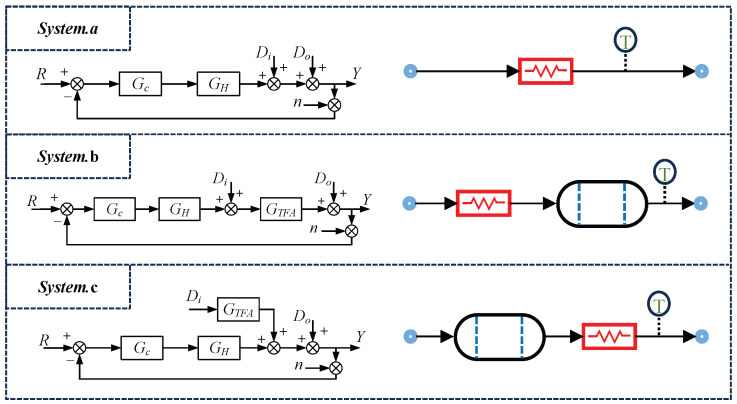 Figure 1
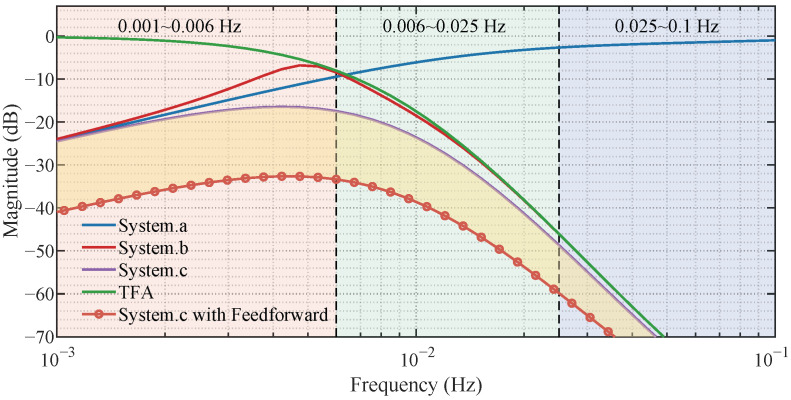 Figure 2
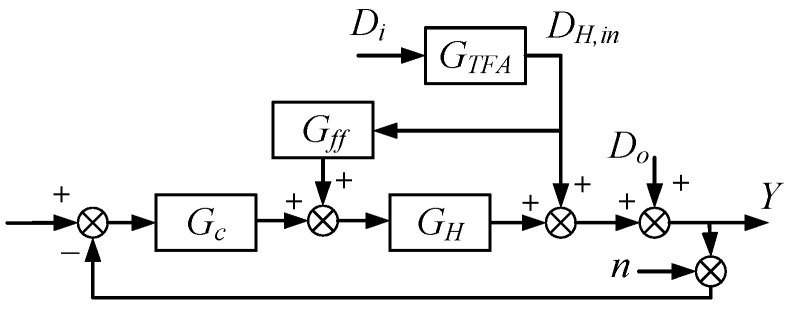 Figure 3
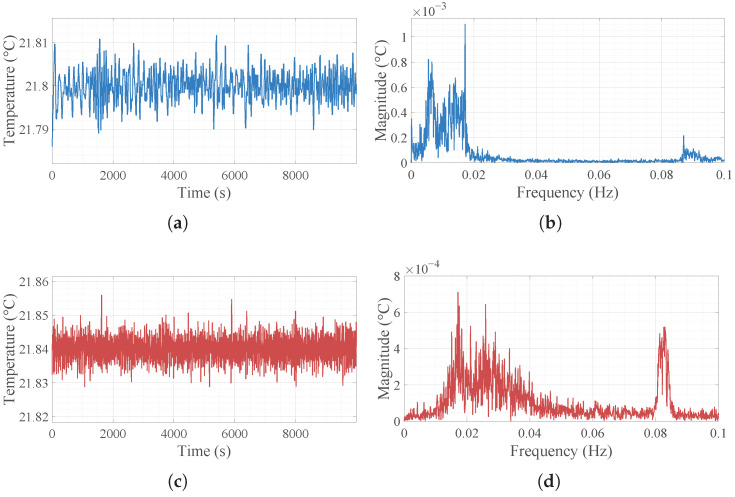 Figure 4
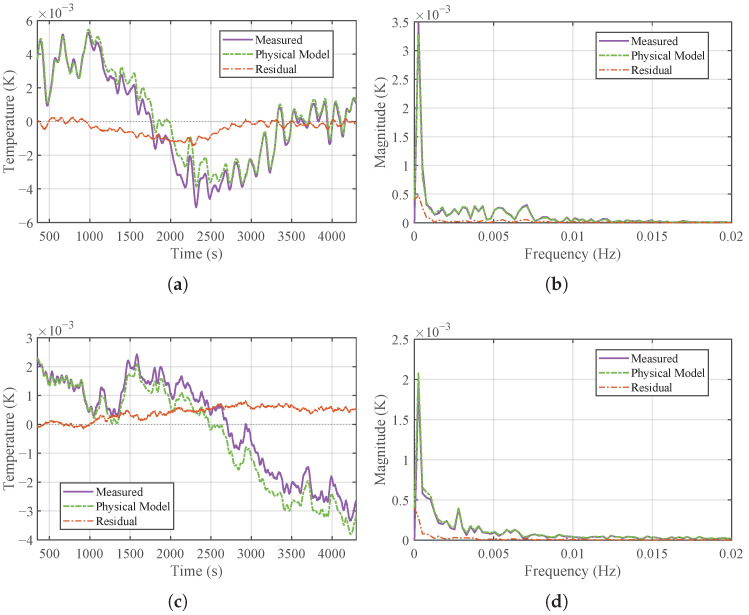 Figure 5
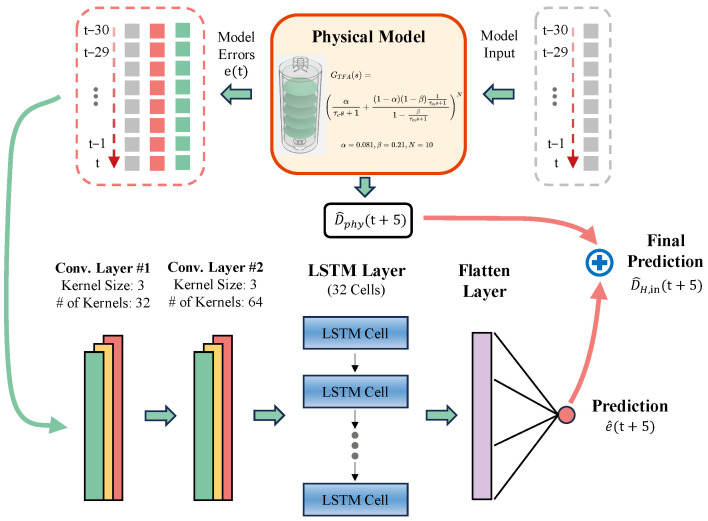 Figure 6
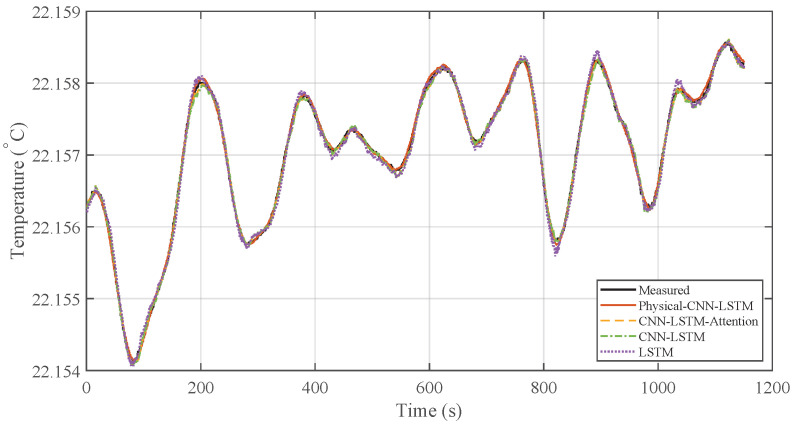 Figure 7
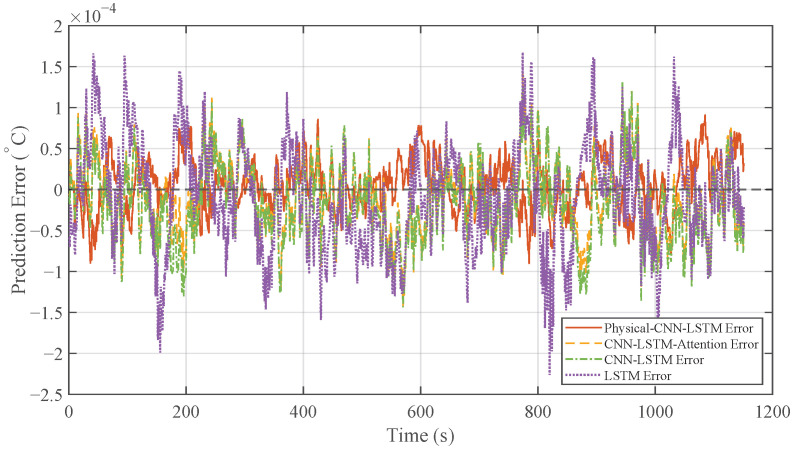 Figure 8
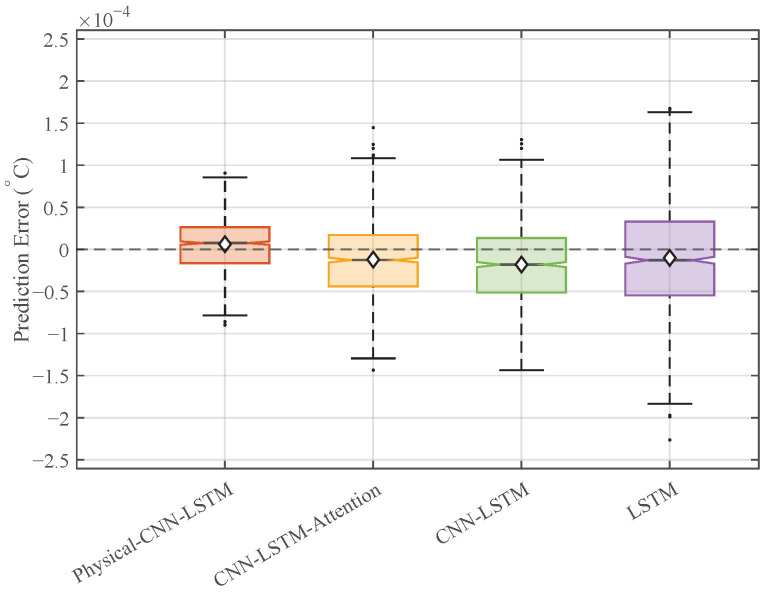 Figure 9
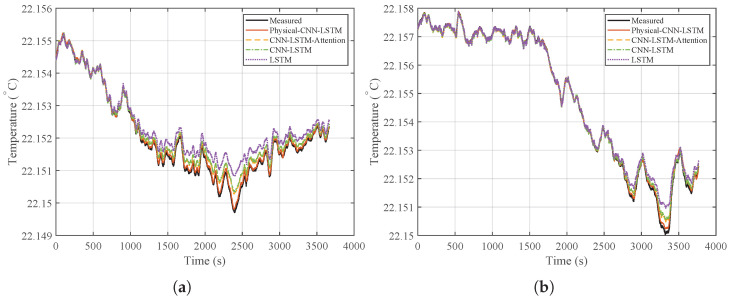 Figure 10
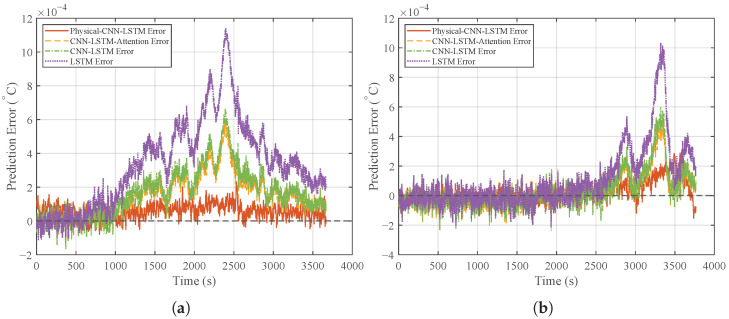 Figure 11
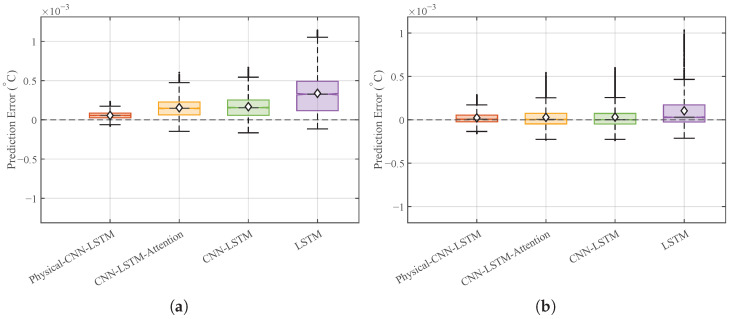 Figure 12
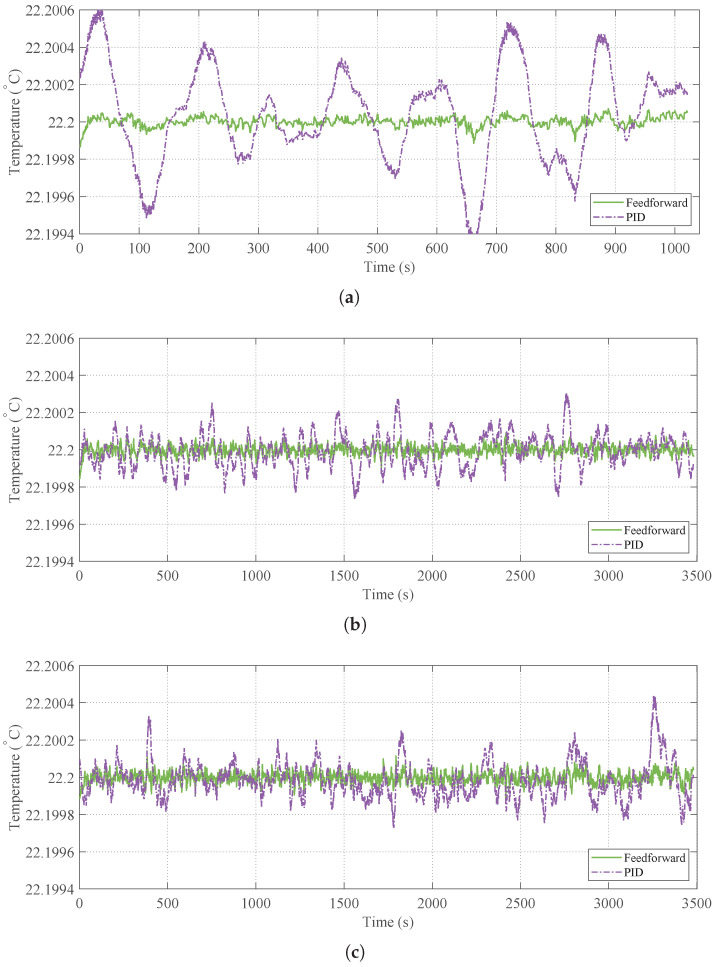 Figure 13
Peer Reviews
No public reviews on file for this paper yet. If you reviewed it on a platform where reviews are public (OpenReview, ICLR, NeurIPS, ICML), you can paste yours below so the community can read it here.
Videos
No videos yet. Explain this paper in a talk, walkthrough, or lecture? Add one.
Taxonomy
TopicsModel Reduction and Neural Networks · Silicon Carbide Semiconductor Technologies · Advanced Control Systems Design