Vari Morph Cast Iron—A High IQ Material—Structure, Properties, Ultrasonic Control, Technology and Industrial Application
Jerzy Stanisław Zych, Marcin Myszka, Janusz Postuła, Sylwia Kobyłecka

TL;DR
Researchers developed a new type of cast iron called Vari-Morph, which has unique properties based on the shape and proportion of graphite precipitates, and they found strong correlations between ultrasonic wave velocity and material properties.
Contribution
The paper introduces empirical relationships linking ultrasonic wave velocity to physical and mechanical properties of Vari-Morph cast iron, enabling non-destructive material assessment.
Findings
A strong correlation (R > 0.90) was found between ultrasonic wave velocity (CL) and the graphite shape indicator (fK) in Vari-Morph cast iron.
New empirical relationships were established between ultrasonic wave velocity and properties like thermal conductivity, strength, and fatigue resistance.
These relationships allow non-destructive evaluation of Vari-Morph cast iron properties using ultrasonic measurements.
Abstract
Cast iron, whose structure simultaneously contains graphite precipitates in various forms, with controlled proportions of individual forms, has been named “Vari-Morph” (VM) cast iron by the authors. The authors have been researching the properties of such cast iron for many years, and the results are being published successively. This new type of cast iron, not included in national (Polish) or European standards, is intended as a material for special-purpose castings. These castings have unique requirements for a set of properties: physical, mechanical, and functional. VM cast iron is characterized by a set of properties that cannot be achieved when the graphite is uniform in shape. The desired properties of VM cast iron are achieved by controlling the morphology of graphite precipitates and the proportion of individual forms in the structure, rather than by changing the matrix. To…
Genes, proteins, chemicals, diseases, species, mutations and cell lines named across the full text — each resolved to its canonical identifier and authoritative record.
Click any figure to enlarge with its caption.
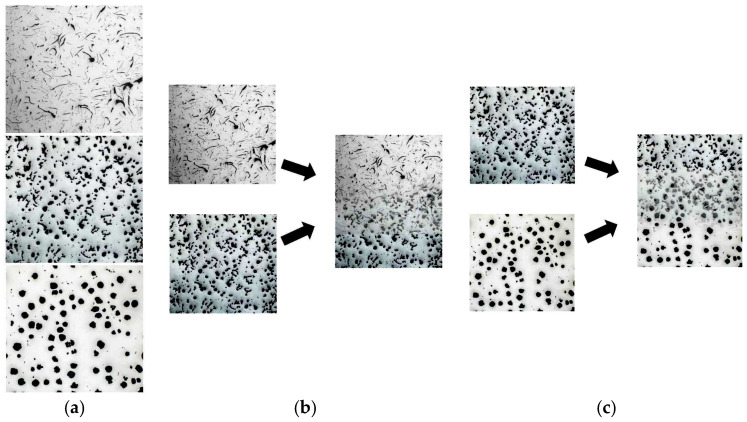 Figure 1
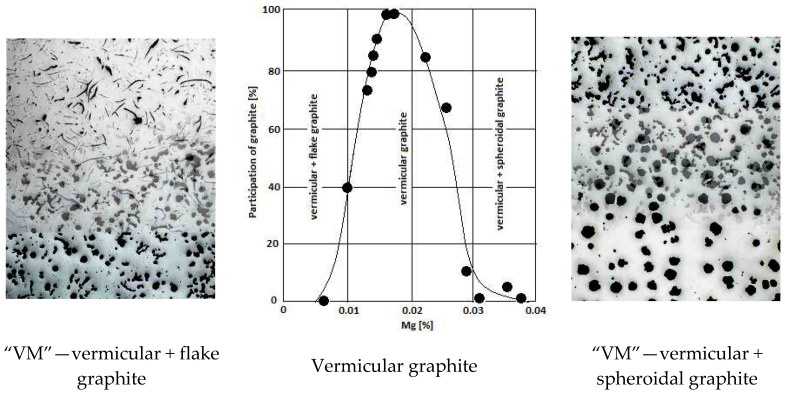 Figure 2
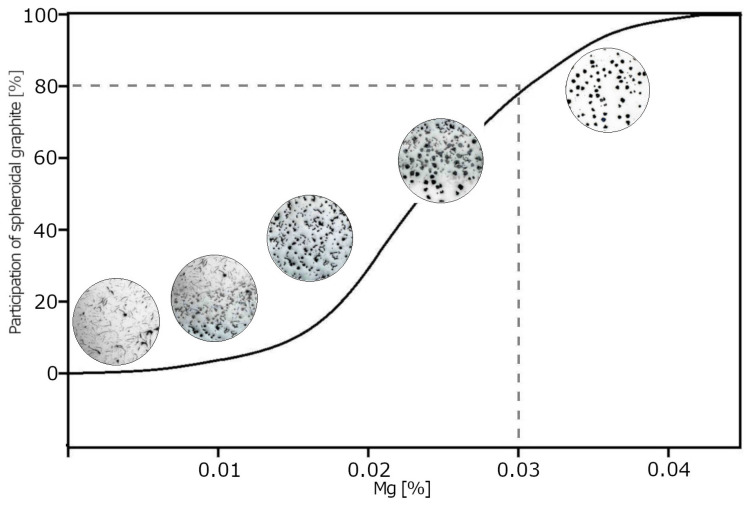 Figure 3
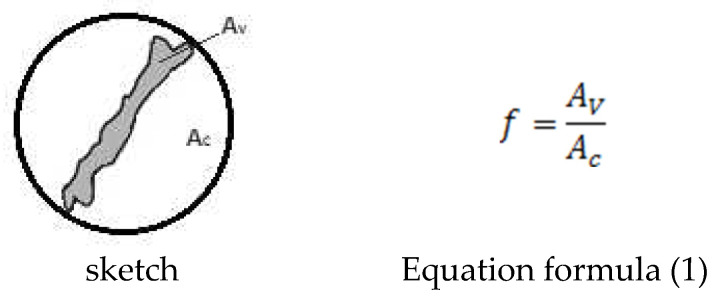 Figure 4
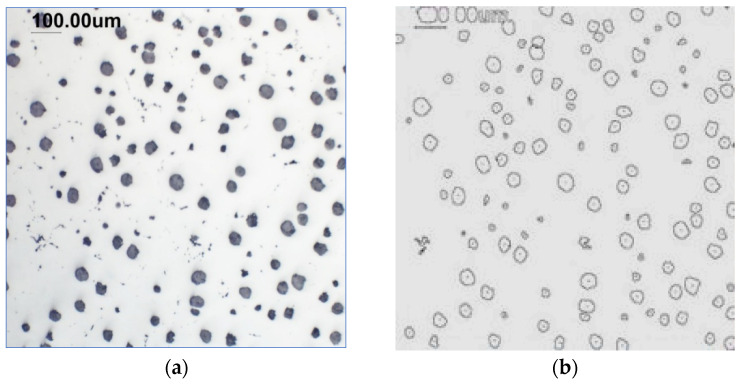 Figure 5
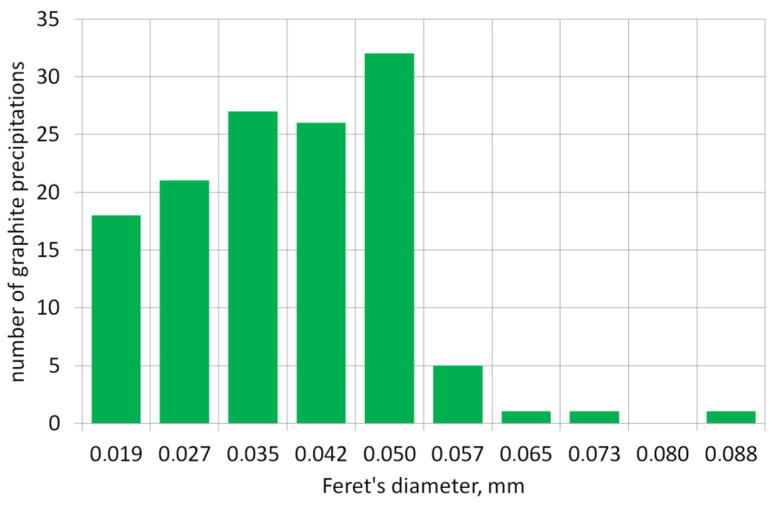 Figure 6
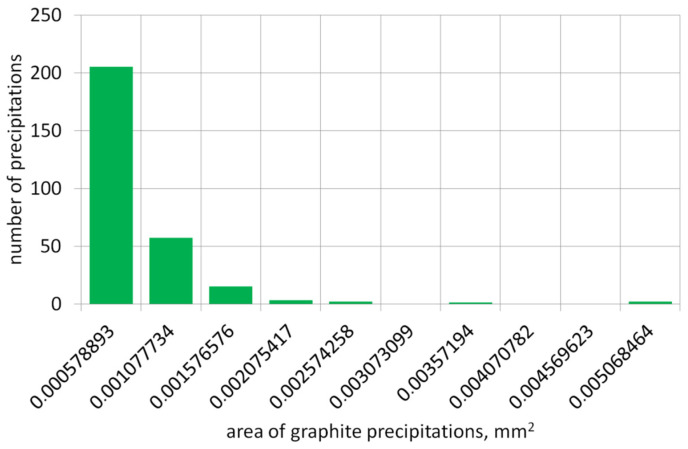 Figure 7
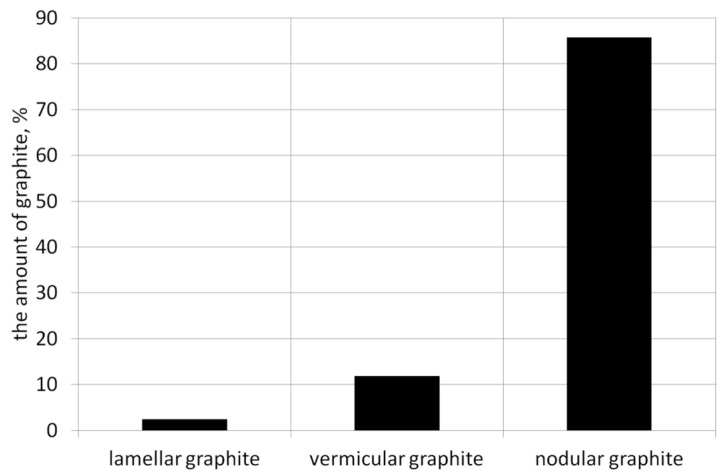 Figure 8
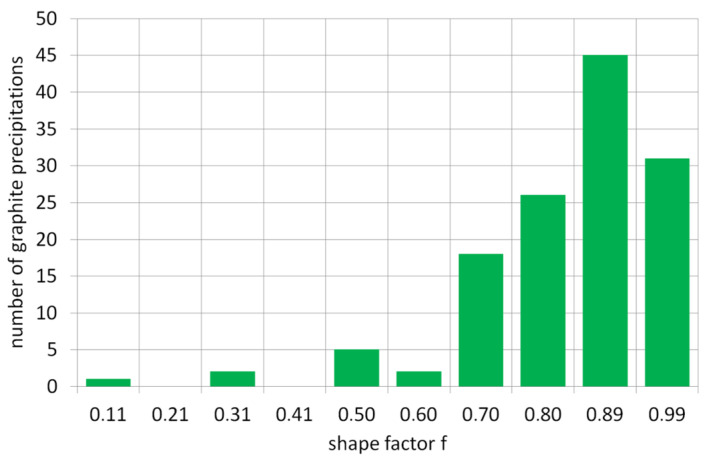 Figure 9
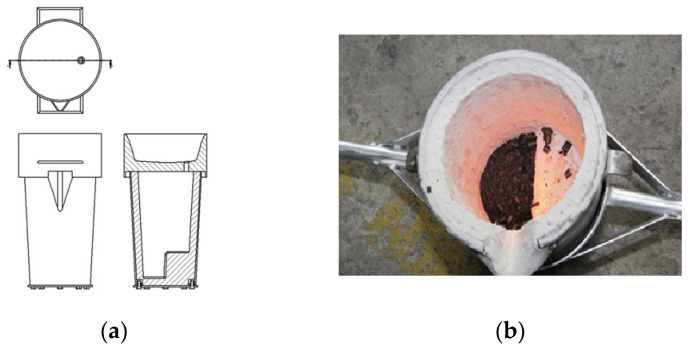 Figure 10
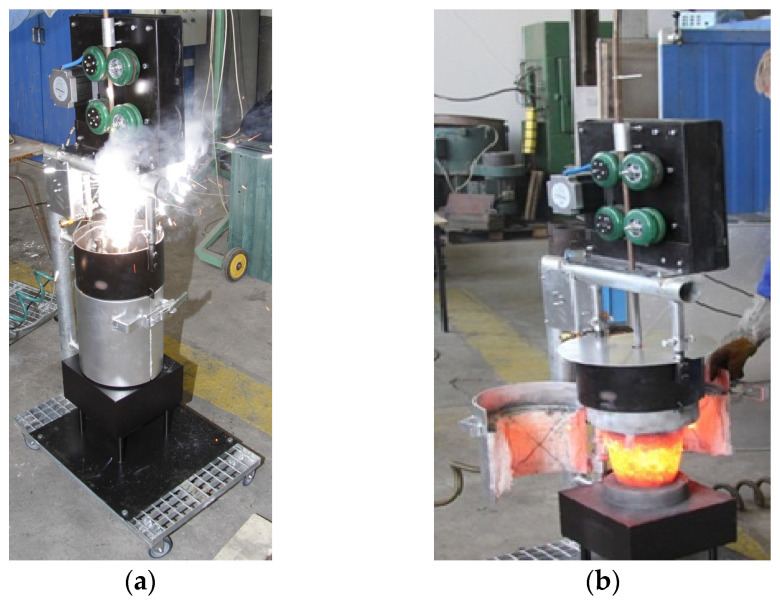 Figure 11
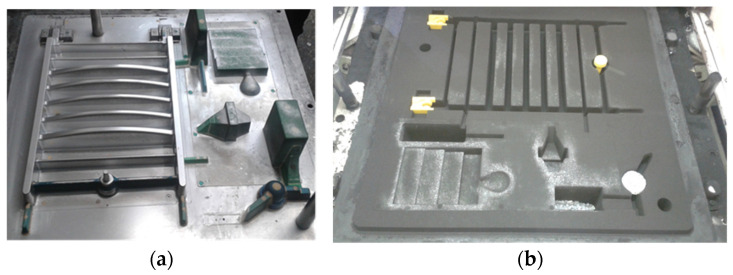 Figure 12
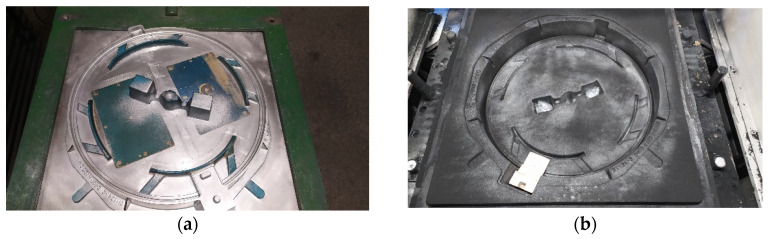 Figure 13
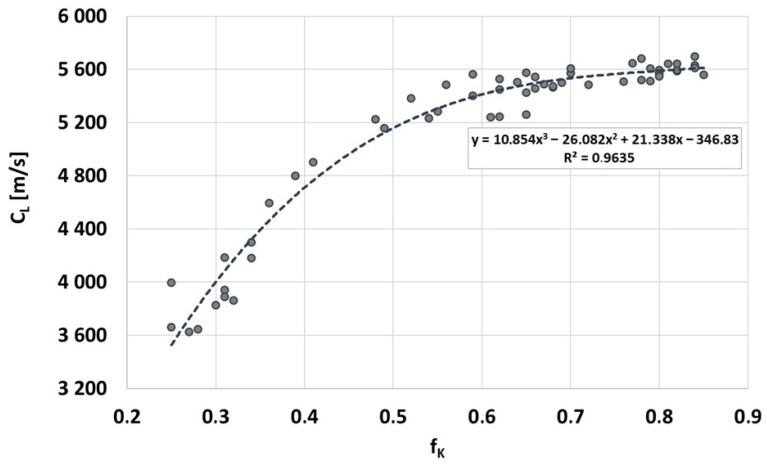 Figure 14
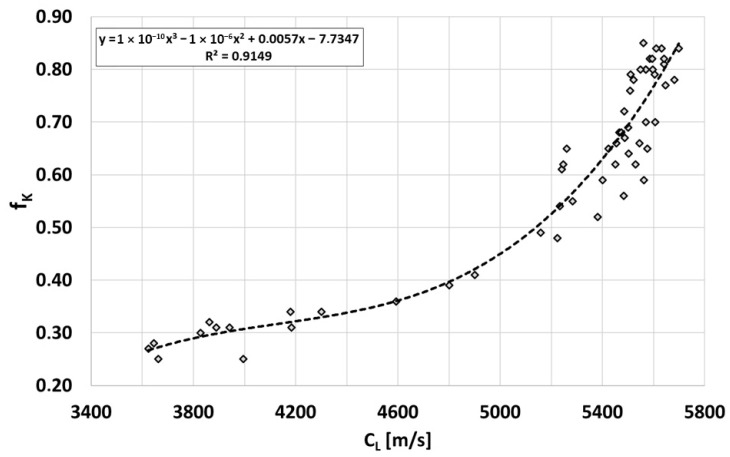 Figure 15
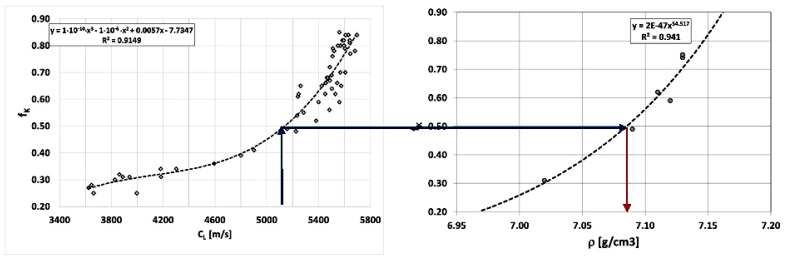 Figure 16
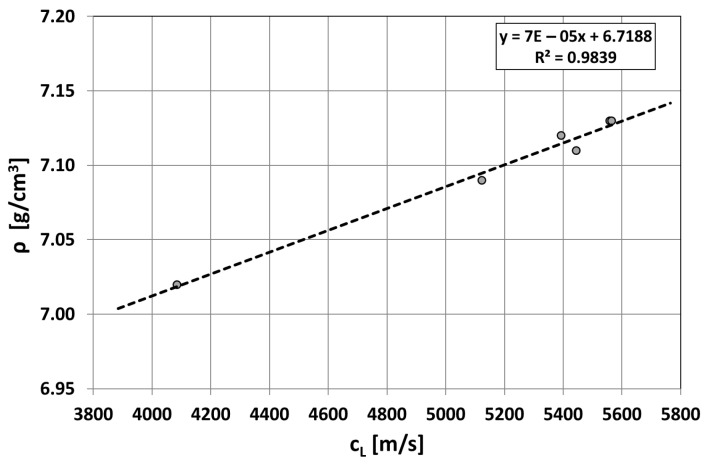 Figure 17
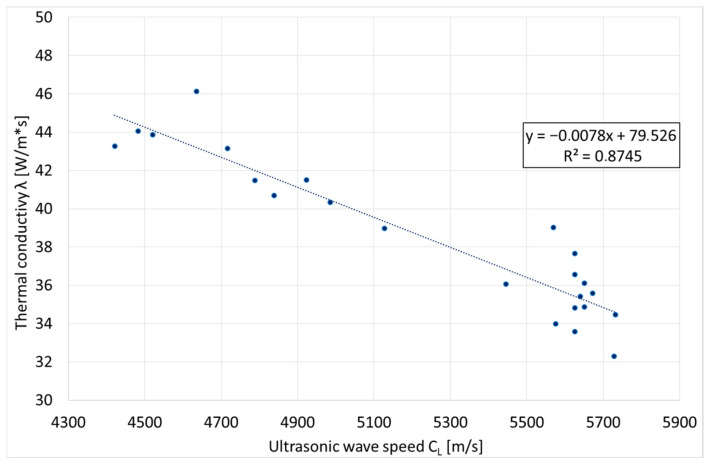 Figure 18
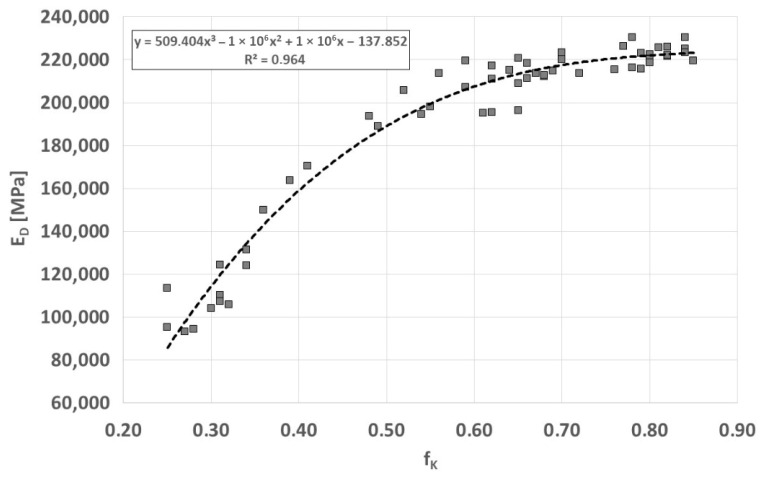 Figure 19
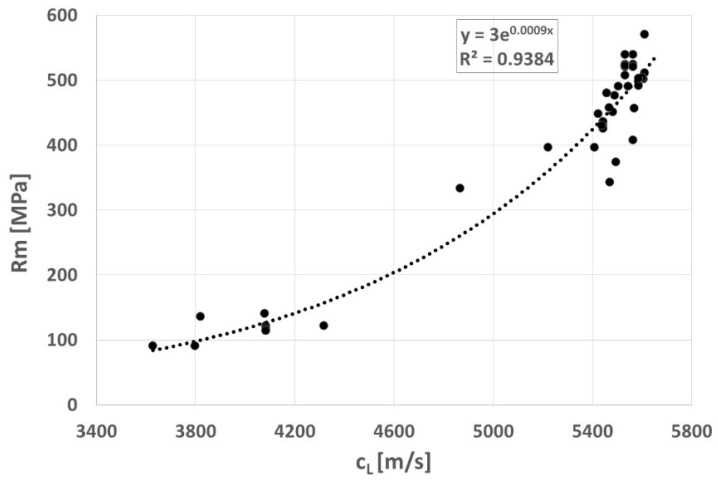 Figure 20
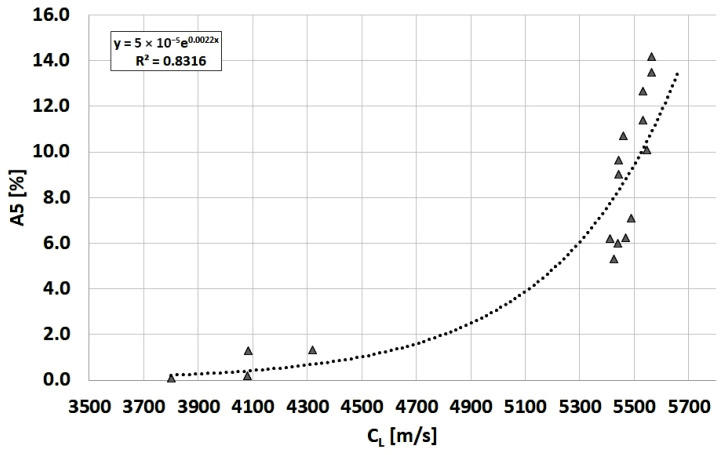 Figure 21
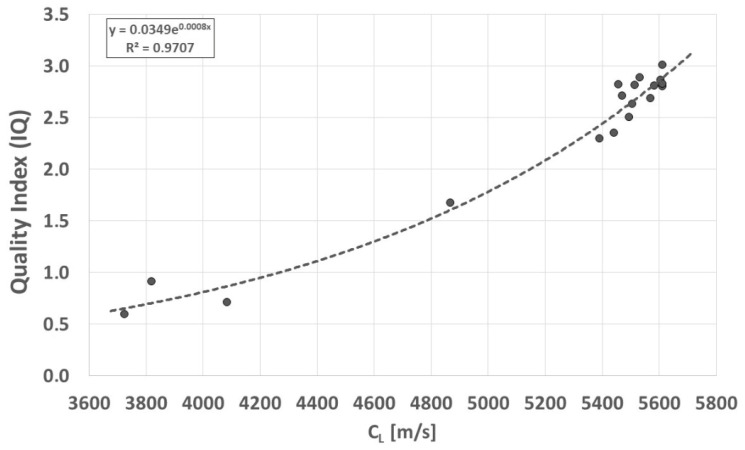 Figure 22
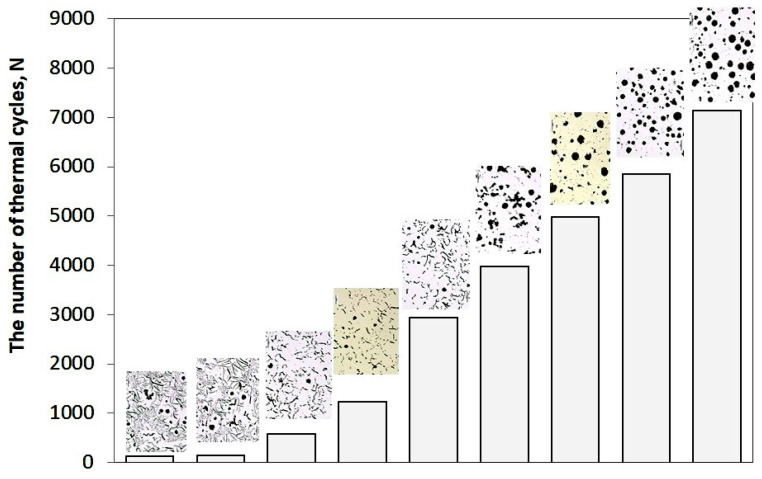 Figure 23
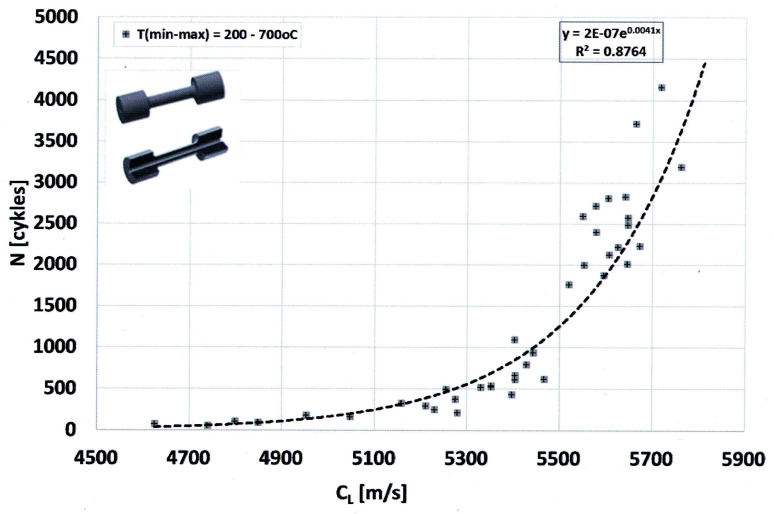 Figure 24
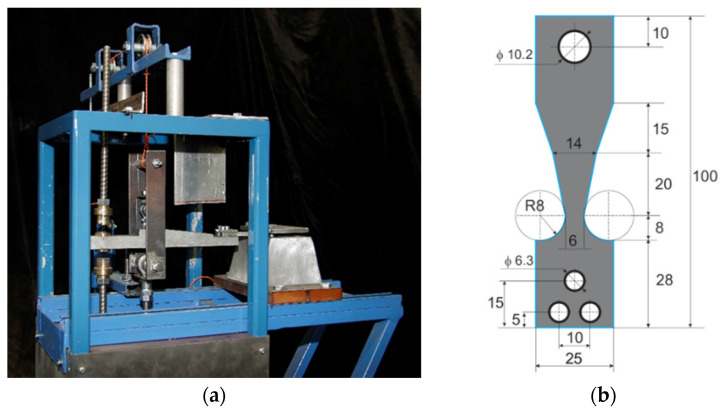 Figure 25
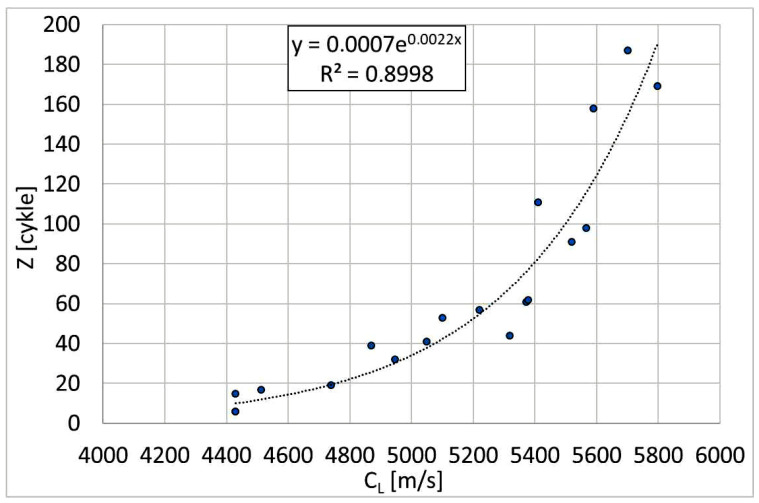 Figure 26
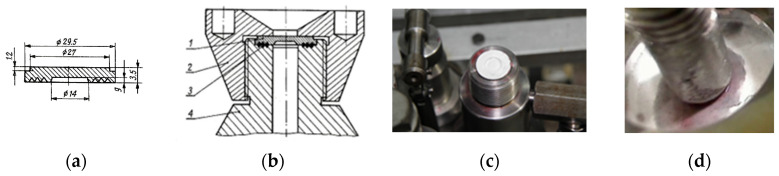 Figure 27
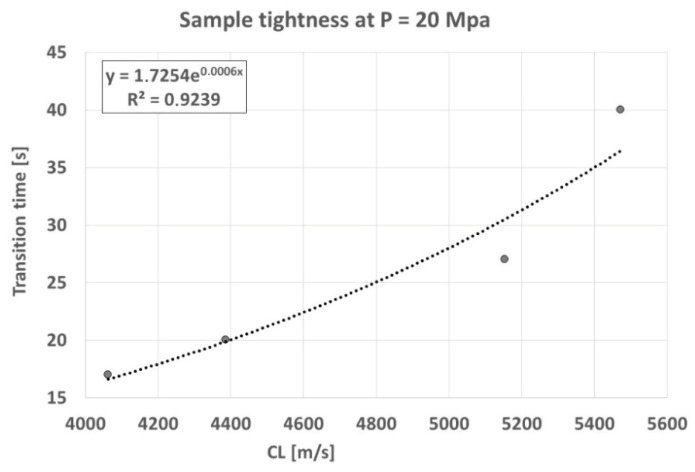 Figure 28
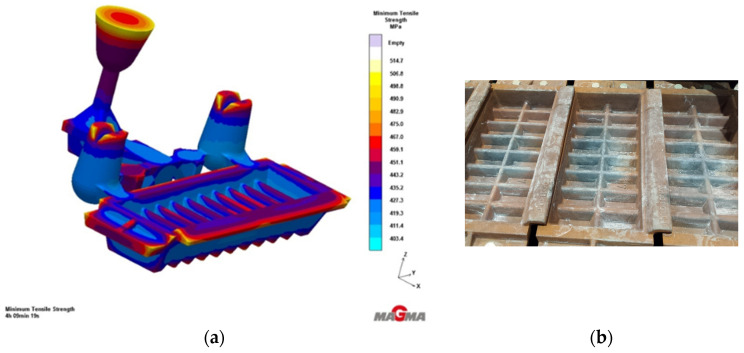 Figure 29
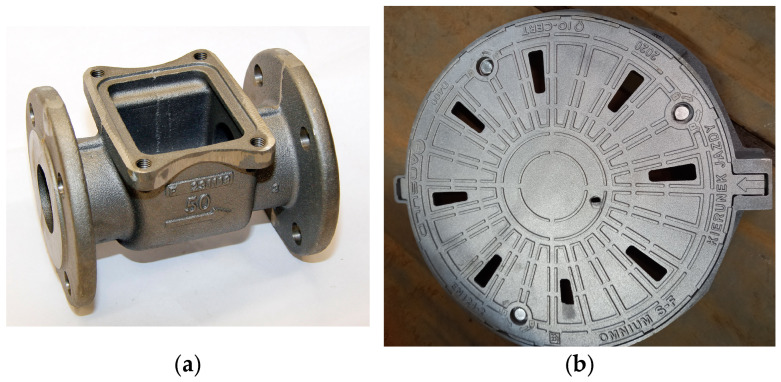 Figure 30
 Figure 31
 Figure 32
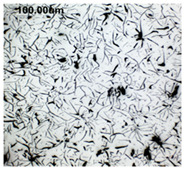 Figure 33
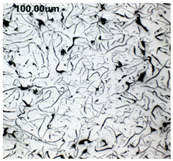 Figure 34
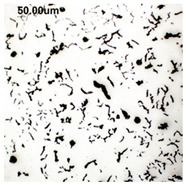 Figure 35
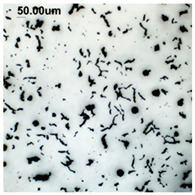 Figure 36
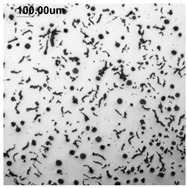 Figure 37
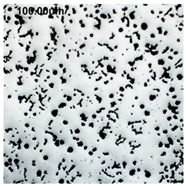 Figure 38
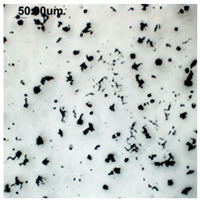 Figure 39
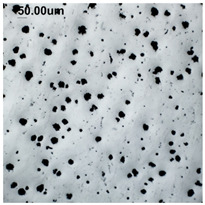 Figure 40
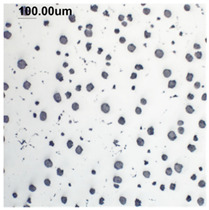 Figure 41
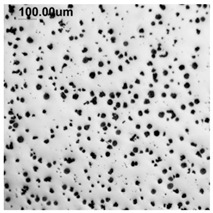 Figure 42
 Figure 43
 Figure 44
 Figure 45
 Figure 46
 Figure 47
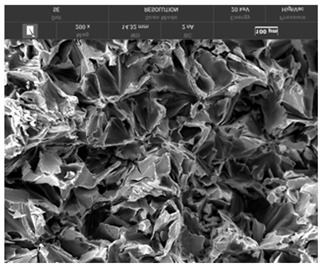 Figure 48
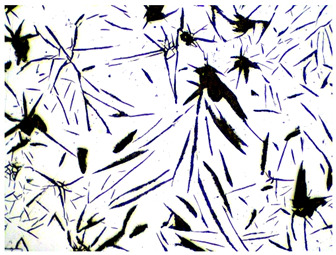 Figure 49
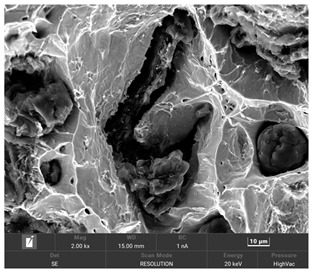 Figure 50
Peer Reviews
No public reviews on file for this paper yet. If you reviewed it on a platform where reviews are public (OpenReview, ICLR, NeurIPS, ICML), you can paste yours below so the community can read it here.
Videos
No videos yet. Explain this paper in a talk, walkthrough, or lecture? Add one.
Taxonomy
TopicsMechanical and Thermal Properties Analysis · Microstructure and Mechanical Properties of Steels · Engineering and Materials Science Studies