Microstructural Evolution and Mechanical Properties of LPBF Ti-6Al-4V with Different Process Parameters
Yuxin Shuai, Jie Liu, Jing Zhu, Zhichao Huang, Wenhao Zha, Yi Yang, Ruifeng Zhang, Kai Zhang

TL;DR
This study explores how different laser parameters affect the microstructure and mechanical properties of 3D-printed Ti-6Al-4V, showing that factors beyond energy density influence material behavior.
Contribution
The paper reveals distinct roles of laser power, scanning speed, and hatch distance in microstructural evolution and mechanical response of LPBF Ti-6Al-4V.
Findings
Lower scanning speeds and smaller hatch distances promote continuous <001>β epitaxial growth.
α’ lath thickness is most influenced by scanning speed, with secondary effects from hatch distance.
Residual stress is more sensitive to scanning speed, while bulk stress varies with hatch distance.
Abstract
Although processing windows have been widely reported for LPBF Ti-6Al-4V, the distinct roles of laser power, scanning speed, and hatch distance remain unclear beyond VED-based comparisons. In this work, the distinct effects of laser power, scanning speed, and hatch distance on the microstructural evolution and mechanical response of laser powder bed fusion (LPBF) Ti-6Al-4V (Ti64) are investigated within a stable processing window with comparisons among different parameter combinations at a comparable VED. A total of 56 processing conditions were designed, and microstructure/texture and properties were characterized by OM/SEM, EBSD, microhardness (HV0.5), and hole-drilling residual stress measurements. Within the selected processing window, prior-β grain morphology, α’ martensite thickness, texture, microhardness, and residual stress exhibit distinct sensitivities to different processing…
Genes, proteins, chemicals, diseases, species, mutations and cell lines named across the full text — each resolved to its canonical identifier and authoritative record.
Click any figure to enlarge with its caption.
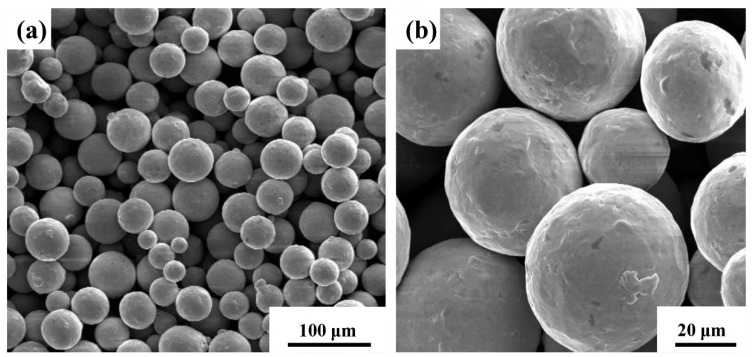 Figure 1
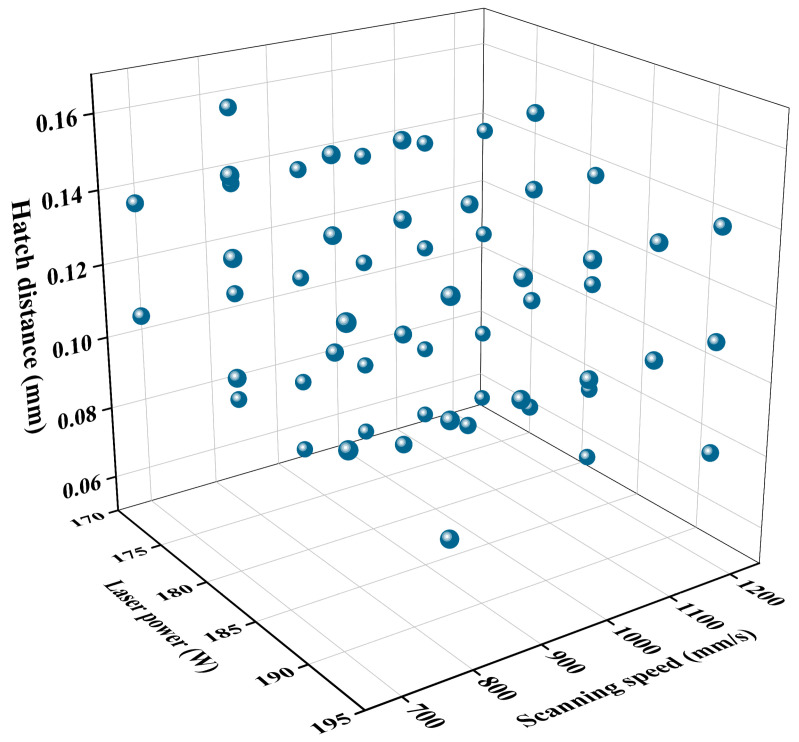 Figure 2
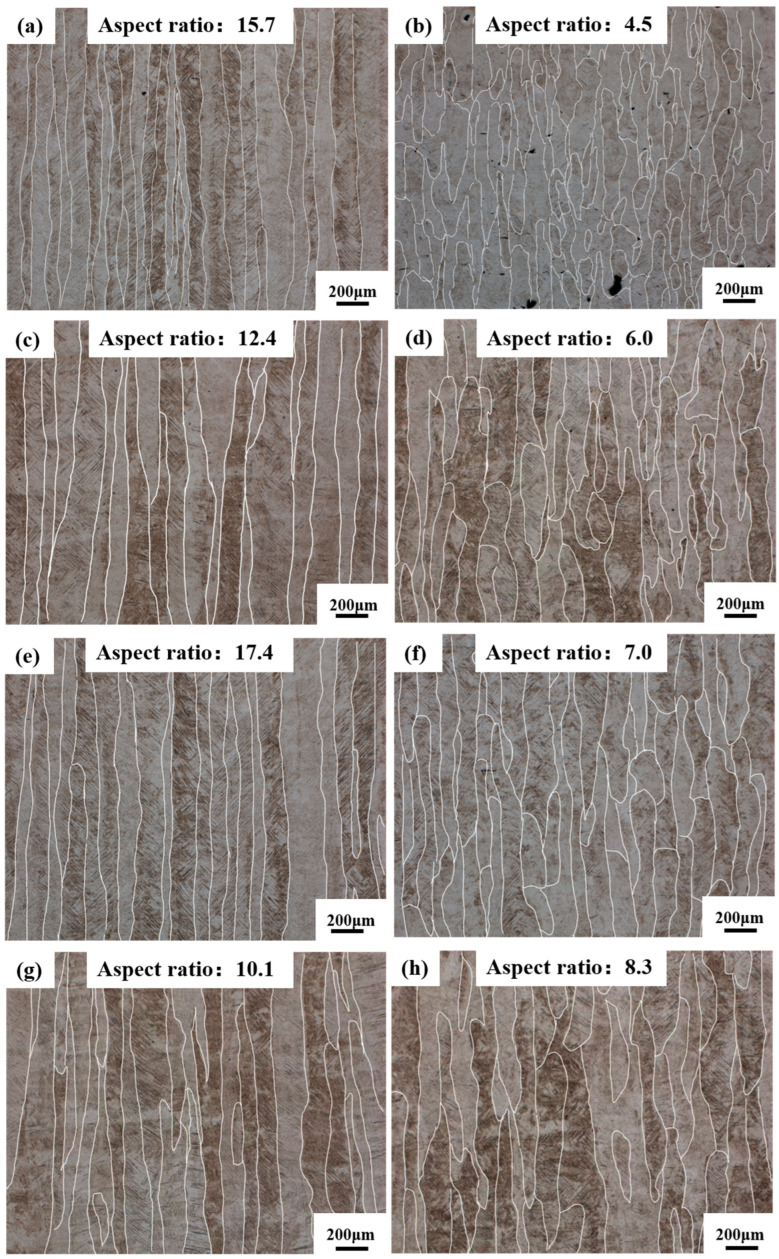 Figure 3
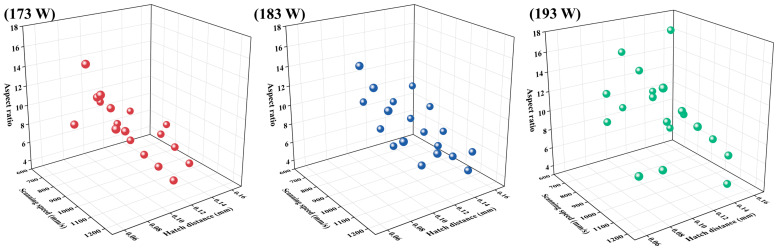 Figure 4
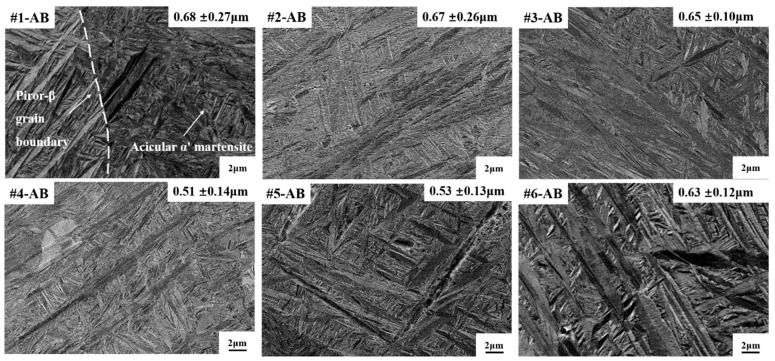 Figure 5
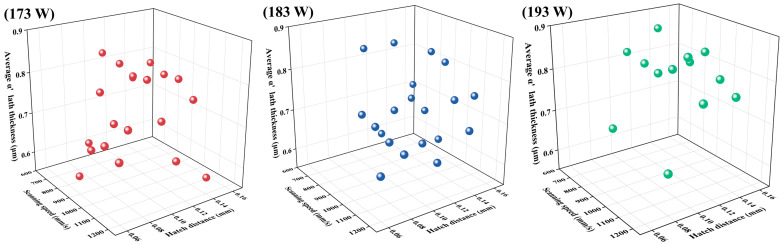 Figure 6
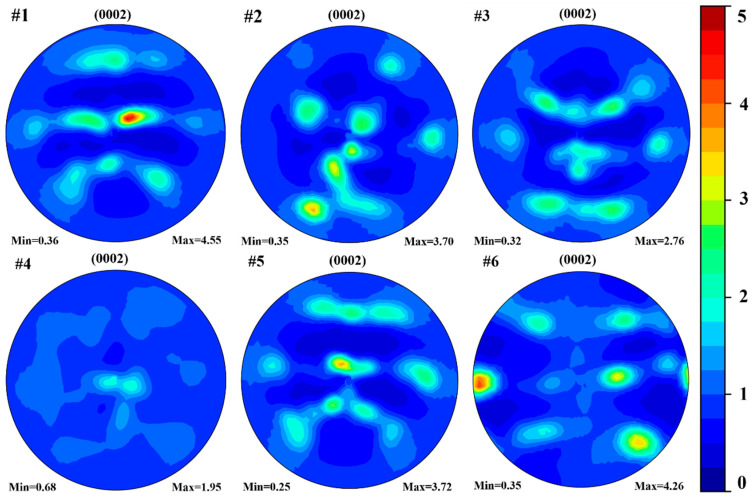 Figure 7
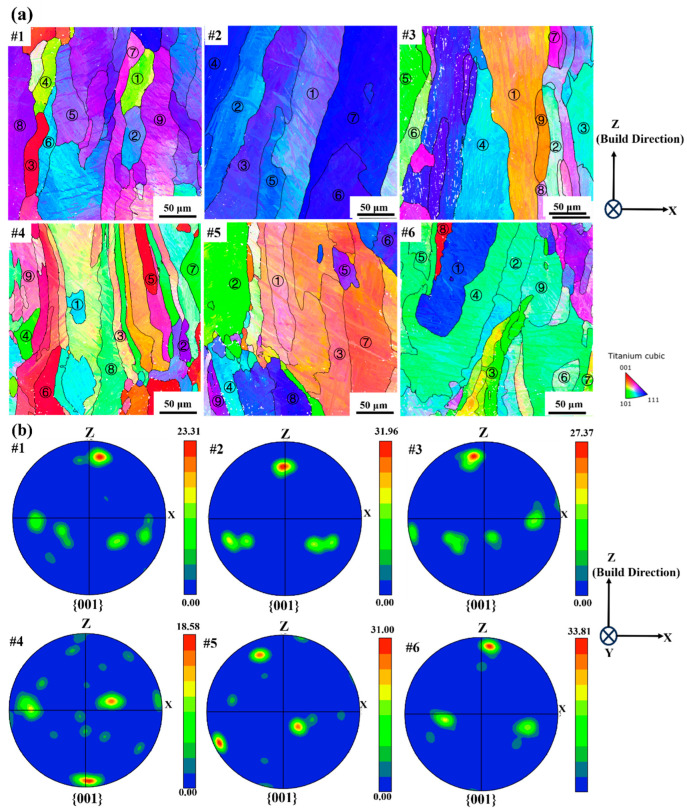 Figure 8
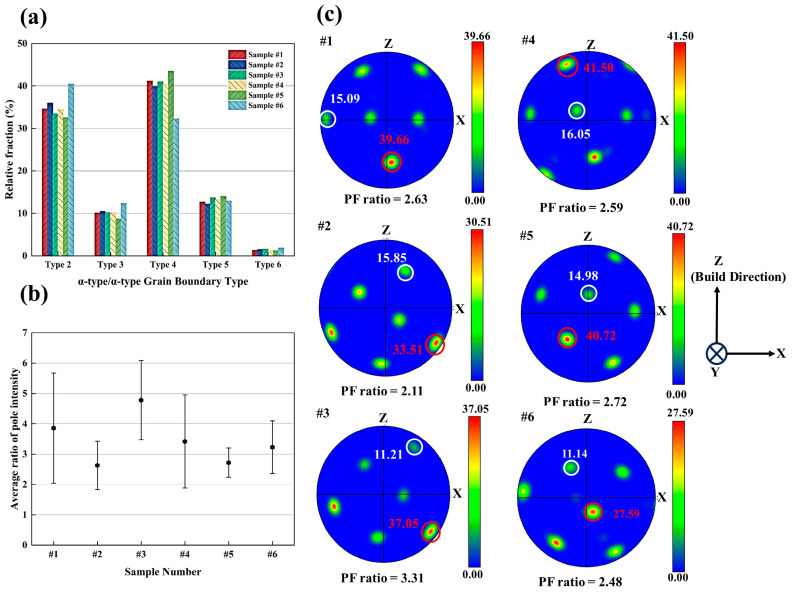 Figure 9
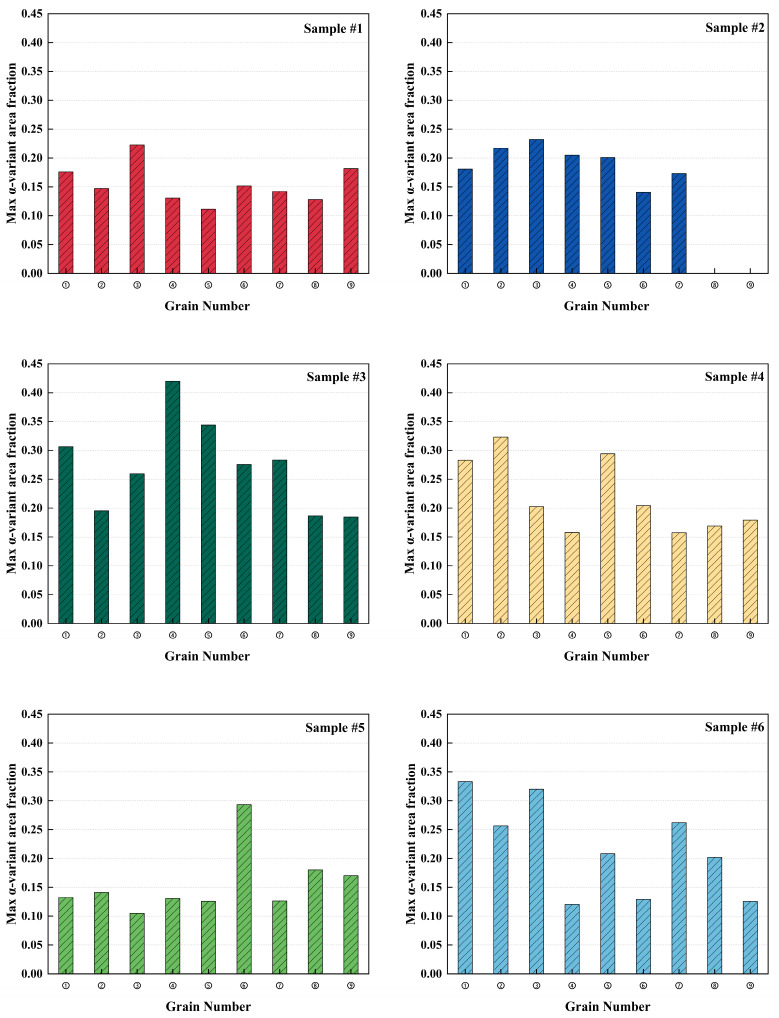 Figure 10
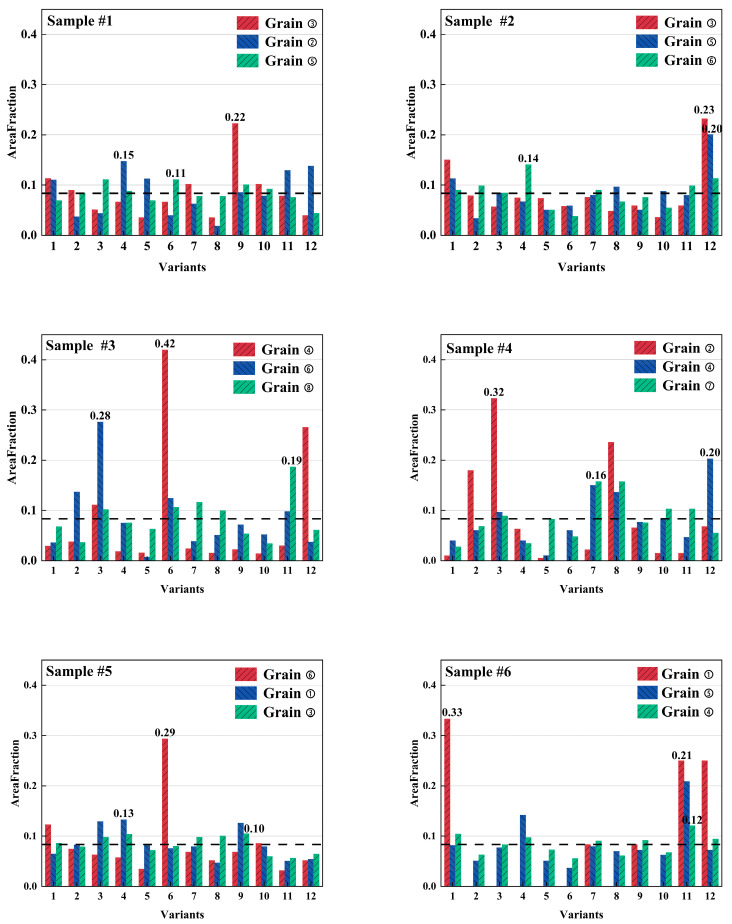 Figure 11
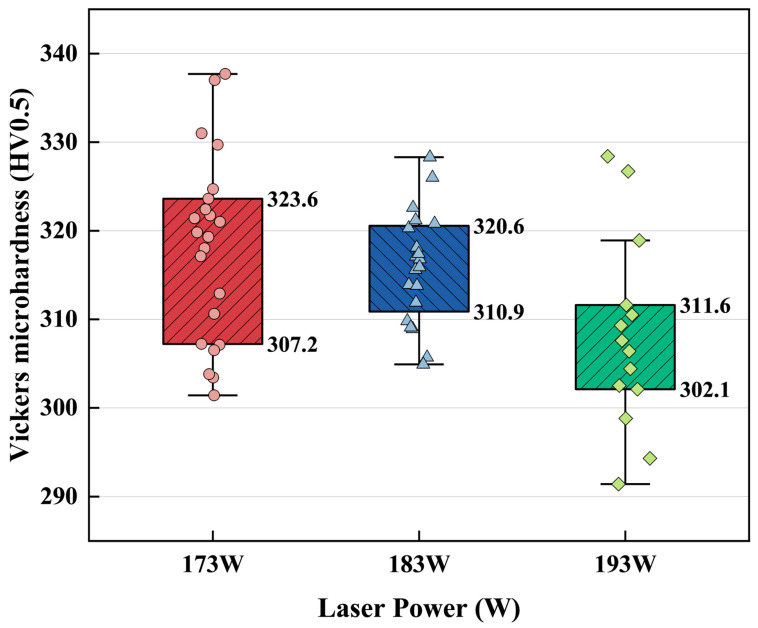 Figure 12
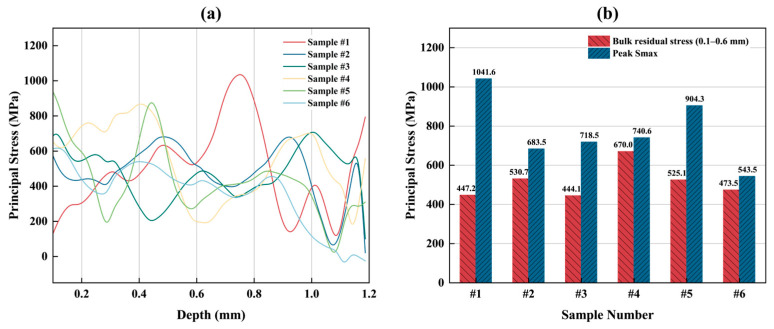 Figure 13
 Figure 14
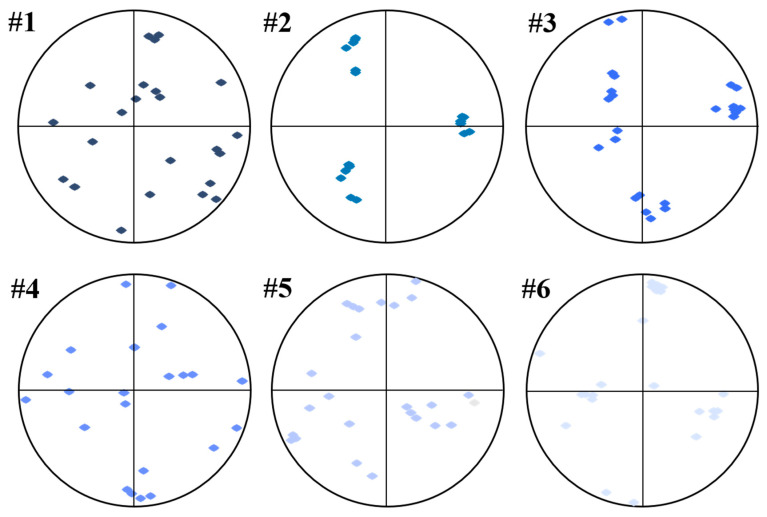 Figure 15
 Figure 16
Peer Reviews
No public reviews on file for this paper yet. If you reviewed it on a platform where reviews are public (OpenReview, ICLR, NeurIPS, ICML), you can paste yours below so the community can read it here.
Videos
No videos yet. Explain this paper in a talk, walkthrough, or lecture? Add one.
Taxonomy
TopicsAdditive Manufacturing Materials and Processes · Titanium Alloys Microstructure and Properties · High Entropy Alloys Studies