Comprehensive Characterization of Flavor Compounds in Dried Goji Berry (Lycium barbarum L.) Obtained from Different Origins with Different Drying Methods
Guoli Dai, Xinru He, Bo Zhang, Linyuan Duan, Yujing Wang, Yuzhou Zhang, Huiling Ma

TL;DR
This study explores how the origin and drying method of goji berries affect their flavor compounds and metabolites, offering insights into their quality and potential uses.
Contribution
The study identifies specific flavor compounds influenced by drying methods and origins, revealing key metabolic pathways in goji berries.
Findings
Aldehydes, esters, ketones, and alcohols are key secondary metabolites in goji berries from different origins and drying methods.
Compounds like Ethanol, 2-phenoxy- and Undecanal show higher accumulation in specific drying and origin combinations.
KEGG analysis highlights 'Arginine and proline metabolism' as a primary pathway during the goji berry drying process.
Abstract
Background: Lycium barbarum L. is gaining significant interest as a medicinal and culinary raw material. The quality and aroma are significantly influenced by metabolite accumulation, which differs based on origins and drying methods. Methods: This study utilizes gas chromatography–mass spectrometry (GC-MS) to analyze the metabolic profiles of the ‘Ningqi’ No. 1 variety from three distinct origins employing two drying techniques (natural sun drying, NSD; hot-air drying, HAD). The samples include Zhongping, Ningxia, with HAD (1-1); Zhongning, Ningxia, with NSD (1-2); Wuwei, Gansu, with NSD (1-3); Nuomuhong, Qinghai, with NSD (1-4); and Nuomuhong, Qinghai, with HAD (1-5). Results: The study found that aldehydes, esters, ketones and alcohol are key secondary metabolites generated during NSD and HAD treatments of goji berry from various regions. Flavor analysis revealed the compound…
Genes, proteins, chemicals, diseases, species, mutations and cell lines named across the full text — each resolved to its canonical identifier and authoritative record.
Click any figure to enlarge with its caption.
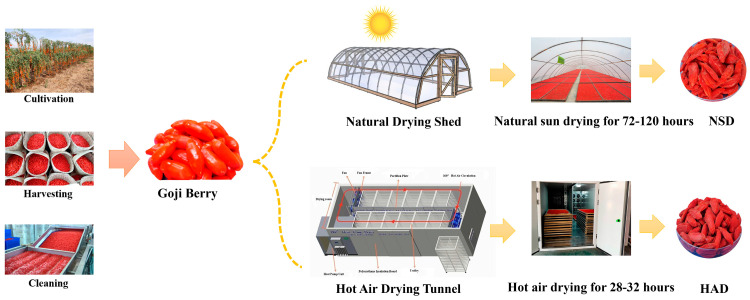 Figure 1
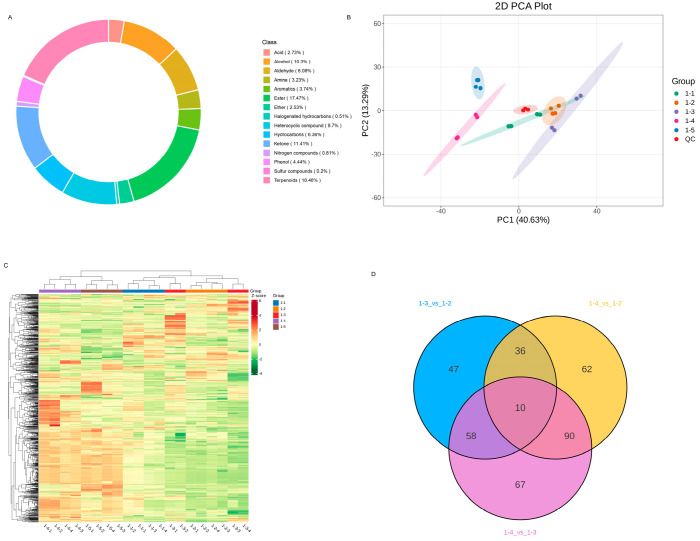 Figure 2
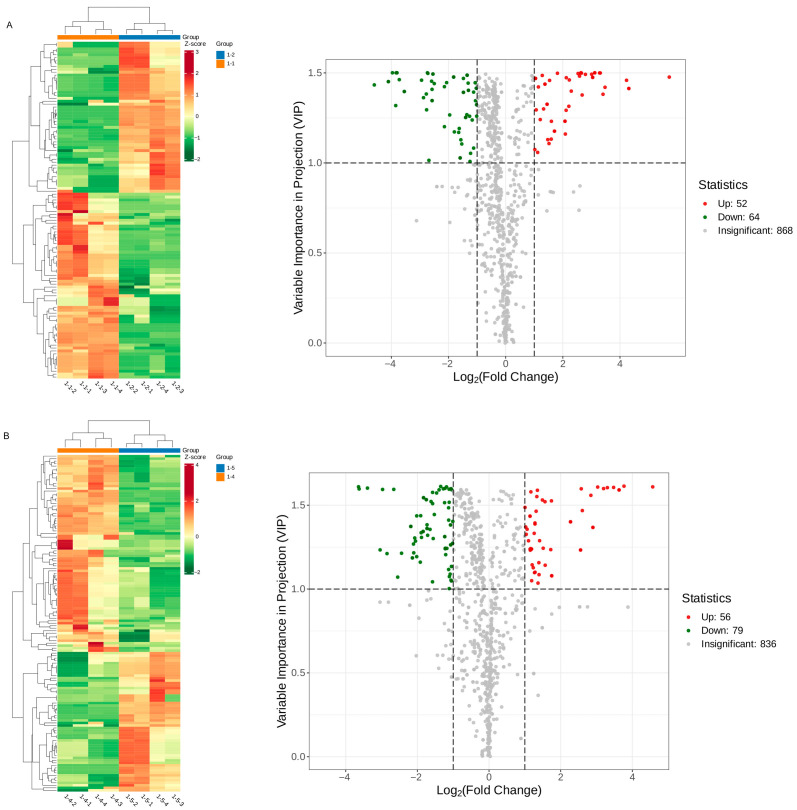 Figure 3
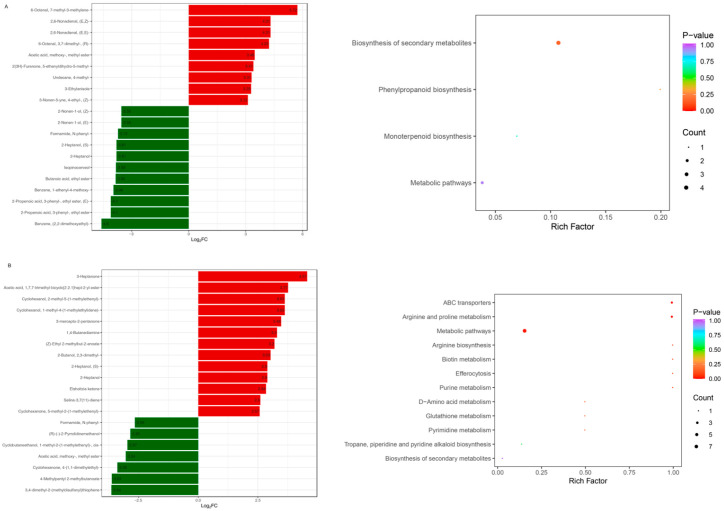 Figure 4
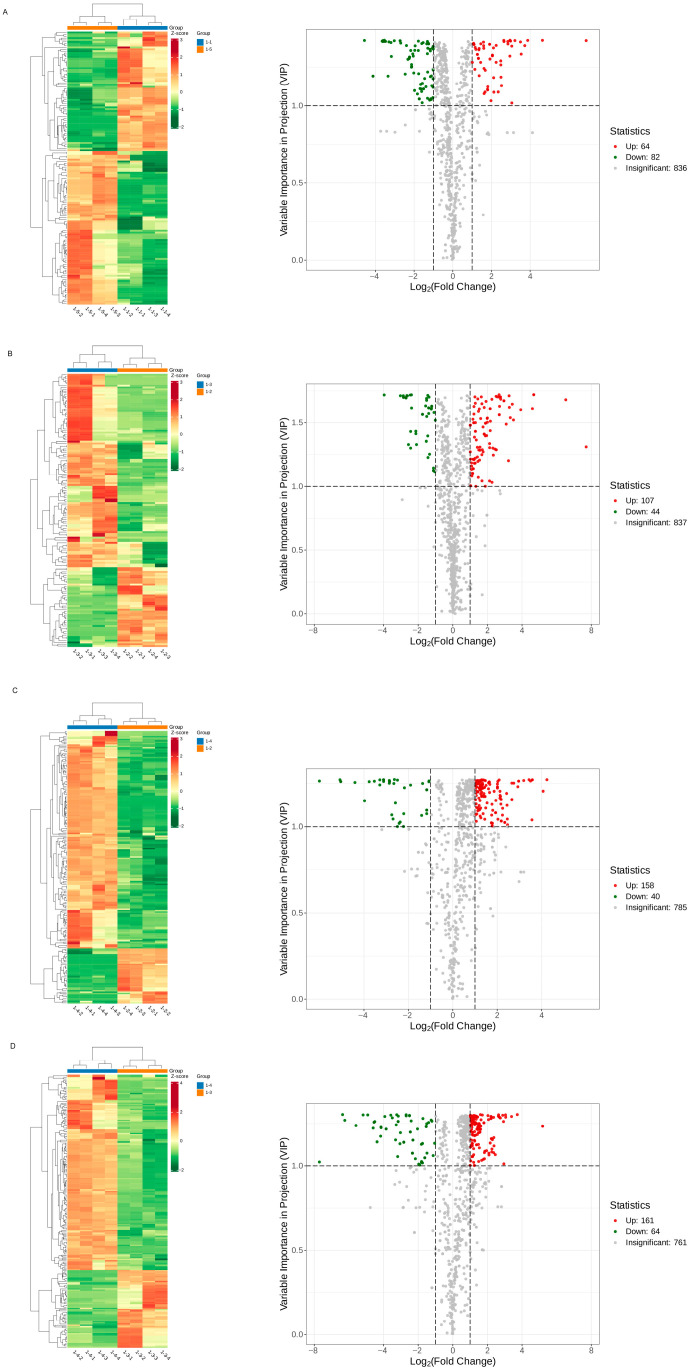 Figure 5
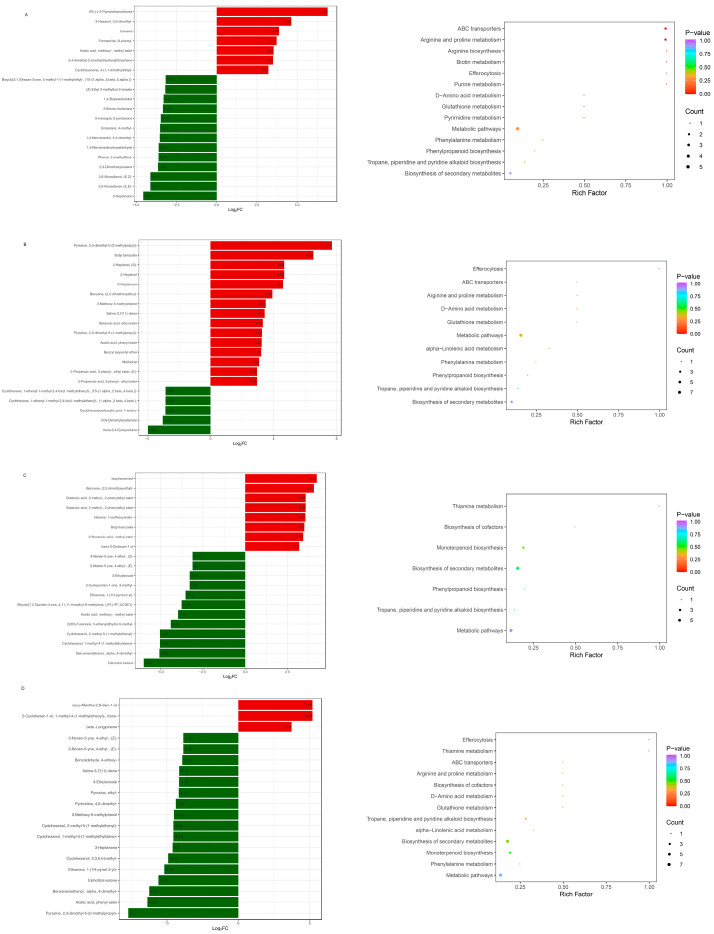 Figure 6
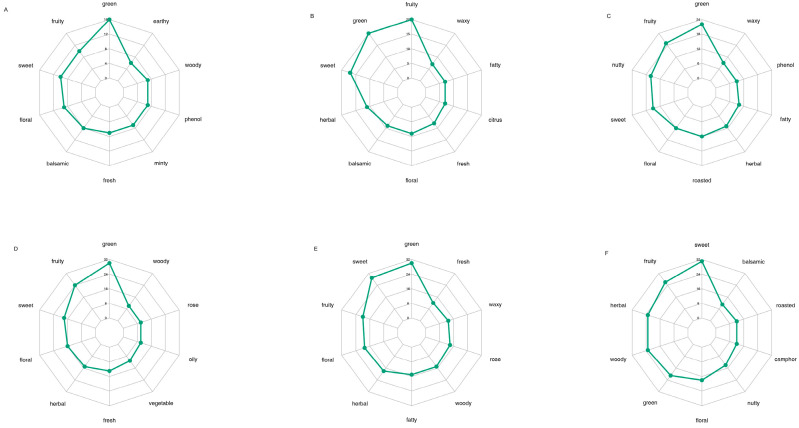 Figure 7
Peer Reviews
No public reviews on file for this paper yet. If you reviewed it on a platform where reviews are public (OpenReview, ICLR, NeurIPS, ICML), you can paste yours below so the community can read it here.
Videos
No videos yet. Explain this paper in a talk, walkthrough, or lecture? Add one.
Taxonomy
TopicsPolysaccharides and Plant Cell Walls · Fungal Biology and Applications · Polysaccharides Composition and Applications