Targeting the Sleep–Glymphatic–Vascular Continuum in Cerebral Small Vessel Disease: A Nutritional Perspective on Neuroprotective Potential of Tocotrienols (T3)
Dena Farysah Mazli, Zaw Myo Hein, Che Mohd Nasril Che Mohd Nassir, Ain Hafizah Alias, Sint Sint Win, Mohammad Farris Iman Leong Abdullah, Muhammad Zulfadli Mehat, Hafizah Abdul Hamid, Gehan El-Akabawy

TL;DR
This review explores how disrupted sleep affects brain waste clearance and vascular health in cerebral small vessel disease, and suggests that tocotrienols may offer neuroprotection.
Contribution
The paper introduces a novel framework linking sleep, glymphatic dysfunction, and vascular pathology in CSVD, and proposes tocotrienols as a potential therapeutic strategy.
Findings
Sleep fragmentation disrupts glymphatic function, contributing to CSVD pathology.
Tocotrienols may preserve endothelial function and reduce oxidative stress relevant to glymphatic health.
The sleep–glymphatic–vascular continuum is proposed as a key mechanism in CSVD progression.
Abstract
Cerebral small vessel disease (CSVD) is a leading cause of stroke, cognitive impairment, and vascular dementia, yet disease-modifying therapeutic strategies remain limited. Emerging evidence suggests that sleep fragmentation (SF), a common and often under-recognized feature of aging and cardiometabolic disorders, plays a pivotal role in CSVD pathogenesis by disrupting the glymphatic system, the brain’s primary waste clearance pathway. Sleep-dependent glymphatic function facilitates the removal of neurotoxic metabolites and maintains neurovascular homeostasis. In contrast, SF impairs cerebrospinal fluid (CSF)–interstitial fluid (ISF) exchange, promotes perivascular space enlargement, endothelial dysfunction, blood–brain barrier (BBB) breakdown, and chronic neuroinflammation, hallmarks of CSVD. This review synthesizes current mechanistic, preclinical, and clinical evidence linking SF to…
Genes, proteins, chemicals, diseases, species, mutations and cell lines named across the full text — each resolved to its canonical identifier and authoritative record.
Click any figure to enlarge with its caption.
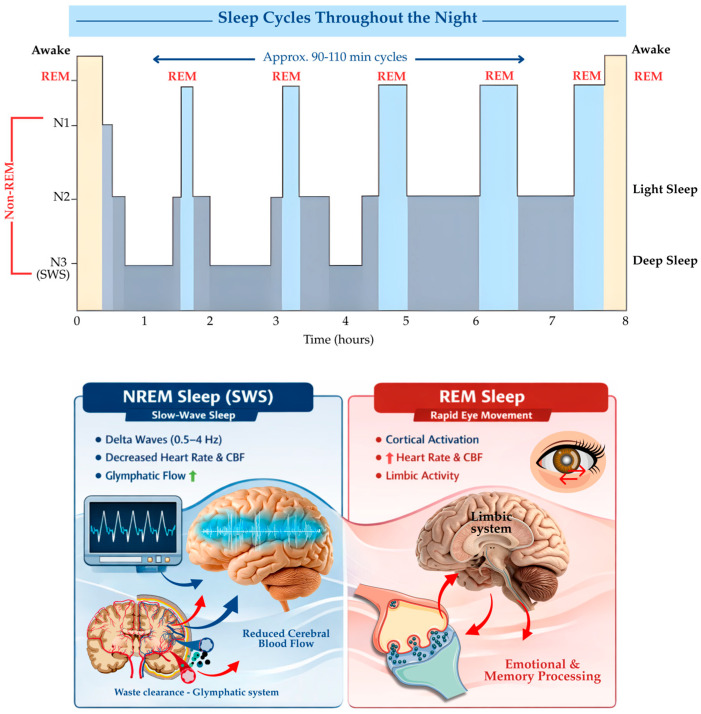 Figure 1
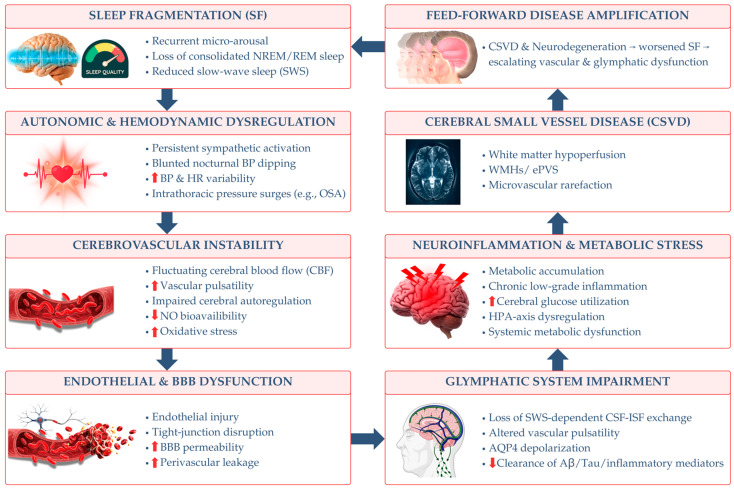 Figure 2
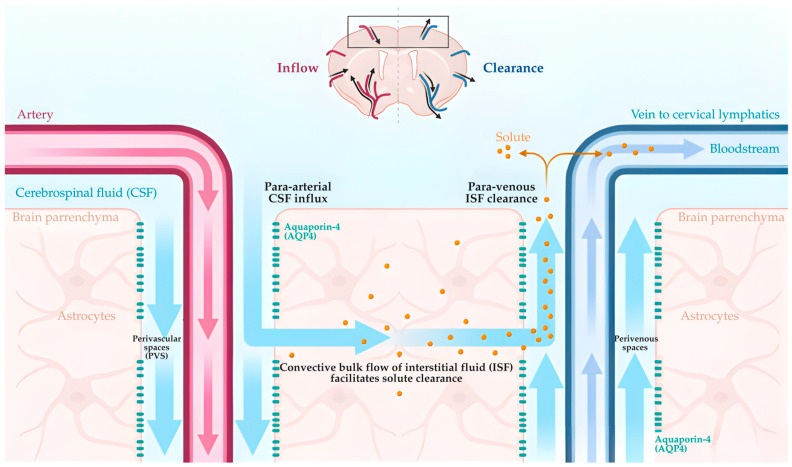 Figure 3
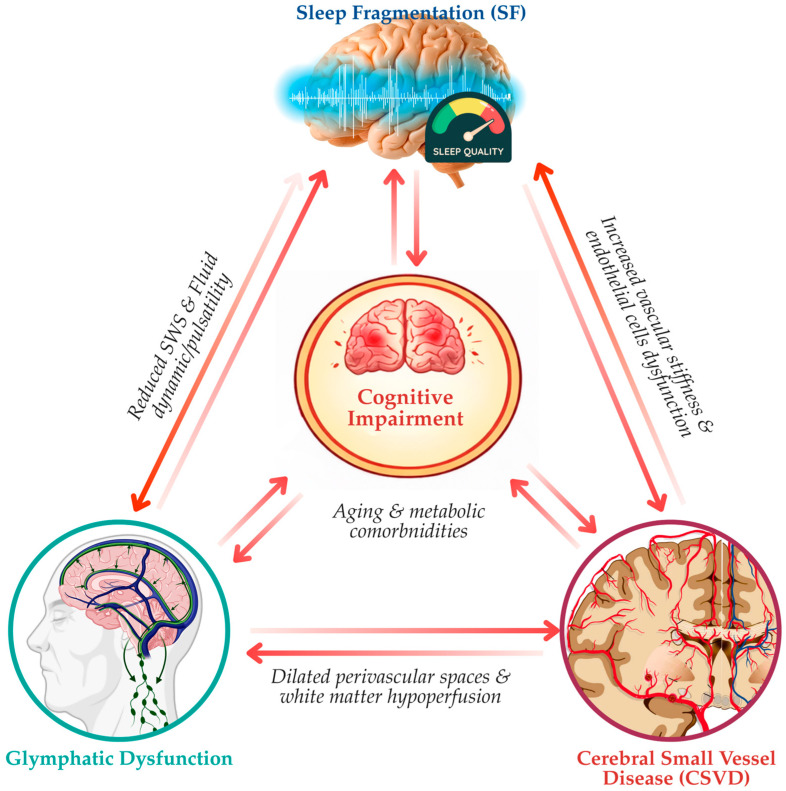 Figure 4
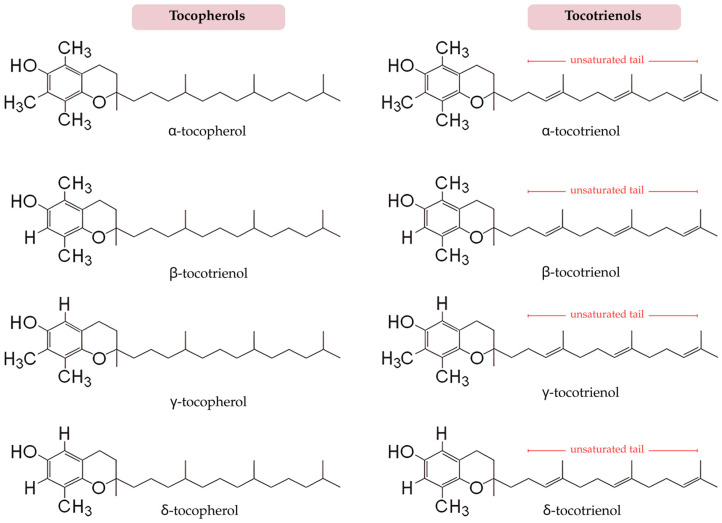 Figure 5
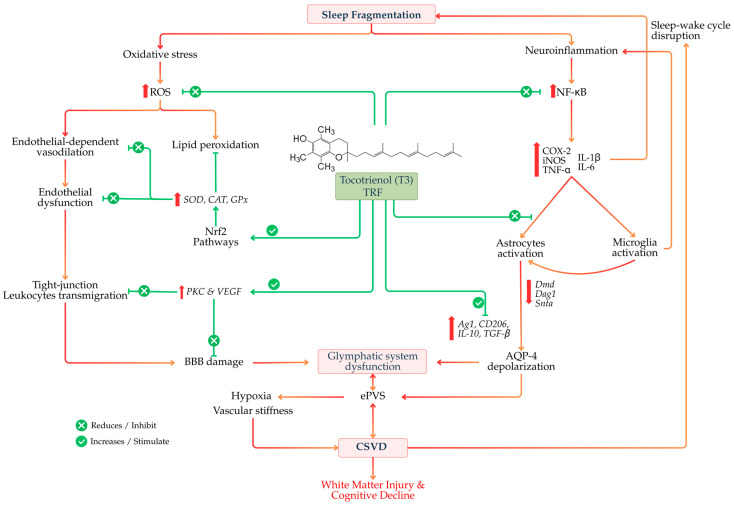 Figure 6
Peer Reviews
No public reviews on file for this paper yet. If you reviewed it on a platform where reviews are public (OpenReview, ICLR, NeurIPS, ICML), you can paste yours below so the community can read it here.
Videos
No videos yet. Explain this paper in a talk, walkthrough, or lecture? Add one.
Taxonomy
TopicsCerebrospinal fluid and hydrocephalus · Traumatic Brain Injury and Neurovascular Disturbances · Intracerebral and Subarachnoid Hemorrhage Research