Comparative Evaluation of Standard Cholangiography, Intravenous, and Intracholecystic Indocyanine Green Fluorescence Cholangiography During Elective Laparoscopic Cholecystectomy: Results of a Three-Arm Randomized Trial
Savvas Symeonidis, Ioannis Mantzoros, Orestis Ioannidis, Elissavet Anestiadou, Angeliki Koltsida, Panagiotis Christidis, Stefanos Bitsianis, Trigona Karastergiou, Stylianos Apostolidis, Vasileios Foutsitzis, Efstathios Kotidis, Manousos-Georgios Pramateftakis

TL;DR
This study compares three imaging techniques used during laparoscopic cholecystectomy to visualize bile ducts and finds that fluorescence-based methods are as effective as traditional X-ray techniques but faster and more satisfying for surgeons.
Contribution
The study provides a comparative evaluation of three cholangiography techniques in a randomized trial, highlighting the advantages of fluorescence-based methods.
Findings
Fluorescence-based techniques achieved 100% technical success, while standard cholangiography failed in some cases.
Fluorescence cholangiography was significantly faster than standard cholangiography.
Surgeons reported higher satisfaction with fluorescence methods, especially intravenous administration.
Abstract
Background and Objectives: Bile duct injury is a relatively rare, but critical complication of laparoscopic cholecystectomy and is most commonly attributed to misinterpretation of biliary anatomy. Intraoperative biliary imaging may enhance anatomical recognition and reduce operative uncertainty, yet the optimal imaging modality remains debated. This study aimed to compare conventional intraoperative X-ray cholangiography with two fluorescence-based techniques—intravenous and intracholecystic indocyanine green fluorescence cholangiography—with respect to biliary visualization, perioperative outcomes, and surgeon satisfaction during elective laparoscopic cholecystectomy. Materials and Methods: This prospective, single-center, single-blind randomized controlled trial included 240 adult patients scheduled for elective laparoscopic cholecystectomy between June 2021 and December 2022.…
Genes, proteins, chemicals, diseases, species, mutations and cell lines named across the full text — each resolved to its canonical identifier and authoritative record.
Click any figure to enlarge with its caption.
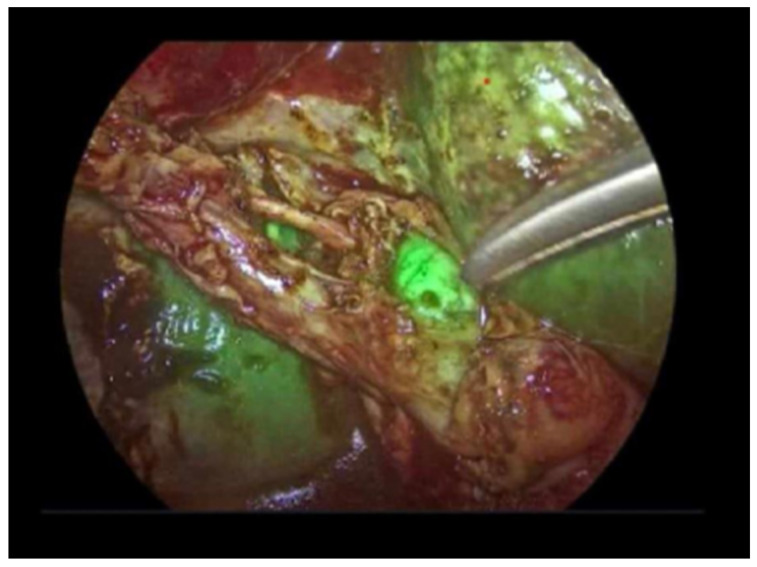 Figure 1
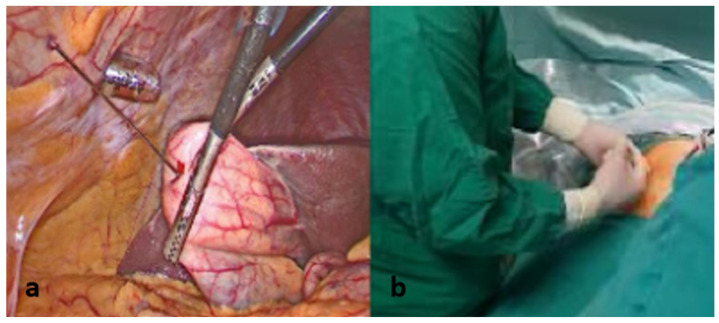 Figure 2
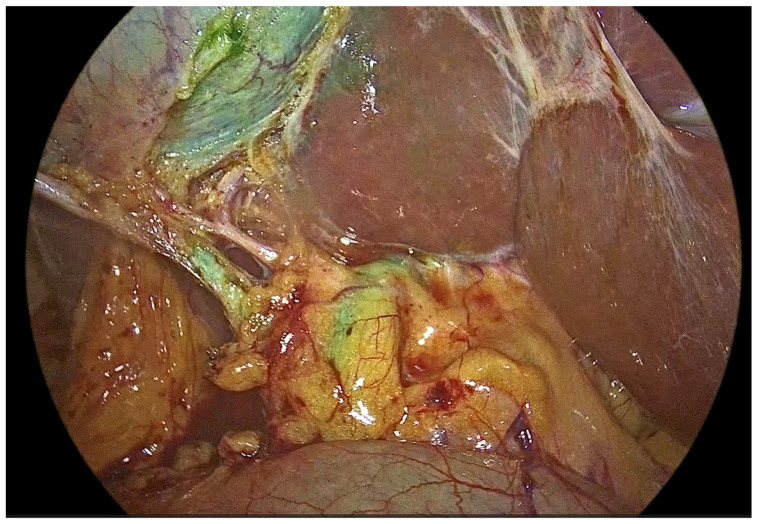 Figure 3
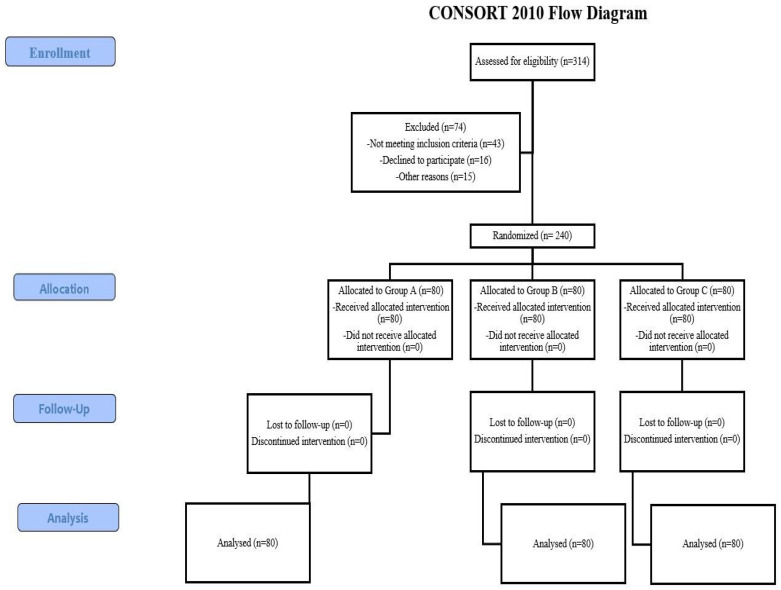 Figure 4
Peer Reviews
No public reviews on file for this paper yet. If you reviewed it on a platform where reviews are public (OpenReview, ICLR, NeurIPS, ICML), you can paste yours below so the community can read it here.
Videos
No videos yet. Explain this paper in a talk, walkthrough, or lecture? Add one.
Taxonomy
TopicsGallbladder and Bile Duct Disorders · Minimally Invasive Surgical Techniques · Pancreatic and Hepatic Oncology Research