A 3D-Printed Home-Based Arthroscopic Simulator Improves Basic Surgical Skills: A Prospective Comparative Multicentre Study
Marco Montemagno, Luigi Zaffarana, Flora Maria Chiara Panvini, Ludovico Lucenti, Alessandra Di Nora, Egidio Avarotti, Angelo Di Giunta, Gianluca Testa, Vito Pavone

TL;DR
A 3D-printed home-based simulator called Arthrozero helps orthopedic residents improve basic arthroscopic skills as effectively as real arthroscopy training.
Contribution
A low-cost, home-based 3D-printed simulator for arthroscopic skill training is shown to be as effective as real arthroscopy training.
Findings
Both ZERO and ARTHRO groups showed significant improvement in training tasks compared to the CONTROL group.
The ZERO group completed the final Shoulder Challenge significantly faster than the CONTROL group.
No significant difference in performance was found between the ZERO and ARTHRO groups.
Abstract
Objectives: Arthroscopic surgery requires complex visuospatial coordination and psychomotor skills, which are traditionally acquired through mentorship and cadaveric training. High-fidelity simulators are effective but often costly and inaccessible. This study evaluates the technical effectiveness of a novel home-based 3D-printed arthroscopic simulator (“Arthrozero”) for improving basic arthroscopic skills among orthopedic residents. Methods: Thirty-three orthopedic residents (25–36 years) from two Italian university centers were randomized into three groups: ZERO (Arthrozero training), ARTHRO (real arthroscope training), and CONTROL (theoretical session). Training was performed on a FAST-like workstation through four progressively complex tasks. Performance metrics included task completion time, number of looks down, and skill progression during a final Shoulder Challenge (SHO-CHA)…
Genes, proteins, chemicals, diseases, species, mutations and cell lines named across the full text — each resolved to its canonical identifier and authoritative record.
Click any figure to enlarge with its caption.
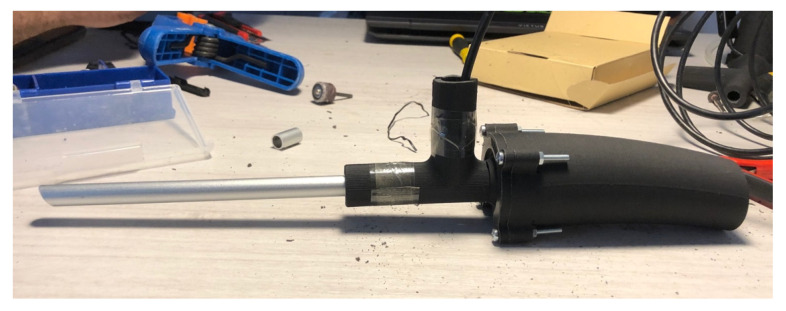 Figure 1
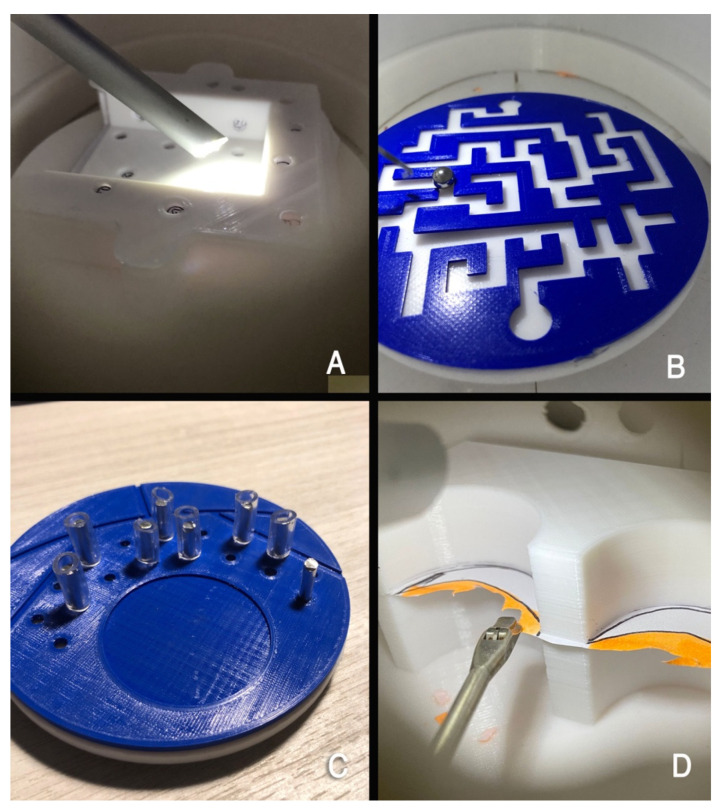 Figure 2
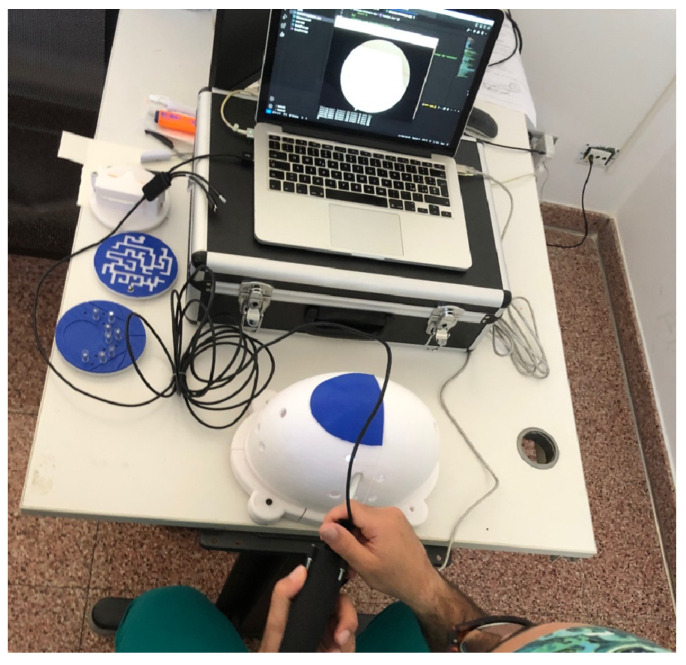 Figure 3
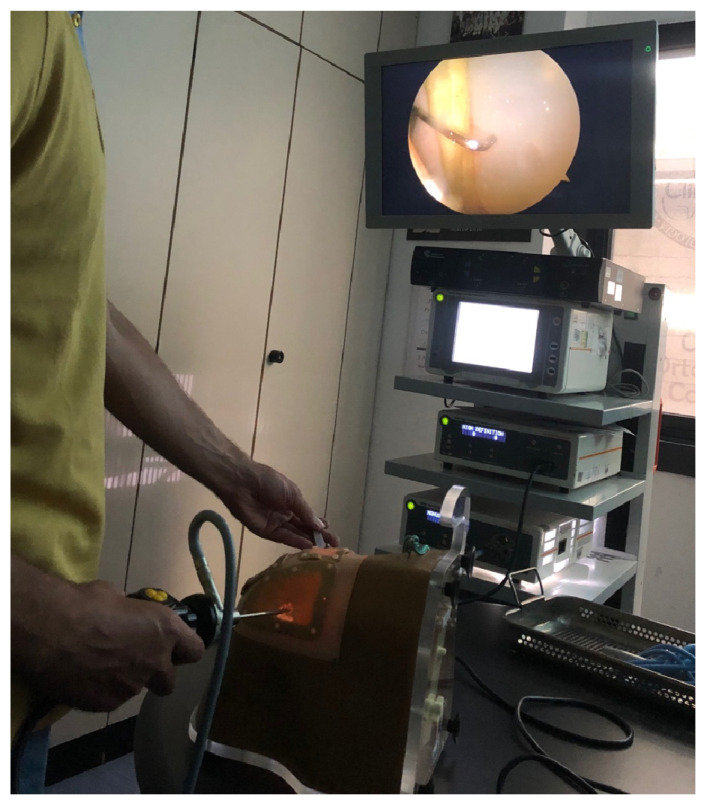 Figure 4
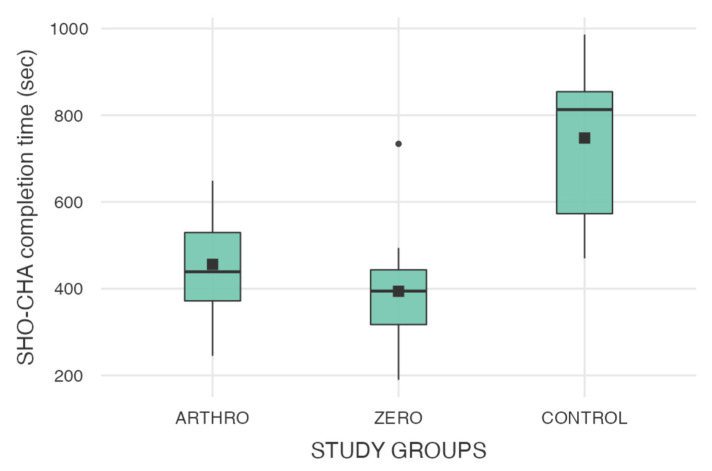 Figure 5
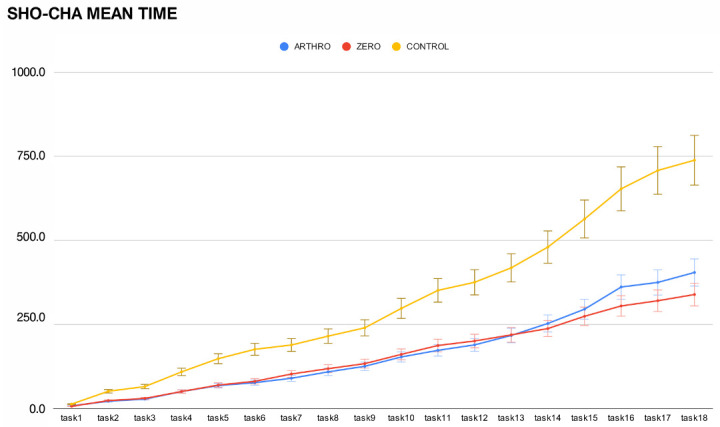 Figure 6
Peer Reviews
No public reviews on file for this paper yet. If you reviewed it on a platform where reviews are public (OpenReview, ICLR, NeurIPS, ICML), you can paste yours below so the community can read it here.
Videos
No videos yet. Explain this paper in a talk, walkthrough, or lecture? Add one.
Taxonomy
TopicsSurgical Simulation and Training · Shoulder Injury and Treatment · Simulation-Based Education in Healthcare