Predictors of Peripheral Neuropathy in Metabolic Disease: A Multivariable Analysis Incorporating the Toronto Clinical Scoring System and Sudomotor Assessment
Cristina Mocanu (Chitan), Radu-Cristian Cimpeanu, Teodor Salmen, Marius-Costin Chitu, Raluca-Elena Alexa, Claudiu Cobuz, Vasilica Cristescu, Anca Pantea Stoian, Cristian Serafinceanu

TL;DR
This study identifies age as a key predictor of peripheral neuropathy in diabetes patients and suggests sudomotor assessment can help diagnose the condition.
Contribution
The study introduces a multivariable analysis combining the Toronto Clinical Scoring System and sudomotor assessment to predict peripheral neuropathy in diabetes.
Findings
Age was the strongest independent predictor of peripheral neuropathy, with each additional year increasing the odds by 6%.
Sudomotor assessment showed strong diagnostic ability for diabetic neuropathy with an AUC of 0.816.
Adding sudomotor assessment improved the predictive model's performance.
Abstract
Background and Objectives: Peripheral neuropathy (PNP) is a frequent and debilitating complication among patients with diabetes mellitus (DM) and other metabolic conditions, substantially affecting morbidity, functional status, and quality of life. Identifying predictors of PNP is essential for optimizing early diagnostic strategies and improving long-term management outcomes. The aim of this study was to determine the predictive factors of PNP in a cohort of patients with DM. Materials and Methods: A cross-sectional study including 117 patients diagnosed with DM assessed for PNP was conducted. All patients were evaluated clinically and biologically. PNP was clinically assessed using the Toronto Clinical Scoring System (TCSS) score and sudomotor function by Sudoscan. Results: The patients included were mostly males with type 2 DM and metabolic syndrome phenotypes. Moreover, the patients…
Genes, proteins, chemicals, diseases, species, mutations and cell lines named across the full text — each resolved to its canonical identifier and authoritative record.
Click any figure to enlarge with its caption.
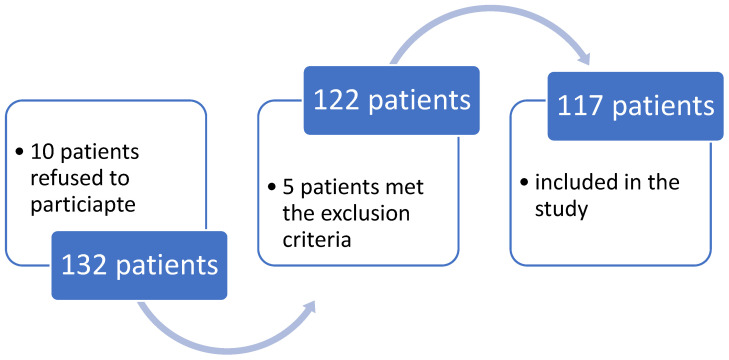 Figure 1
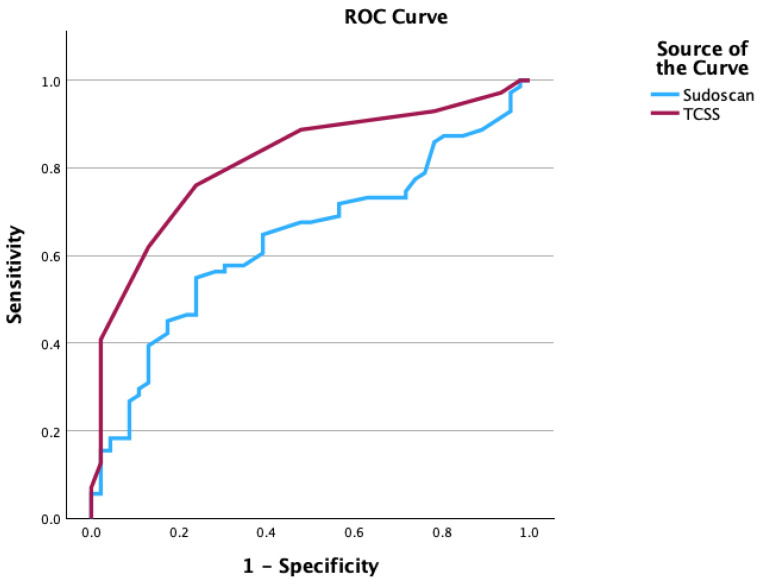 Figure 2
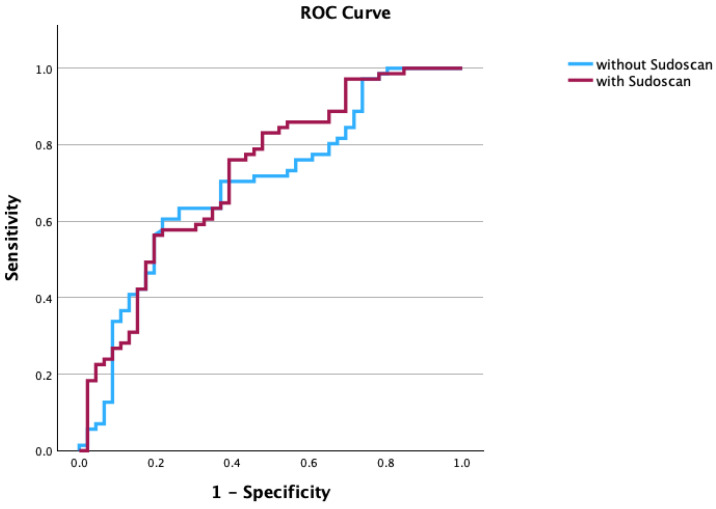 Figure 3
Peer Reviews
No public reviews on file for this paper yet. If you reviewed it on a platform where reviews are public (OpenReview, ICLR, NeurIPS, ICML), you can paste yours below so the community can read it here.
Videos
No videos yet. Explain this paper in a talk, walkthrough, or lecture? Add one.
Taxonomy
TopicsPain Mechanisms and Treatments · Diabetic Foot Ulcer Assessment and Management · Cancer Research and Treatment