Identification of an Unpredicted GAG-PUL in Roseihalotalea indica gen. nov. sp. nov. TK19036T and Characterization of Novel GAG-Lyases with Unique Substrate Specificities
Zheng Fu, Defang Wu, Shunqin You, Kai Tang, Runying Zeng, Zhuhua Chan

TL;DR
A new marine bacterium was found to have a unique gene cluster for breaking down glycosaminoglycans, with enzymes showing novel properties.
Contribution
Discovery of a new GAG-PUL in Roseihalotalea indica and characterization of GAG-lyases with unique substrate specificities.
Findings
A GAG utilization gene cluster was identified in Roseihalotalea indica TK19036T.
RiPL38 is the first PL38 family enzyme to degrade both HA and CS.
RiPL35 activity is optimal at 10 mM Ca2+ concentration.
Abstract
Glycosaminoglycans (GAGs) and their degrading enzymes have extensive applications and biotechnology and medicine, and play a crucial role in the recycling of organic matter in oceans. In this study, a potential GAG utilization gene cluster was identified in the genome of a novel marine Bacteroidetes, Roseihalotalea indica gen. nov. sp. nov. TK19036T, through sole carbon source cultivation and differential proteomic analysis. Multiple GAG-lyases within this locus were purified and characterized. RiPL8 comprises a functionally unknown N-terminal domain and a catalytic C-terminal domain, exhibiting specificity for degrading hyaluronic acid (HA). The activity of RiPL35 is sensitive to Ca2+ ion concentration with an optimum at 10 mM. RiPL38 is the first reported member of the PL38 family capable of degrading HA and chondroitin sulfate (CS). In summary, our study reveals Roseihalotalea indica…
Genes, proteins, chemicals, diseases, species, mutations and cell lines named across the full text — each resolved to its canonical identifier and authoritative record.
Click any figure to enlarge with its caption.
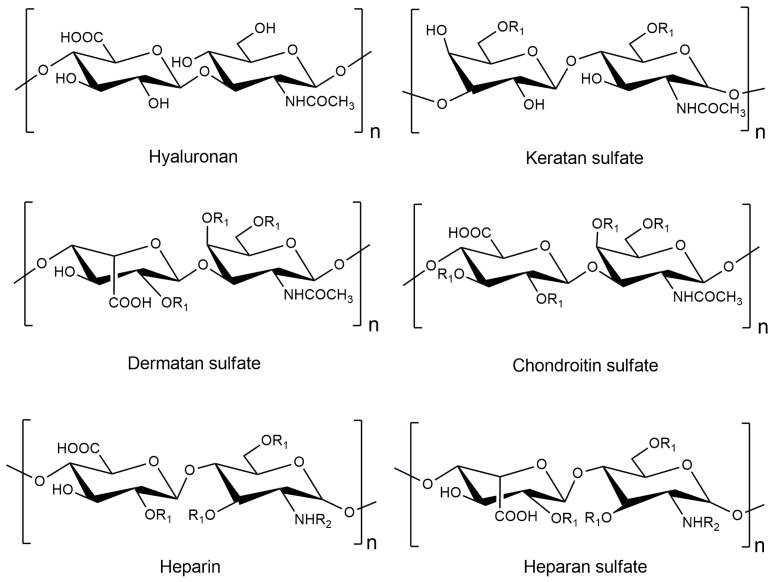 Figure 1
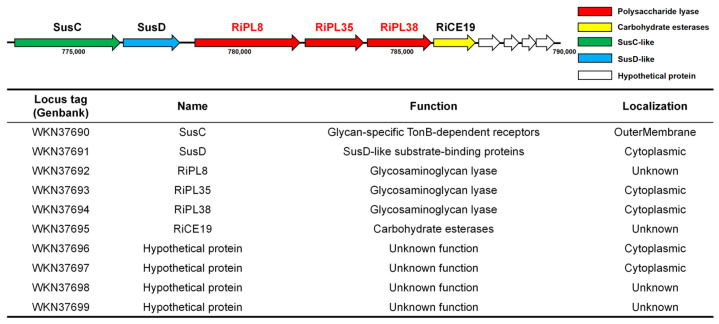 Figure 2
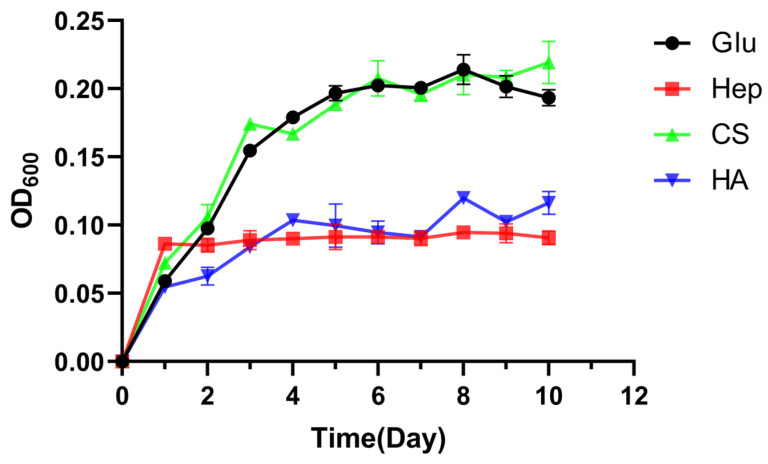 Figure 3
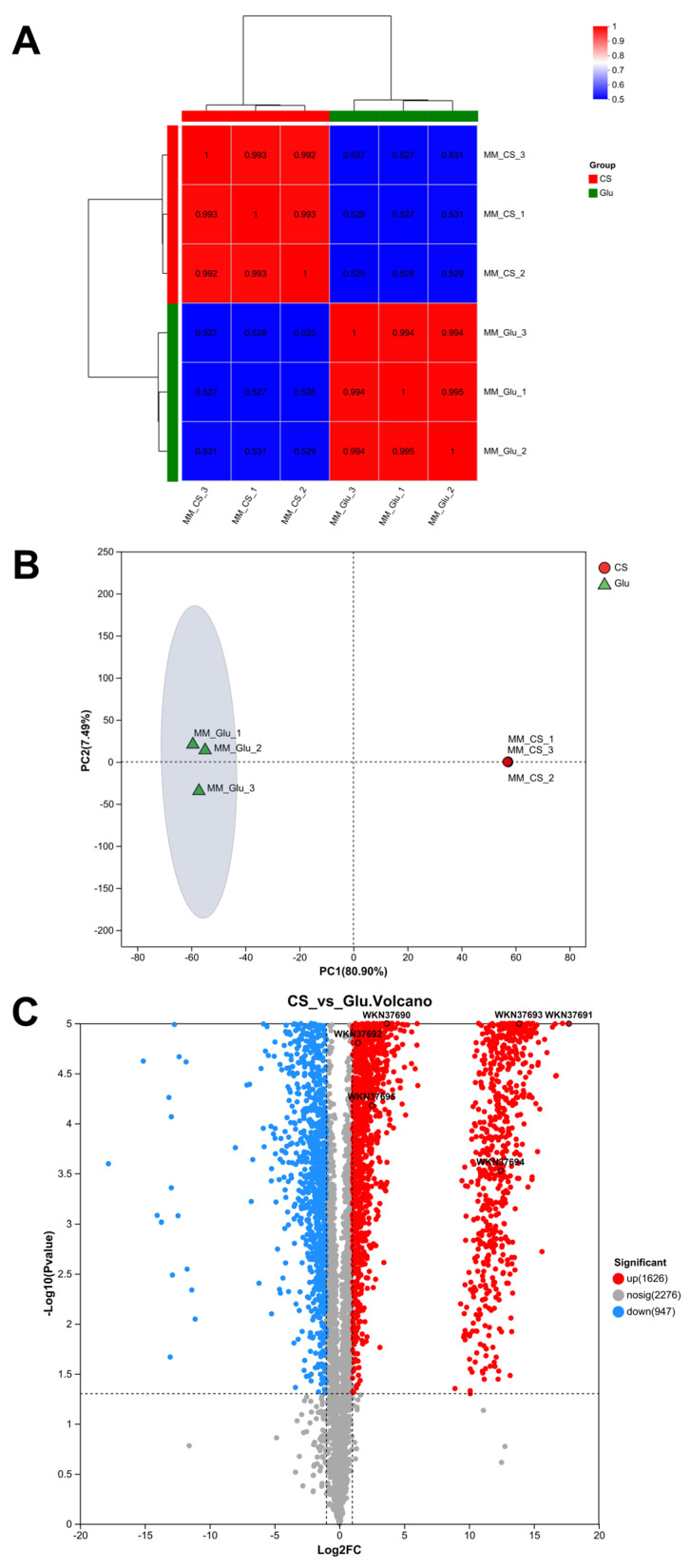 Figure 4
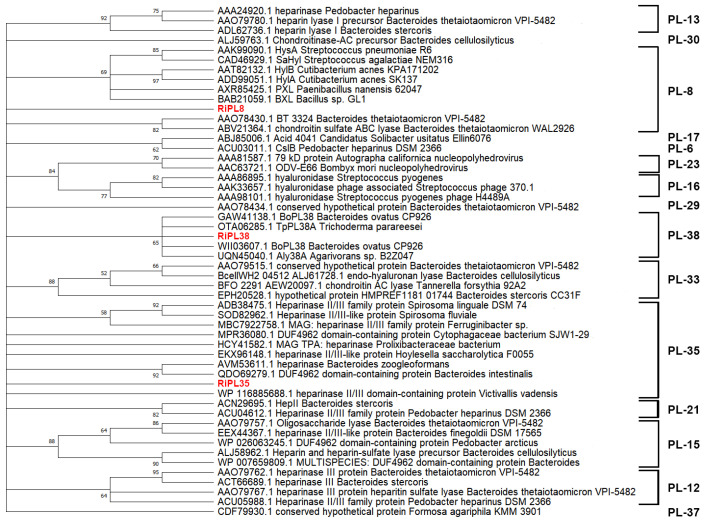 Figure 5
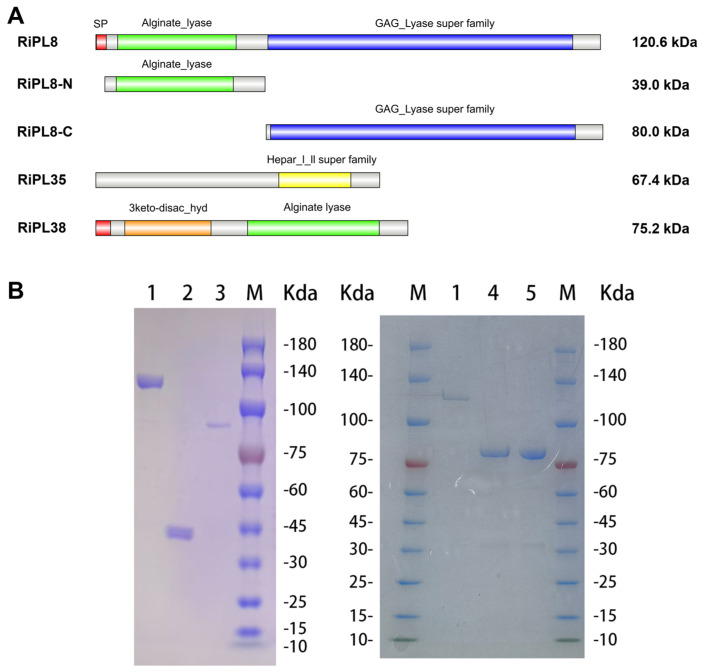 Figure 6
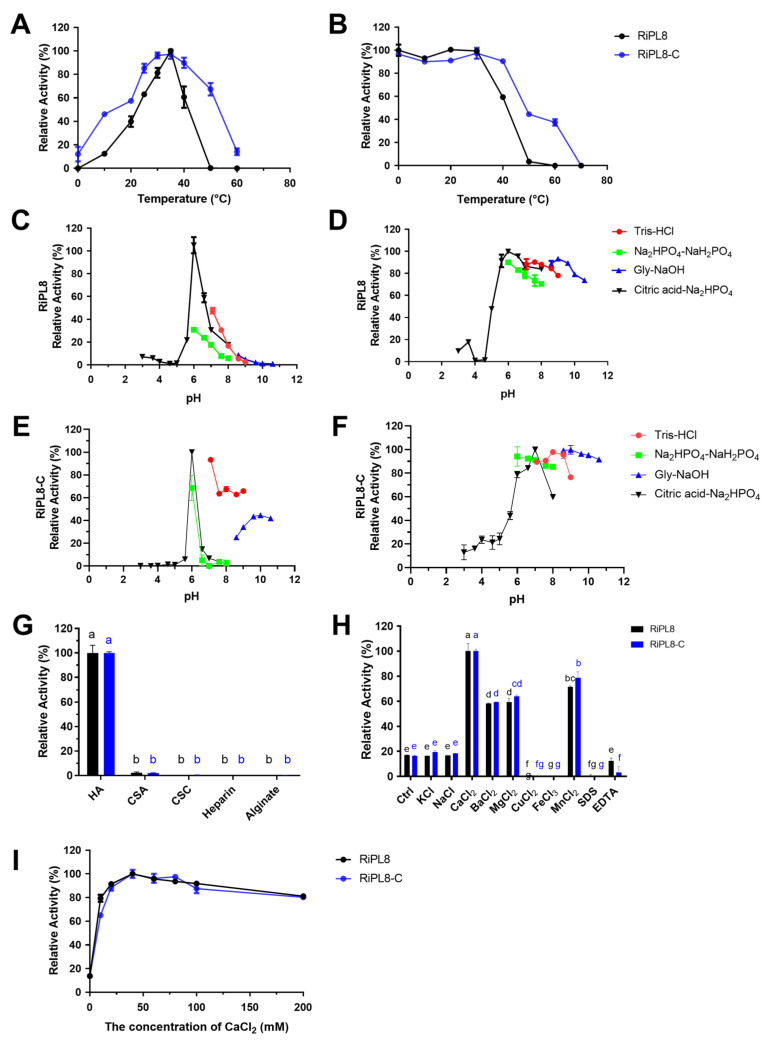 Figure 7
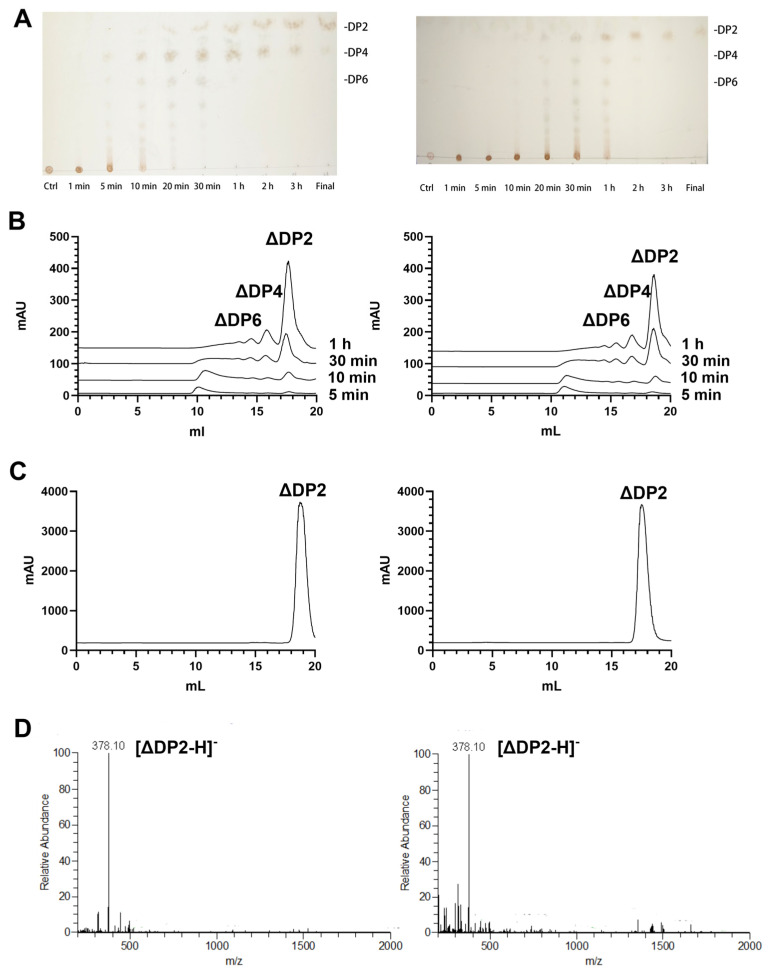 Figure 8
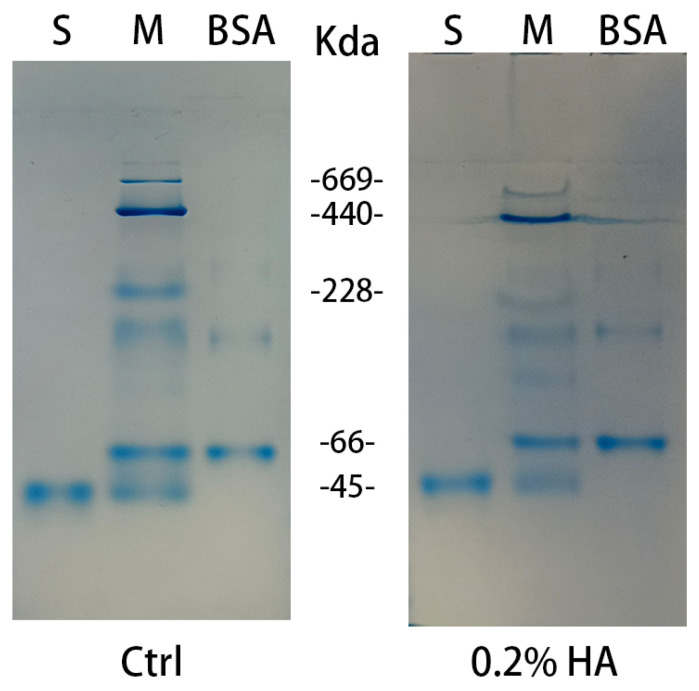 Figure 9
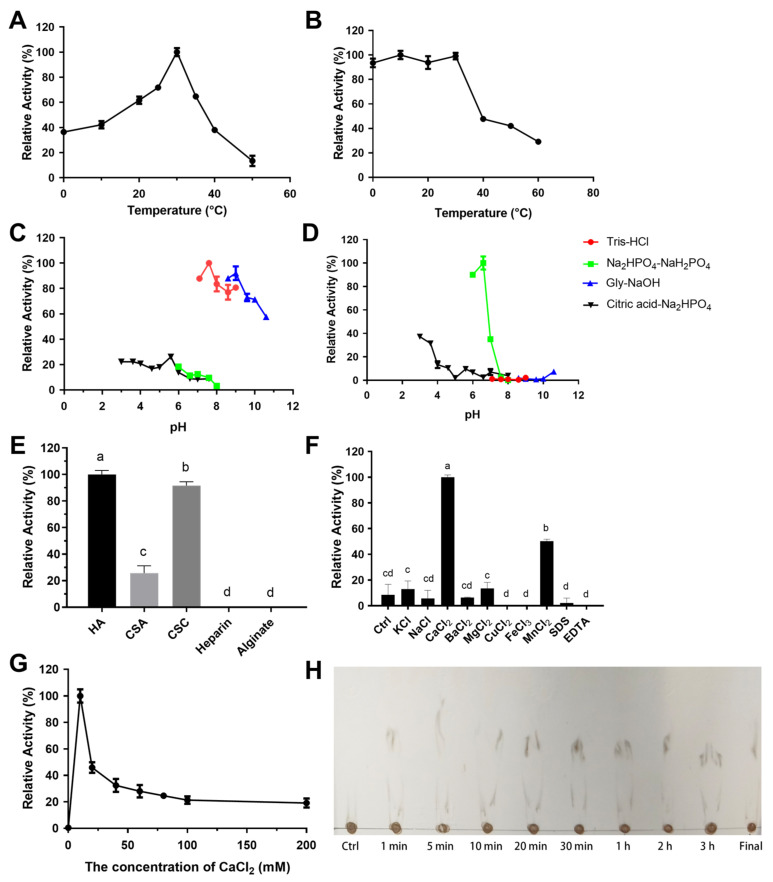 Figure 10
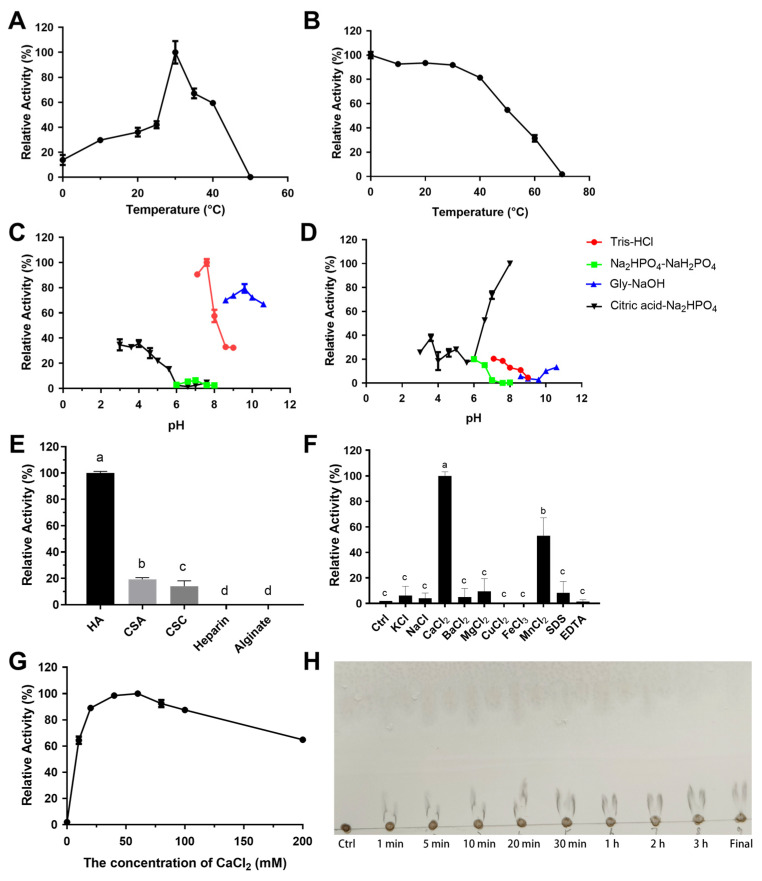 Figure 11
Peer Reviews
No public reviews on file for this paper yet. If you reviewed it on a platform where reviews are public (OpenReview, ICLR, NeurIPS, ICML), you can paste yours below so the community can read it here.
Videos
No videos yet. Explain this paper in a talk, walkthrough, or lecture? Add one.
Taxonomy
TopicsProteoglycans and glycosaminoglycans research · Seaweed-derived Bioactive Compounds · Marine Bivalve and Aquaculture Studies