Selective Trace Mix: A New Processing Tool to Enhance Seismic Imaging of Complex Subsurface Structures
Mohamed Rashed, Nassir Al-Amri, Riyadh Halawani, Ali Atef, Hussein Harbi

TL;DR
Selective Trace Mix is a new seismic imaging tool that improves the clarity of complex underground structures by reducing artifacts and enhancing signal quality.
Contribution
Selective Trace Mix introduces a data-dependent filter that enhances seismic imaging while preserving complex subsurface structures.
Findings
Selective Trace Mix improves horizon integrity and fault clarity compared to conventional filters.
The filter was validated using synthetic Marmousi data and real land and marine seismic datasets.
The method uses sequential steps to evaluate and normalize seismic data samples.
Abstract
In seismic imaging, the trace mixing process involves merging neighboring traces in seismic data to enhance the signal-to-noise ratio and improve the continuity and spatial coherence of seismic data. In regions with complex subsurface structures, current trace mix filters are often ineffective as they introduce artifacts that reduce interpretability and obscure the signatures of important structures, such as faults and folds. We introduce the selective trace mix as a novel, data-dependent filter. This filter enhances amplitude consistency, spatial coherence, and the definition of reflections, while it preserves complex structures and maintains their clarity. Selective trace mix uses sequential steps of evaluation, referencing, exclusion, weighting, and normalization of all samples within the filter operator. As a result, selective trace mix is a temporally and spatially variable,…
Genes, proteins, chemicals, diseases, species, mutations and cell lines named across the full text — each resolved to its canonical identifier and authoritative record.
Click any figure to enlarge with its caption.
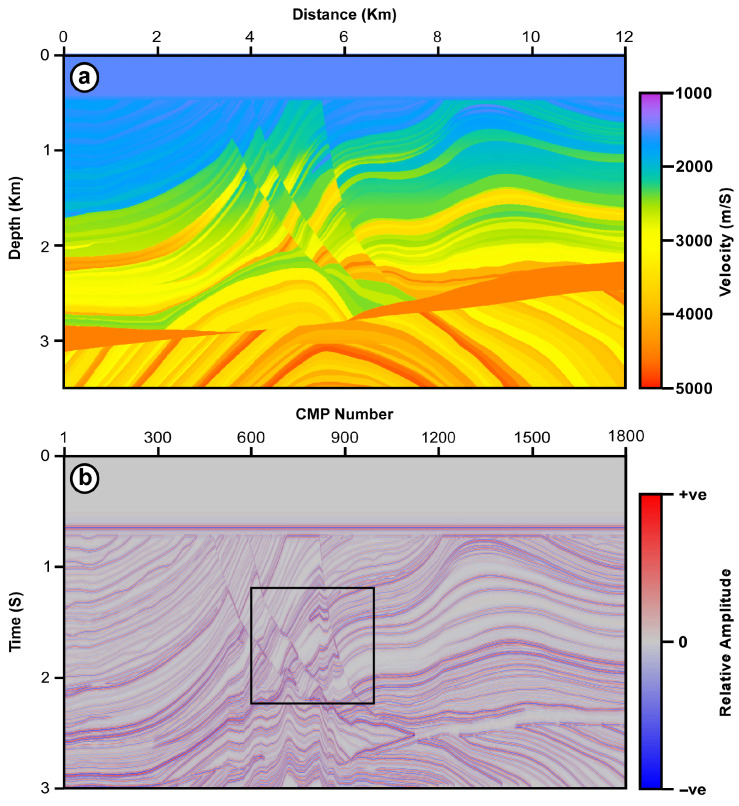 Figure 1
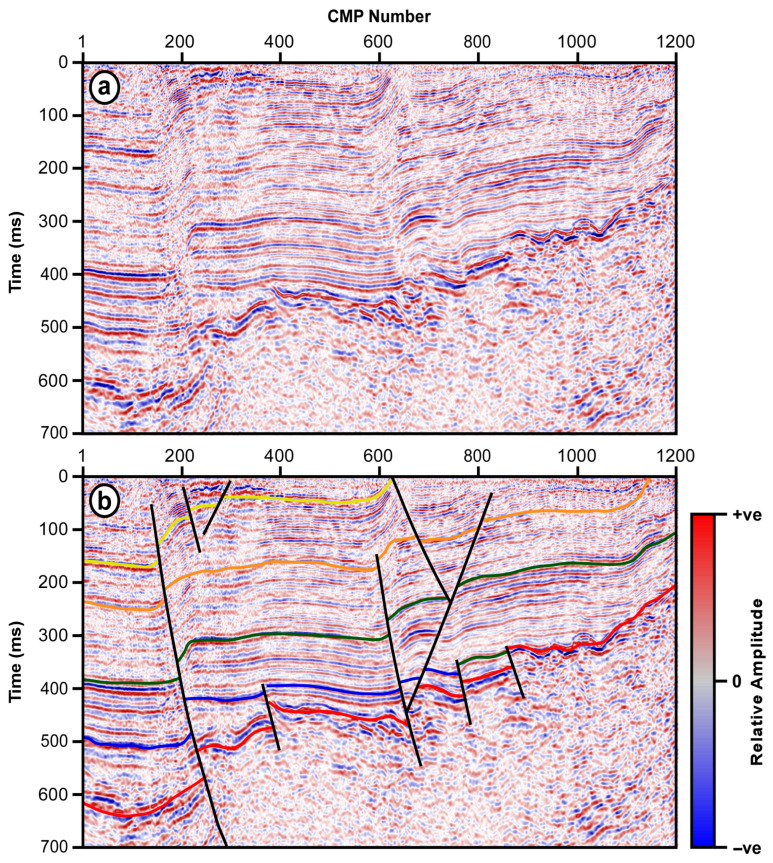 Figure 2
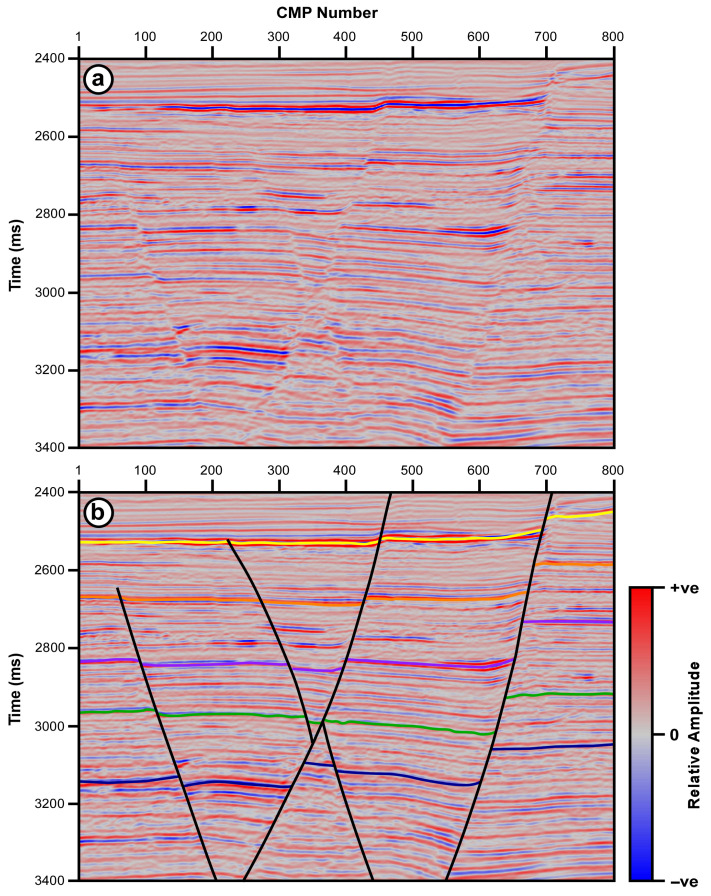 Figure 3
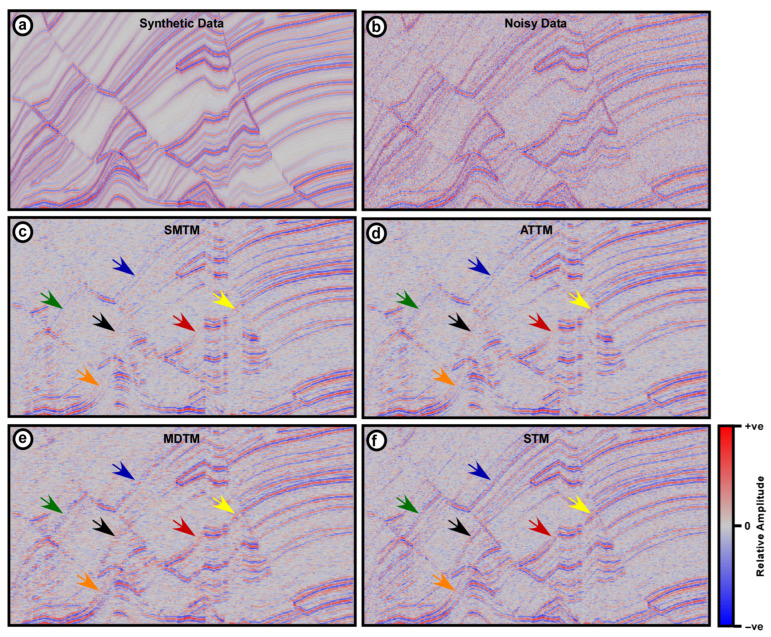 Figure 4
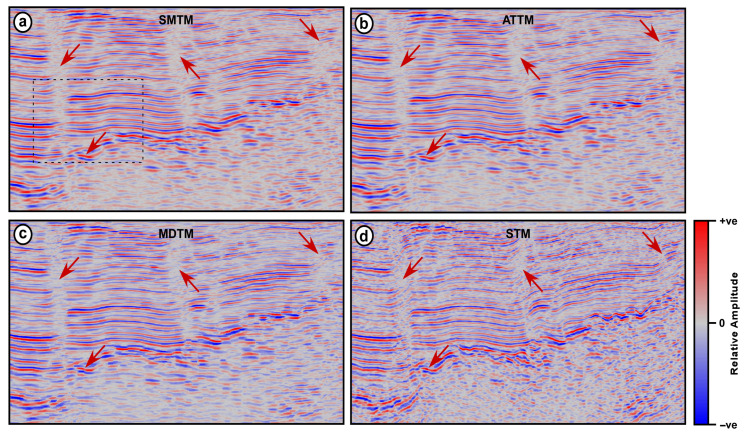 Figure 5
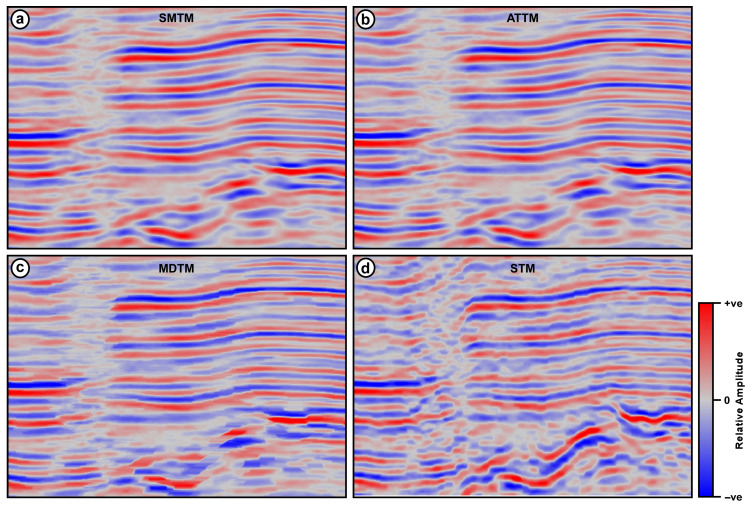 Figure 6
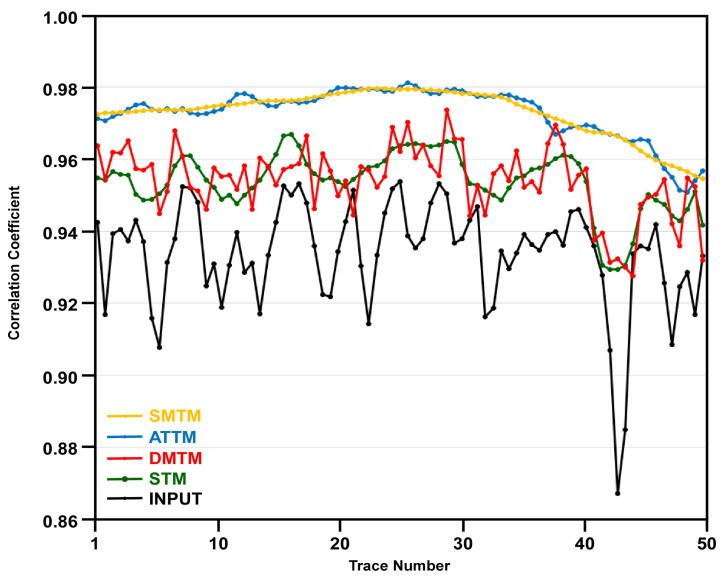 Figure 7
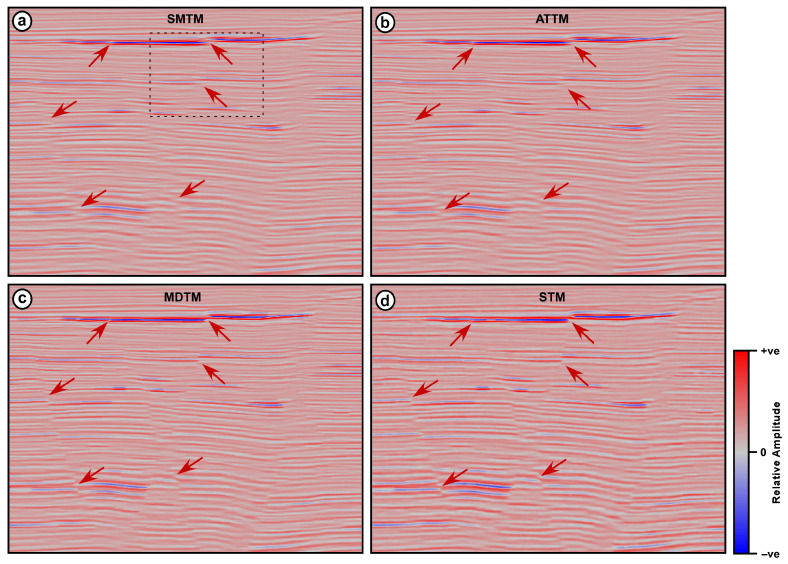 Figure 8
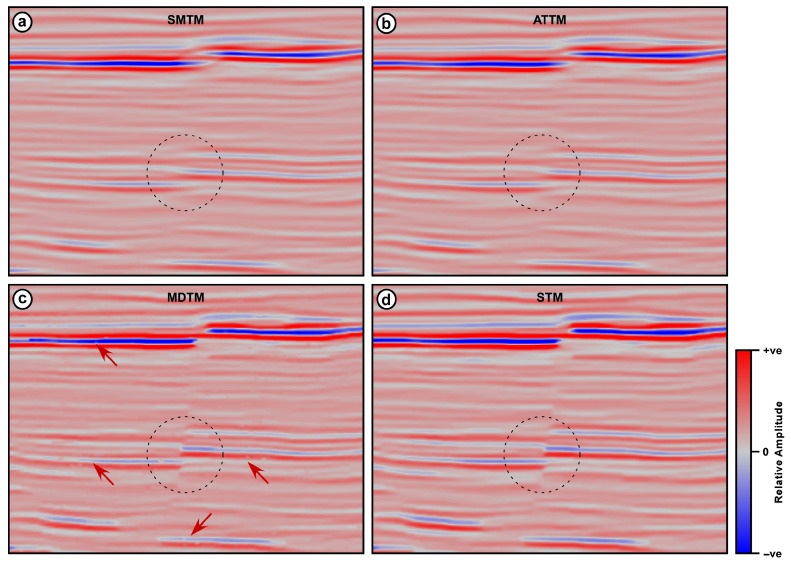 Figure 9
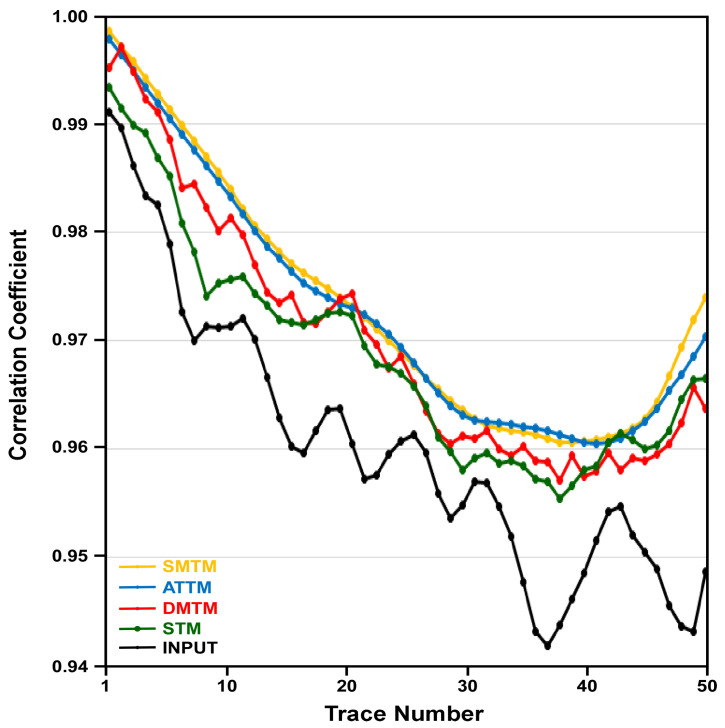 Figure 10
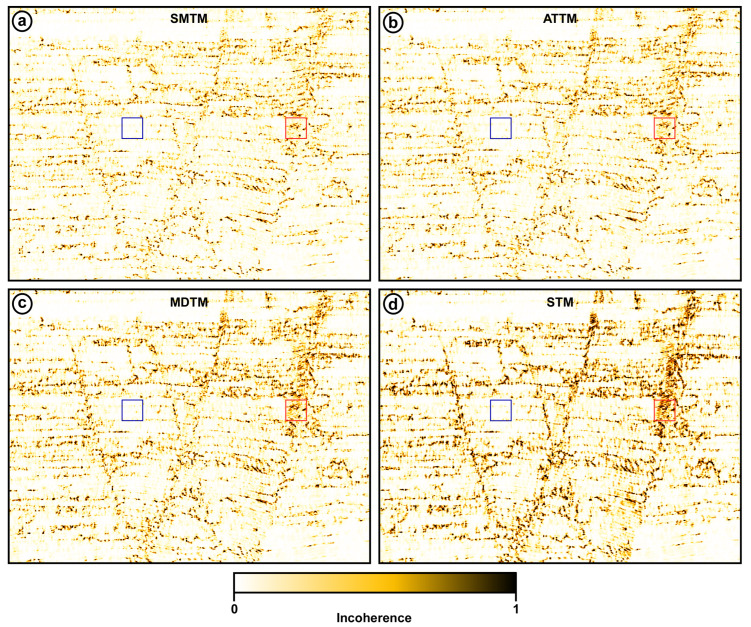 Figure 11
Peer Reviews
No public reviews on file for this paper yet. If you reviewed it on a platform where reviews are public (OpenReview, ICLR, NeurIPS, ICML), you can paste yours below so the community can read it here.
Videos
No videos yet. Explain this paper in a talk, walkthrough, or lecture? Add one.
Taxonomy
TopicsSeismic Imaging and Inversion Techniques · Seismic Waves and Analysis · earthquake and tectonic studies