Four New Species and Six Combinations of Prunulus (Mycenaceae) from China
Rui Wang, Ke Wang, Xiao-Dan Yu, Chang-Lin Shan, Hai-Feng Liu, Di Liu, Tie-Zheng Wei

TL;DR
This paper describes four new species of Prunulus mushrooms in China and reclassifies six Mycena species into Prunulus based on genetic and physical traits.
Contribution
The discovery of four new Prunulus species and their phylogenetic reclassification of six Mycena species into Prunulus.
Findings
Four new Prunulus species were identified using morphological and molecular data.
Six Mycena species were transferred to Prunulus based on phylogenetic analysis.
Detailed anatomical features and photographs of the new species were provided.
Abstract
Four new species of Prunulus, found in China—P. applanatus, P. fulvescens, P. fulvipes and P. leptocollus spp. nov.—are described based on morphological and molecular phylogenetic analyses, performed using maximum likelihood (ML) and Bayesian inference (BI) methods on a concatenated dataset of the ITS, rpb1, and tef-1α gene regions. Prunulus applanatus is characterized by a pale grey-brown and applanate pileus with a slight lilac tint, and a distinctly striate margin. Prunulus fulvescens is characterized by a pileus fading from dark brown to yellowish-brown. Prunulus fulvipes is characterized by a pileus with a brown center and a lighter brownish-white margin, and a longer stipe with a yellowish-brown base. Prunulus leptocollus is characterized by pale lilac basidiomata, and cheilocystidia with slightly narrowed necks. Our study provides detailed anatomical illustrations and photographs…
Genes, proteins, chemicals, diseases, species, mutations and cell lines named across the full text — each resolved to its canonical identifier and authoritative record.
Click any figure to enlarge with its caption.
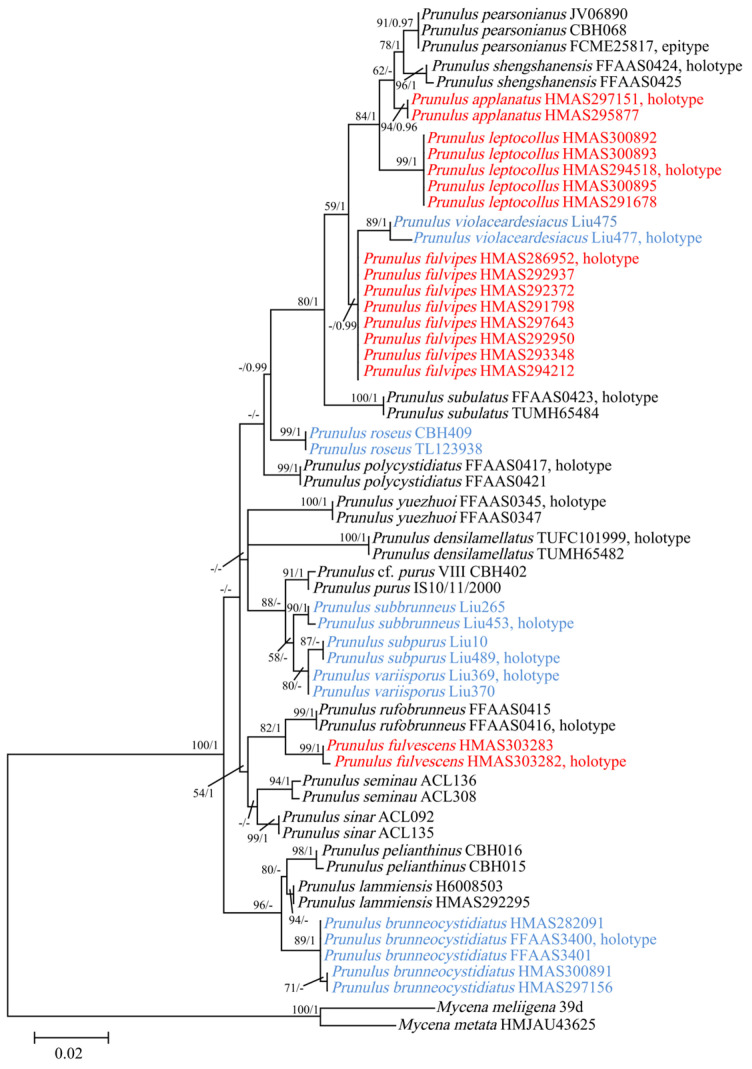 Figure 1
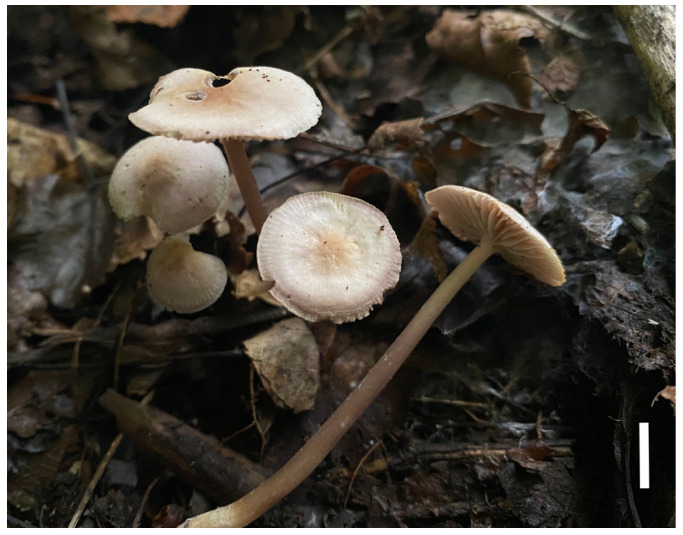 Figure 2
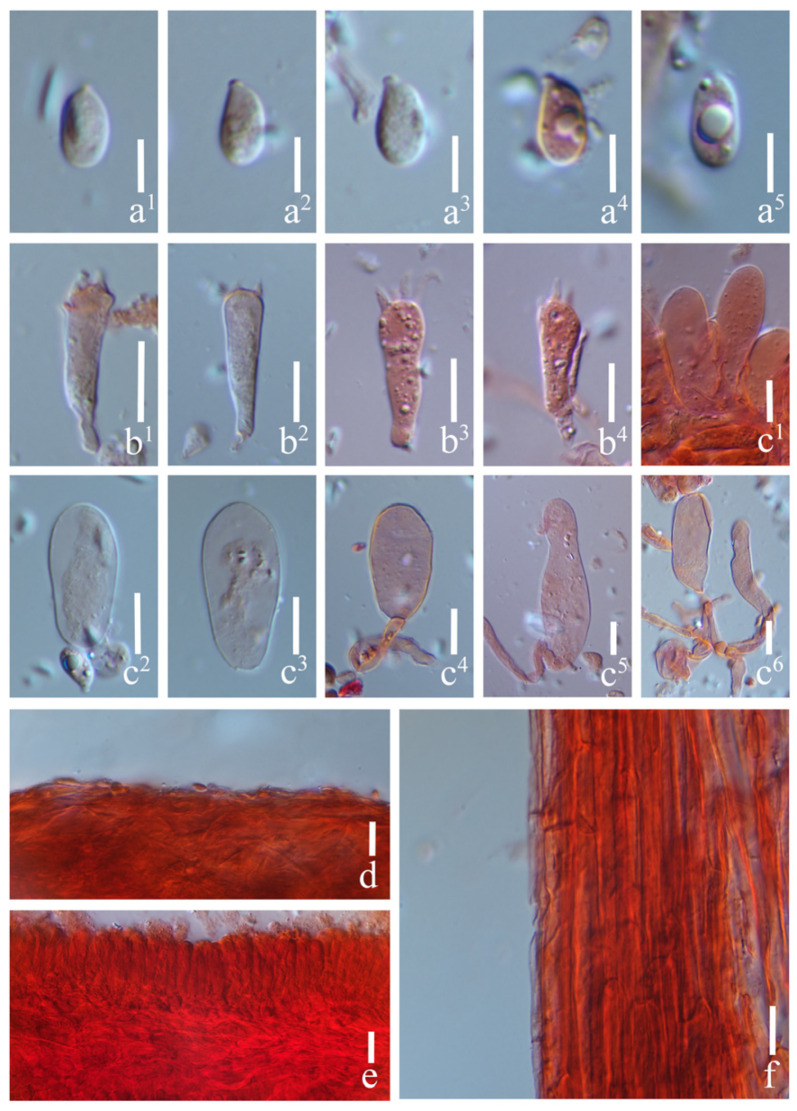 Figure 3
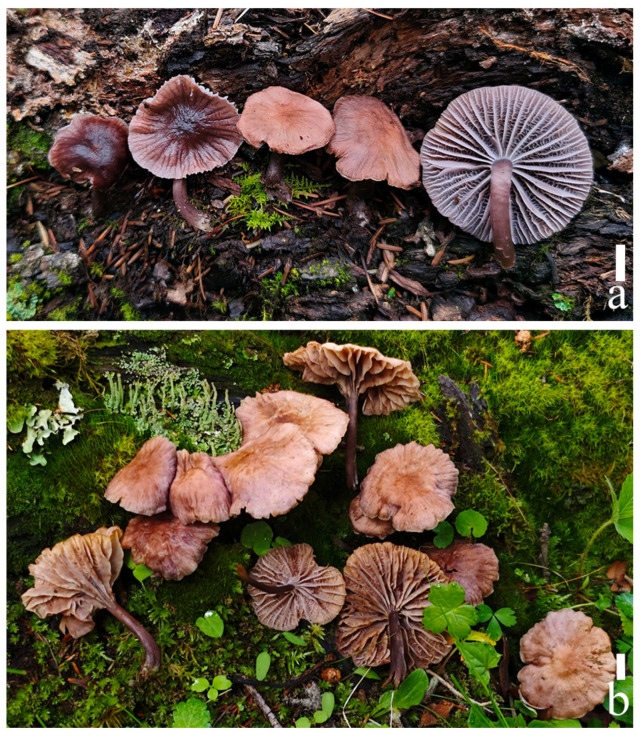 Figure 4
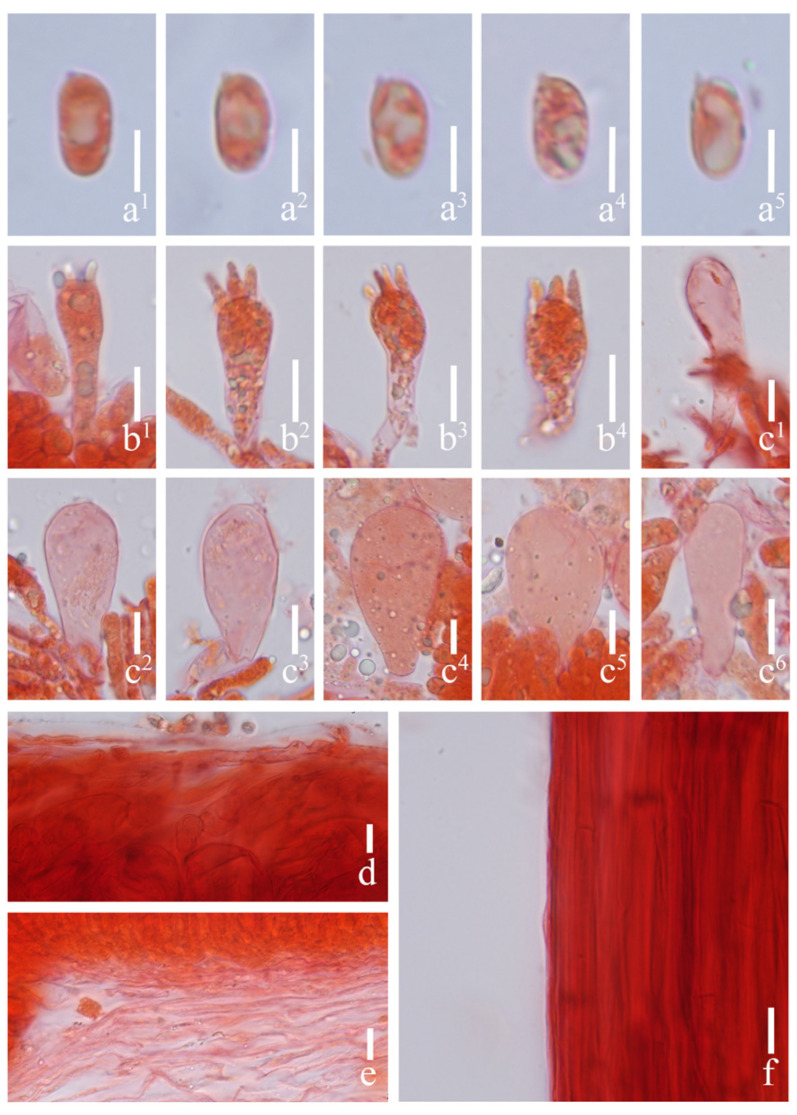 Figure 5
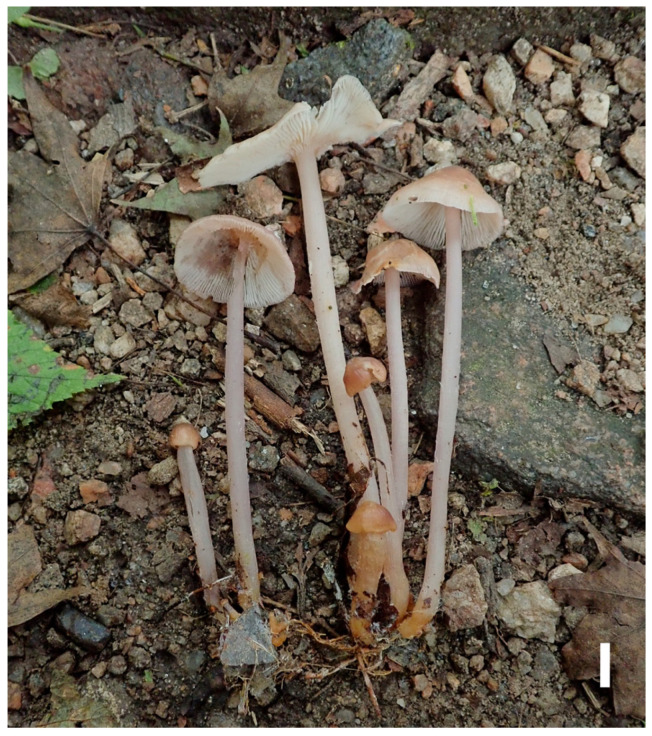 Figure 6
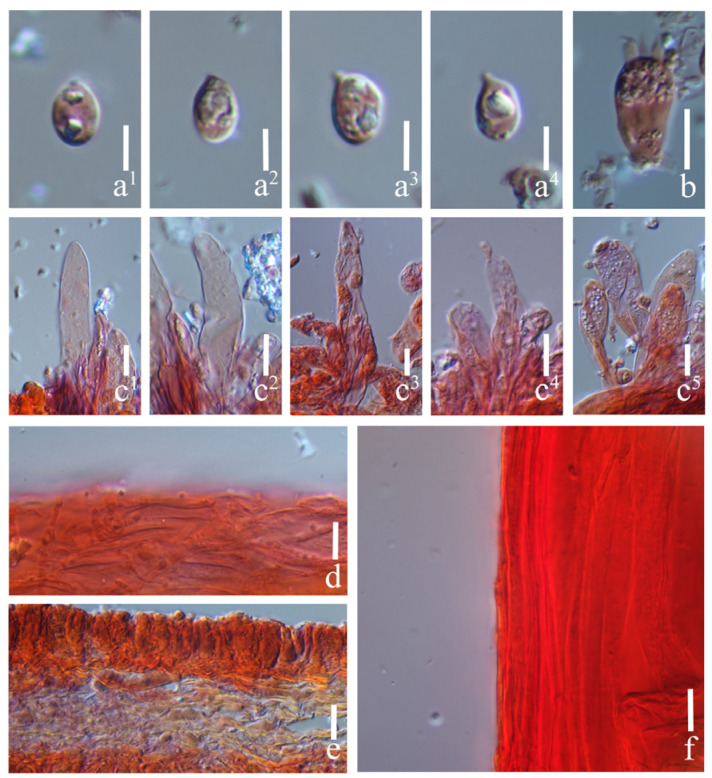 Figure 7
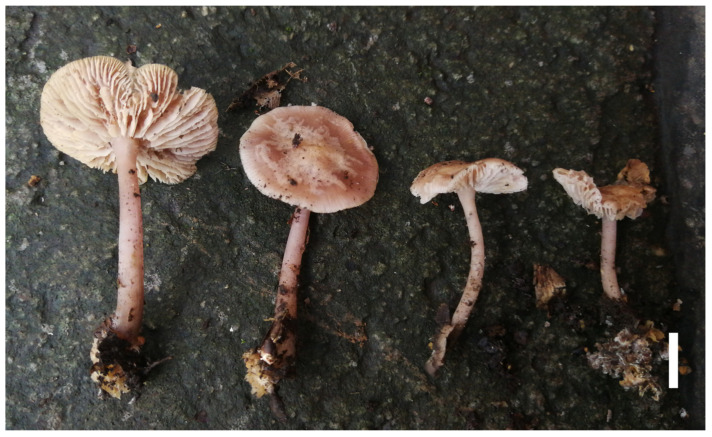 Figure 8
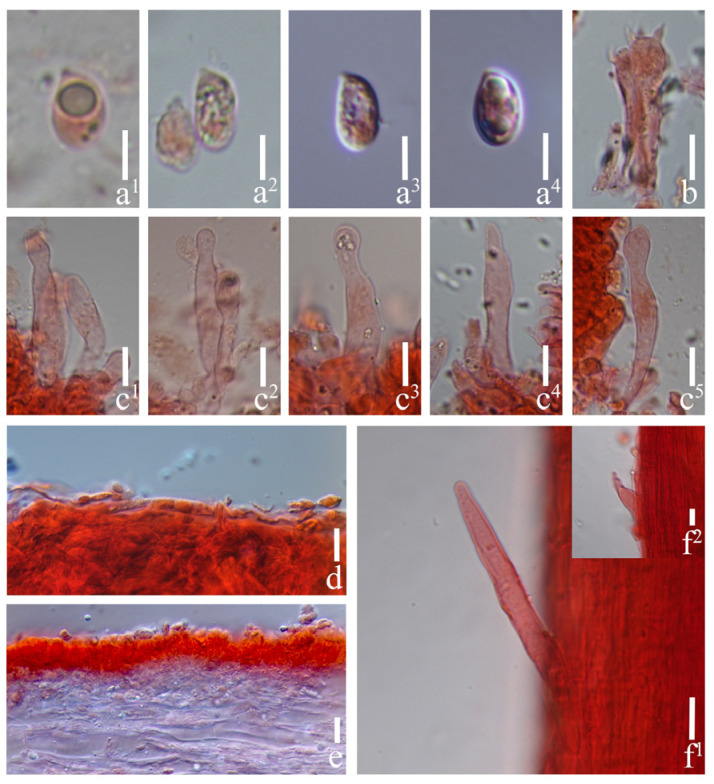 Figure 9
Peer Reviews
No public reviews on file for this paper yet. If you reviewed it on a platform where reviews are public (OpenReview, ICLR, NeurIPS, ICML), you can paste yours below so the community can read it here.
Videos
No videos yet. Explain this paper in a talk, walkthrough, or lecture? Add one.
Taxonomy
TopicsPlant Diversity and Evolution · Mycorrhizal Fungi and Plant Interactions · Slime Mold and Myxomycetes Research