Alkali-Equivalent-Dependent Dual Role of Sodium Chloride in Alkali-Activated Slag Cement: From Synergistic Activator to Competitive Inhibitor
Nan Ding, Zhenyun Cheng, Hua Lei, Bo Fu

TL;DR
Sodium chloride can either enhance or hinder the performance of eco-friendly cement, depending on the level of alkali used.
Contribution
This study reveals the dual role of NaCl as a synergistic activator or competitive inhibitor in alkali-activated slag cement, depending on alkali-equivalent levels.
Findings
At low alkali-equivalent (2% Na2O), ≤4 wt% NaCl increased 28-day compressive strength by up to 21%.
At high alkali-equivalent (4% Na2O), 10 wt% NaCl reduced strength by up to 18% due to competitive Cl− binding.
Microstructural analyses confirmed Friedel’s salt formation and alkalinity-dependent effects on gel phases.
Abstract
The cement industry is a major contributor to global CO2 emissions, necessitating the development of low-carbon alternatives, such as alkali-activated slag cement (AAS). This study investigates the feasibility of using NaCl and NaOH as co-activators for granulated blast furnace slag (GBFS), focusing on the alkali-equivalent-dependent role of NaCl. At a low-alkali equivalent (2% Na2O), incorporation of ≤4 wt% NaCl enhanced ionic strength, promoted slag dissolution, and accelerated C-(A)-S-H gel formation, increasing 28-day compressive strength by up to 21%. In contrast, at a high-alkali equivalent (4% Na2O), NaCl addition induced competitive binding of Cl− with aluminate species, inhibiting C-(A)-S-H formation and reducing strength by up to 18% at 10 wt% NaCl. The optimal NaCl dosage for strength improvement was 1–4 wt% under low alkalinity and 1–2 wt% under high alkalinity.…
Genes, proteins, chemicals, diseases, species, mutations and cell lines named across the full text — each resolved to its canonical identifier and authoritative record.
Click any figure to enlarge with its caption.
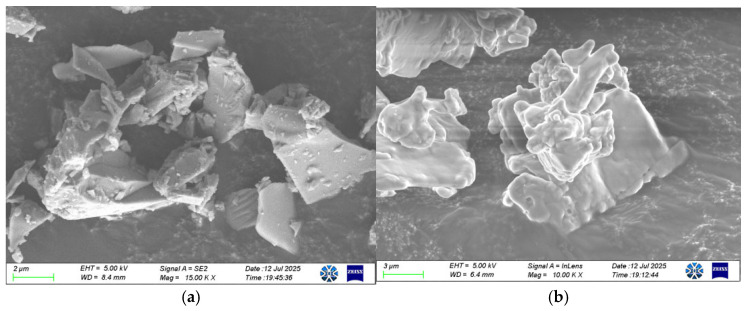 Figure 1
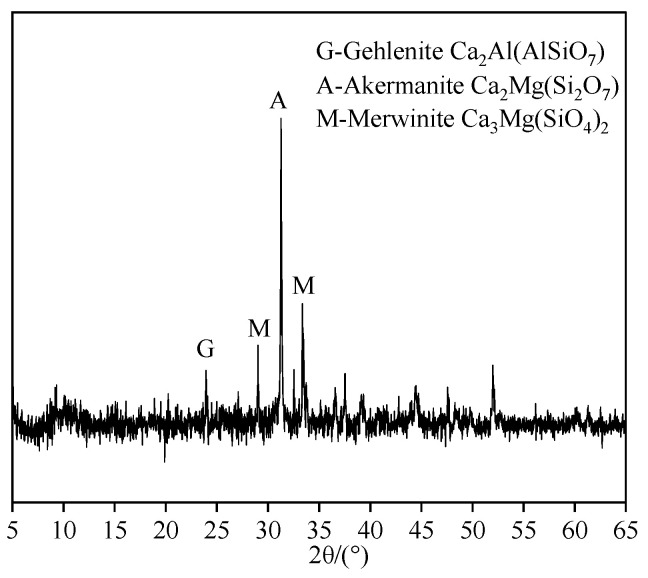 Figure 2
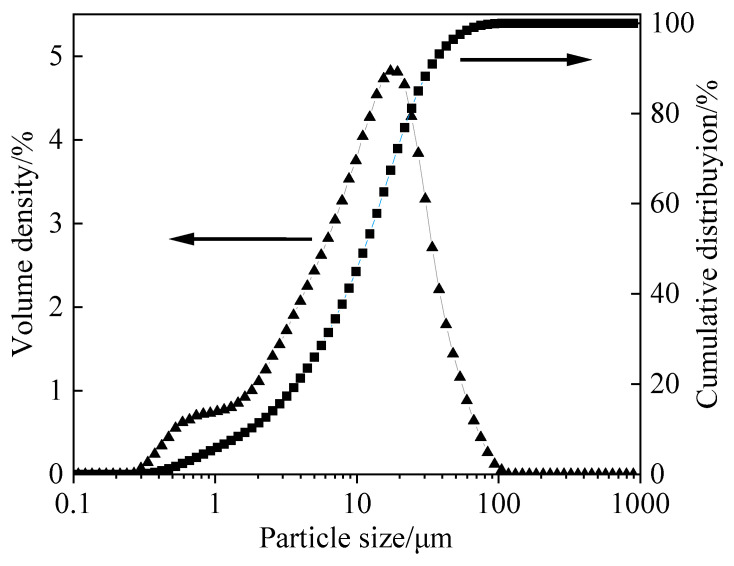 Figure 3
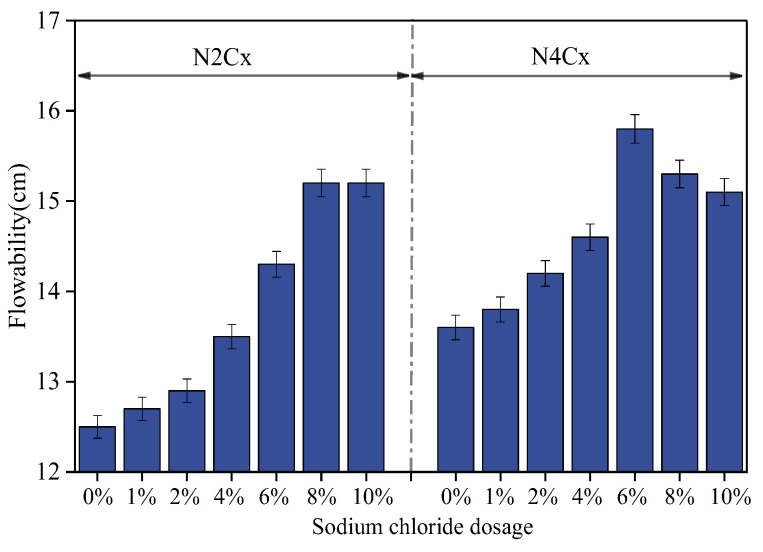 Figure 4
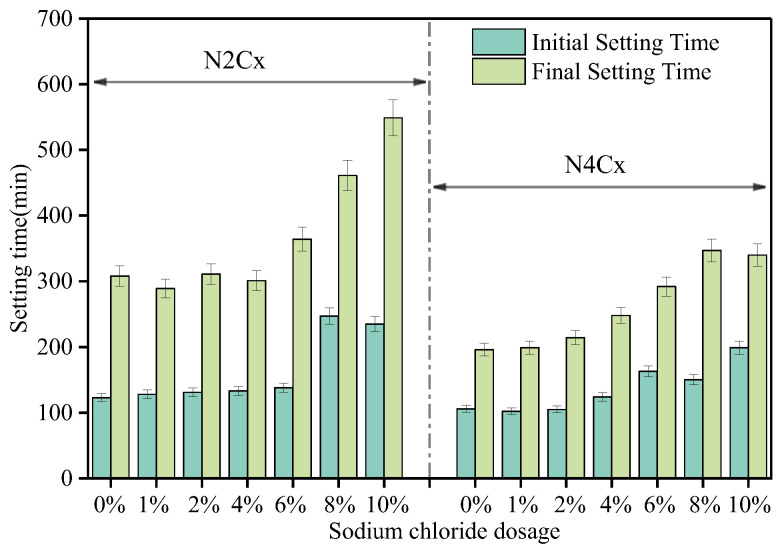 Figure 5
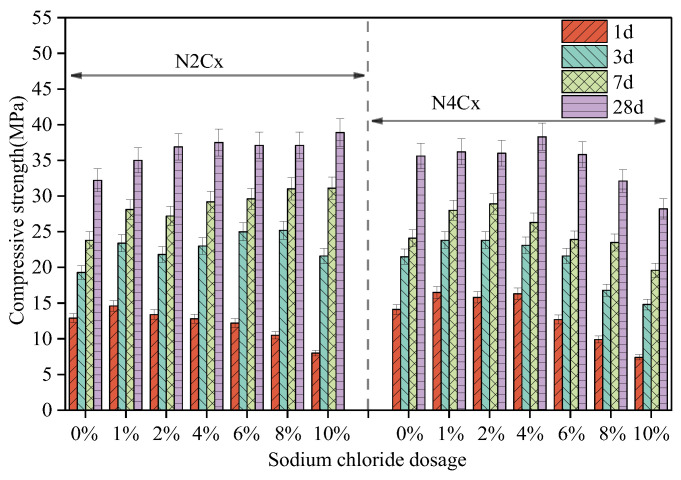 Figure 6
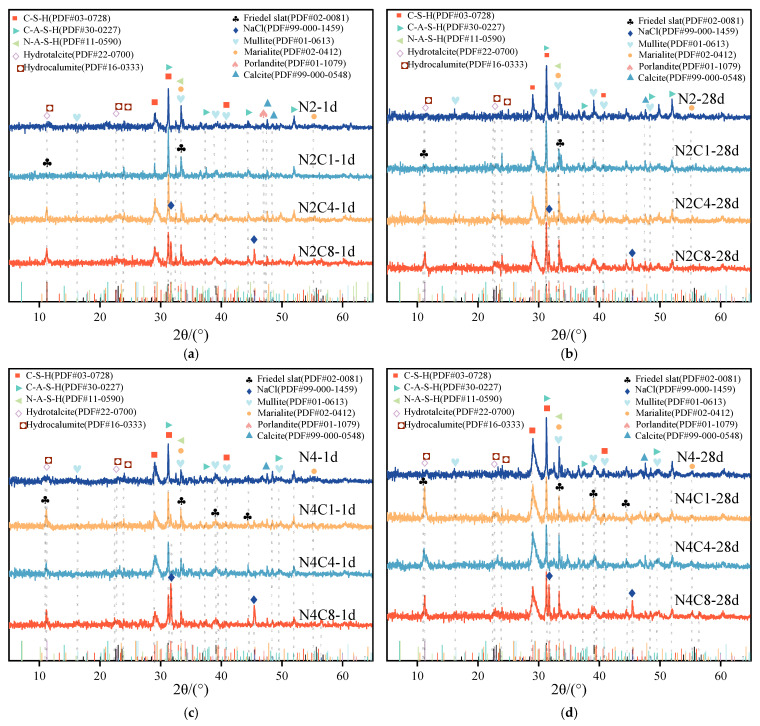 Figure 7
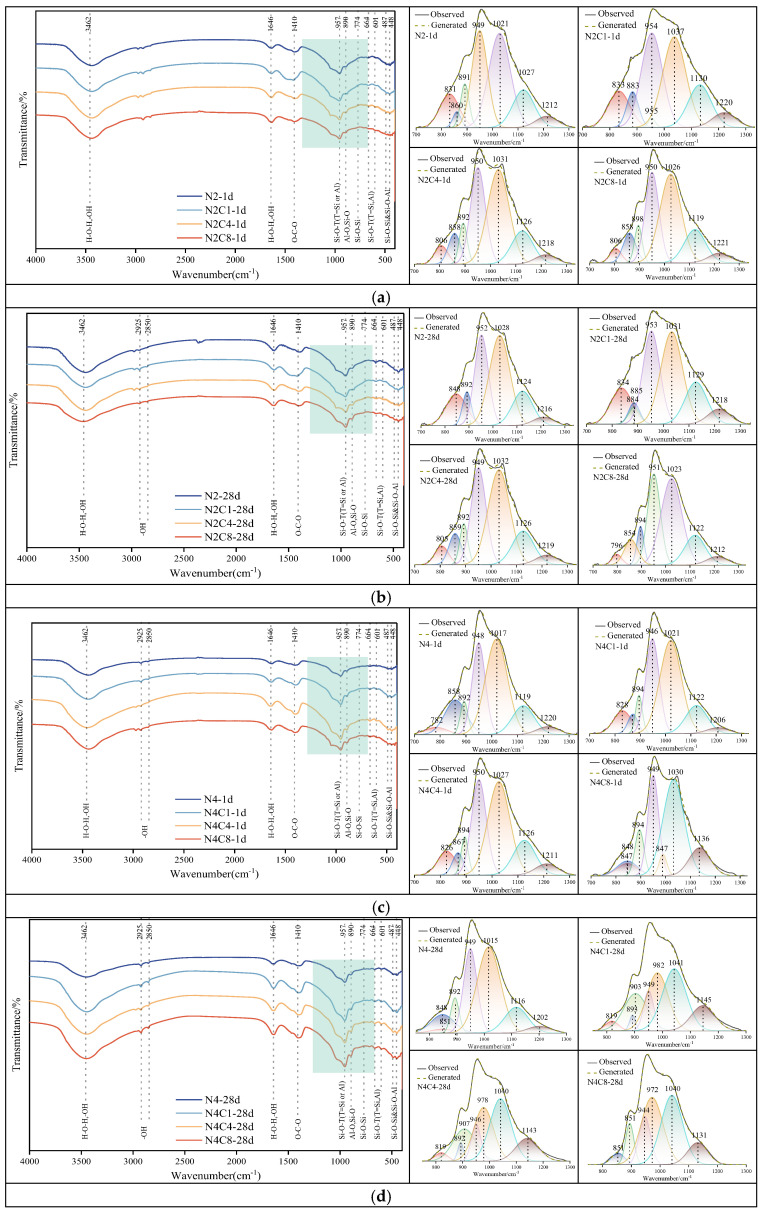 Figure 8
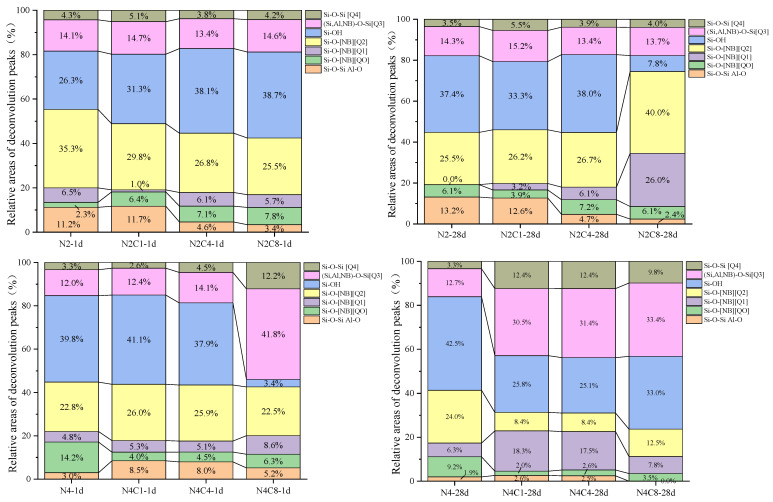 Figure 9
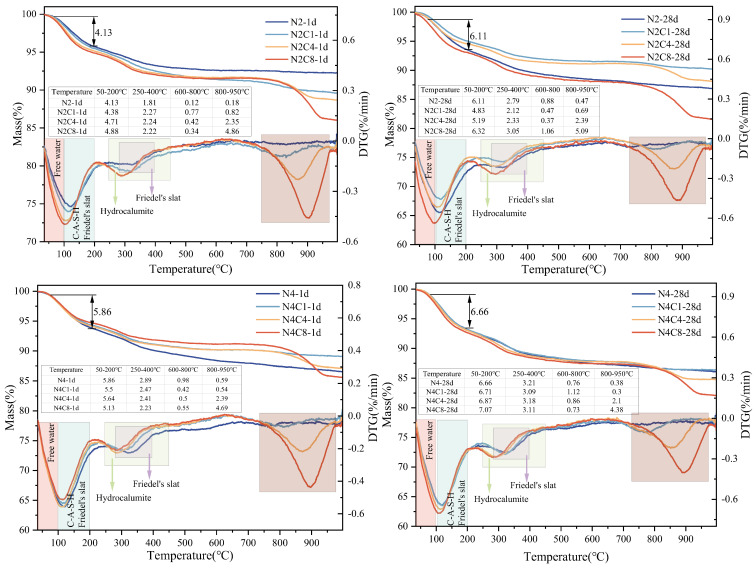 Figure 10
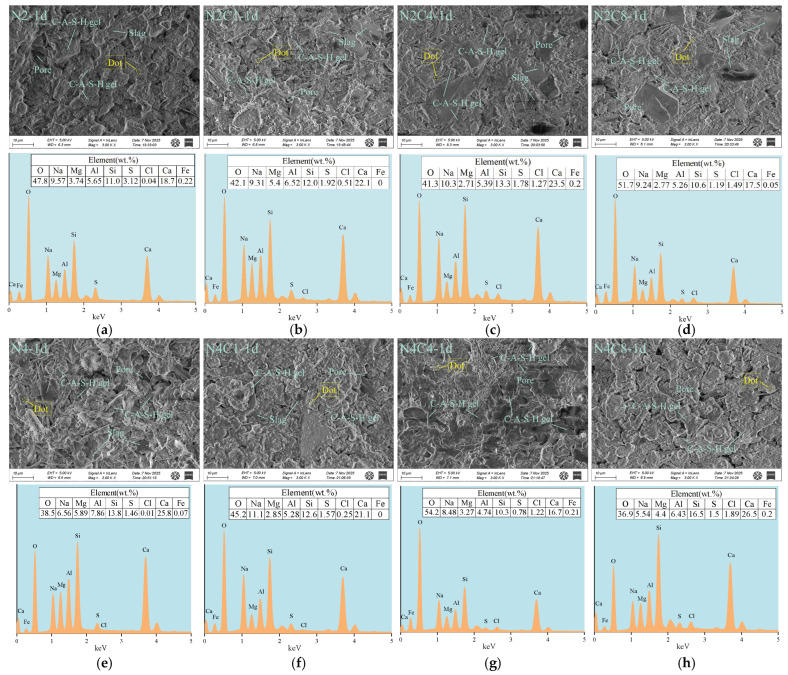 Figure 11
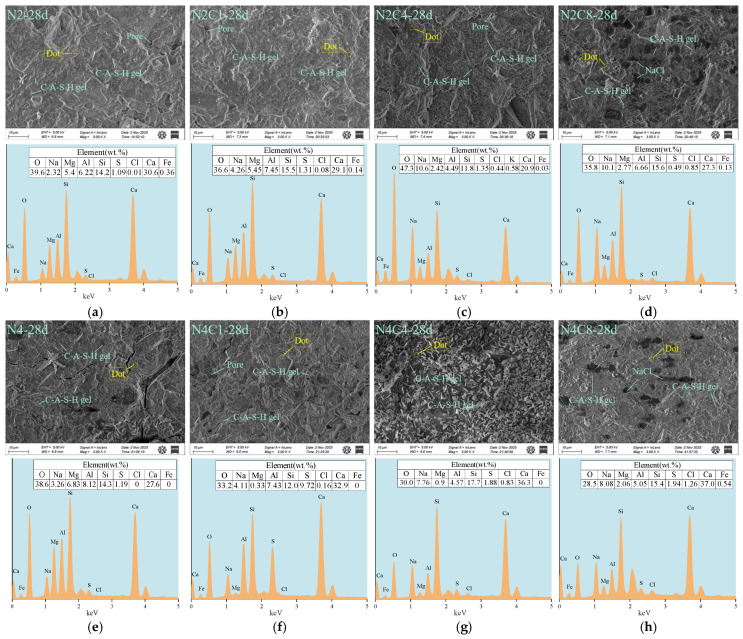 Figure 12
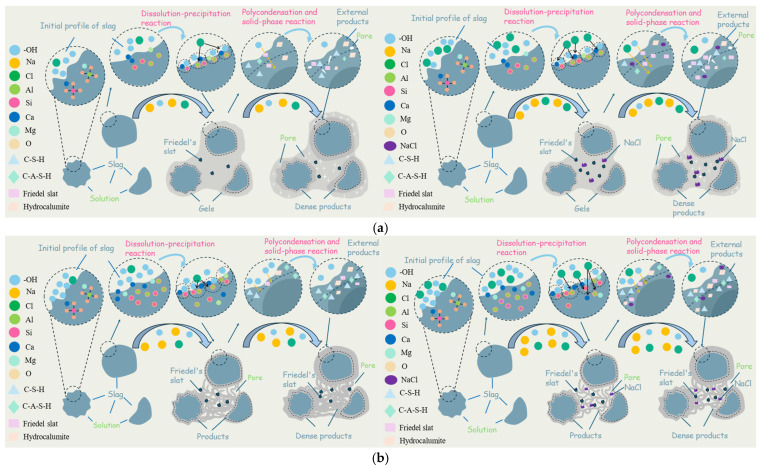 Figure 13
Peer Reviews
No public reviews on file for this paper yet. If you reviewed it on a platform where reviews are public (OpenReview, ICLR, NeurIPS, ICML), you can paste yours below so the community can read it here.
Videos
No videos yet. Explain this paper in a talk, walkthrough, or lecture? Add one.
Taxonomy
TopicsConcrete and Cement Materials Research · CO2 Sequestration and Geologic Interactions · Smart Materials for Construction