Electrical Potential and Cell Immobilisation Capacity of a Laser-Treated Titanium Alloy Surface
Arturs Abolins, Alberta Aversa, Yuri Dekhtyar, Maris Dortins, Marks Gorohovs, Galina Khroustalyova, Lyubomir Lazov, Arturs Mamajevs, Mohammed Awad Hassan Olaish, Aleksander Rapoport, Elizabete Skrebele, Hermanis Sorokins, Edmunds Sprudzs

TL;DR
This paper explores how laser treatment of titanium alloys affects surface properties and cell immobilization, aiming to improve implant biocompatibility.
Contribution
The study establishes a correlation between laser-induced surface color, electrical potential, and cell immobilization capacity on titanium alloys.
Findings
Blue color saturation of the oxide film is inversely correlated with the electron work function.
Enhanced immobilization of yeast cells correlates with changes in the electron work function.
Laser treatment alters electronic structure and surface charge, influencing biological responses.
Abstract
Titanium and its alloys are widely used in endoprostheses. The naturally formed titanium dioxide film on titanium surfaces improves chemical stability and enhances implant biocompatibility. However, oxidised titanium surfaces may also promote bacterial adhesion and biofilm formation, contributing to implant-associated infections. Therefore, surface modification represents a key strategy for controlling microbial–implant interactions. This article focuses widely used titanium alloy Ti-6Al-4V treated with a laser beam, which induces surface colour changes as a result of oxide formation. Laser processing enables controlled formation of micro- and nanoscale features, structural reconstructions, and defects that may influence the surface electrical charge and, consequently, cell immobilisation. Thus, the surface colour, electrical potential, and cell immobilisation capacity are likely…
Genes, proteins, chemicals, diseases, species, mutations and cell lines named across the full text — each resolved to its canonical identifier and authoritative record.
Click any figure to enlarge with its caption.
 Figure 1
 Figure 2
 Figure 3
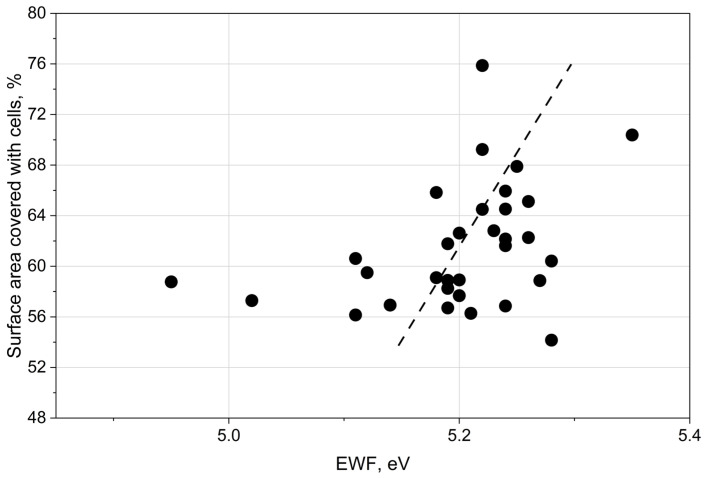 Figure 4
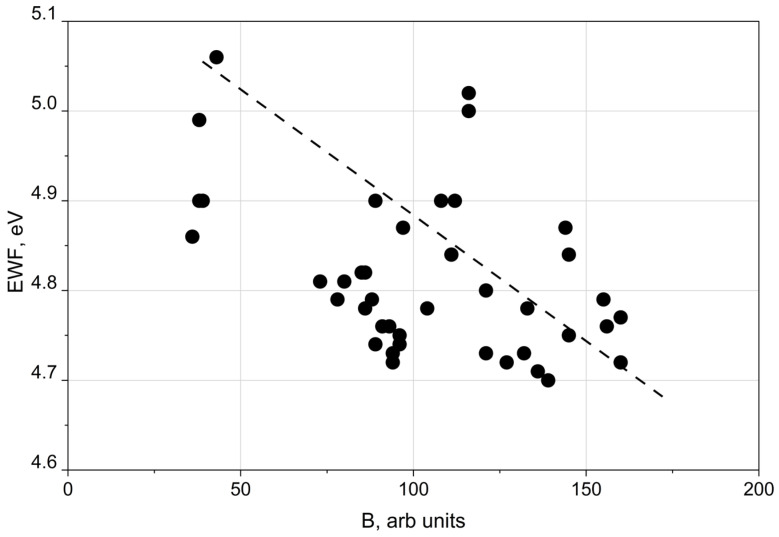 Figure 5
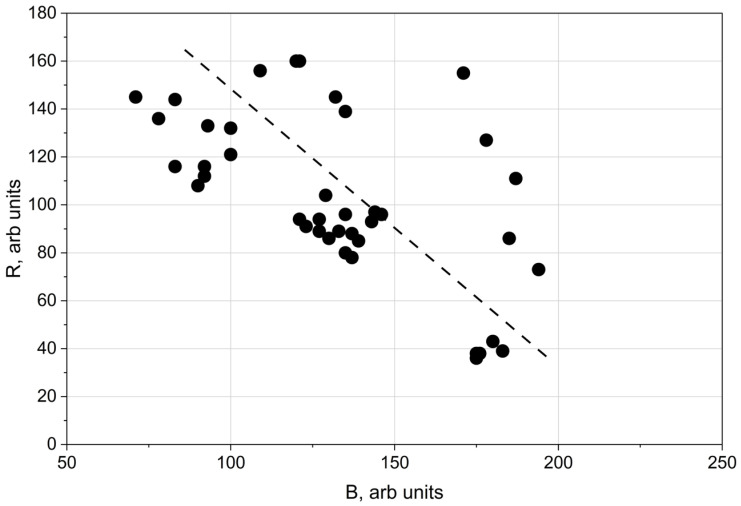 Figure 6
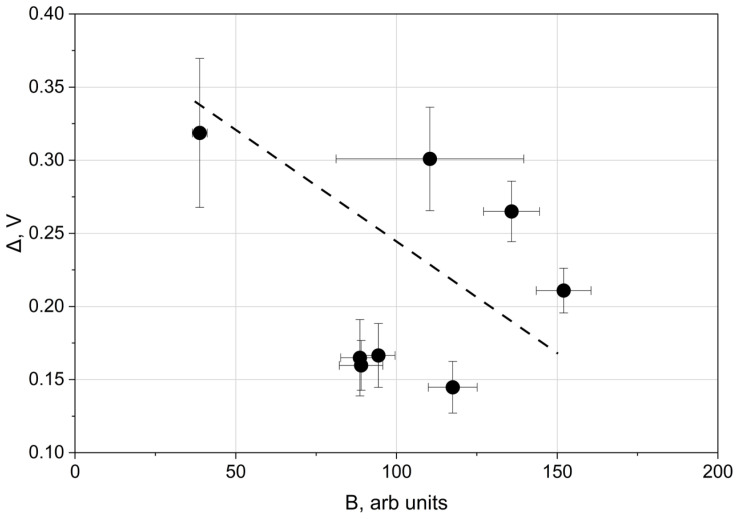 Figure 7
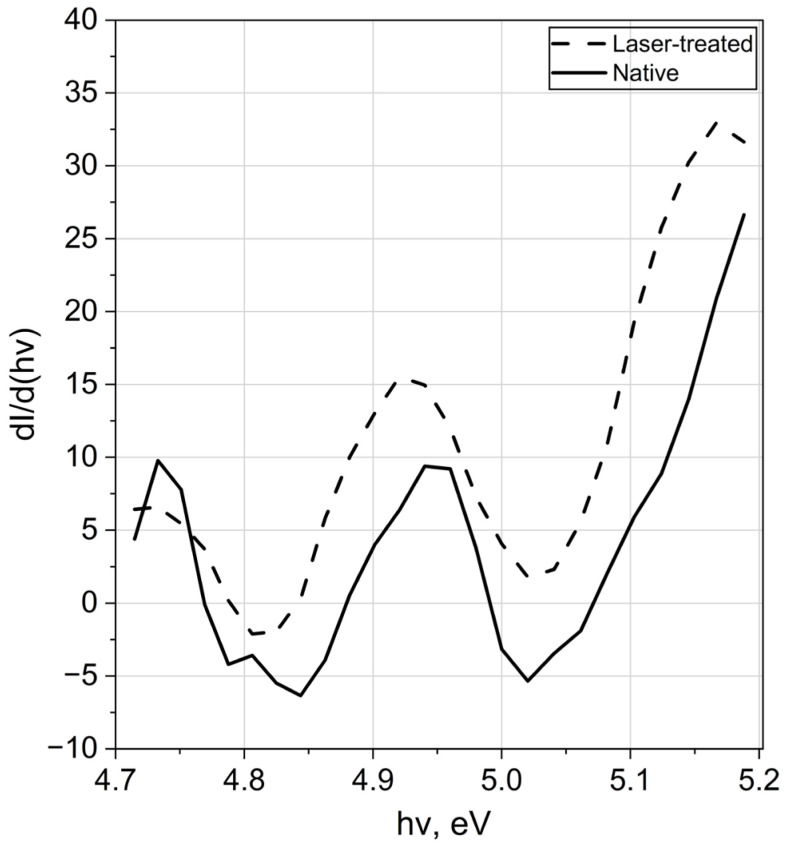 Figure 8
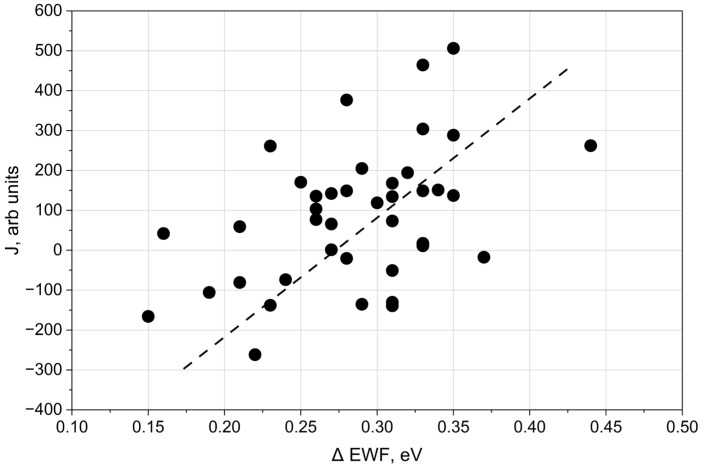 Figure 9
Peer Reviews
No public reviews on file for this paper yet. If you reviewed it on a platform where reviews are public (OpenReview, ICLR, NeurIPS, ICML), you can paste yours below so the community can read it here.
Videos
No videos yet. Explain this paper in a talk, walkthrough, or lecture? Add one.
Taxonomy
TopicsBone Tissue Engineering Materials · Laser Material Processing Techniques · Bacterial biofilms and quorum sensing