Evaluating the Effect of the Schroth Method on Sensorimotor Control in Adolescents with Idiopathic Scoliosis: A Controlled Clinical Trial
Alexandros Kastrinis, Nikolaos Strimpakos, George A. Koumantakis, Dionysios Tzatzaliaris, Marianna Oikonomaki, Zacharias Dimitriadis

TL;DR
This study shows that the Schroth method improves balance and quality of life in adolescents with scoliosis.
Contribution
The study provides empirical evidence that the Schroth method enhances sensorimotor control in AIS patients.
Findings
The Schroth group improved static balance with reduced ellipse area (p = 0.005).
Dynamic balance improved with reduced Fukuda test distance (p = 0.007).
QoL scores significantly increased in the Schroth group (p = 0.000).
Abstract
Background: Adolescent idiopathic scoliosis (AIS) is often associated with central nervous system disorders and deficits in sensorimotor function. While the Schroth method is a common clinical intervention, research evidence regarding its effectiveness in enhancing sensorimotor control remains limited. This study aimed to evaluate the impact of the Schroth method on sensorimotor control and quality of life (QoL) in AIS patients. Methods: Sixty female participants (mean age 13.4 years) with Cobb angles between 10° and 45° were divided into an intervention group (n = 30), receiving Schroth exercises and bracing for 10 weeks, and a control group (n = 30), receiving bracing alone. Outcome measures included static and dynamic balance, spine lateral flexion joint position sense (JPS), upper-limb functional proprioception, and the GR-BSSQ Brace questionnaire. Results: Statistical analysis…
Genes, proteins, chemicals, diseases, species, mutations and cell lines named across the full text — each resolved to its canonical identifier and authoritative record.
Click any figure to enlarge with its caption.
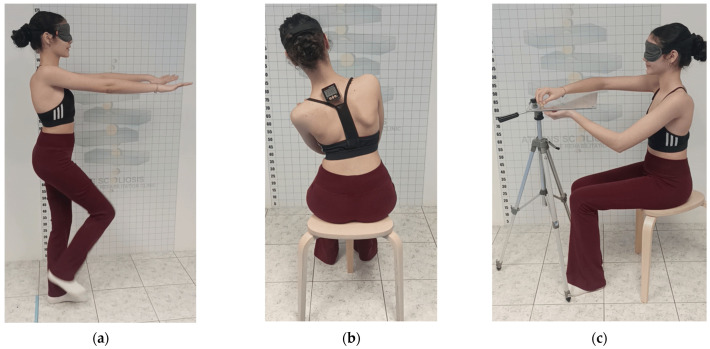 Figure 1
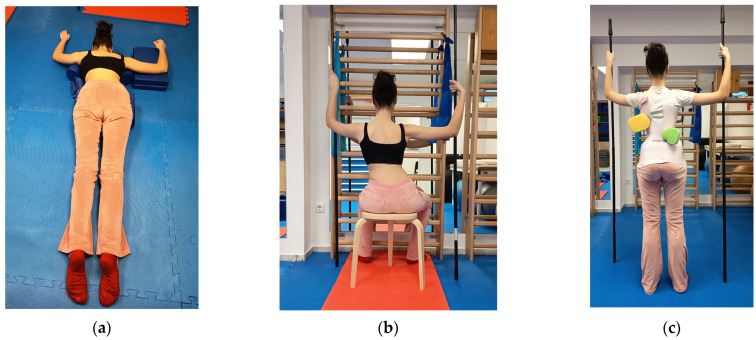 Figure 2
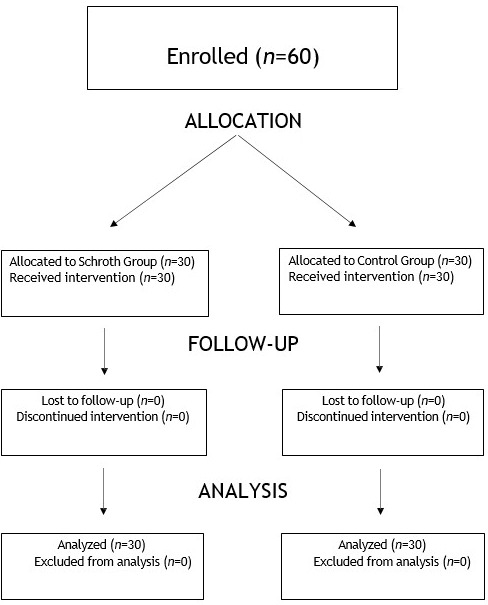 Figure 3
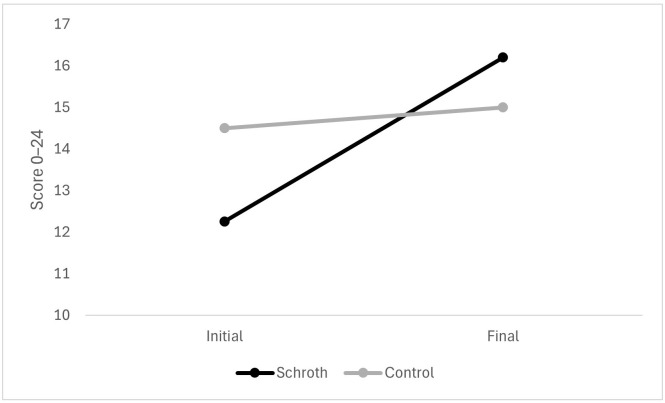 Figure 4
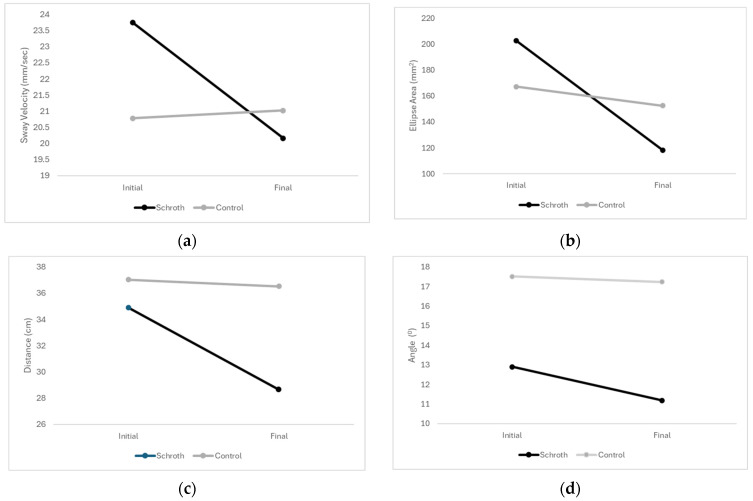 Figure 5
 Figure 6
 Figure 7
Peer Reviews
No public reviews on file for this paper yet. If you reviewed it on a platform where reviews are public (OpenReview, ICLR, NeurIPS, ICML), you can paste yours below so the community can read it here.
Videos
No videos yet. Explain this paper in a talk, walkthrough, or lecture? Add one.
Taxonomy
TopicsScoliosis diagnosis and treatment · Shoulder Injury and Treatment · Hip disorders and treatments