Untargeted LC–MS/MS Metabolomics Reveals Nrf2-Mediated Antioxidant Activation and Metabolic Reprogramming by IAA-Based Hydrazone Derivatives in Subchronic Cadmium Toxicity
Muhammad Usama Munir, Muhammad Sajid Hamid Akash, Kanwal Rehman, Aisha Rafique, Sehar Madni

TL;DR
This study shows that IAA-based hydrazone derivatives protect against cadmium toxicity better than ascorbic acid by boosting antioxidants and fixing metabolic issues.
Contribution
The study introduces IAA-based hydrazone derivatives as superior protectants against cadmium-induced toxicity via Nrf2 activation and metabolic reprogramming.
Findings
Cd exposure caused weight loss, hyperglycemia, and organ damage in rats.
MBIH and FBIH restored metabolic and organ function by upregulating antioxidant genes.
Metabolomics revealed Cd-induced disruptions in amino acid and lipid metabolism.
Abstract
Background: Indole-3-acetic acid (IAA)-based hydrazone derivatives, exemplified by specifically (E)-2-(1H-indol-3-yl)-N′-(3-methoxybenzylidene) acetohydrazide acetohydrazide (MBIH) and (E)-N′-(4-fluorobenzylidene)-2-(1H-indol-3-yl) acetohydrazide (FBIH), have garnered significant attention in the field of heavy metal toxicity for their potent antioxidant and cytoprotective properties. Methods: This study evaluated their efficacy, alongside ascorbic acid (AA), in mitigating sub-chronic cadmium (Cd) toxicity in a rat model. Sixty Swiss albino rats were randomized into five groups: control, Cd-exposed, Cd + AA (100 mg/kg), Cd + MBIH (10 mg/kg), and Cd + FBIH (10 mg/kg). Following 28 days of treatment, we assessed body weight trajectories, fasting blood glucose, and HbA1c. Serum biomarkers of hepatic, renal, inflammatory, and lipid function were quantified. Antioxidant capacity was measured…
Genes, proteins, chemicals, diseases, species, mutations and cell lines named across the full text — each resolved to its canonical identifier and authoritative record.
Click any figure to enlarge with its caption.
 Figure 1
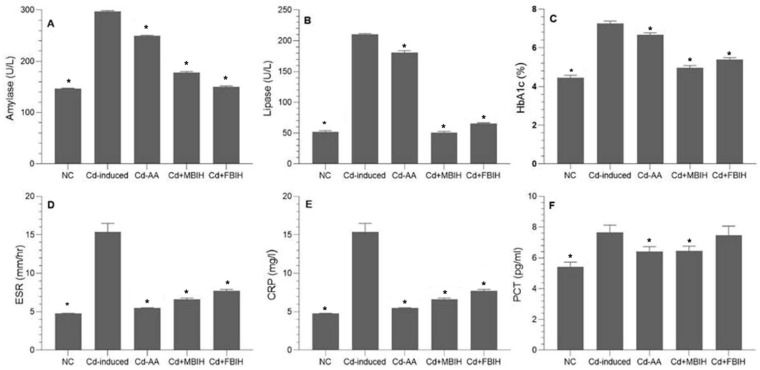 Figure 2
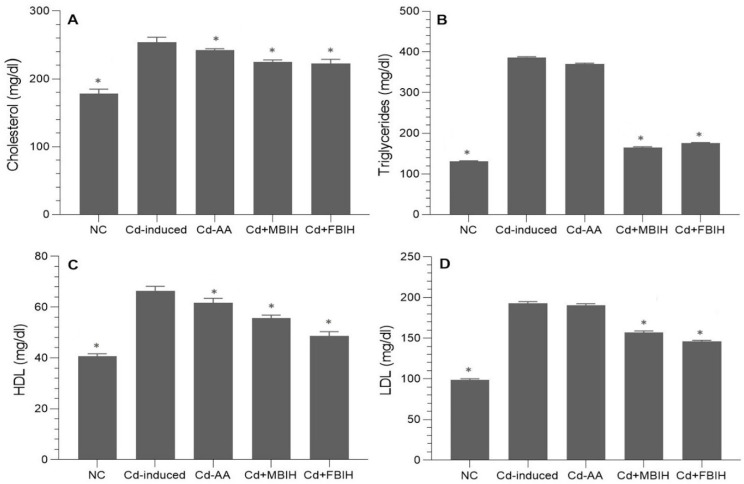 Figure 3
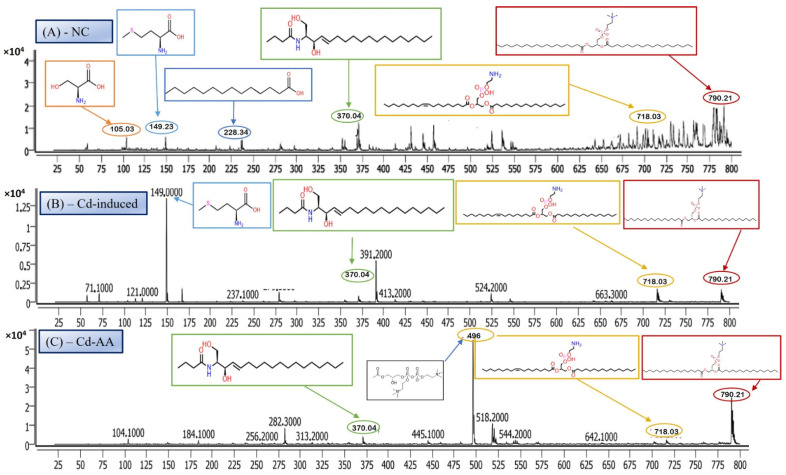 Figure 4
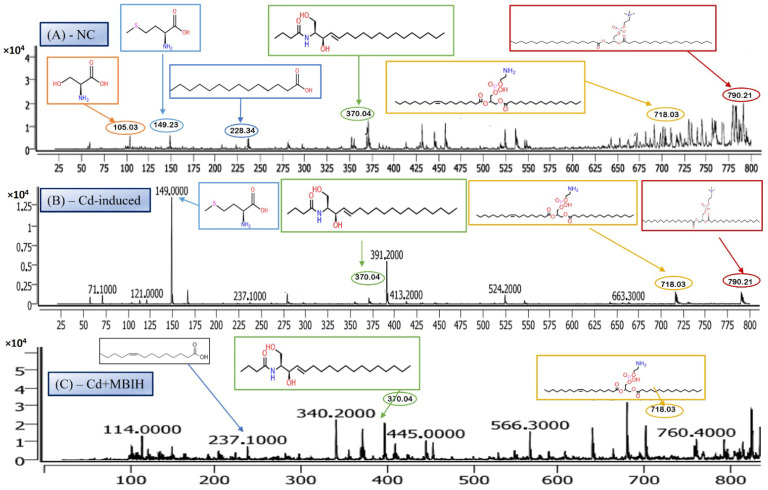 Figure 5
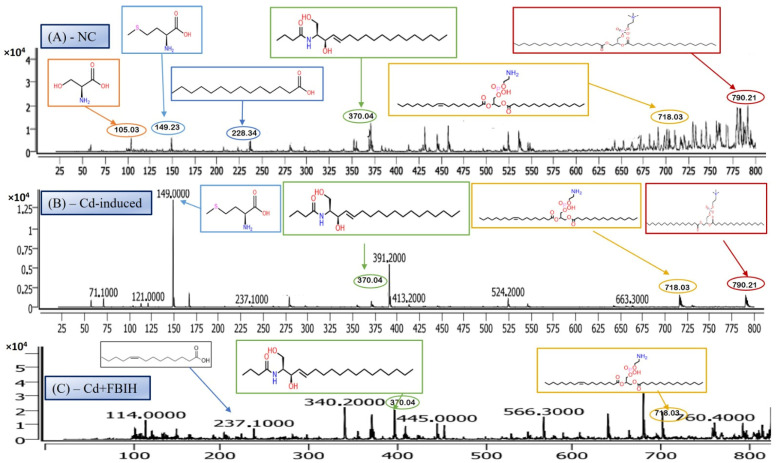 Figure 6
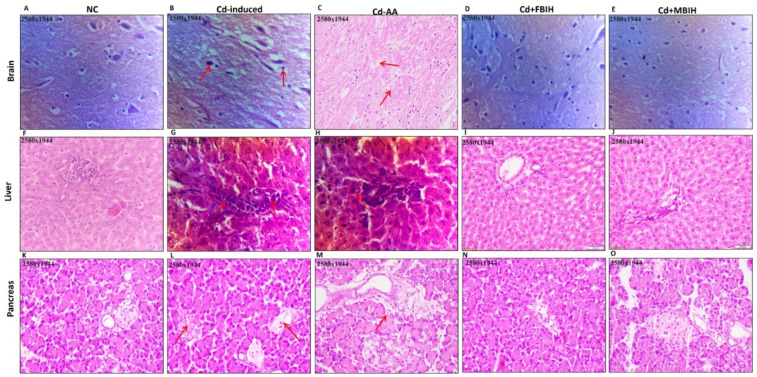 Figure 7
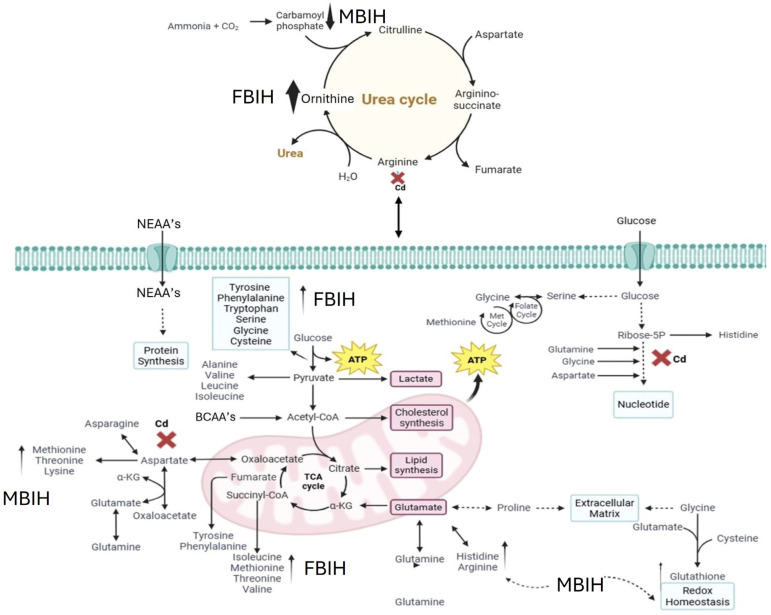 Figure 8
Peer Reviews
No public reviews on file for this paper yet. If you reviewed it on a platform where reviews are public (OpenReview, ICLR, NeurIPS, ICML), you can paste yours below so the community can read it here.
Videos
No videos yet. Explain this paper in a talk, walkthrough, or lecture? Add one.
Taxonomy
TopicsHeavy Metal Exposure and Toxicity · Metabolomics and Mass Spectrometry Studies · Carcinogens and Genotoxicity Assessment