Biphasic Regulation of Epithelial Antimicrobial Peptides During Candida albicans Vaginal Infection: Distinct Contributions of NLRP3/IL-1β and IL-17RA Pathways to β-Defensin-1 and -3 Expression
Sofía Carla Angiolini, Emilse Rodriguez, Clarisa Manzone-Rodriguez, Paula Alejandra Icely, María Soledad Miró, Fernando Oscar Riera, Pablo Iribarren, Juan Pablo Caeiro, Claudia Elena Sotomayor

TL;DR
This study shows how two immune pathways control different antimicrobial peptides during a yeast infection in the vagina, revealing how the infection can temporarily weaken the body's defenses.
Contribution
The study identifies distinct roles of NLRP3/IL-1β and IL-17RA pathways in regulating β-defensin-1 and -3 during Candida infection.
Findings
NLRP3/IL-1β signaling is essential for early β-defensin-1 induction during infection.
IL-17RA signaling supports sustained β-defensin-3 expression.
Candida albicans transiently subverts mucosal defenses during infection.
Abstract
Candida albicans is the primary agent of acute vulvovaginal candidiasis (VVC) and its recurrent form (RVVC). Local innate immunity contributes to both defense and pathogenesis during vaginal Candida infection, where epithelial β-defensins (BD) constitute key components of the mucosal barrier. We previously reported that epithelial BD-1 expression is dynamically modulated during murine and human vaginitis, revealing strain-dependent and stimulus-specific regulation but leaving the host pathways involved unresolved. This study functionally defines the contribution of key immune pathways to epithelial antimicrobial peptide regulation. Using a murine model of VVC and the virulent C. albicans strain SC5314, we aimed to evaluate the immune signaling pathways governing the temporal regulation of epithelial BD-1 and BD-3 expression during vaginal infection. In wild-type mice, both defensins…
Genes, proteins, chemicals, diseases, species, mutations and cell lines named across the full text — each resolved to its canonical identifier and authoritative record.
Click any figure to enlarge with its caption.
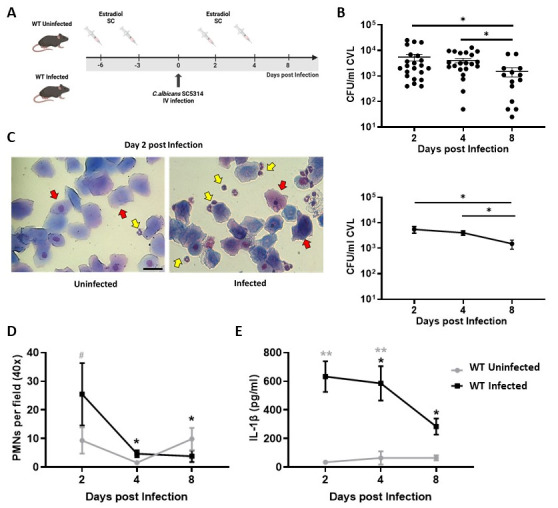 Figure 1
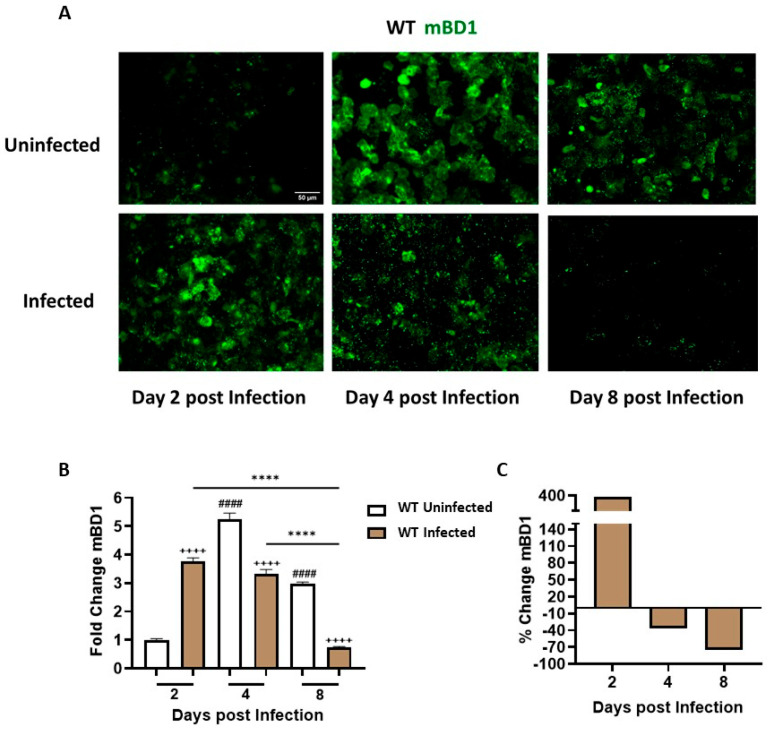 Figure 2
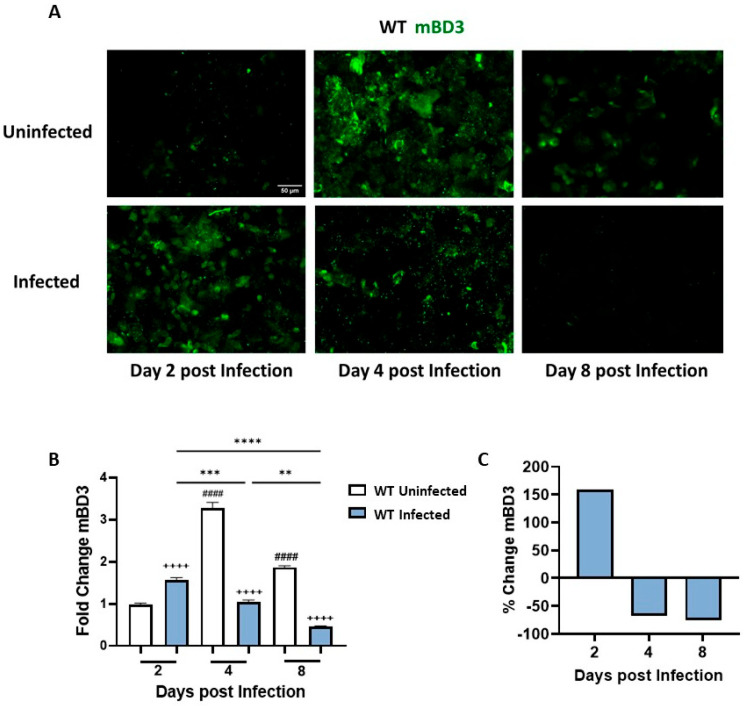 Figure 3
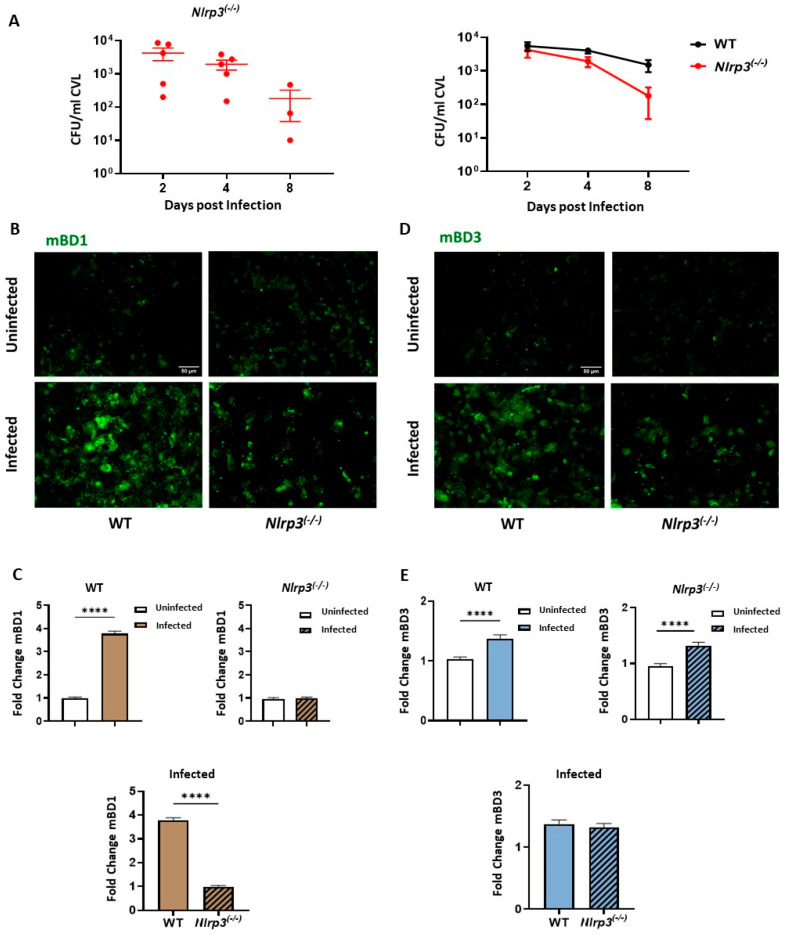 Figure 4
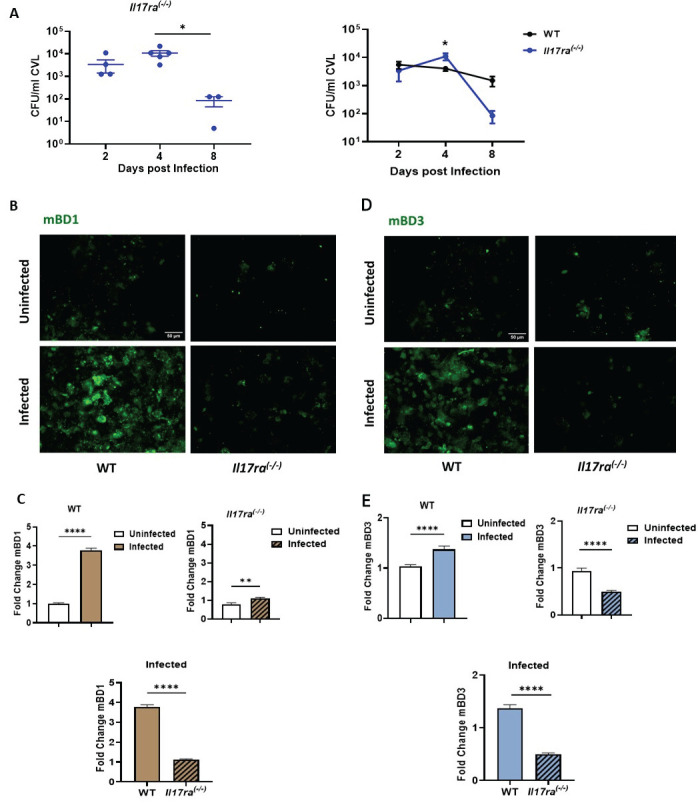 Figure 5
Peer Reviews
No public reviews on file for this paper yet. If you reviewed it on a platform where reviews are public (OpenReview, ICLR, NeurIPS, ICML), you can paste yours below so the community can read it here.
Videos
No videos yet. Explain this paper in a talk, walkthrough, or lecture? Add one.
Taxonomy
TopicsAntimicrobial Peptides and Activities · Reproductive tract infections research · Antifungal resistance and susceptibility