Drawing the Line: From U-Net-Based Glioblastoma Segmentation to Machine Learning-Driven Survival Prediction
Costin Chirica, Bogdan-Ionuț Dobrovăț, Sabina-Ioana Chirica, Oriana-Maria Onicescu, Andreea Rotundu, Emilia-Adriana Marciuc, Laura-Elena Cucu, Daniela Pomohaci, Răzvan-Constantin Anghel, Mihaela-Roxana Popescu, Alexandra Maștaleru, Danisia Haba, Maria Magdalena Leon

TL;DR
This study uses AI to segment brain tumors and predict patient survival, showing that tumor size and features correlate with outcomes.
Contribution
The integration of AI-based segmentation with multi-model machine learning for glioblastoma survival prediction is novel.
Findings
Larger glioblastoma tumors correlate with shorter post-treatment survival.
Necrotic tumor patterns affect survival rates and therapy response.
Neural Networks and Random Forest models effectively predict patient outcomes using imaging biomarkers.
Abstract
Background/Objectives: Glioblastoma (GB) remains the most prevalent primary malignant brain tumor in adults, characterized by its aggressive nature and poor prognosis. The present study endeavored to contribute to the development of advanced computational tools for neuro-oncology by integrating artificial intelligence (AI)-based segmentation and multi-model machine learning (ML) approaches. Methods: A retrospective analysis was conducted on patients with GB. AI-driven algorithms were utilized to perform volumetric segmentation of GB. These quantitative metrics were subsequently integrated into a multi-model ML framework to analyze correlations with patient survival and evaluate the predictive accuracy of the resulting models. Results: A total of 79 patients were ultimately included in the study after meeting all eligibility criteria. The results showed that larger GB tumors were…
Genes, proteins, chemicals, diseases, species, mutations and cell lines named across the full text — each resolved to its canonical identifier and authoritative record.
Click any figure to enlarge with its caption.
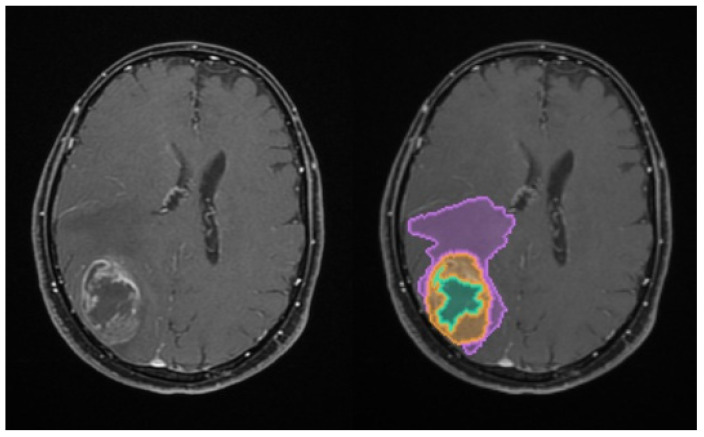 Figure 1
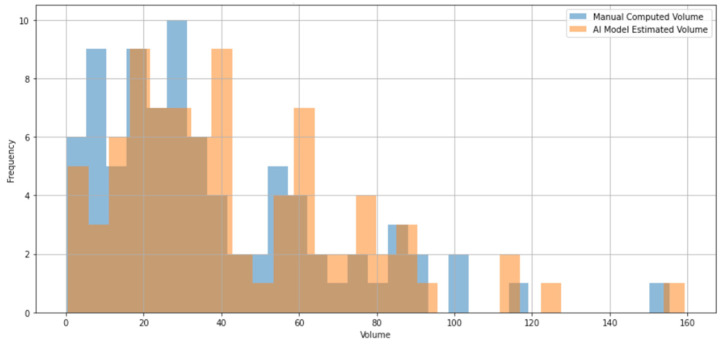 Figure 2
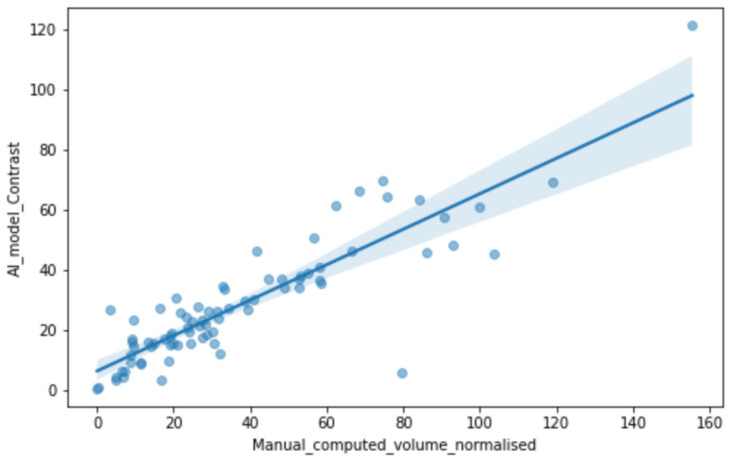 Figure 3
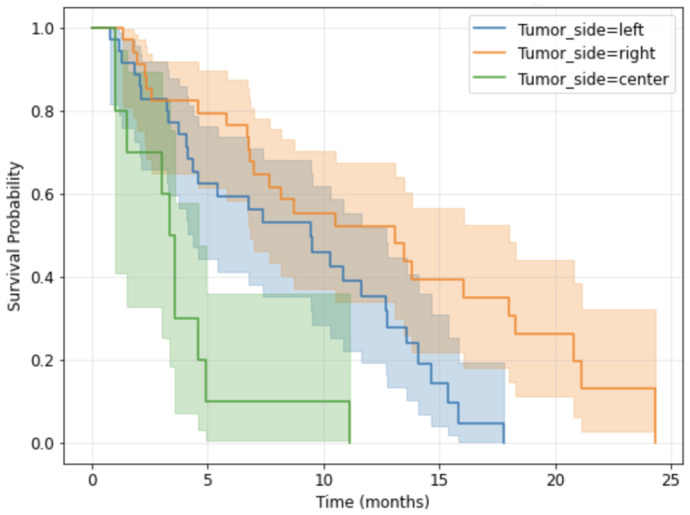 Figure 4
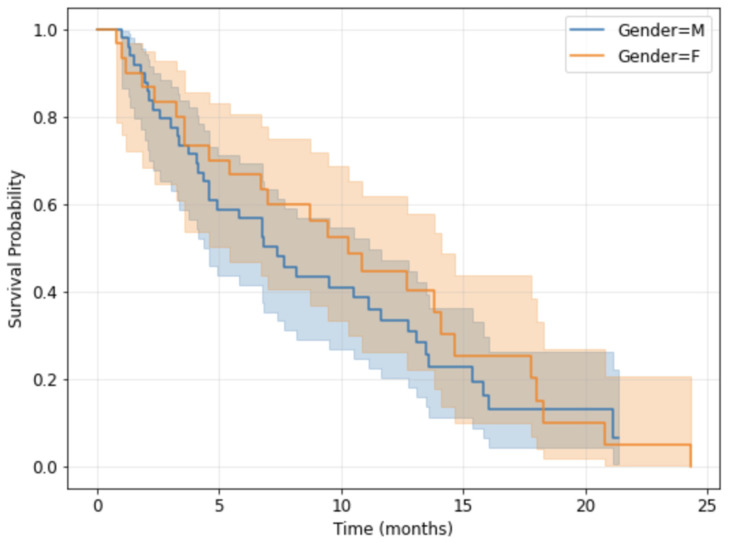 Figure 5
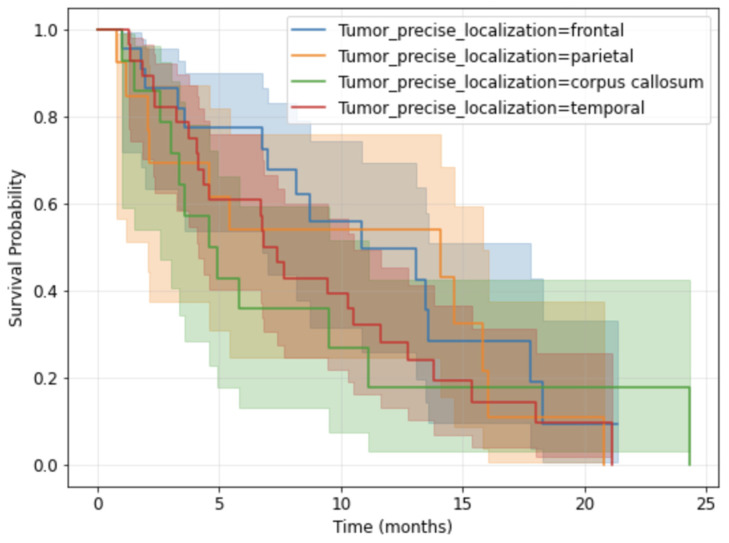 Figure 6
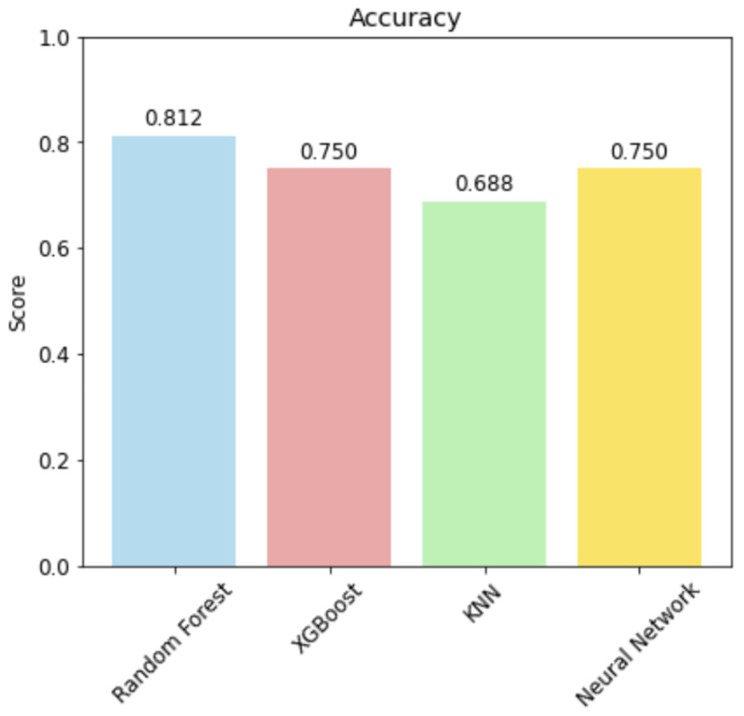 Figure 7
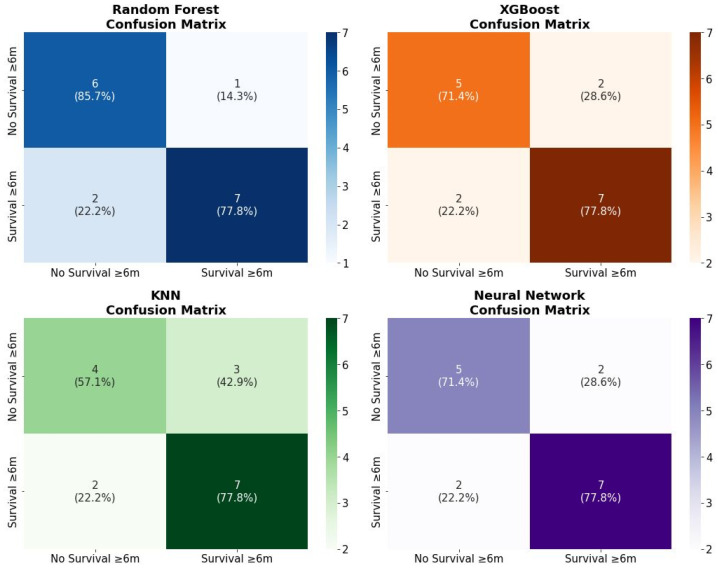 Figure 8
Peer Reviews
No public reviews on file for this paper yet. If you reviewed it on a platform where reviews are public (OpenReview, ICLR, NeurIPS, ICML), you can paste yours below so the community can read it here.
Videos
No videos yet. Explain this paper in a talk, walkthrough, or lecture? Add one.
Taxonomy
TopicsGlioma Diagnosis and Treatment · Brain Tumor Detection and Classification · Radiomics and Machine Learning in Medical Imaging