The Priming Effect of Auxiliary Line Construction on Mathematical Creative Thinking: An fNIRS Study
Chunli Zhang, Kai An, Jiacheng Li, Qinchen Yang, Meihui Song, Li Wang

TL;DR
This study shows that practicing geometric problem-solving with auxiliary lines boosts mathematical creativity, as shown by brain activity and test results.
Contribution
It demonstrates that short-term auxiliary line construction primes mathematical creative thinking through specific brain activation and connectivity changes.
Findings
The auxiliary line group scored higher in fluency and originality of mathematical creative thinking.
The auxiliary line group showed stronger activation in the right superior frontal gyrus during the priming phase.
Post-test brain connectivity showed a lower clustering coefficient and reduced small-world network properties in the auxiliary line group.
Abstract
Auxiliary line construction has been identified as a crucial approach to fostering mathematical creative thinking. However, existing studies have only focused on the correlations between auxiliary line construction tasks and mathematical creative thinking, without investigating whether engaging in auxiliary line construction can improve mathematical creativity. As a well-established research paradigm, cognitive priming can elicit changes in thinking within a short period. Based on this idea, the present study adopted the cognitive priming paradigm combined with functional near-infrared spectroscopy (fNIRS) technology, and randomly assigned 42 Chinese college students to an auxiliary line group or a control group. The students’ brain activity was monitored in real time during the priming phase (the auxiliary line group completed geometric problems requiring auxiliary line construction,…
Genes, proteins, chemicals, diseases, species, mutations and cell lines named across the full text — each resolved to its canonical identifier and authoritative record.
Click any figure to enlarge with its caption.
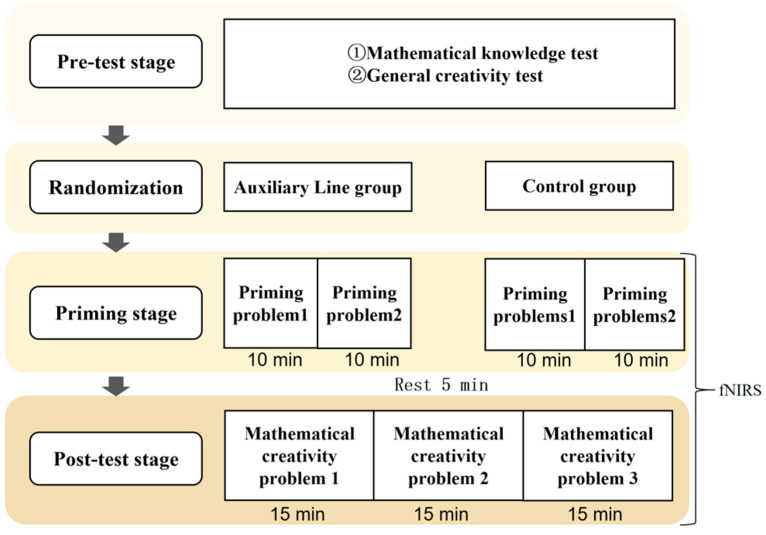 Figure 1
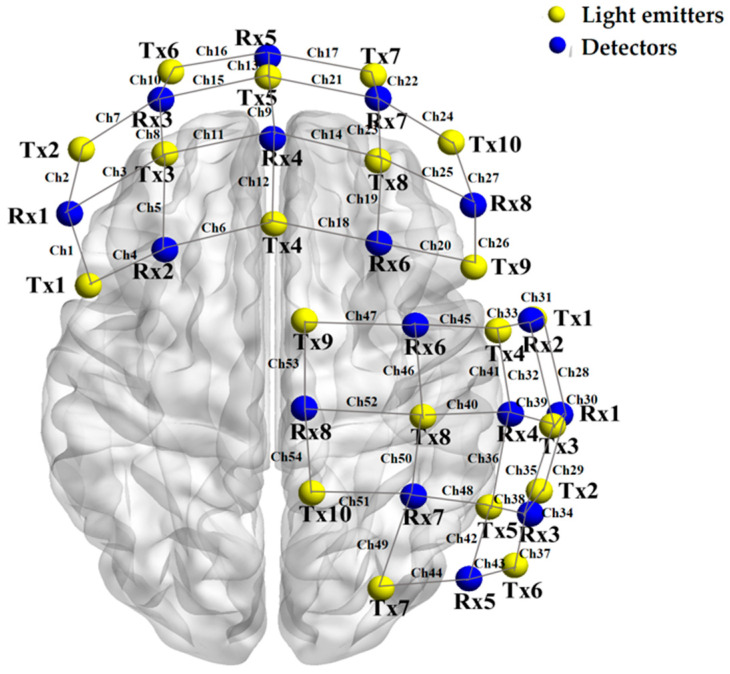 Figure 2
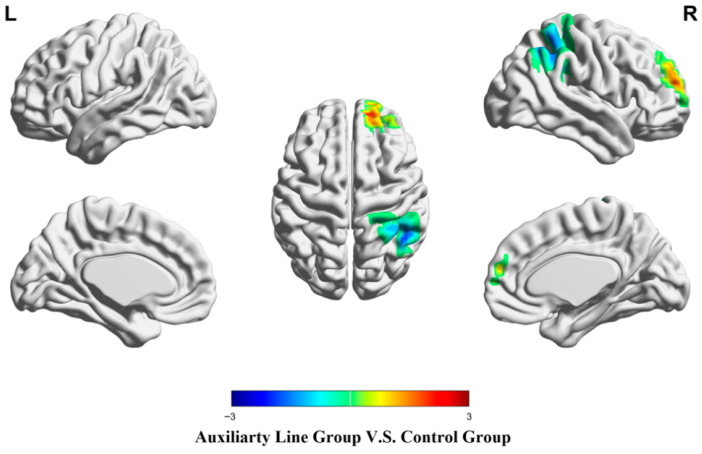 Figure 3
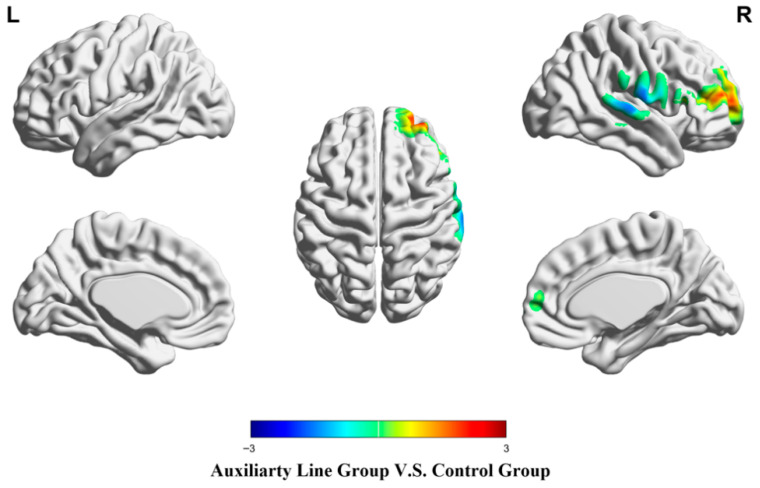 Figure 4
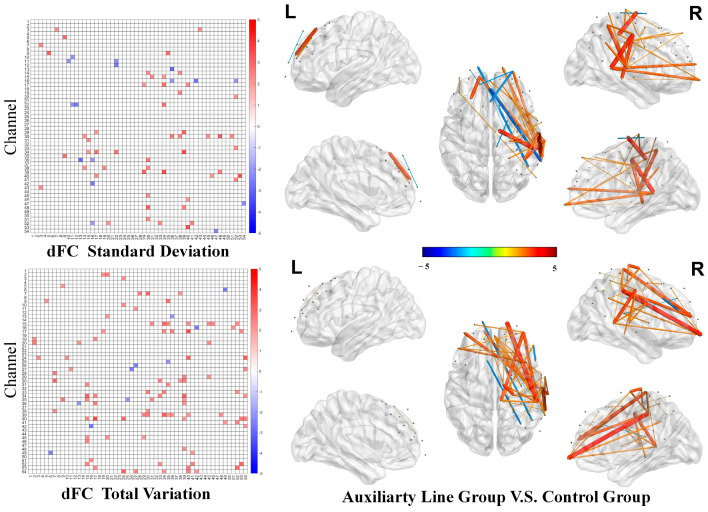 Figure 5
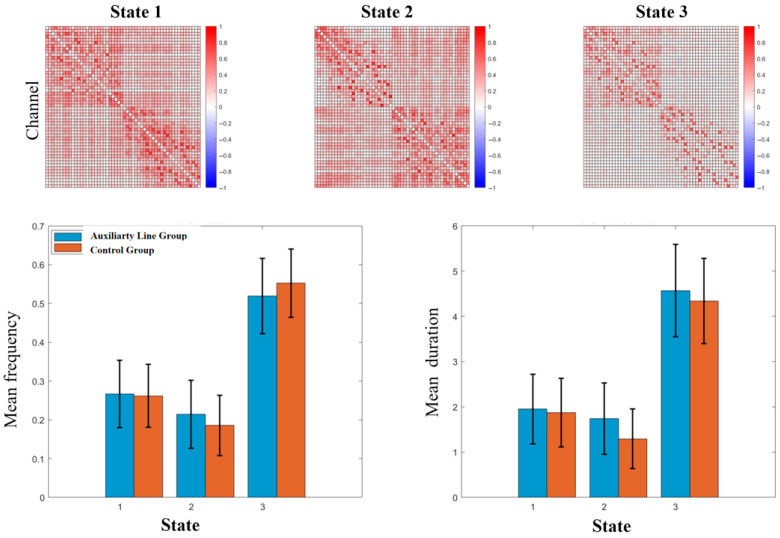 Figure 6
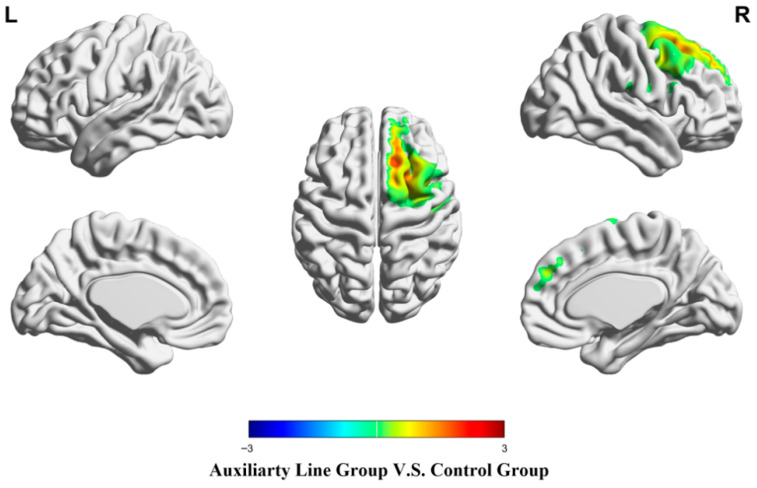 Figure 7
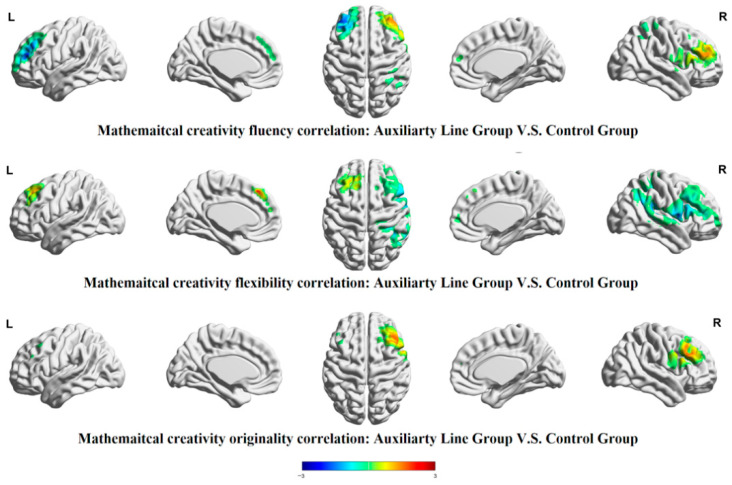 Figure 8
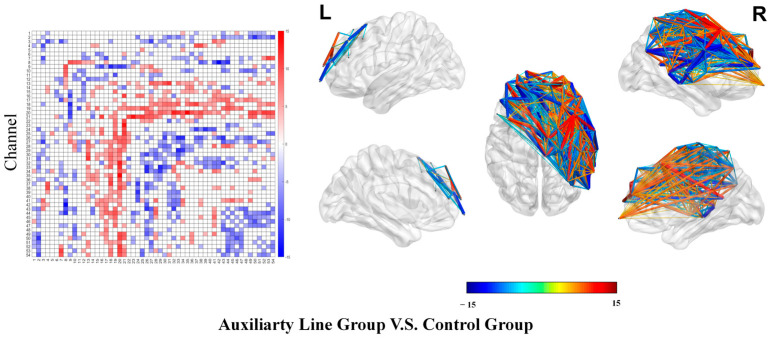 Figure 9
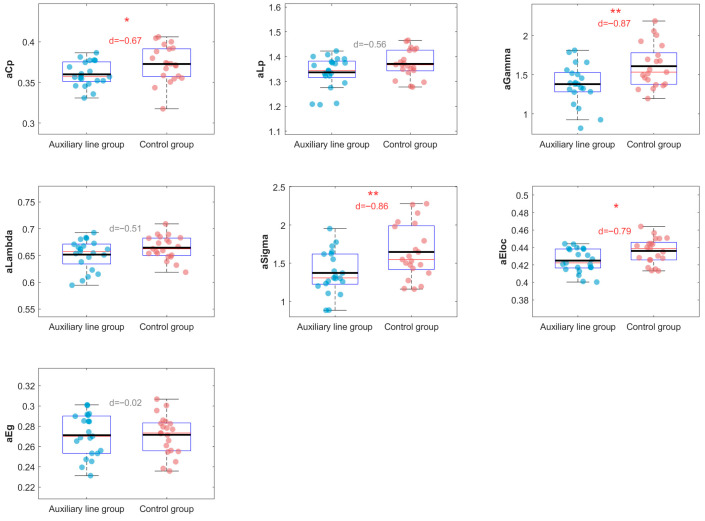 Figure 10
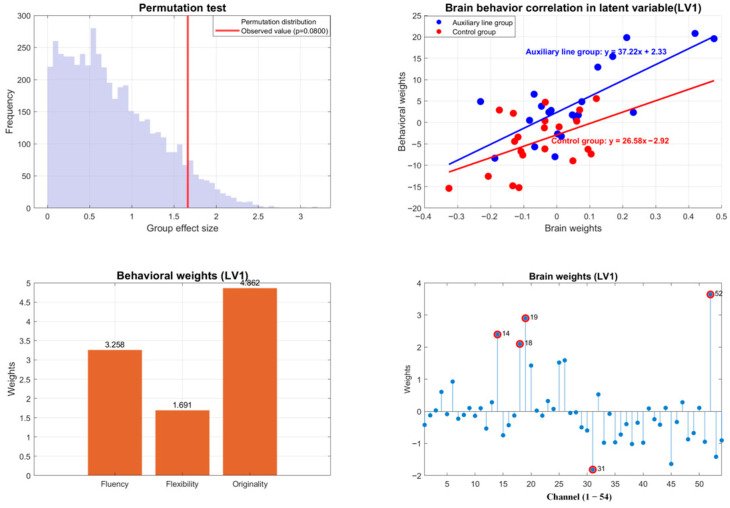 Figure 11
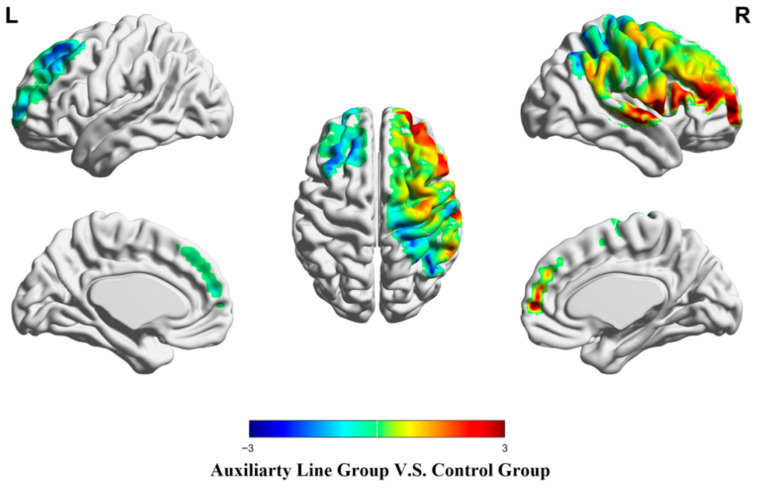 Figure 12
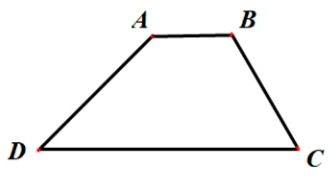 Figure 13
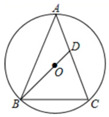 Figure 14
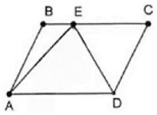 Figure 15
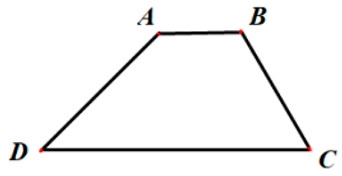 Figure 16
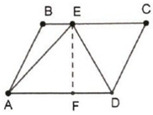 Figure 17
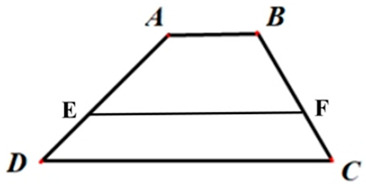 Figure 18
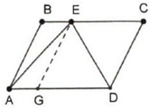 Figure 19
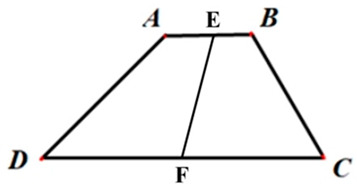 Figure 20
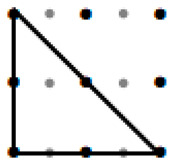 Figure 21
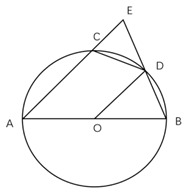 Figure 22
Peer Reviews
No public reviews on file for this paper yet. If you reviewed it on a platform where reviews are public (OpenReview, ICLR, NeurIPS, ICML), you can paste yours below so the community can read it here.
Videos
No videos yet. Explain this paper in a talk, walkthrough, or lecture? Add one.
Taxonomy
TopicsCreativity in Education and Neuroscience · Cognitive and developmental aspects of mathematical skills · Aesthetic Perception and Analysis