Determination of Fracture Mechanism and Mode II Fracture Toughness of Red Sandstone Subjected to Compressive-Shear Loading
Chang-Hong Lei, Huai-Zhong Liu, Hong-Qiang Xie, Ming-Li Xiao, Gan Feng, Zhao-Qiang Zheng

TL;DR
This study improves the measurement of mode II fracture toughness in red sandstone by considering crack initiation angles and proposing a modified method.
Contribution
A modified Mohr–Coulomb criterion incorporating fracture angle and Mode I stress intensity factor is proposed for accurate mode II fracture toughness determination.
Findings
Red sandstone exhibits distinct fracture mechanisms under varying loading angles, including tensile spalling, shear fractures, and tensile fractures.
Traditional mode II fracture toughness methods are inaccurate due to crack initiation angle deviation from the initial crack plane.
A refined framework is established for mode II fracture toughness determination under compression–shear conditions.
Abstract
Mode II fracture toughness is an important material parameter of rocks, but accurate measurement of this parameter is still a challenge in rock fracture mechanics. This study aims to modify the mode II fracture toughness of red sandstone measured through shear box testing by emphasizing the critical role of crack initiation angle. Experimental tests combining fracture trajectory scanning and digital image correlation reveal distinct fracture mechanisms of red sandstone under varying loading angles: tensile spalling dominates low angles, and shear fractures emerge at medium angles, while tensile fracture initiates from the rock bridge center at high angles. Although shear fracture initiates from the notch tip, its initiation angle deviates from the initial crack plane, invalidating traditional mode II fracture toughness determination methods. A modified Mohr–Coulomb criterion…
Click any figure to enlarge with its caption.
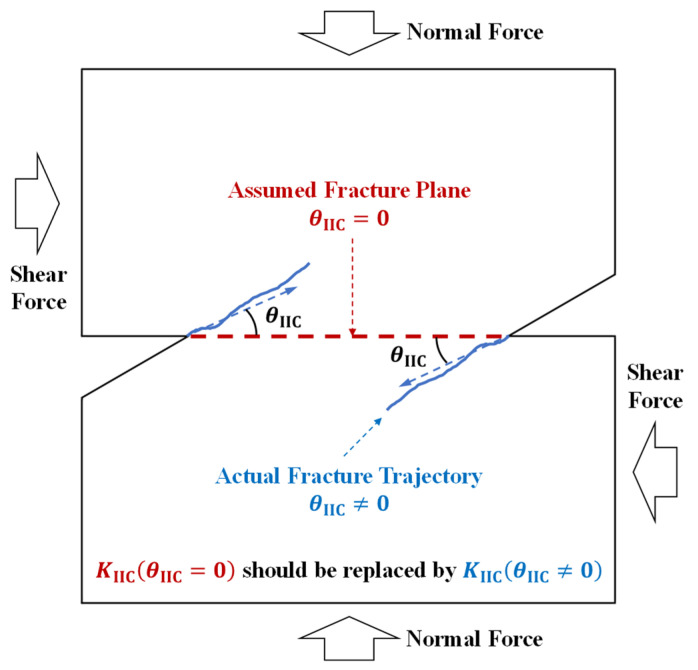 Figure 1
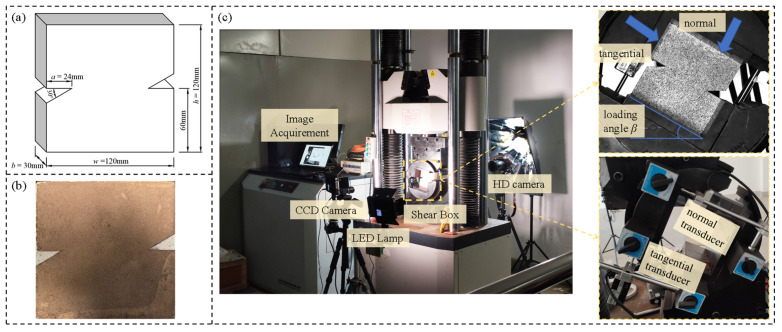 Figure 2
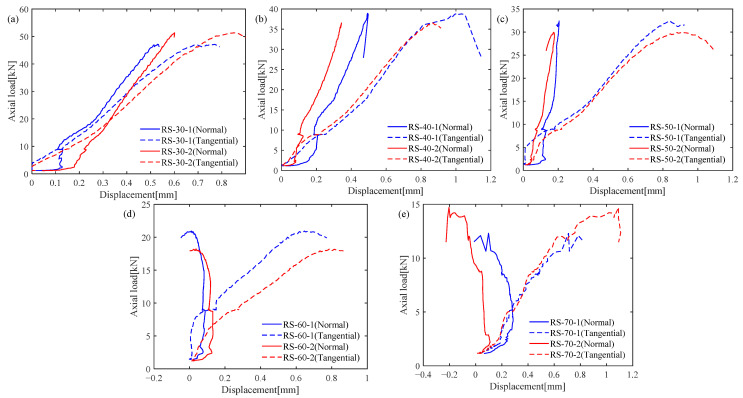 Figure 3
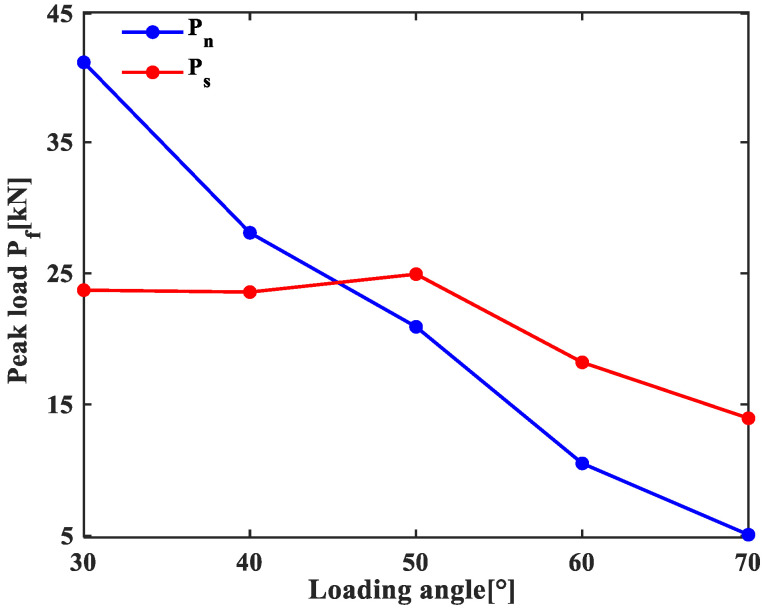 Figure 4
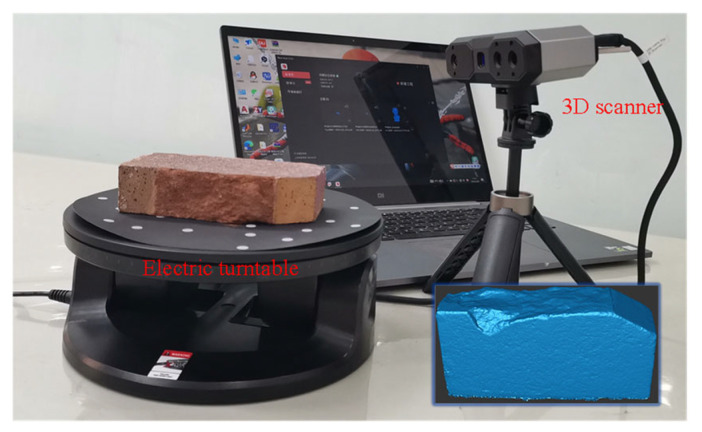 Figure 5
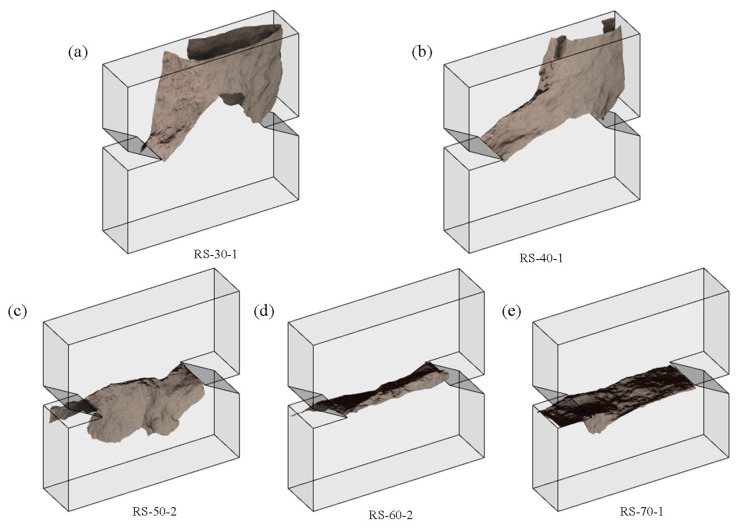 Figure 6
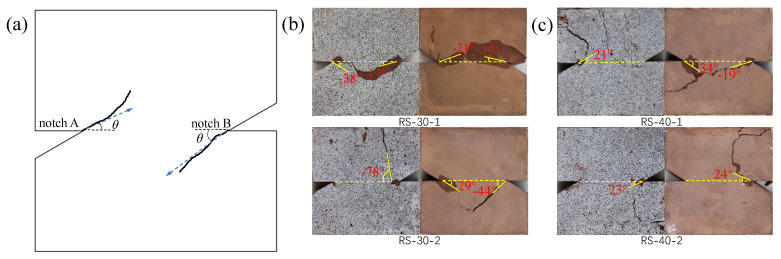 Figure 7
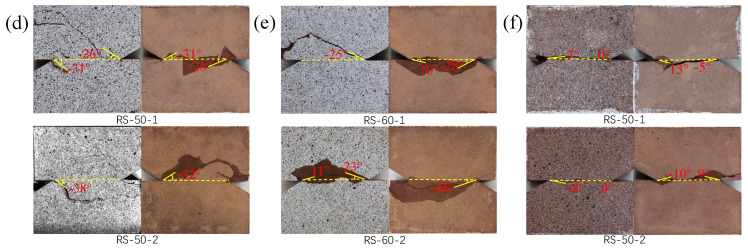 Figure 8
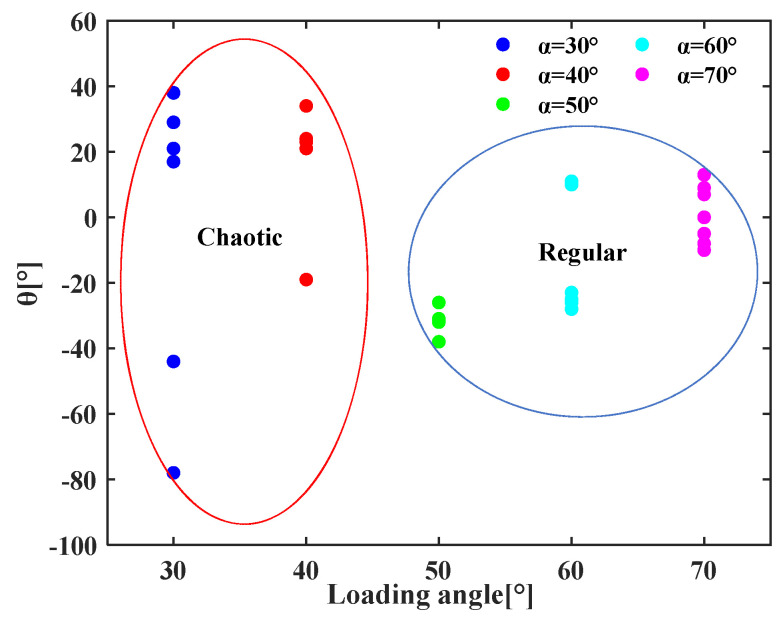 Figure 9
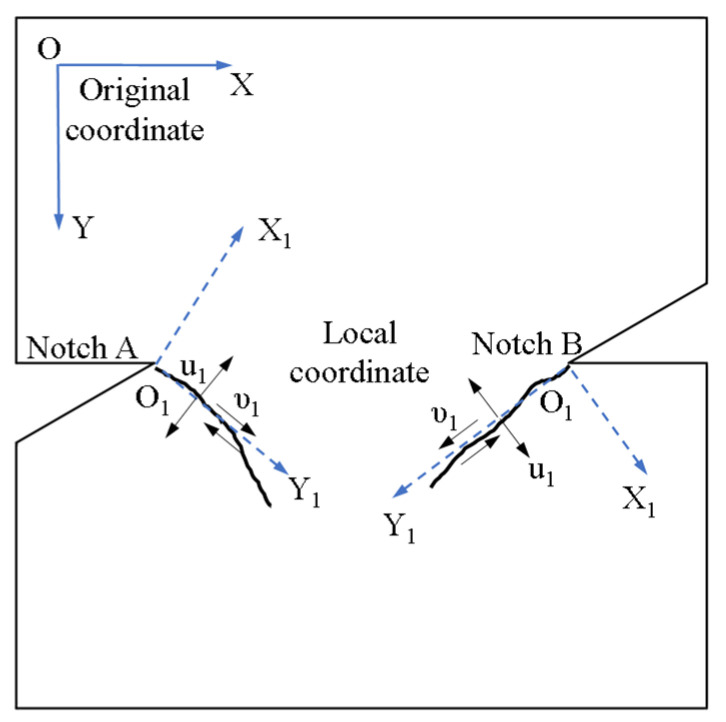 Figure 10
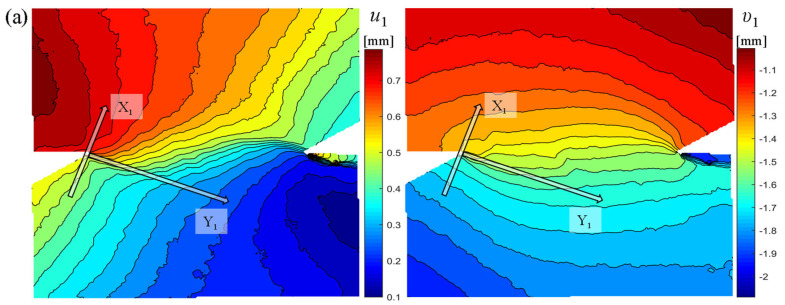 Figure 11
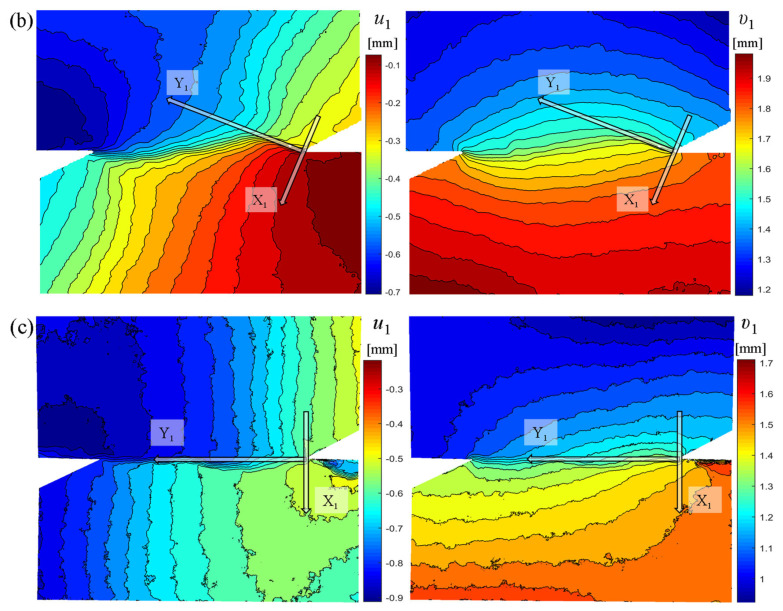 Figure 12
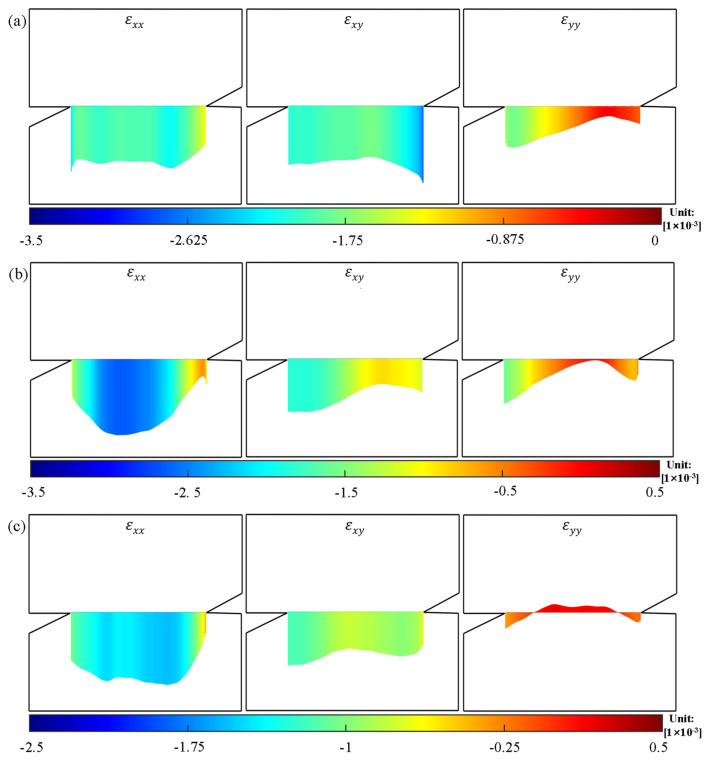 Figure 13
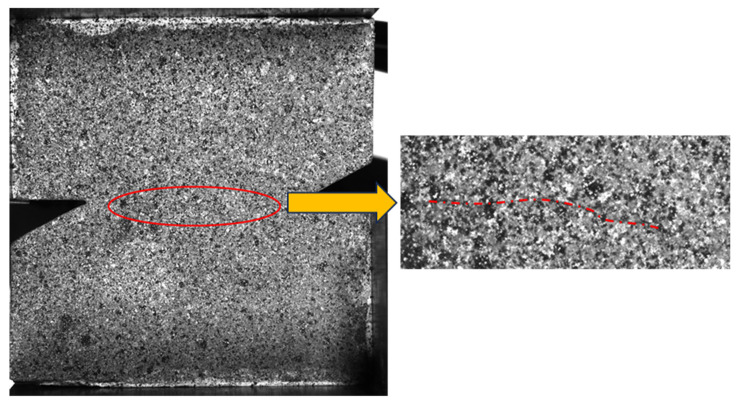 Figure 14
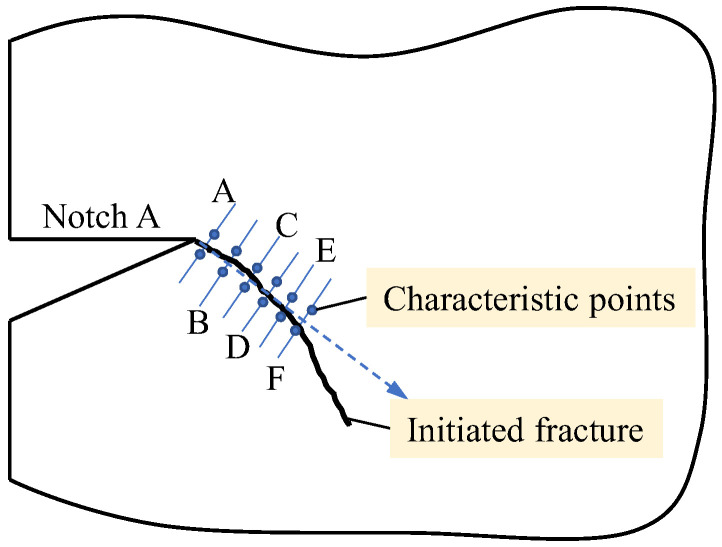 Figure 15
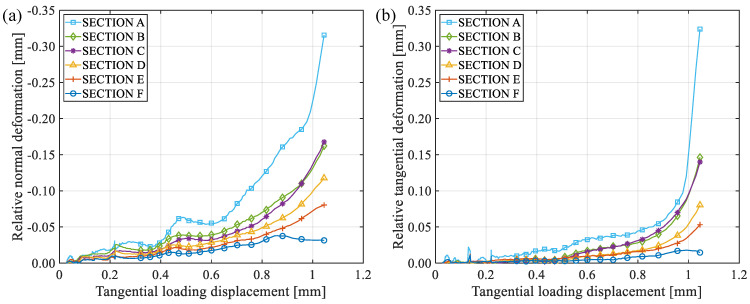 Figure 16
 Figure 17
 Figure 18
 Figure 19
 Figure 20
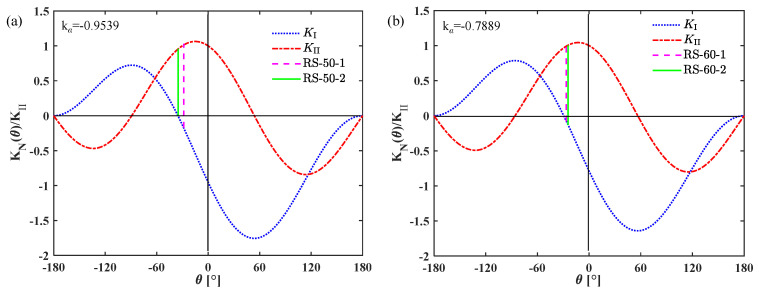 Figure 21
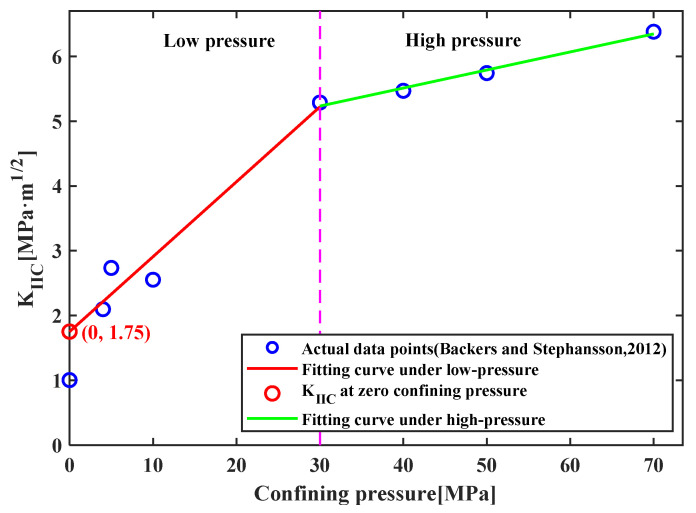 Figure 22
Peer Reviews
No public reviews on file for this paper yet. If you reviewed it on a platform where reviews are public (OpenReview, ICLR, NeurIPS, ICML), you can paste yours below so the community can read it here.
Videos
No videos yet. Explain this paper in a talk, walkthrough, or lecture? Add one.
Taxonomy
TopicsRock Mechanics and Modeling · Numerical methods in engineering · Geotechnical Engineering and Soil Mechanics