Computational Microscopy Reveals Compound-Specific Flickering Phenotypes of Red Blood Cells Under Flavonoid Exposure
Carlos del Pozo-Rojas, Sandra Montalvo-Quirós, Lourdes Rufo, José María Bueno, Macarena Calero, Francisco Monroy, Diego Herráez-Aguilar

TL;DR
A new computational microscopy method reveals how different flavonoids affect red blood cell mechanics by analyzing their flickering behavior.
Contribution
Introduces a framework combining bright-field imaging and flickering spectroscopy to phenotype RBC mechanics under flavonoid exposure.
Findings
Flavonoid treatment alters RBC flickering spectra and mechanical parameters in a compound-specific manner.
Aglycone flavonoids show distinct modulation patterns compared to glycosylated ones, indicating different membrane interactions.
Combining static and dynamic analysis improves discrimination of mechanical phenotypes compared to using either alone.
Abstract
Red blood cell (RBC) membrane flickering arises from the interplay between thermal fluctuations, cytoskeletal elasticity, and metabolically driven non-equilibrium processes, making it a sensitive reporter of membrane mechanical state. Here, we introduce a computational microscopy framework that integrates bright-field morphometry with high-speed flickering spectroscopy to phenotype single-cell RBC mechanics under flavonoid exposure. As a proof of concept, human erythrocytes from a single donor were incubated with structurally distinct flavonoids (quercetin, apigenin, and rutin) prepared at sub-hemolytic concentrations, ensuring preservation of membrane integrity. Static shape descriptors and dynamic fluctuation spectra were extracted from segmented cell contours and analyzed through Fourier-mode decomposition to obtain compound-specific mechanical signatures. While gross morphology…
Genes, proteins, chemicals, diseases, species, mutations and cell lines named across the full text — each resolved to its canonical identifier and authoritative record.
Click any figure to enlarge with its caption.
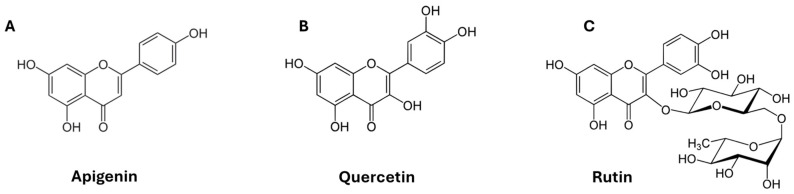 Figure 1
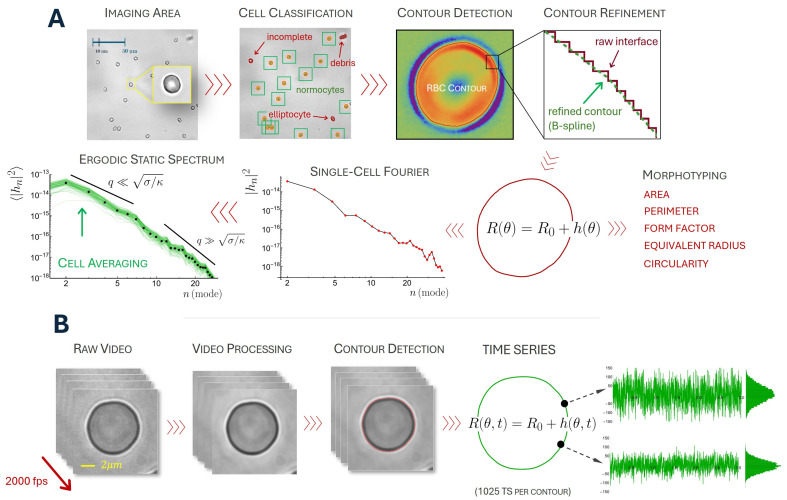 Figure 2
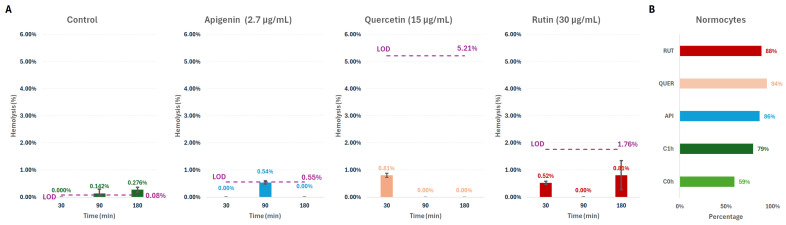 Figure 3
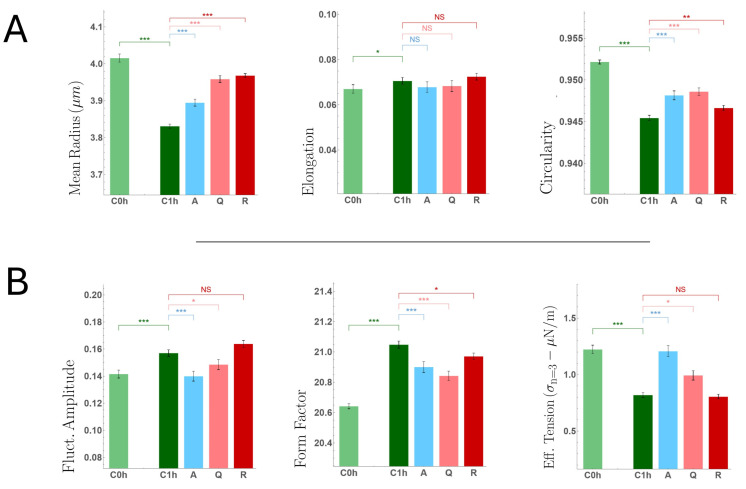 Figure 4
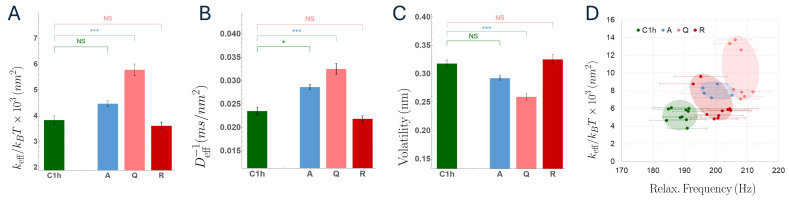 Figure 5
Peer Reviews
No public reviews on file for this paper yet. If you reviewed it on a platform where reviews are public (OpenReview, ICLR, NeurIPS, ICML), you can paste yours below so the community can read it here.
Videos
No videos yet. Explain this paper in a talk, walkthrough, or lecture? Add one.
Taxonomy
TopicsErythrocyte Function and Pathophysiology · Digital Holography and Microscopy · Blood properties and coagulation