A New Power Dissipation Model and Its Analytic Formulation for Electric-Field-Driven Water Dissociation in the Cationic/Anionic Bipolar Polymer Membrane Junctions
Mohamed Fadel Anass Ma-el-ainine, Rachid Boukhili, Oumarou Savadogo

TL;DR
This paper introduces a new model explaining how electric fields enhance water dissociation in bipolar polymer membranes, offering a quadratic relationship between field strength and dissociation rate.
Contribution
The novel power dissipation model explains water dissociation in bipolar membranes without adjustable parameters and predicts a quadratic current–voltage relationship.
Findings
The model shows that field-enhanced dissociation rate constants depend quadratically on the electric field.
Experimental validation confirms the quadratic current–voltage trend in a commercial bipolar membrane.
The model provides a falsifiable baseline for future studies on water dissociation mechanisms.
Abstract
Bipolar Polymer Membranes (BPMs) enable the creation of large, stable pH gradients by driving water dissociation (WD) at the cation/anion junction under reverse bias, a process central to electrodialysis, CO2 capture, and emerging acid–alkaline water electrolysis. Yet despite decades of study, the mechanism by which intense interfacial electric fields accelerate WD remains debated and is often modeled with ad hoc assumptions. In this study, we present a power dissipation model in which minority ions from water autoprotolysis act as carriers that continuously dissipate field-supplied power in the hydrated nanometric junction. This dissipative input increases the local probability of heterolytic O–H bond cleavage and analytically leads to a quadratic dependence of the dissociation rate constant on the field. Without adjustable parameters, the model reproduces the required orders of…
Genes, proteins, chemicals, diseases, species, mutations and cell lines named across the full text — each resolved to its canonical identifier and authoritative record.
Click any figure to enlarge with its caption.
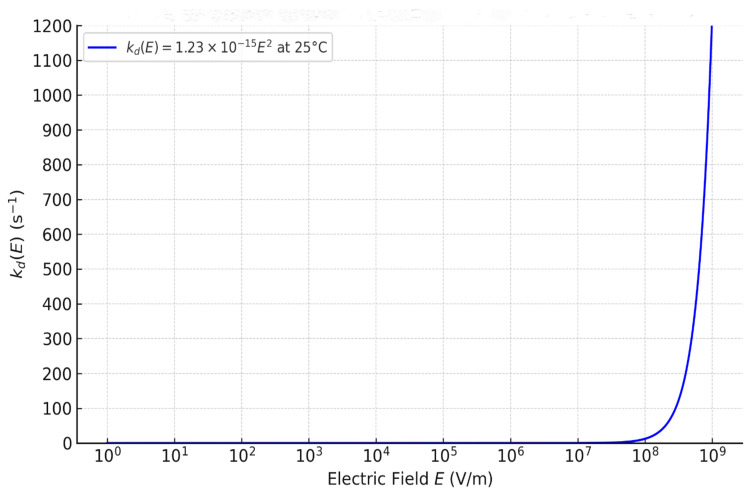 Figure 1
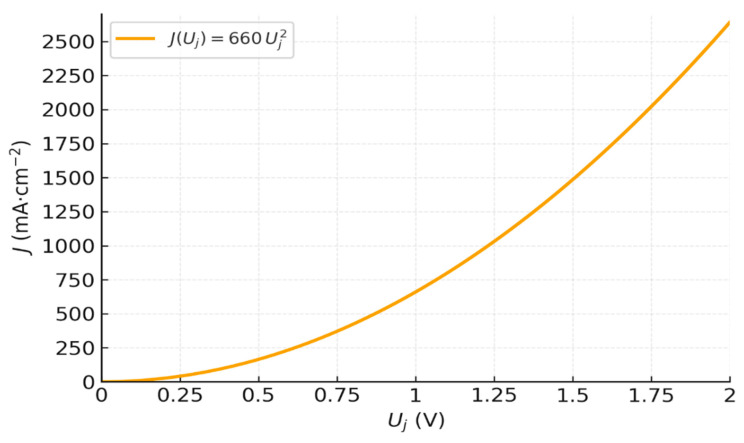 Figure 2
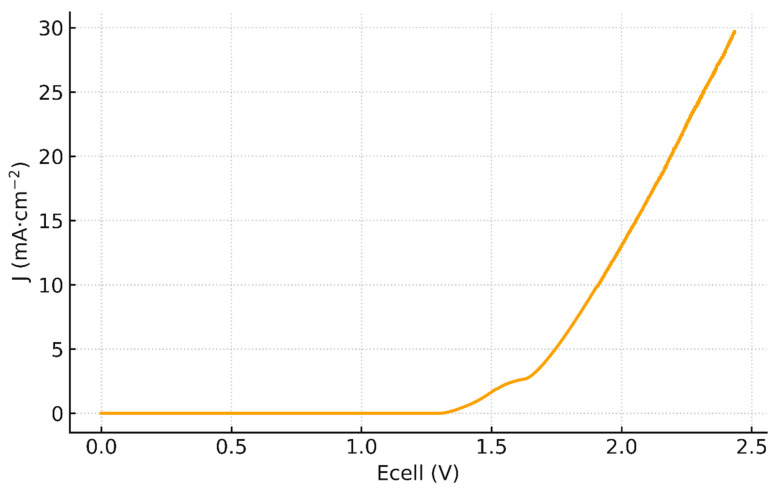 Figure 3
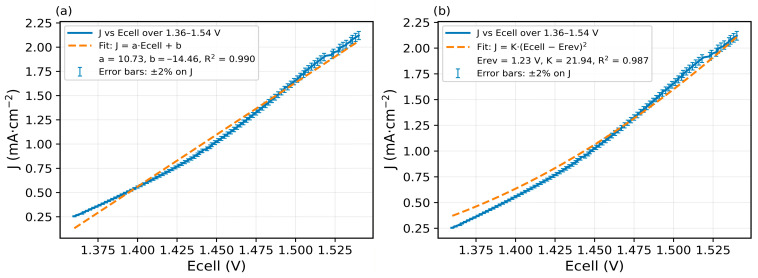 Figure 4
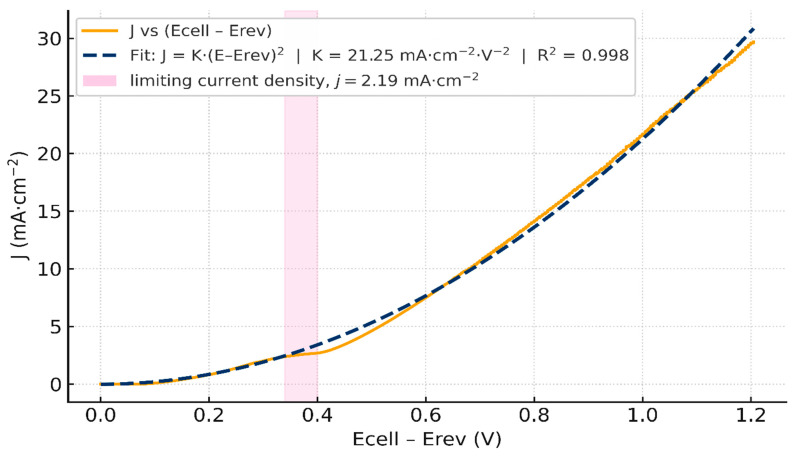 Figure 5
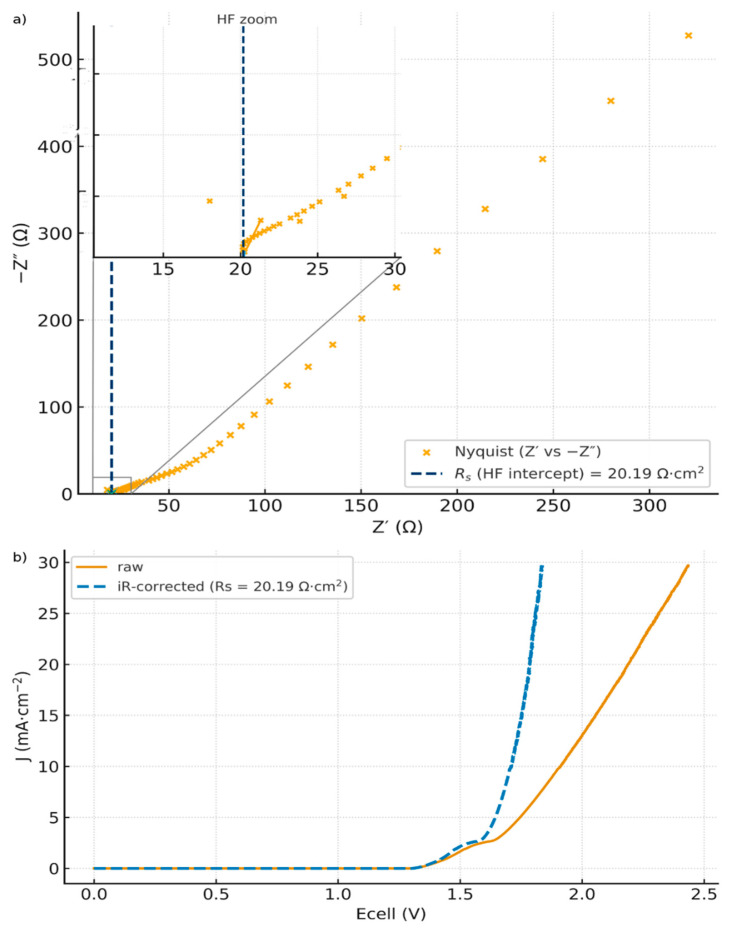 Figure 6
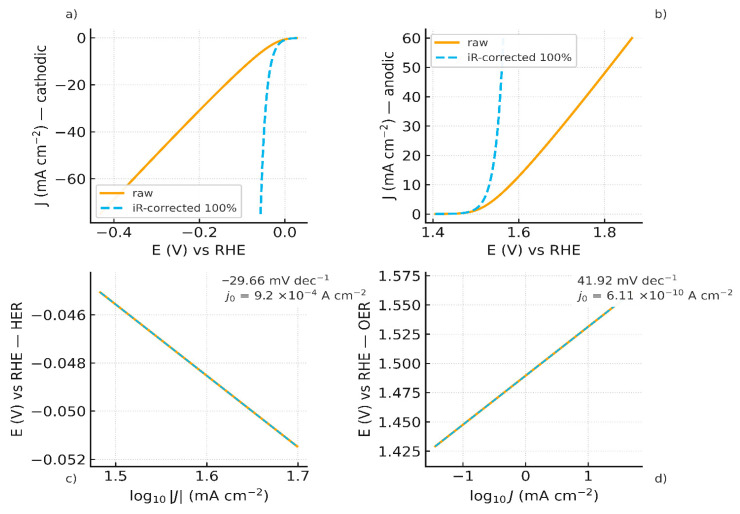 Figure 7
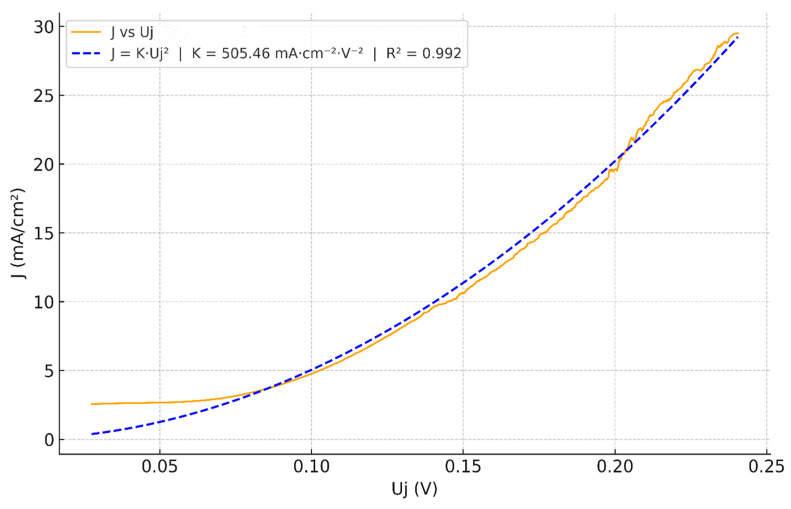 Figure 8
Peer Reviews
No public reviews on file for this paper yet. If you reviewed it on a platform where reviews are public (OpenReview, ICLR, NeurIPS, ICML), you can paste yours below so the community can read it here.
Videos
No videos yet. Explain this paper in a talk, walkthrough, or lecture? Add one.
Taxonomy
TopicsMembrane-based Ion Separation Techniques · Fuel Cells and Related Materials · Nanopore and Nanochannel Transport Studies