Calculation of Austenite Generalized Stacking Fault Energy in M50NiL Steel
Zifeng Ding, Jiaxu Guo, Lina Zhou, Xinghong Zhang, Xinxin Ma

TL;DR
This study calculates how alloying elements and carbon atoms affect the stacking fault energy in M50NiL steel, explaining how these changes influence the formation of sub-micron crystal regions.
Contribution
A novel GSFE model for austenite in M50NiL steel was developed using first-principles calculations to explore the effects of alloying elements and carbon atoms.
Findings
Alloying elements (excluding nickel) reduce unstable stacking fault energy by weakening Fe–Fe bonds in the L0 layer.
Interstial carbon atoms near the L0 layer increase unstable stacking fault energy by strengthening Fe–Fe bonds.
The combined effect of alloying elements and carbon atoms maintains low stacking fault energy and barrier, promoting dislocation slip and austenite stability.
Abstract
By optimizing the carburizing heat treatment process, the grain size of the carburized layer of M50NiL steel was successfully refined to the sub-micron level. The mechanism for the generation of a large number of sub-micron crystal regions (SMCR) is that dislocations are entangled and linked due to the pinning effect of nanometer-sized carbides. In this study, a stacking fault energy (SFE) model for austenite in M50NiL steel was established. First-principles calculations were employed to investigate the effects of alloying elements, as well as the position and quantity of carbon (C) atoms, on the generalized stacking fault energy (GSFE). The variations in SFE were further analyzed in combination with differential charge density calculations. The simulation results revealed that the addition of alloying elements excluding nickel led to a reduction in the unstable stacking fault energy.…
Genes, proteins, chemicals, diseases, species, mutations and cell lines named across the full text — each resolved to its canonical identifier and authoritative record.
Click any figure to enlarge with its caption.
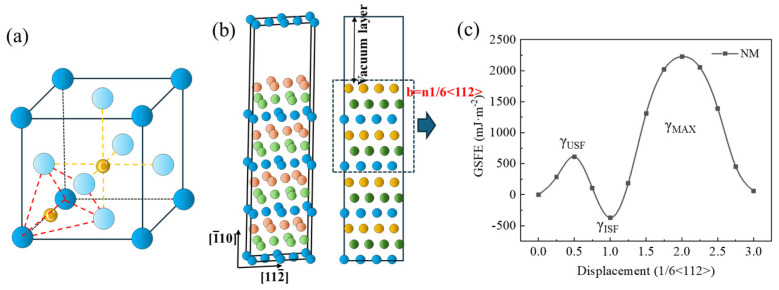 Figure 1
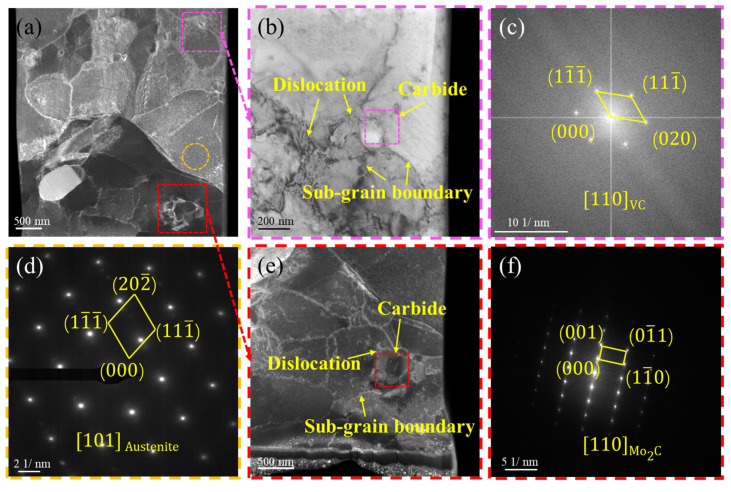 Figure 2
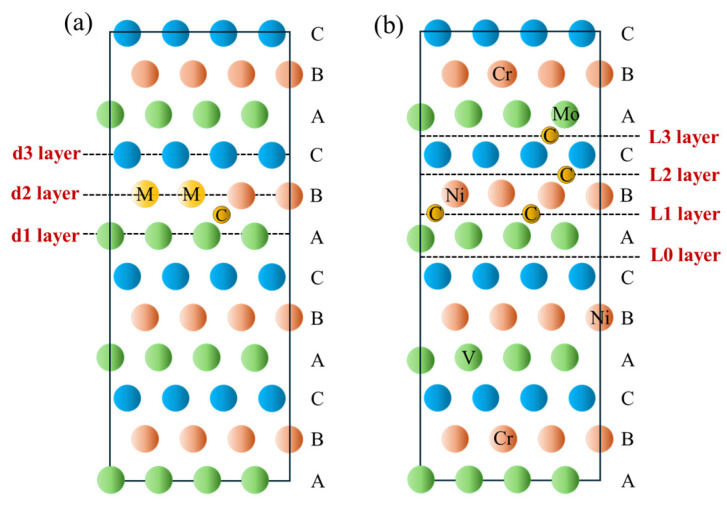 Figure 3
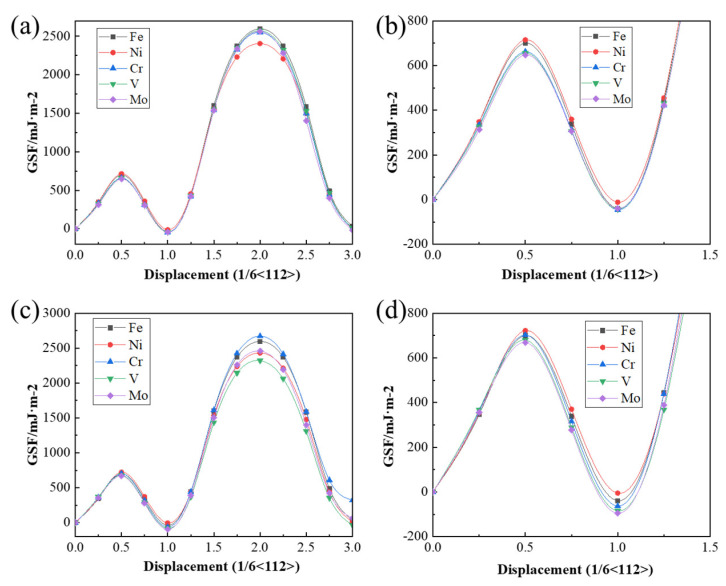 Figure 4
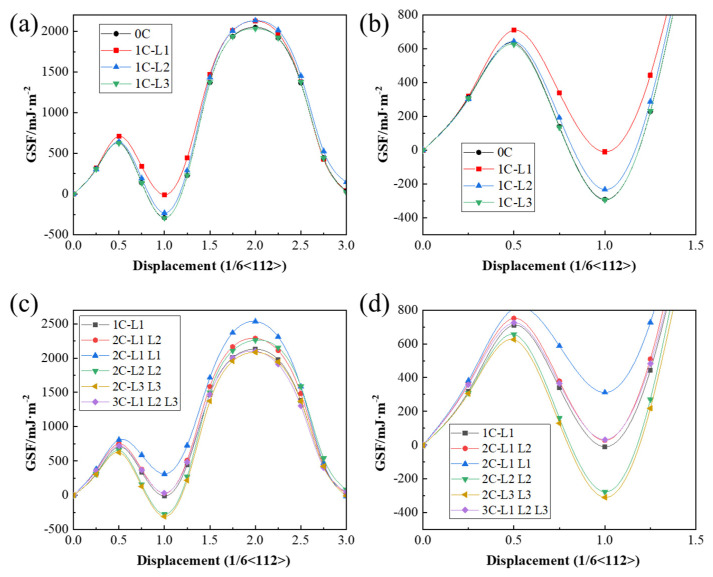 Figure 5
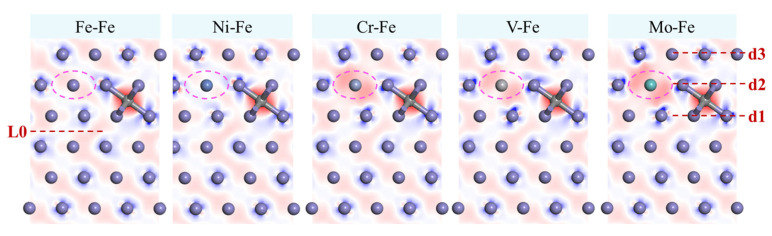 Figure 6
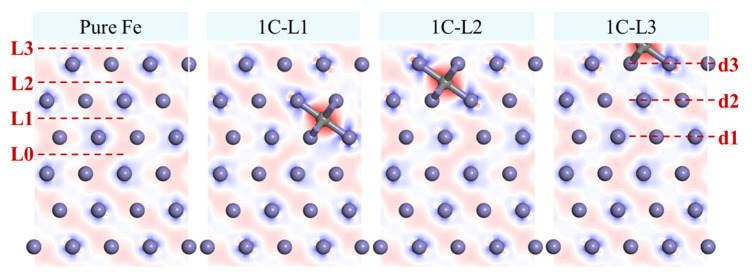 Figure 7
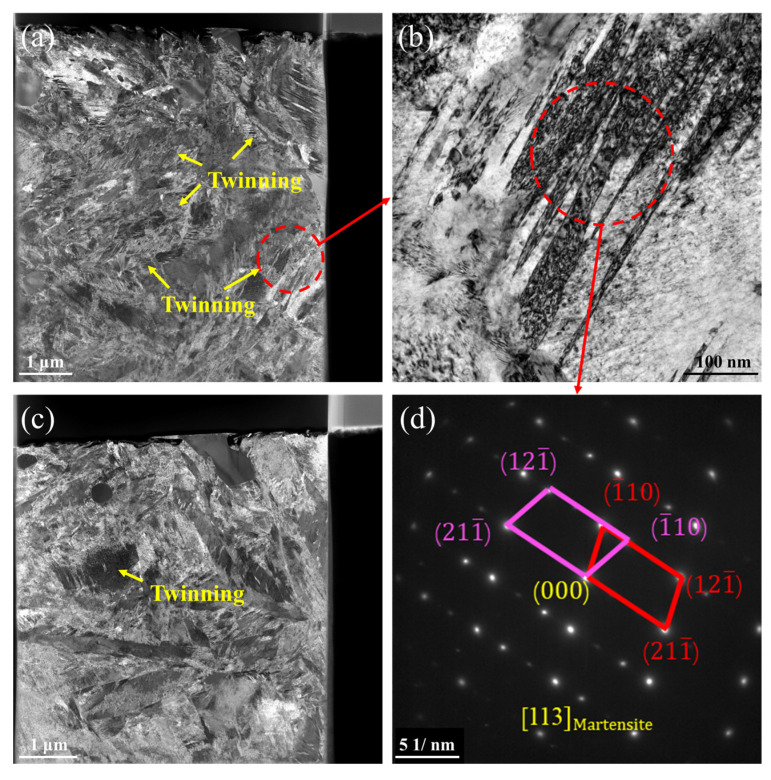 Figure 8
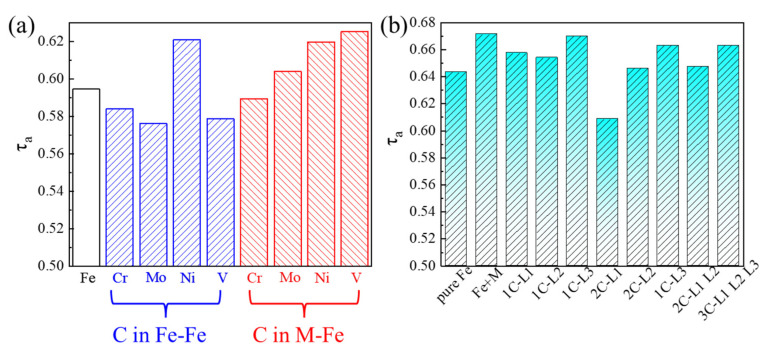 Figure 9
 Figure 10
Peer Reviews
No public reviews on file for this paper yet. If you reviewed it on a platform where reviews are public (OpenReview, ICLR, NeurIPS, ICML), you can paste yours below so the community can read it here.
Videos
No videos yet. Explain this paper in a talk, walkthrough, or lecture? Add one.
Taxonomy
TopicsMicrostructure and Mechanical Properties of Steels · Microstructure and mechanical properties · Hydrogen embrittlement and corrosion behaviors in metals