Talocalcaneal Coalition: Current Concepts, Clinical Implications, and Management Strategies
Antonio Mascio, Chiara Comisi, Virginia Cinelli, Federico Moretti, Gloria Assegbede, Giulio Maccauro, Tommaso Greco, Carlo Perisano

TL;DR
Talocalcaneal coalition is a common cause of painful flatfoot in young adults, and this review discusses its diagnosis, management, and current challenges in treatment.
Contribution
The paper provides an updated synthesis of clinical implications and contemporary management strategies for talocalcaneal coalition.
Findings
Computed tomography remains the reference standard for diagnosing talocalcaneal coalition.
MRI is effective for detecting both osseous and non-osseous coalitions and associated soft-tissue changes.
Emerging modalities like weight-bearing CT are being explored for improved diagnostic accuracy.
Abstract
Talocalcaneal coalition is a frequent cause of painful rigid flatfoot in adolescents and young adults, resulting from congenital failure of segmentation with fibrous, cartilaginous, or osseous bridging of the subtalar joint. Clinical presentation typically coincides with skeletal maturation and includes hindfoot pain, recurrent ankle sprains, progressive stiffness, and characteristic planovalgus deformity. Although prevalence is likely underestimated, advances in imaging have improved recognition and characterization. Diagnosis relies on the integration of clinical findings with imaging, where computed tomography (CT) remains the reference standard, while magnetic resonance imaging (MRI) enables accurate detection of both osseous and non-osseous coalitions and associated soft-tissue changes. This narrative review aims to provide a comprehensive and updated synthesis of current concepts…
Genes, proteins, chemicals, diseases, species, mutations and cell lines named across the full text — each resolved to its canonical identifier and authoritative record.
Click any figure to enlarge with its caption.
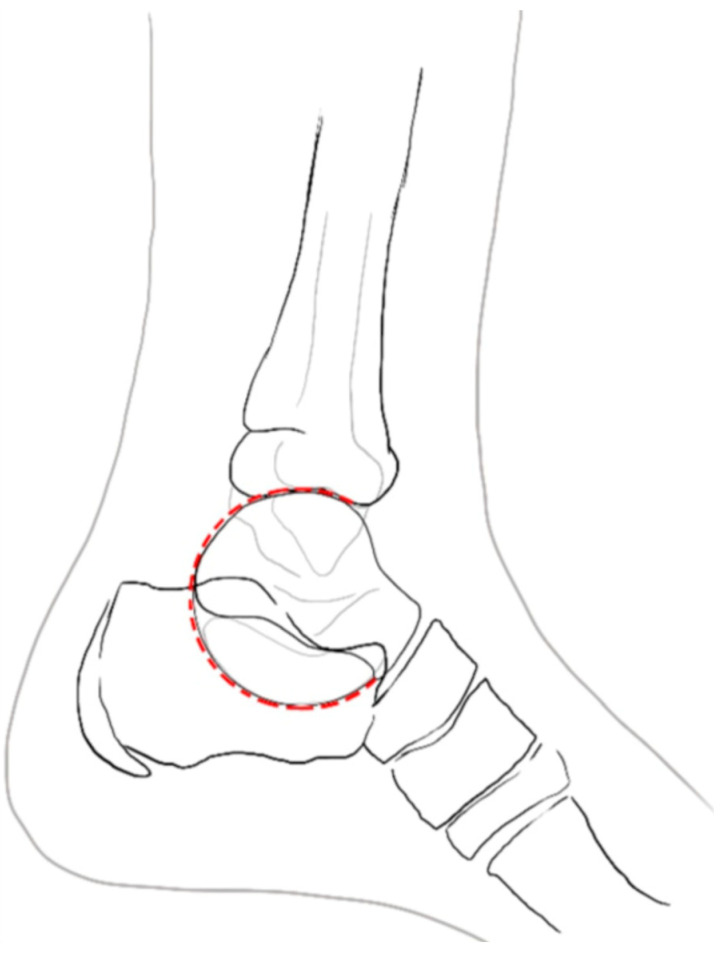 Figure 1
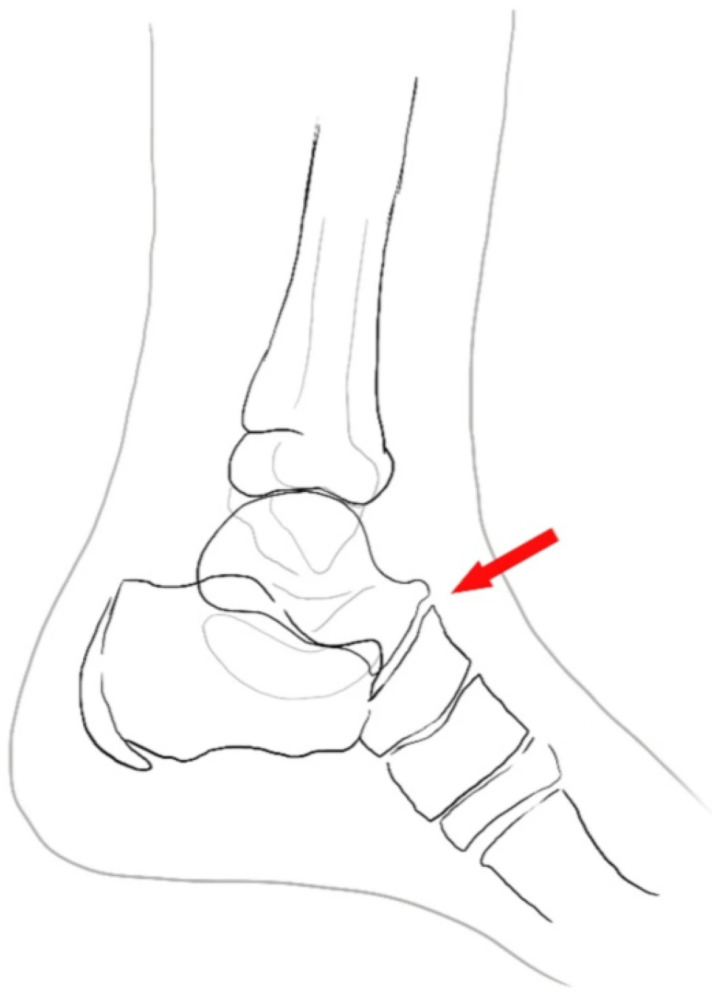 Figure 2
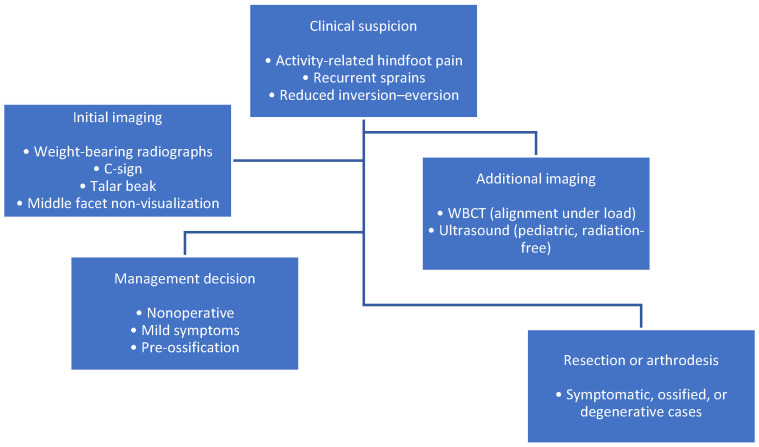 Figure 3
Peer Reviews
No public reviews on file for this paper yet. If you reviewed it on a platform where reviews are public (OpenReview, ICLR, NeurIPS, ICML), you can paste yours below so the community can read it here.
Videos
No videos yet. Explain this paper in a talk, walkthrough, or lecture? Add one.
Taxonomy
TopicsFoot and Ankle Surgery · Lower Extremity Biomechanics and Pathologies · Hip disorders and treatments