Influence of Welding Control Mode on the Joint Performance of Ultrasonically Welded Carbon Fiber-Reinforced Polycarbonate
Zhaolong Zhang, Yuanduo Yang, Lunan Wei, Sansan Ao, Yang Li

TL;DR
This study compares different welding control modes for ultrasonic welding of carbon fiber-reinforced polycarbonate and finds displacement control yields the best joint quality and stability.
Contribution
The paper introduces a detailed comparison of welding control modes in ultrasonic welding of CFRTP with a focus on joint performance and process stability.
Findings
Displacement control mode achieves the highest joint quality and process stability with a maximum lap-shear strength of 30.6 MPa.
The displacement–energy relationship shows the strongest coupling with a Pearson correlation coefficient of 0.896.
Significant differences in temperature field evolution and joint failure modes are observed across control modes.
Abstract
Carbon fiber-reinforced thermoplastic (CFRTP) composites are now widely used in many fields. Ultrasonic welding (UW) is a key technology for joining these materials. The control mode of UW has a great effect on the quality of the welded joints. However, there is still not enough research comparing the different welding control modes. This paper investigates the effects of the time control, energy control, and displacement control modes on the ultrasonic welding quality of carbon fiber-reinforced polycarbonate (CF/PC). A flat PC film is used as the energy director (ED). The evaluation focuses on the lap-shear strength (LSS), macro- and micro-morphology, fracture surface characteristics and power–displacement curves of the welding process. Furthermore, significant differences are observed in the temperature field evolution and joint failure modes across the different control modes and…
Genes, proteins, chemicals, diseases, species, mutations and cell lines named across the full text — each resolved to its canonical identifier and authoritative record.
Click any figure to enlarge with its caption.
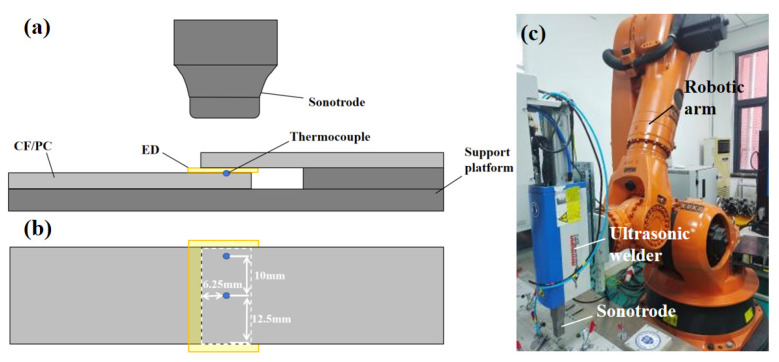 Figure 1
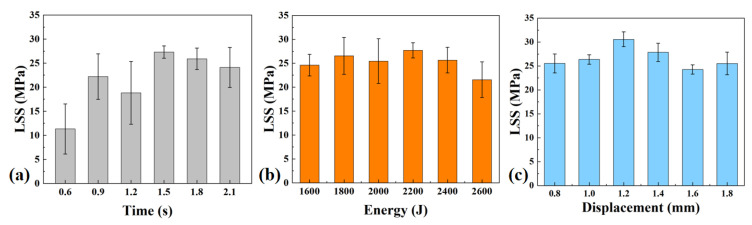 Figure 2
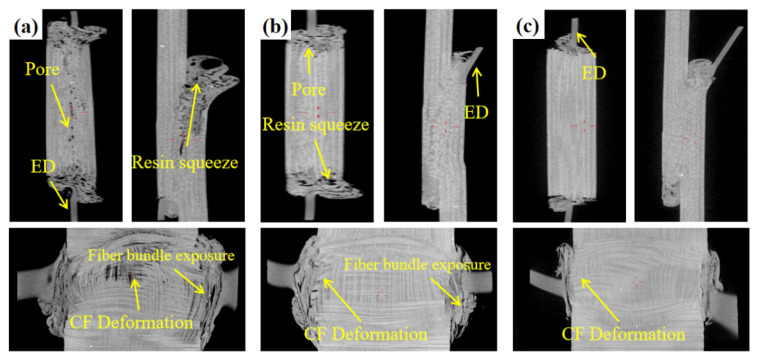 Figure 3
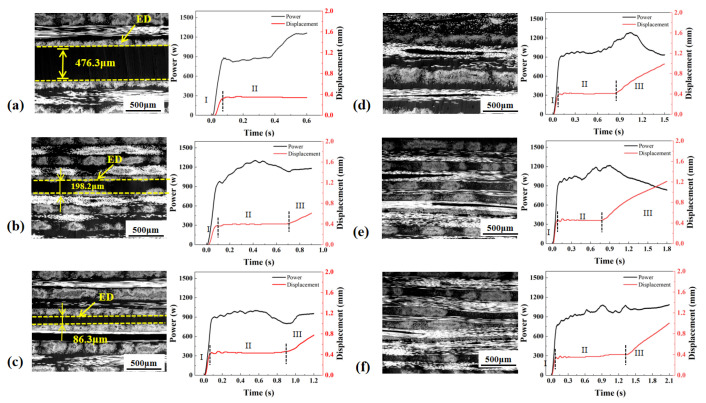 Figure 4
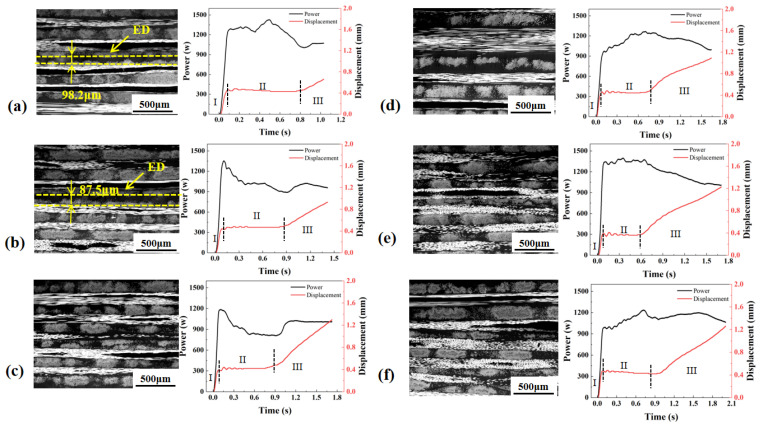 Figure 5
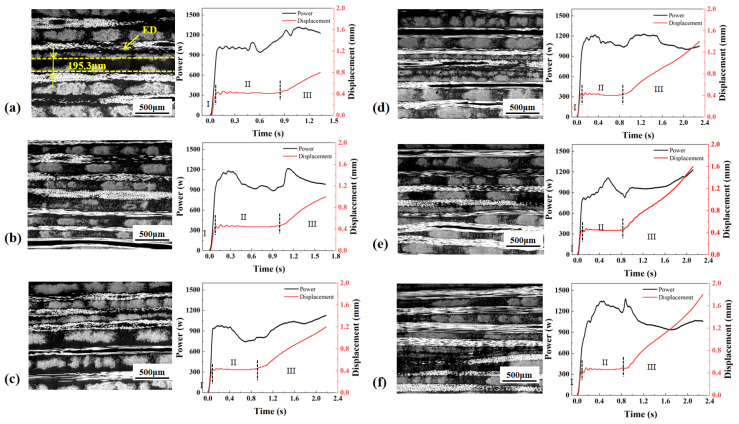 Figure 6
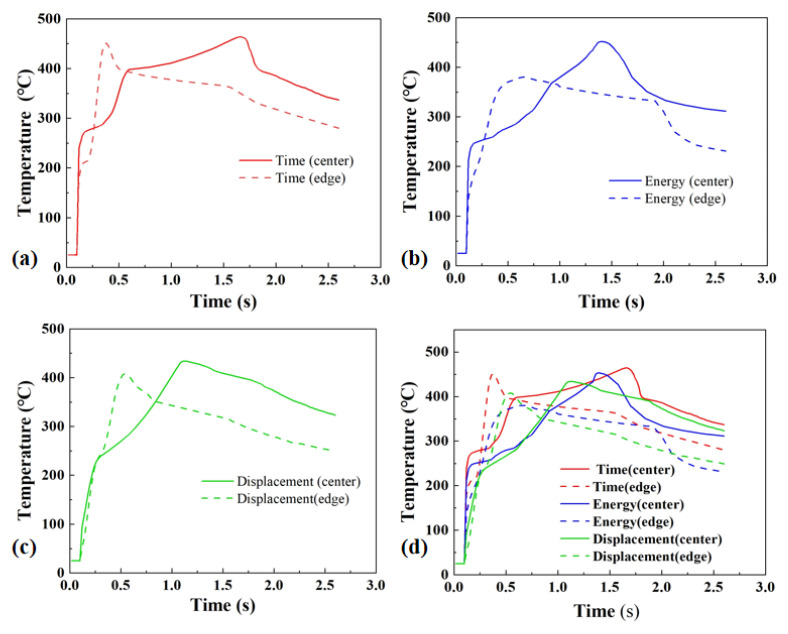 Figure 7
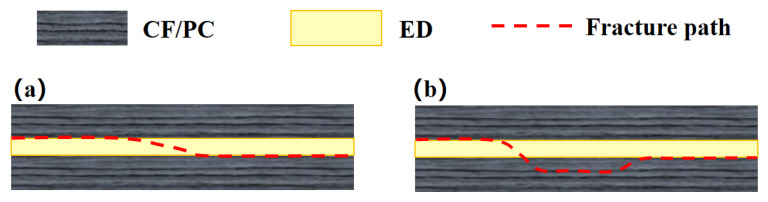 Figure 8
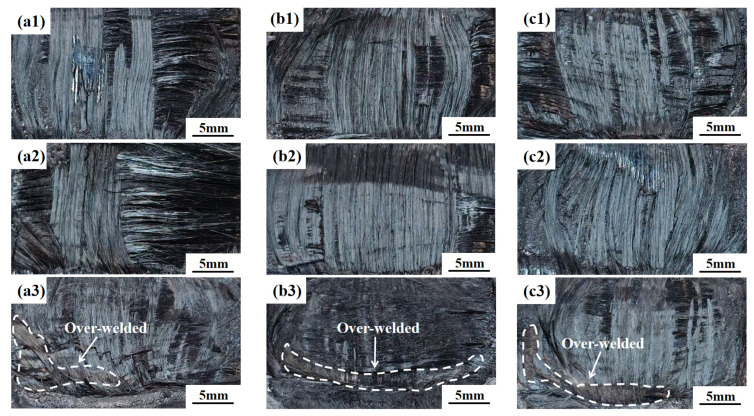 Figure 9
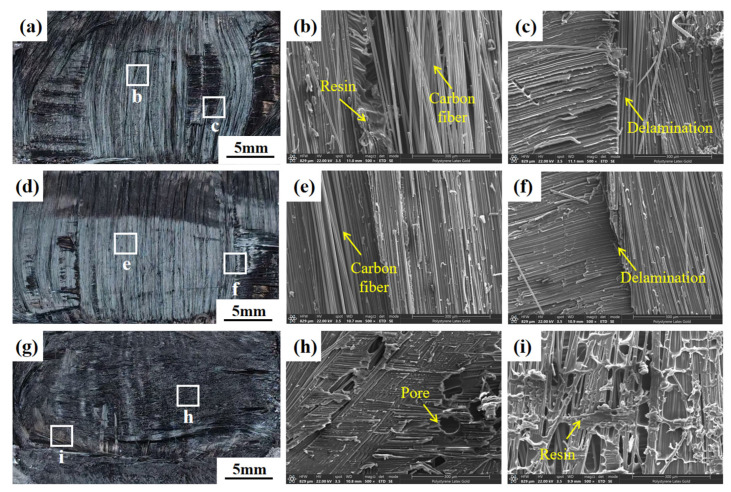 Figure 10
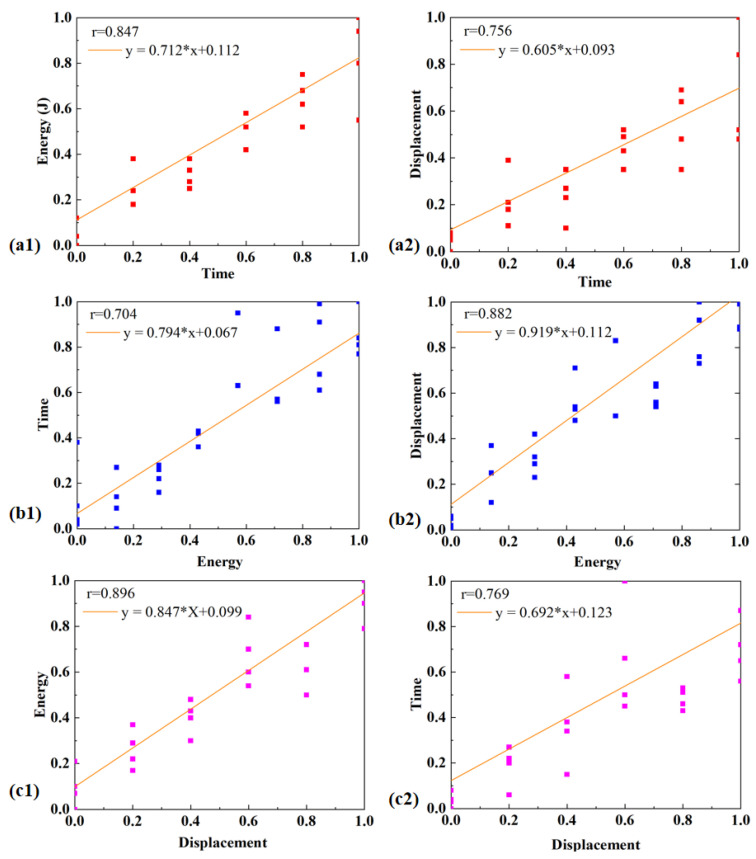 Figure 11
Peer Reviews
No public reviews on file for this paper yet. If you reviewed it on a platform where reviews are public (OpenReview, ICLR, NeurIPS, ICML), you can paste yours below so the community can read it here.
Videos
No videos yet. Explain this paper in a talk, walkthrough, or lecture? Add one.
Taxonomy
TopicsMechanical Behavior of Composites · Epoxy Resin Curing Processes · Fiber-reinforced polymer composites