Integrative Pharmacological and Computational Analysis of Abelmoschus esculentus Phytochemicals: Enzyme Inhibition, Molecular Docking, and Dynamics Simulation Against Key Antidiabetic Targets
Humera Banu, Eyad Al-Shammari, Fevzi Bardakci, Mitesh Patel, Mohd Adnan, Mohammad Idreesh Khan, Noor AlFahhad, Syed Amir Ashraf

TL;DR
This study explores how compounds from okra may help manage diabetes by inhibiting key enzymes, using both experiments and computer simulations.
Contribution
The study integrates experimental enzyme inhibition with computational methods to identify promising antidiabetic phytochemicals in okra.
Findings
Okra extract showed moderate enzyme inhibition against alpha-glucosidase, alpha-amylase, DPP-4, and pancreatic lipase.
Alpha-Carotene, Vitamin E, and Spiraeoside were top compounds with strong binding affinity, especially alpha-Carotene against pancreatic lipase.
Molecular dynamics simulations confirmed the stability of alpha-Carotene's binding to pancreatic lipase.
Abstract
The present work set out to examine the antidiabetic capacity of Abelmoschus esculentus (okra) fruit extract through a combined experimental and computational framework. Enzyme inhibition assays were carried out against four metabolic targets, and IC50 values stood at 7.66 ± 0.31 mg/mL for alpha-glucosidase, 5.21 ± 0.18 mg/mL for alpha-amylase, 2.11 ± 0.15 microg/mL for DPP-4, and 9.17 ± 0.54 mg/mL for pancreatic lipase. The extract showed moderate-to-weak activity relative to standard inhibitors acarbose, sitagliptin, and orlistat. Sixteen drug-like phytochemicals obtained from the IMPPAT 2.0 database were docked against the crystal structures of all four tested enzymes (PDB: 8CB1, 5E0F, 2ONC, 1LPB). Alpha-Carotene, Vitamin E, and Spiraeoside emerged as the top-ranked compounds across all targets, with alpha-Carotene recording the strongest binding affinity of −11.1 kcal/mol against…
Genes, proteins, chemicals, diseases, species, mutations and cell lines named across the full text — each resolved to its canonical identifier and authoritative record.
Click any figure to enlarge with its caption.
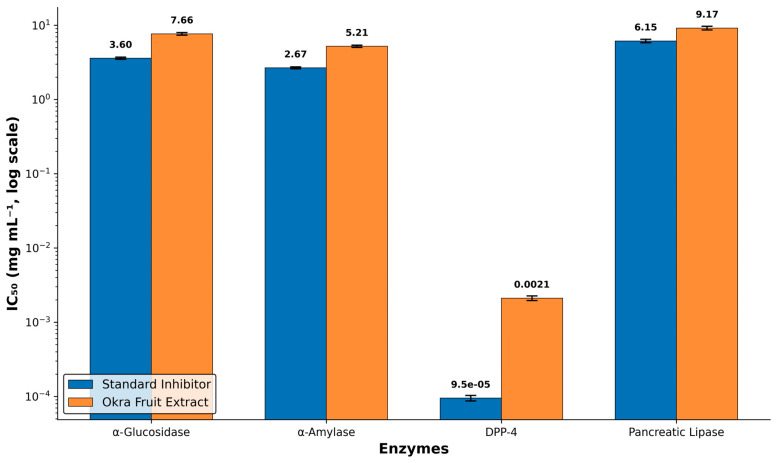 Figure 1
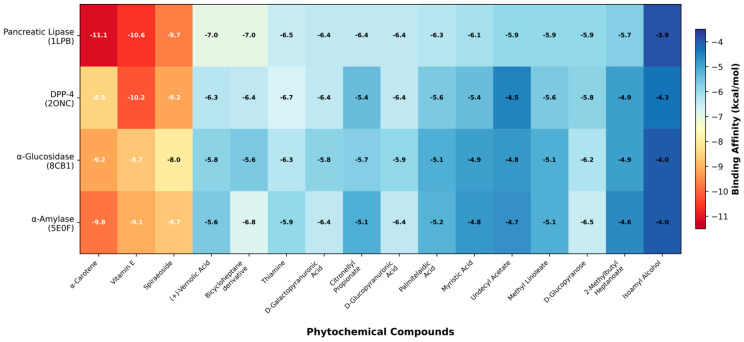 Figure 2
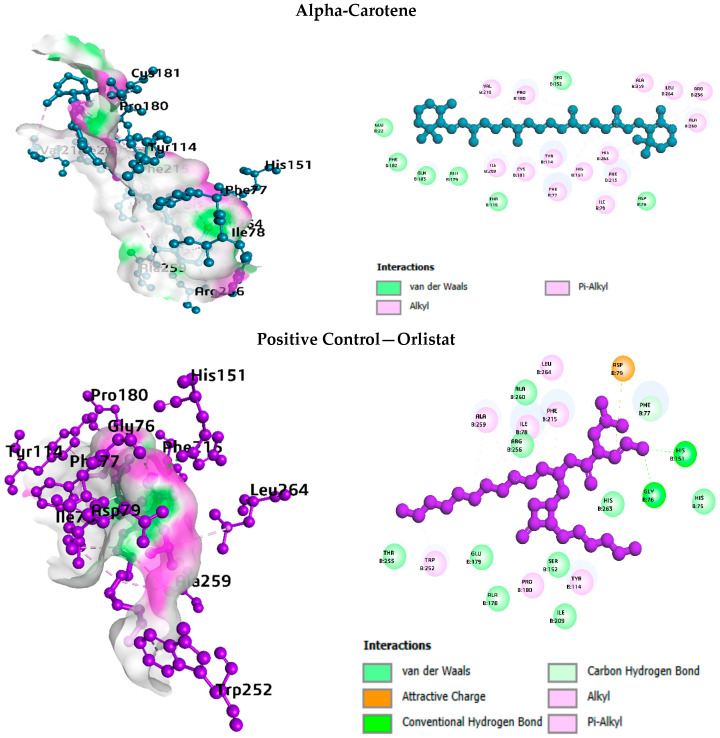 Figure 3
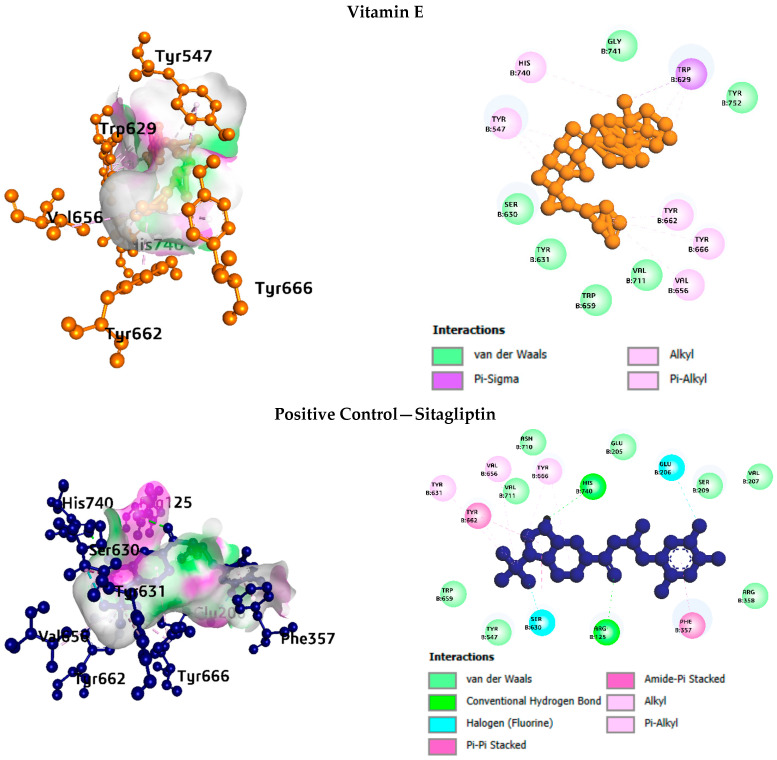 Figure 4
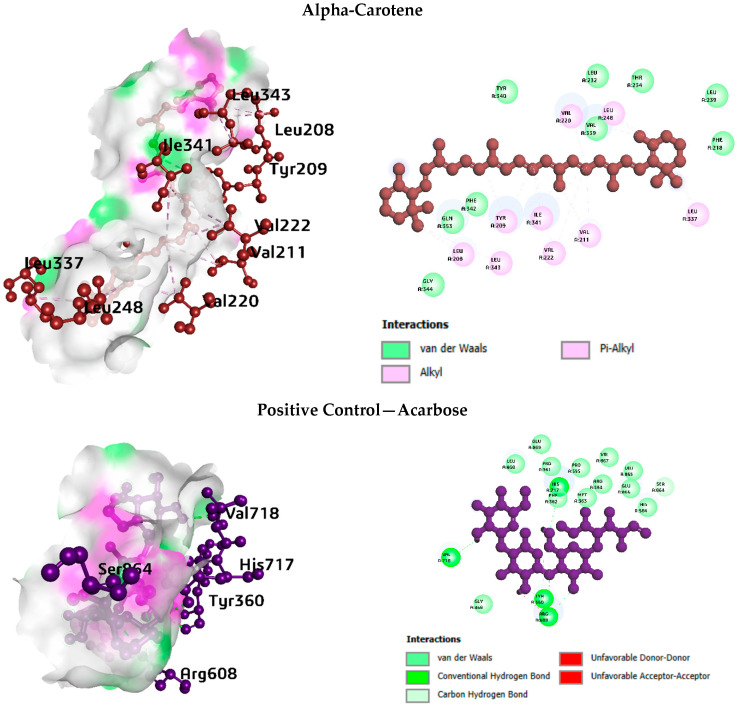 Figure 5
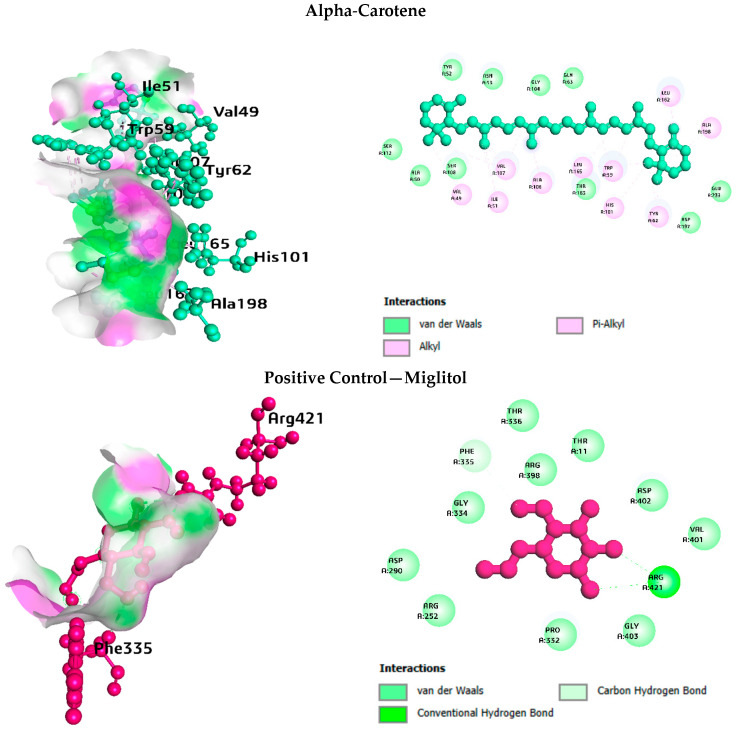 Figure 6
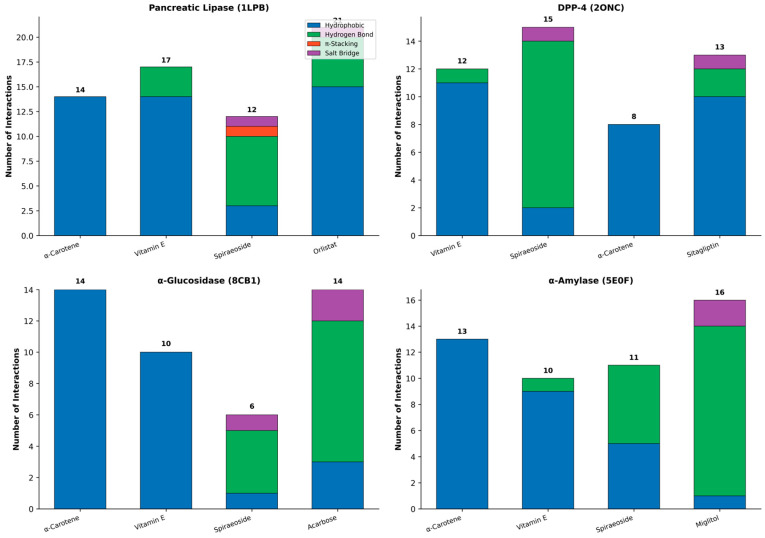 Figure 7
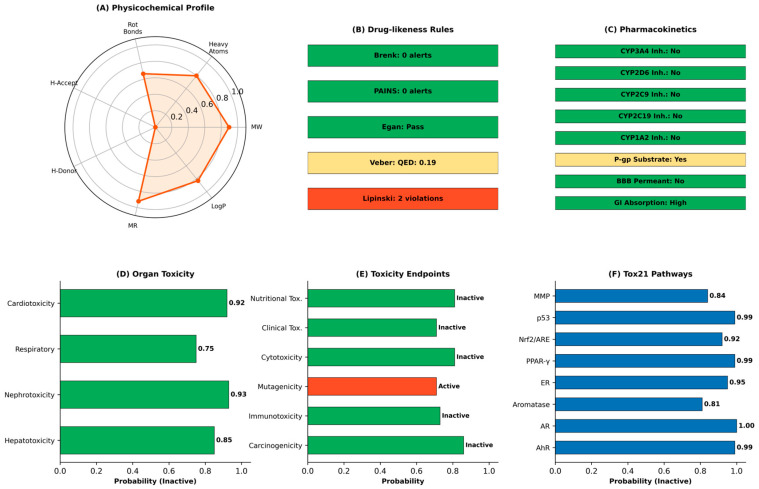 Figure 8
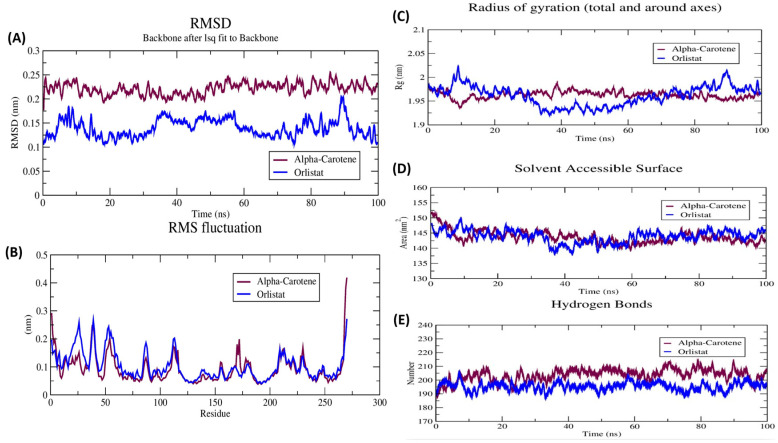 Figure 9
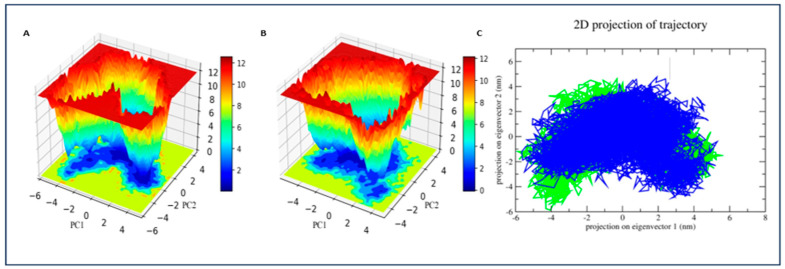 Figure 10
Peer Reviews
No public reviews on file for this paper yet. If you reviewed it on a platform where reviews are public (OpenReview, ICLR, NeurIPS, ICML), you can paste yours below so the community can read it here.
Videos
No videos yet. Explain this paper in a talk, walkthrough, or lecture? Add one.
Taxonomy
TopicsAgricultural Practices and Plant Genetics · Phytochemicals and Antioxidant Activities · Pharmacology and Obesity Treatment