Morphological Diversity of Epichloë sinensis from Festuca sinensis Germplasm on the Qinghai–Tibet Plateau
Junying Liu, Jiawen Sun, Yanqun Zhao, Zhongxiang Li, Mei Zhang, Longxuan Cui, Jinhui Shen, Yang Luo, Yue Gao, Wei Zhou, Taixiang Chen, Tian Wang, Mingxiang Du, Wencong Liu, Chao Xia, Tao Hu, Pei Tian

TL;DR
This study explores the morphological diversity of Epichloë sinensis, a fungus symbiotic with Festuca sinensis on the Qinghai–Tibet Plateau, and how environmental factors influence its traits.
Contribution
The study identifies morphological diversity and environmental influences on Epichloë sinensis, revealing phylogenetic and genetic insights for potential germplasm development.
Findings
Environmental factors like temperature and altitude significantly affect morphological traits of Epichloë sinensis.
Morphological diversity was categorized into colony features, growth rates, and hyphal width.
Most strains lacked toxic alkaloid genes but had insect-resistant peramine regulatory genes.
Abstract
Epichloë sinensis engages in mutualistic symbiosis with Festuca sinensis on the Qinghai–Tibet Plateau. The influence of variation within the Epichloë genus on morphology in this context is poorly understood, as is the influence of environmental factors (e.g., temperature, precipitation, and altitude). Accordingly, a total of 122 fungal endophyte strains were isolated from 270 F. sinensis seeds collected from different locations on the Qinghai–Tibet Plateau, and their morphological characteristics were observed. The colonies were white on the front, dark brown in the center on the back, and light brown or yellow around the PDA medium, exhibiting typical characteristics of E. sinensis. Morphological diversity was categorized into (1) colony features (six types based on texture, shape, and cracks), (2) growth rates (51 strains that produce spores: 0.23–0.78 mm/d; 71 strains that do not…
Genes, proteins, chemicals, diseases, species, mutations and cell lines named across the full text — each resolved to its canonical identifier and authoritative record.
Click any figure to enlarge with its caption.
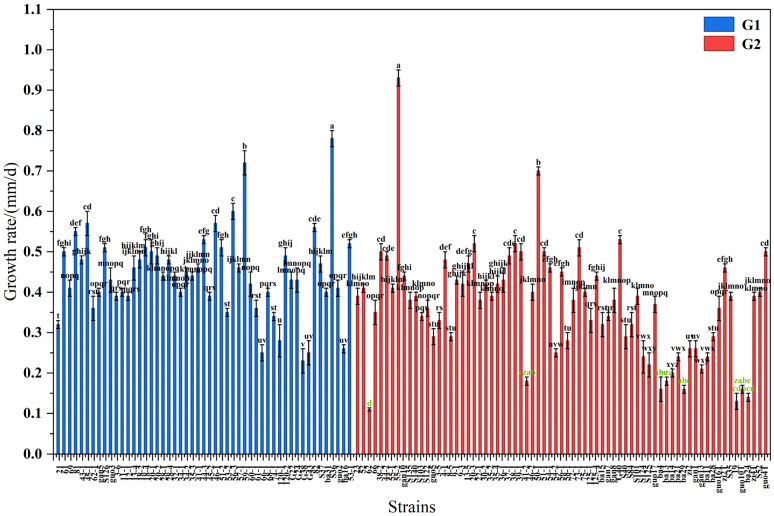 Figure 1
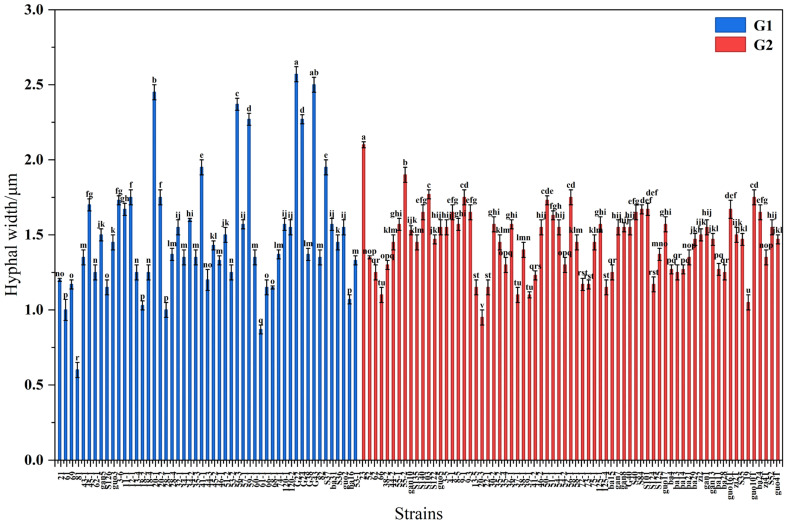 Figure 2
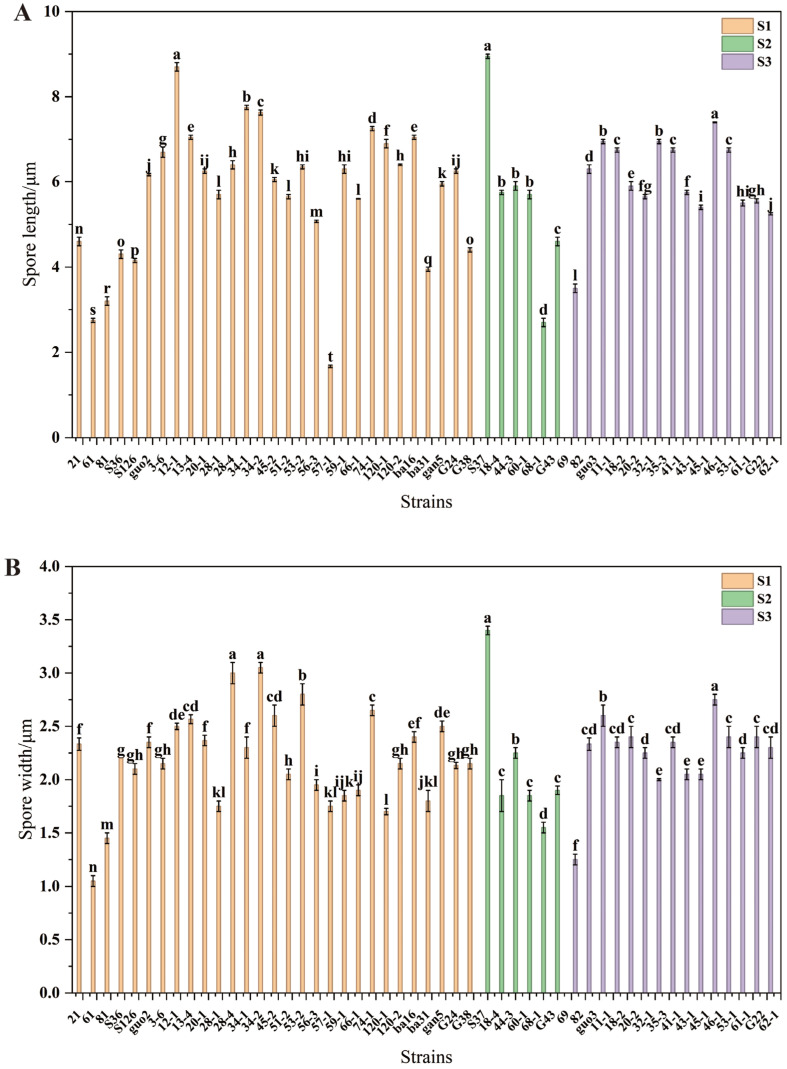 Figure 3
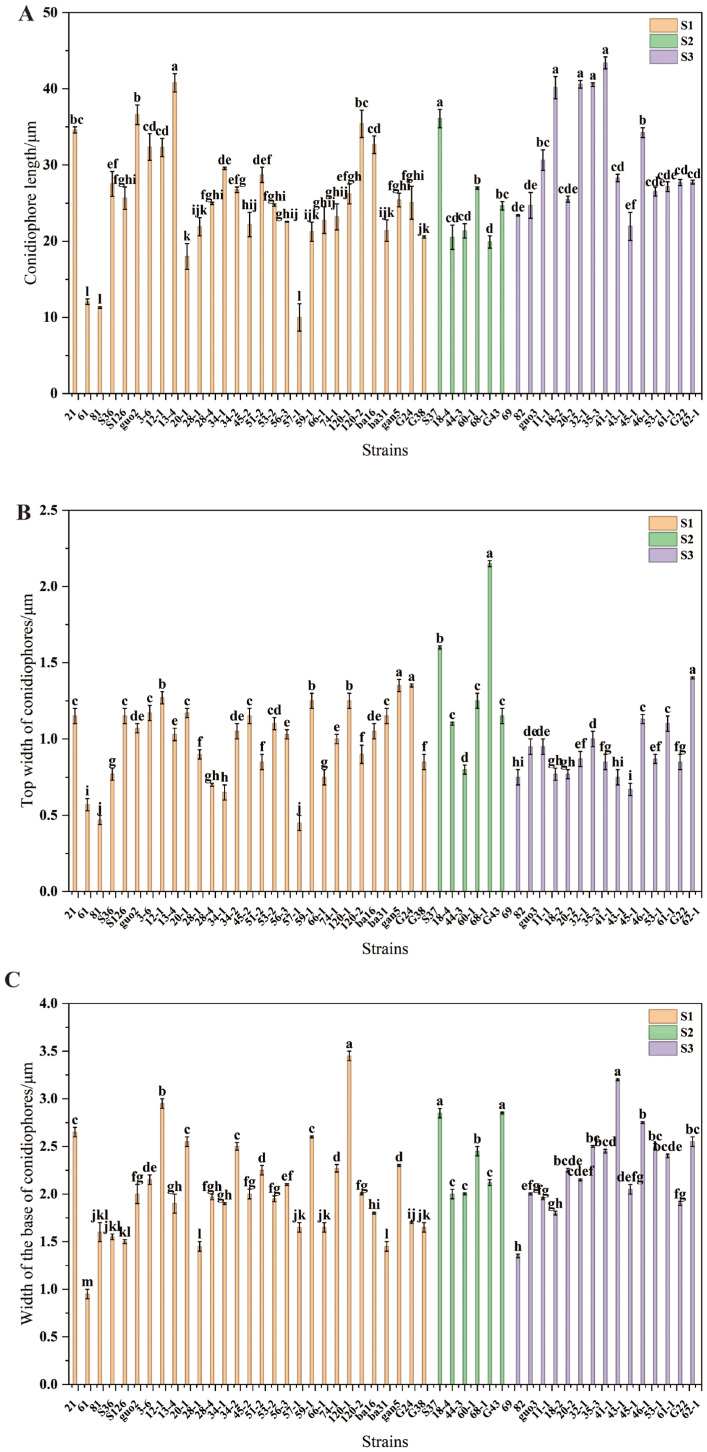 Figure 4
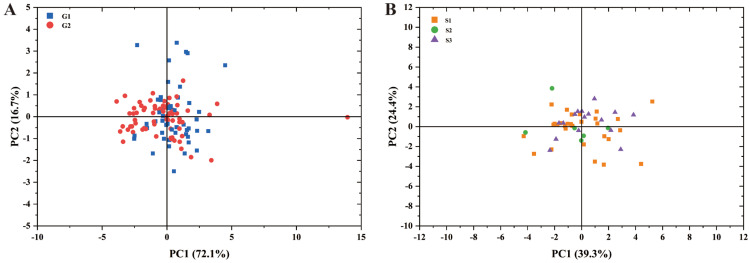 Figure 5
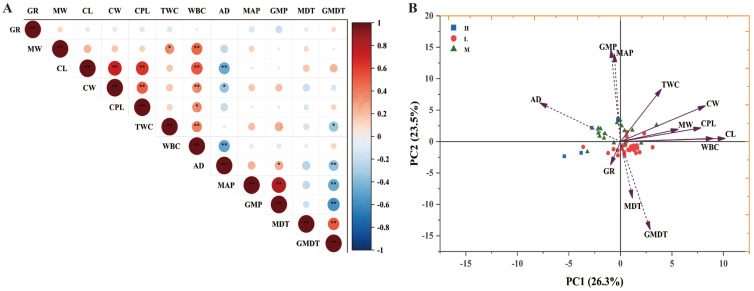 Figure 6
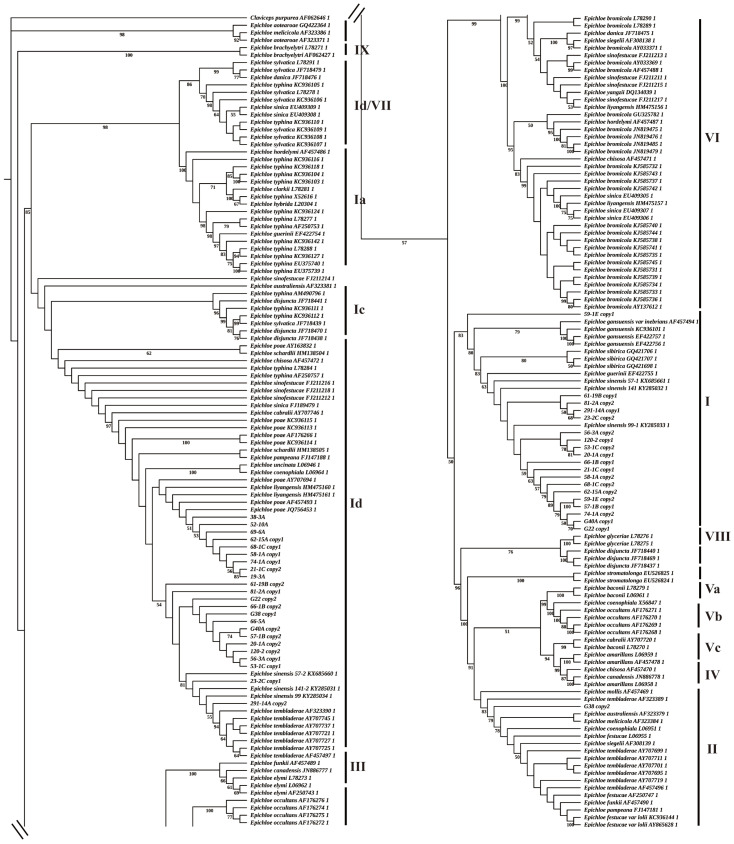 Figure 7
Peer Reviews
No public reviews on file for this paper yet. If you reviewed it on a platform where reviews are public (OpenReview, ICLR, NeurIPS, ICML), you can paste yours below so the community can read it here.
Videos
No videos yet. Explain this paper in a talk, walkthrough, or lecture? Add one.
Taxonomy
TopicsPlant and fungal interactions · Turfgrass Adaptation and Management · Plant Disease Resistance and Genetics