Comparative Wear Evaluation of Pure Zn, Zn–Mg and Zn–Mg–Y Alloys Using Mass Loss Measurements and Optical Profilometry
Traian-Lucian Severin, Viorel Paleu, Costică Bejinariu, Catrinel-Raluca Giurma-Handley, Ioan Tamasag, Nicanor Cimpoesu, Stefan Constantin Lupescu, Georgeta Zegan, Ana-Maria Roman, Gheorghe Bădărău, Nicoleta Ioanid

TL;DR
This study compares the wear resistance of pure zinc and zinc-based alloys under dry sliding conditions to assess their potential for biomedical applications.
Contribution
The study introduces a comparative evaluation of Zn–Mg and Zn–Mg–Y alloys using mass loss and optical profilometry for wear analysis.
Findings
Zn–3Mg showed improved wear resistance compared to pure Zn due to matrix strengthening by intermetallic phases.
Y addition stabilized friction but did not consistently reduce wear volume under higher loads.
Wear mechanisms included abrasion, oxide tribolayer formation, and localized adhesion.
Abstract
The present study investigates the dry sliding wear behaviour of pure Zn, Zn–3Mg, and Zn–3Mg–0.5Y biodegradable alloys using mass loss measurements, friction torque monitoring on an Amsler tribometer, and optical profilometry of wear tracks. The microstructure of the Zn–Mg–Y alloy exhibited an α-Zn matrix comprising Zn–Mg intermetallic constituents and dispersed Y-rich phases. Tribological testing at 20 N and 30 N revealed a marked enhancement in wear resistance for Zn–3Mg in comparison to pure Zn, attributable to matrix strengthening by intermetallic phases. Despite the stabilising effect of Y on the friction response, there was no consistent reduction in wear volume under higher loads. Surface investigations have revealed a multifaceted wear mechanism, characterised by a combination of abrasion, oxide tribolayer formation, and localised adhesion. The measured wear rates were found to…
Genes, proteins, chemicals, diseases, species, mutations and cell lines named across the full text — each resolved to its canonical identifier and authoritative record.
Click any figure to enlarge with its caption.
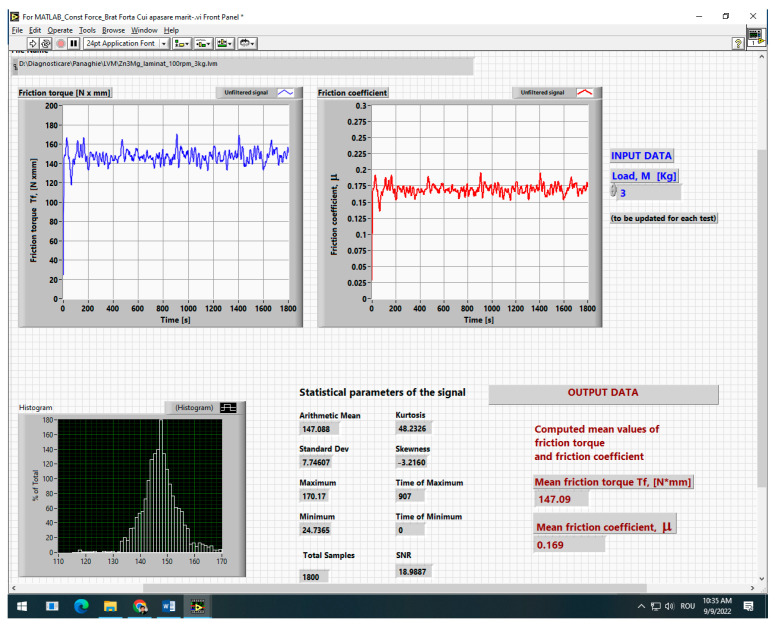 Figure 1
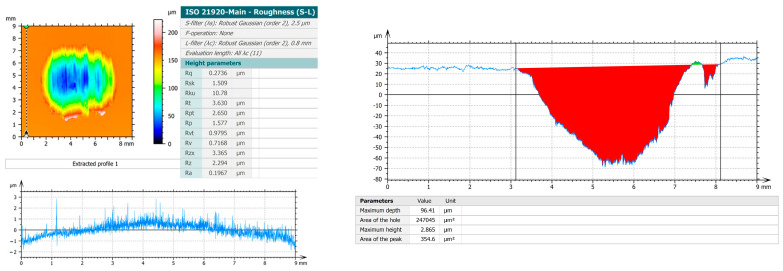 Figure 2
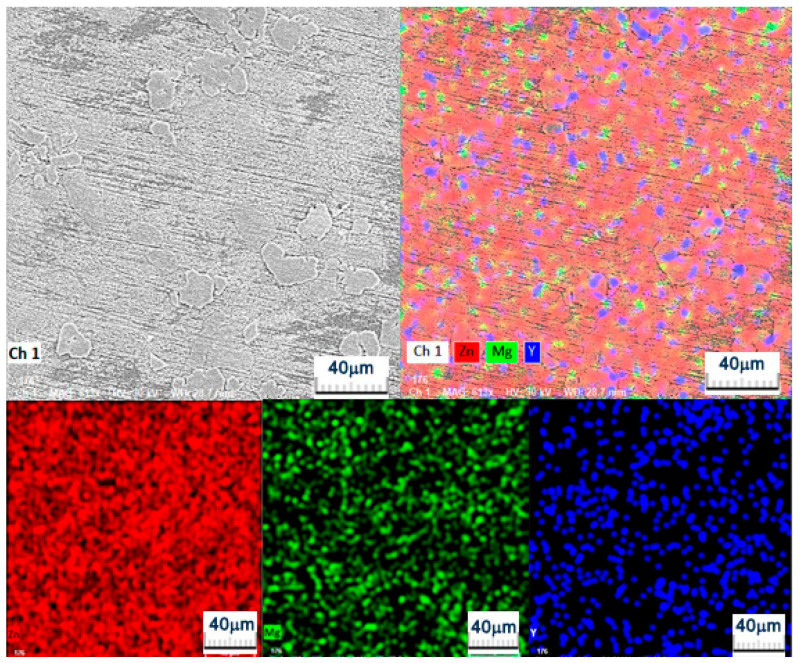 Figure 3
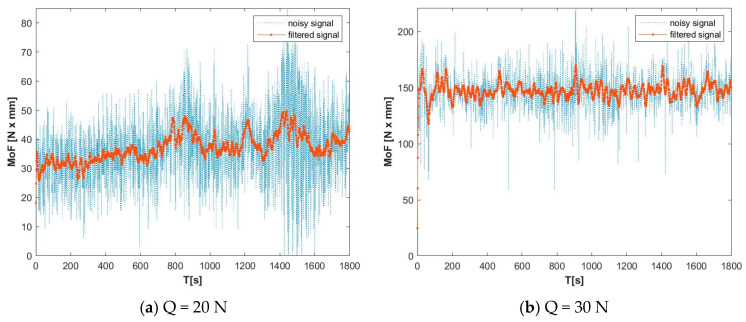 Figure 4
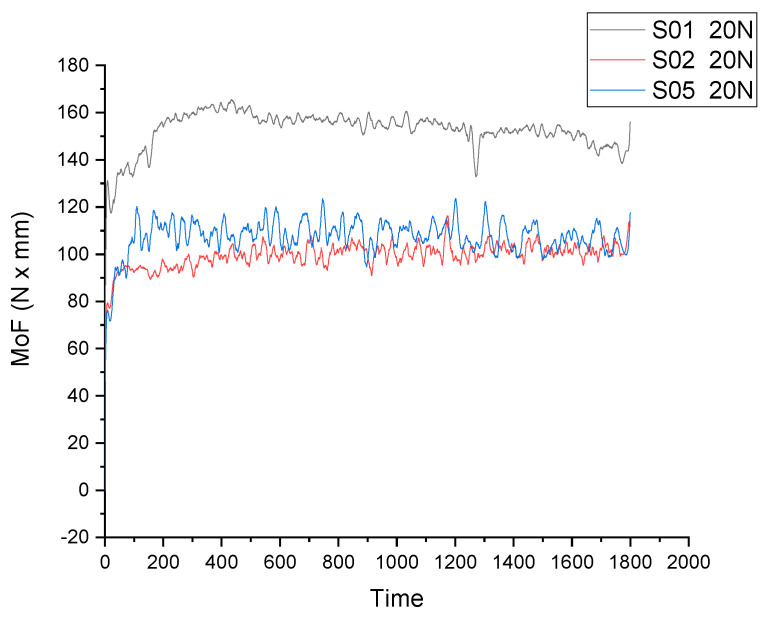 Figure 5
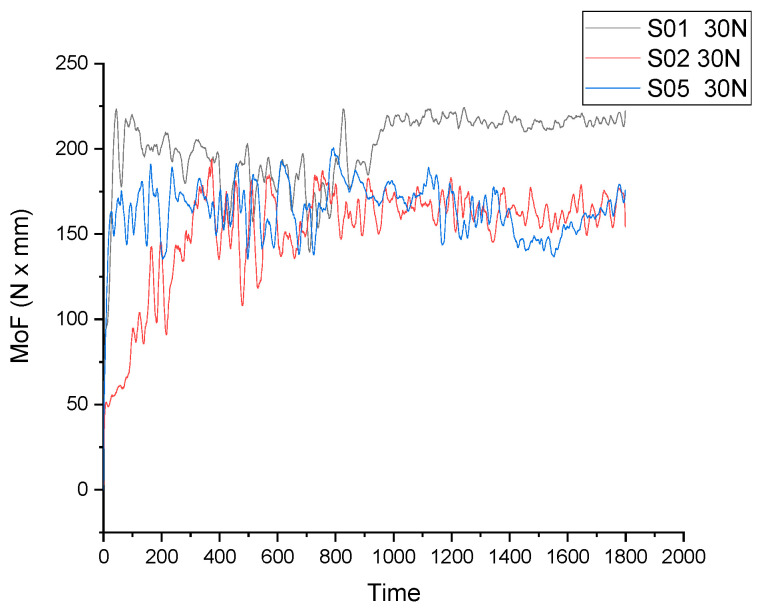 Figure 6
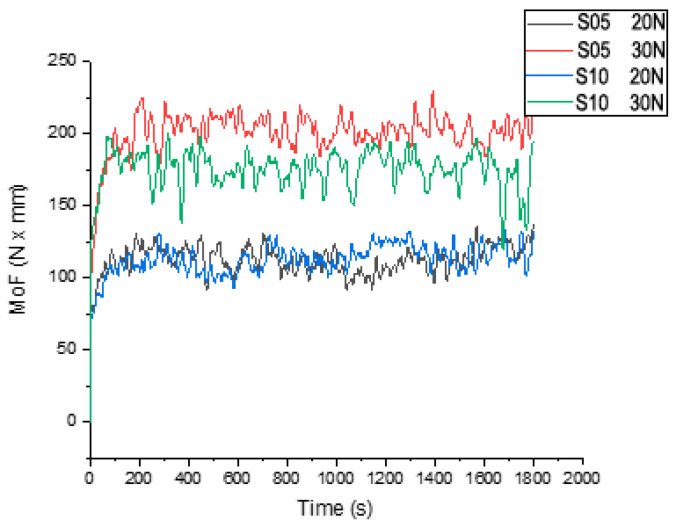 Figure 7
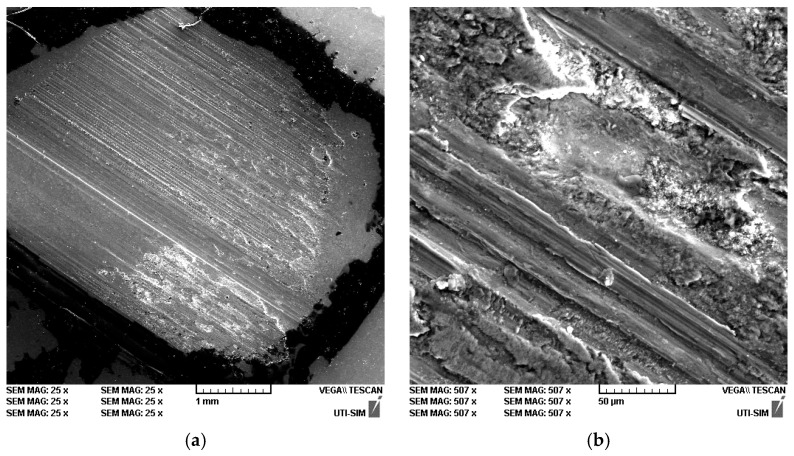 Figure 8
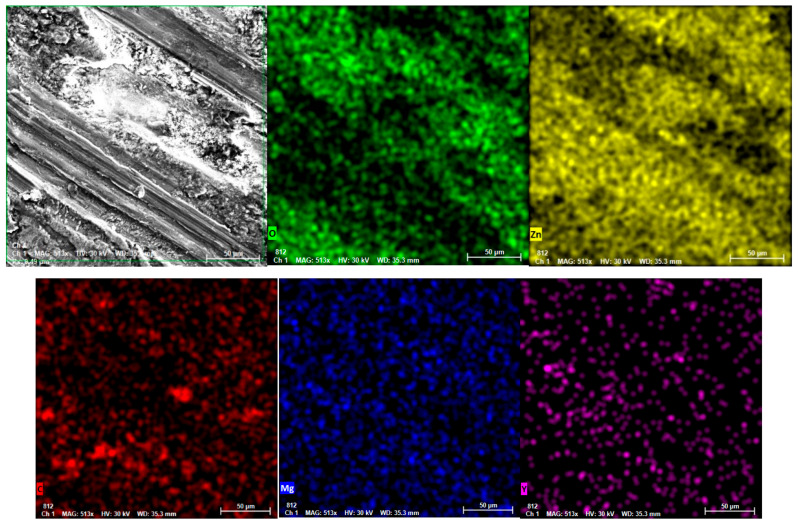 Figure 9
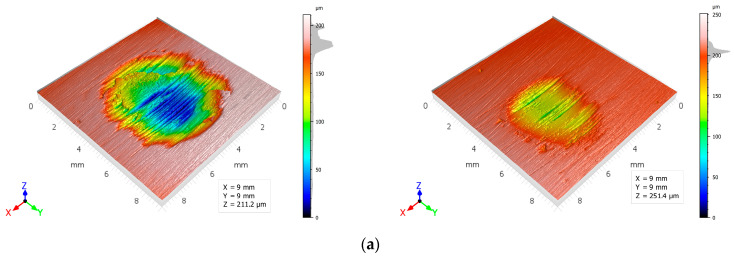 Figure 10
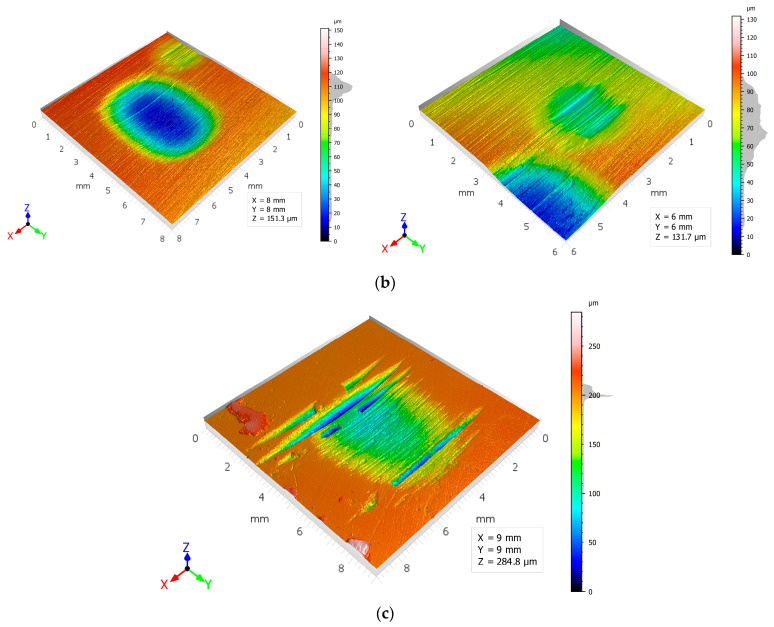 Figure 11
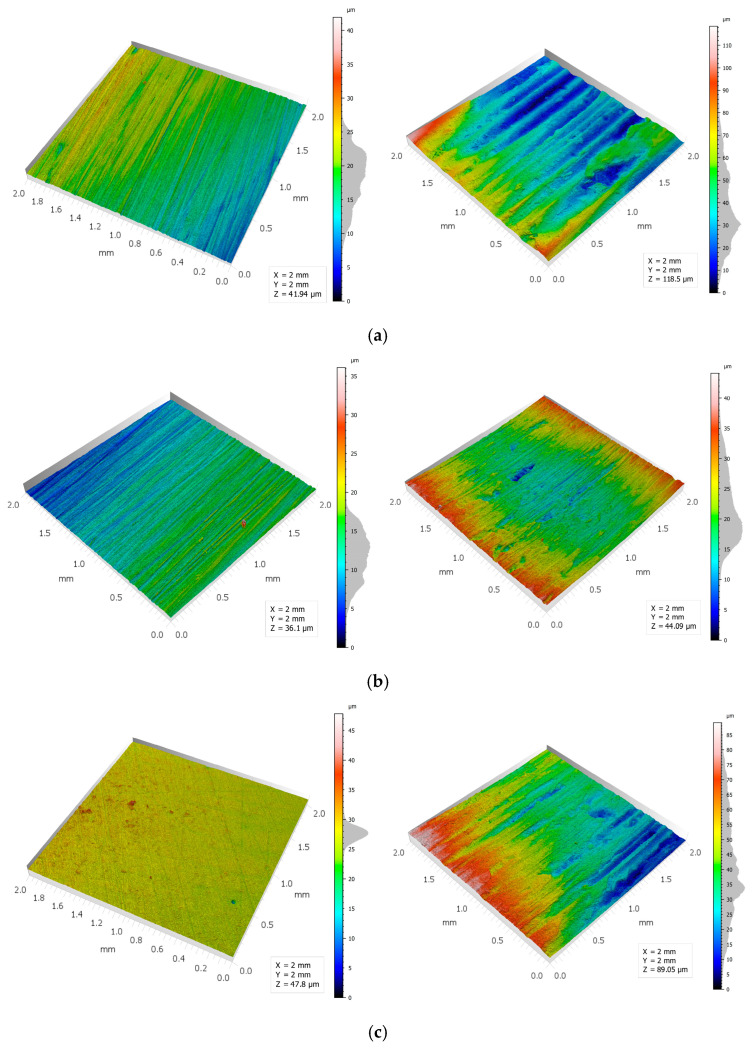 Figure 12
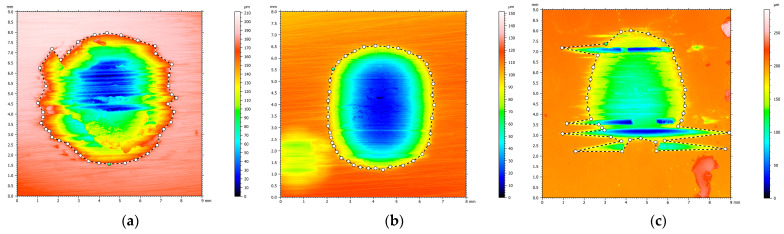 Figure 13
Peer Reviews
No public reviews on file for this paper yet. If you reviewed it on a platform where reviews are public (OpenReview, ICLR, NeurIPS, ICML), you can paste yours below so the community can read it here.
Videos
No videos yet. Explain this paper in a talk, walkthrough, or lecture? Add one.
Taxonomy
TopicsMagnesium Alloys: Properties and Applications · Orthopaedic implants and arthroplasty · Aluminum Alloys Composites Properties