Advanced Manufacturing of PLA Surgical Templates for Orbital Floor Geometry: Optimizing Fidelity and Surface Morphology via Variable Layer Height MEX 3D Printing
Paweł Turek, Grzegorz Budzik, Łukasz Przeszłowski, Anna Bazan, Bogumił Lewandowski, Paweł Pakla, Tomasz Dziubek, Robert Brodowski, Małgorzata Zaborniak, Jan Frańczak, Michał Bałuszyński

TL;DR
This paper introduces a new method for creating precise surgical templates for orbital floor reconstruction using 3D printing with variable layer heights.
Contribution
The novel TARMM procedure combines machine learning and variable layer height MEX 3D printing to enhance template fidelity and reduce manufacturing time.
Findings
The TARMM procedure achieves a geometric error within ±0.1 mm for orbital floor templates.
A strong correlation (r = 0.99) between layer height and surface roughness improves template smoothness.
The method reduces surgical preparation time by 30 minutes and offers a cost-effective alternative to photopolymer systems.
Abstract
Precision and Validation: The TARMM procedure ensures orbital floor geometry accuracy up to 0.1 mm, which has been clinically validated across 21 medical cases. VLH Optimization: Implementing Variable Layer Height (0.07 mm for critical details and 0.3 mm for the base) eliminates stair-step artifacts while maintaining manufacturing speed. Surface Quality: A strong correlation (r = 0.99) between layer thickness and roughness allows for the smoothness necessary for precise contouring of titanium meshes. Safety and Cost-Effectiveness: The method provides an economical and non-toxic alternative to expensive systems based on photopolymer resins. Operational Efficiency: Reducing model preparation time to 30 min enhances operating theatre efficiency and minimizes the risk of intraoperative errors. Surgical Standard: The TARMM workflow is a scalable solution ready for implementation as a…
Genes, proteins, chemicals, diseases, species, mutations and cell lines named across the full text — each resolved to its canonical identifier and authoritative record.
Click any figure to enlarge with its caption.
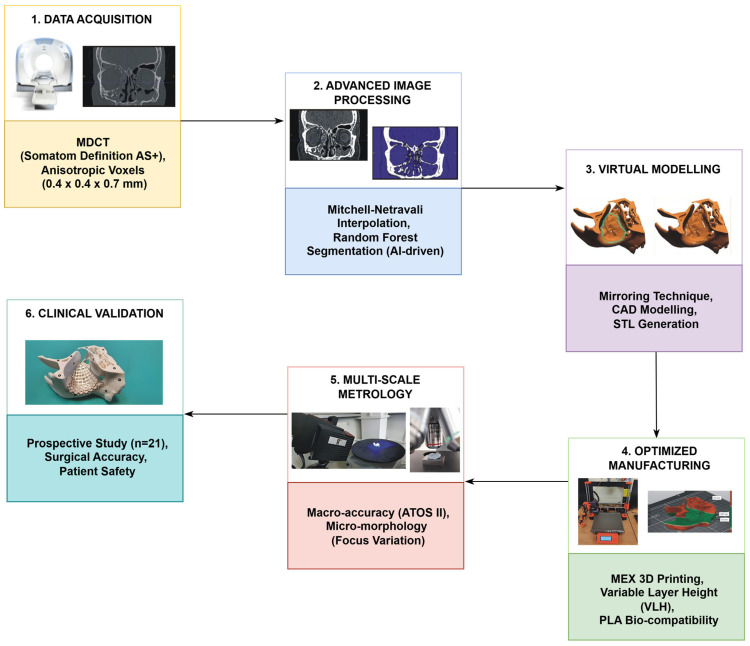 Figure 1
 Figure 2
 Figure 3
 Figure 4
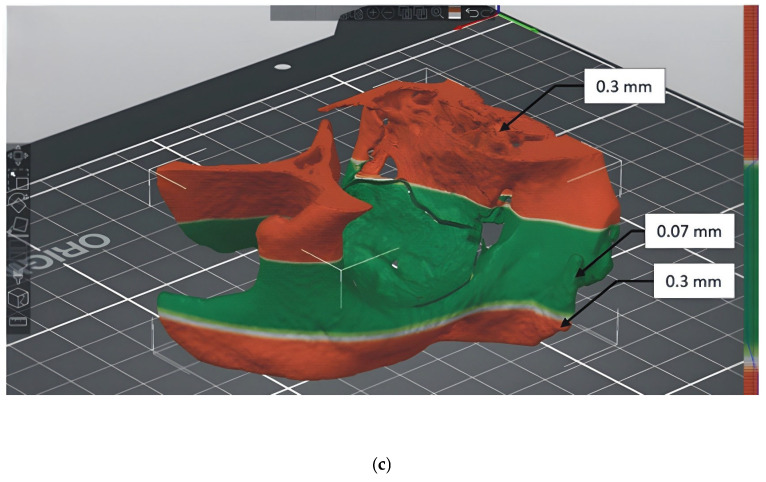 Figure 5
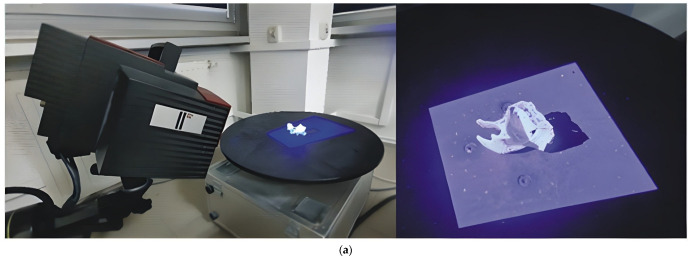 Figure 6
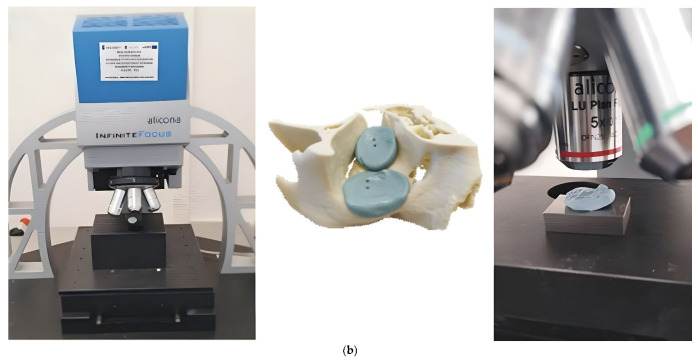 Figure 7
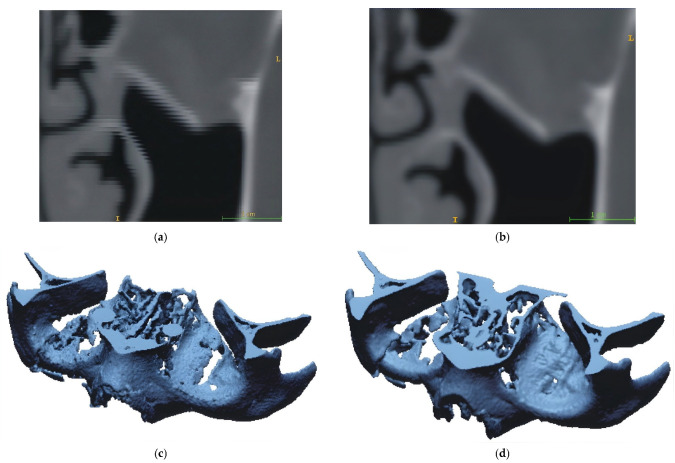 Figure 8
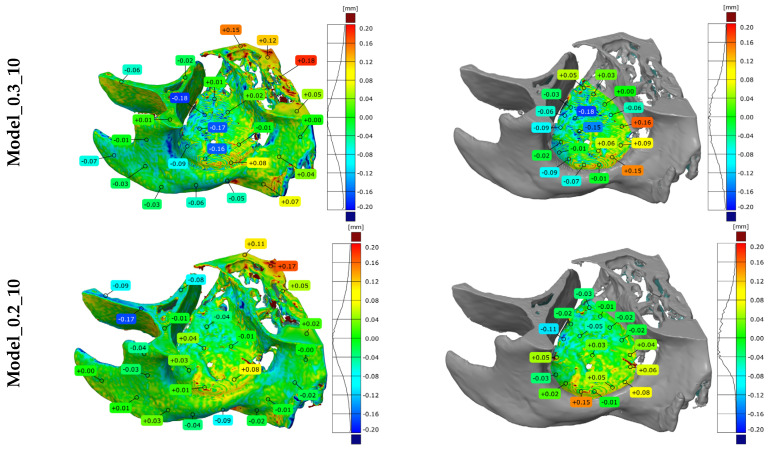 Figure 9
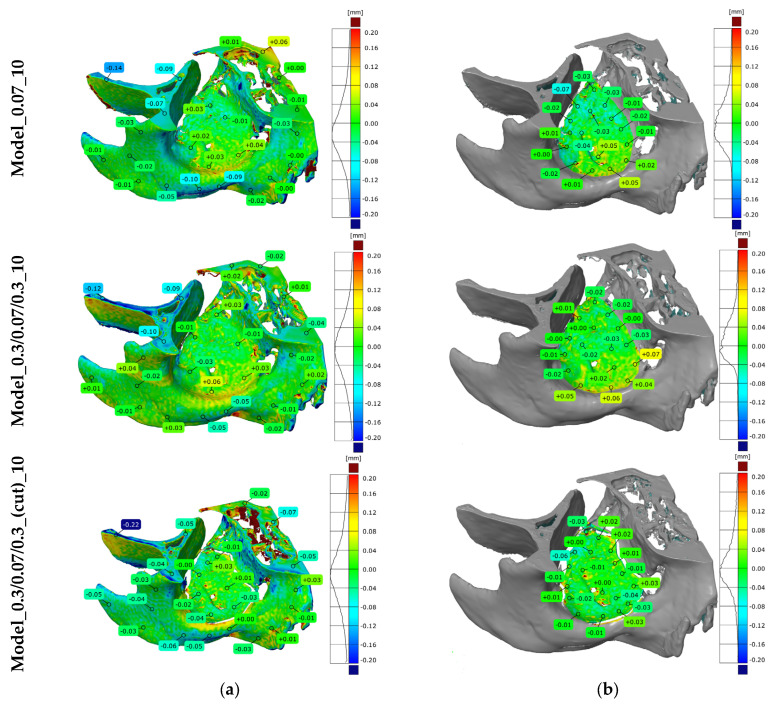 Figure 10
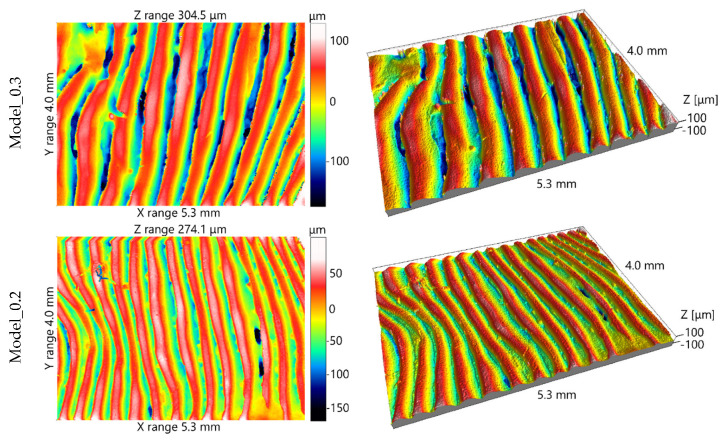 Figure 11
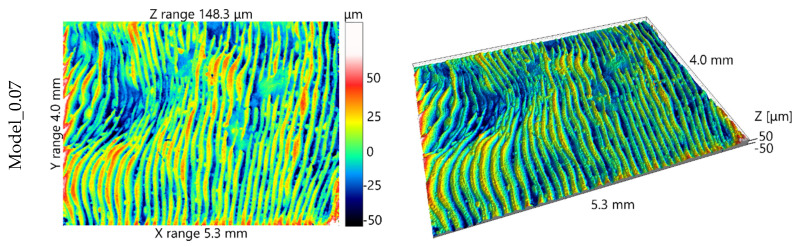 Figure 12
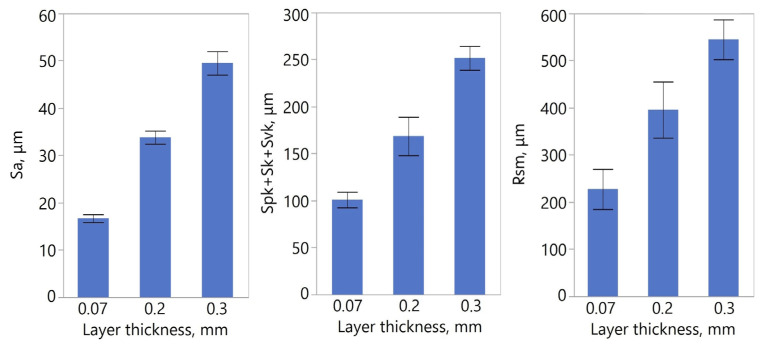 Figure 13
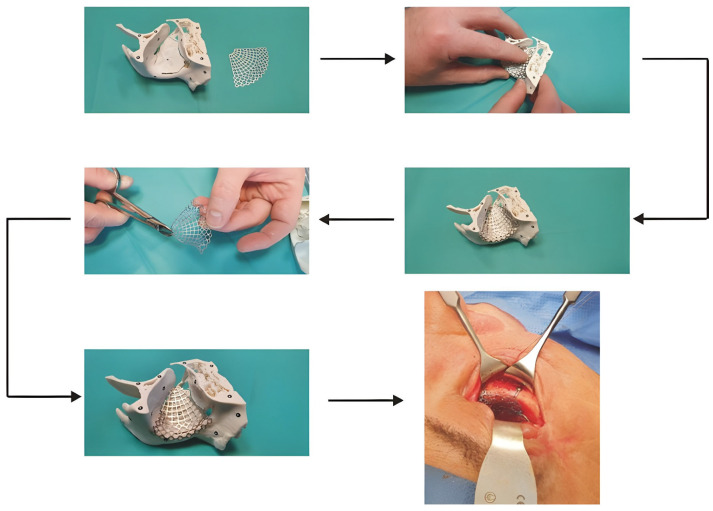 Figure 14
Peer Reviews
No public reviews on file for this paper yet. If you reviewed it on a platform where reviews are public (OpenReview, ICLR, NeurIPS, ICML), you can paste yours below so the community can read it here.
Videos
No videos yet. Explain this paper in a talk, walkthrough, or lecture? Add one.
Taxonomy
TopicsOrthodontics and Dentofacial Orthopedics · Ocular Disorders and Treatments · Anatomy and Medical Technology