Impact of Pretreatment Degree and Enzyme Type on the Production of Radical Scavenging and Antiproliferative Peptides from Starfish
Naveen Kumar Vate, Elahe Sharifi, Alessandro Coppola, Eleonora Montuori, Ingrid Undeland, Donatella de Pascale, Daniela Coppola, Mehdi Abdollahi

TL;DR
This study shows how pretreating starfish biomass and choosing the right enzyme affects the production of bioactive peptides with antioxidant and cancer-fighting properties.
Contribution
The study reveals how pretreatment and enzyme selection influence the yield and bioactivity of starfish-derived peptides.
Findings
Deproteinization reduced hydrolysate yield and degree of hydrolysis, but combining it with demineralization and C8 enzyme restored these values.
Hydrolysates from deproteinized starfish showed higher protein content and radical scavenging activity.
Only SF-FP hydrolysate exhibited antiproliferative activity against melanoma cells.
Abstract
Enzymatic hydrolysis is one of the effective methods used to obtain the bioactive peptides from marine resources. This study aimed to evaluate effect of the enzyme type (Food Pro PNL (FP), Corolase8000 (C8), and Corolase7089 (C7)) and biomass pretreatment level (whole starfish (SF), deproteinized (DPSF) as well as deproteinized and demineralized starfish (DPDMSF)) on the hydrolysate yield, degree of hydrolysis (DH), generated peptides’ molecular weight (MW), and in vitro radical scavenging and antiproliferative effects. Regardless of the enzyme used, deproteinization reduced the hydrolysate yield (<8% dw/ww) and DH (<5%), but also adding demineralization, in combination with C8, resulted in an equal yield (15%) and DH (>40%) to SF. However, the protein content of hydrolysates from DPSF and DPDMSF was higher than that prepared from SF. C8 was not effective in hydrolyzing SF but was the…
Genes, proteins, chemicals, diseases, species, mutations and cell lines named across the full text — each resolved to its canonical identifier and authoritative record.
Click any figure to enlarge with its caption.
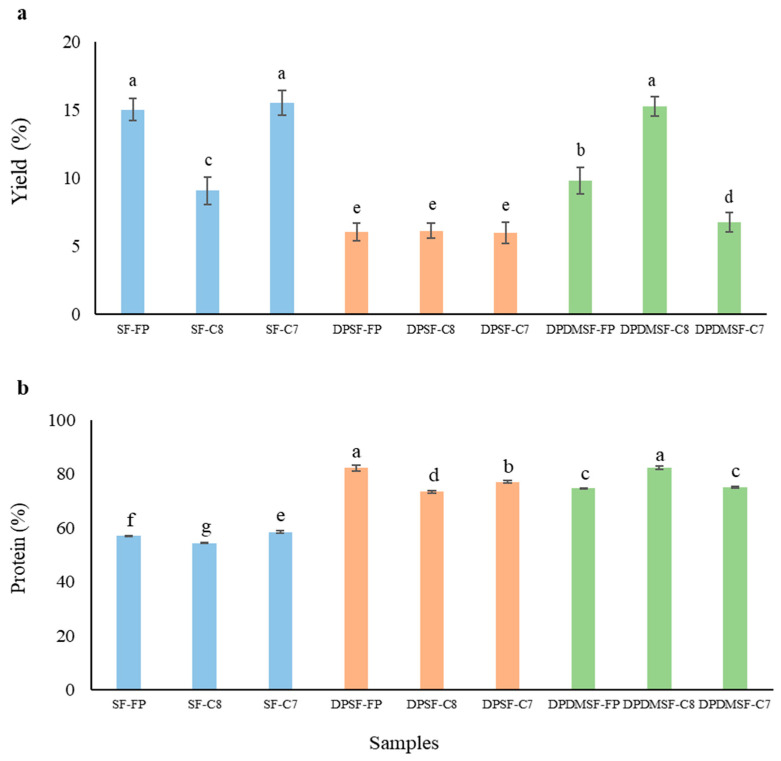 Figure 1
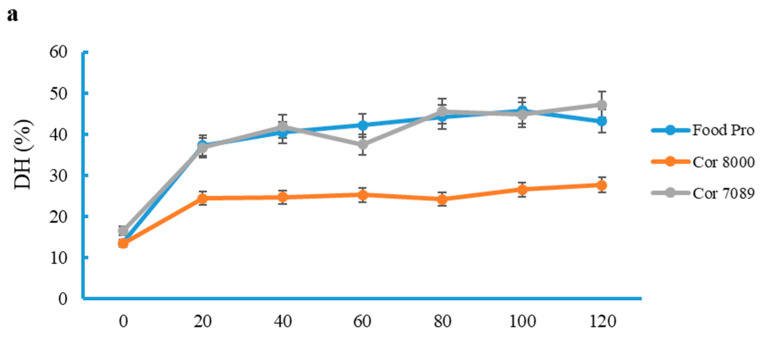 Figure 2
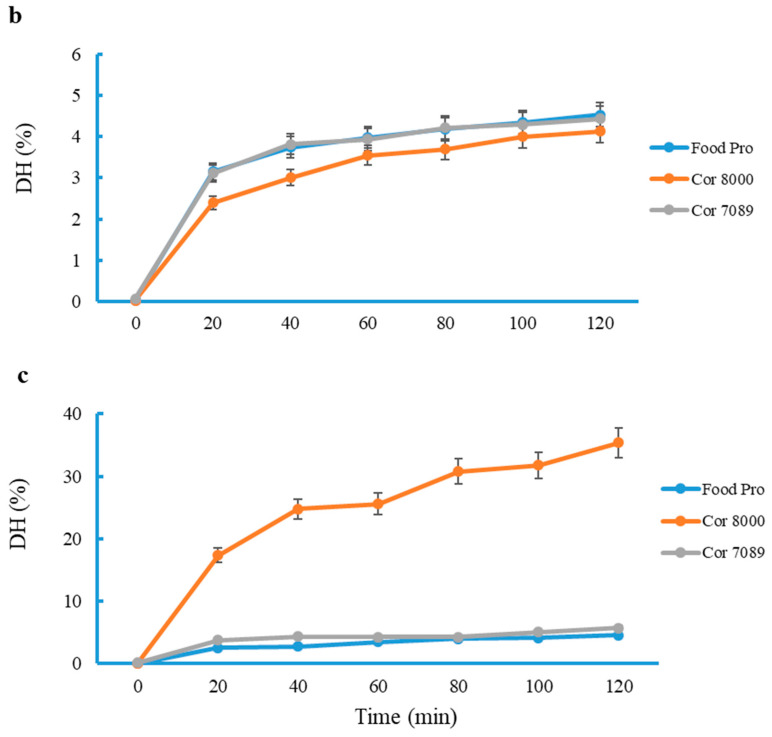 Figure 3
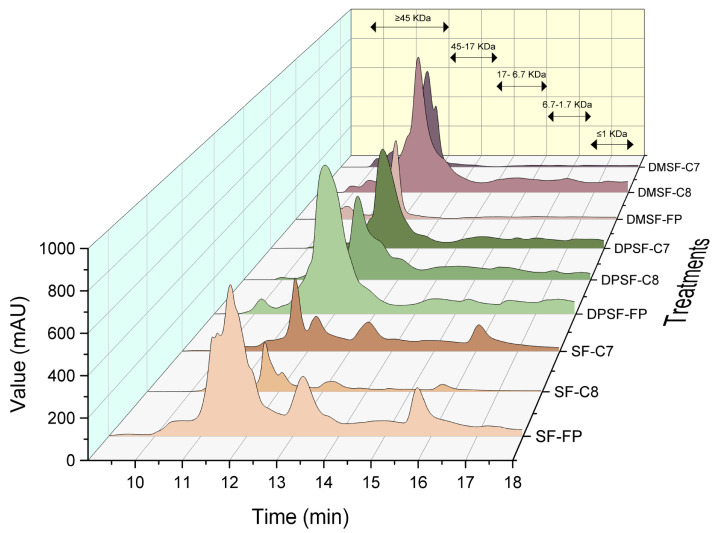 Figure 4
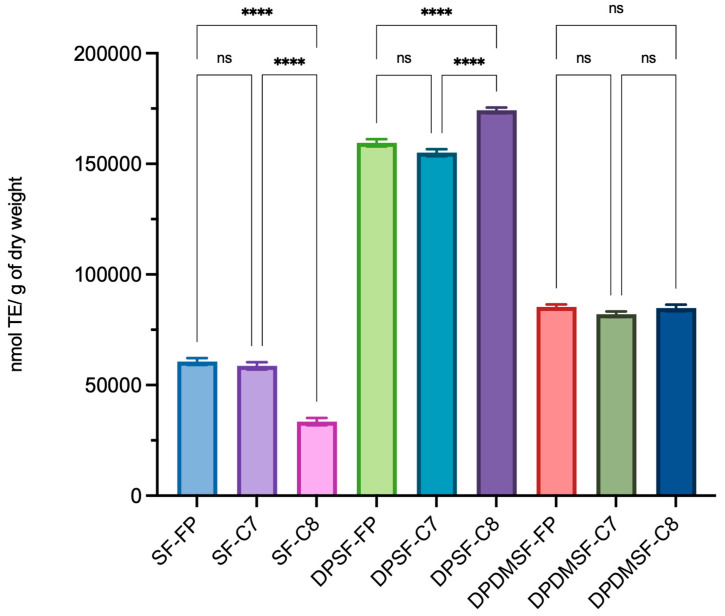 Figure 5
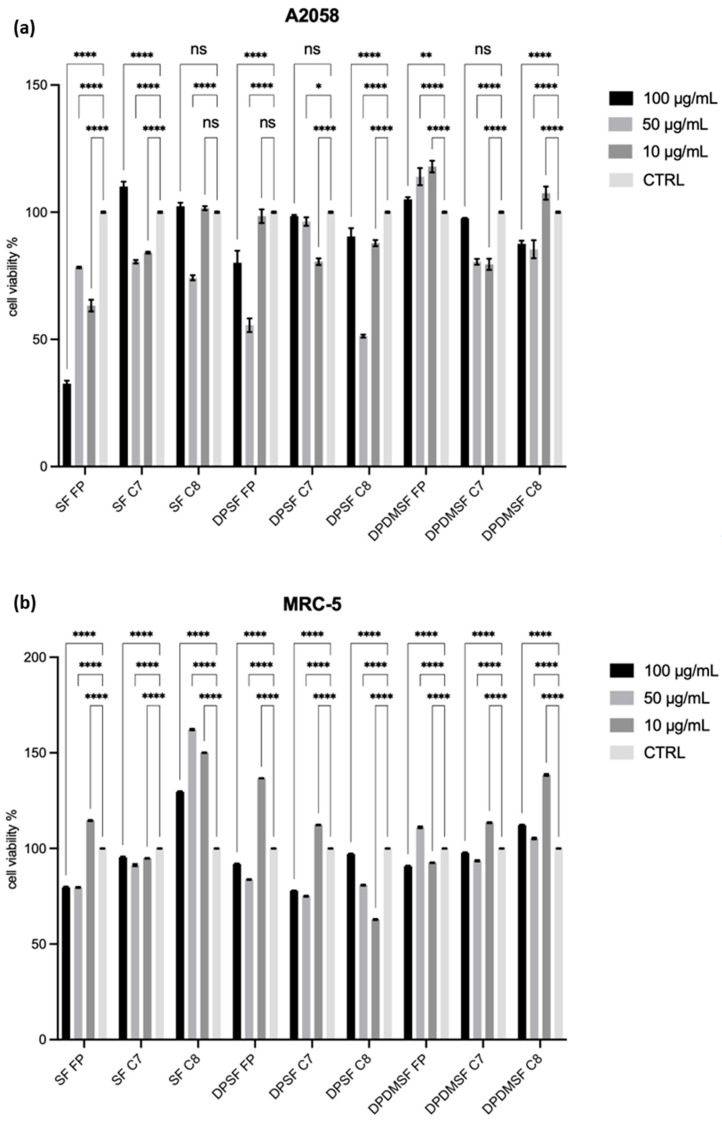 Figure 6
Peer Reviews
No public reviews on file for this paper yet. If you reviewed it on a platform where reviews are public (OpenReview, ICLR, NeurIPS, ICML), you can paste yours below so the community can read it here.
Videos
No videos yet. Explain this paper in a talk, walkthrough, or lecture? Add one.
Taxonomy
TopicsProtein Hydrolysis and Bioactive Peptides · Enzyme Production and Characterization · Insect Utilization and Effects