Macroalgal Peptides with Predicted α-Glucosidase Inhibitory Activity: Preparation and Molecular Docking
Sakhi Ghelichi, Seyed Hossein Helalat, Mona Hajfathalian, Birte Svensson, Charlotte Jacobsen

TL;DR
This study identifies peptides from a red alga that can inhibit an enzyme linked to blood sugar control, with potential for developing new treatments for diabetes.
Contribution
The study introduces novel low-molecular-weight peptides from Palmaria palmata with strong α-glucosidase inhibition and provides structural insights for drug design.
Findings
Alcalase®-derived peptides showed highest α-glucosidase inhibition with an IC50 of 2.48 mg·mL−1.
Peptides RADIPFRRA and DGIAEAWLG bind to the enzyme's active site, while FWSQIFGVAF binds to a peripheral site.
Low-molecular-weight peptides (<1 kDa) exhibited the strongest inhibitory activity.
Abstract
This study investigated the α-glucosidase inhibitory potential of enzymatic/alkaline treatments from Palmaria palmata using different proteases and pairwise combinations thereof. Treatments prepared with Alcalase®, Flavourzyme®, and Formea® Prime, alone or in combination, were evaluated for dose-dependent inhibitory activity. Alcalase®-derived treatments exhibited the highest α-glucosidase inhibition, achieving an IC50 of 2.48 mg·mL−1, outperforming other treatments and combinations. Membrane fractionation of the Alcalase®-derived treatment into >5 kDa, 3–5 kDa, 1–3 kDa, and <1 kDa fractions revealed a size-dependent trend, with the <1 kDa fraction showing the strongest inhibition (IC50 of 1.94 mg·mL−1). Three peptides, RADIPFRRA, DGIAEAWLG, and FWSQIFGVAF, from the <1 kDa fraction were identified as potential α-glucosidase inhibitors using the BIOPEP-UWM database and were further…
Genes, proteins, chemicals, diseases, species, mutations and cell lines named across the full text — each resolved to its canonical identifier and authoritative record.
Click any figure to enlarge with its caption.
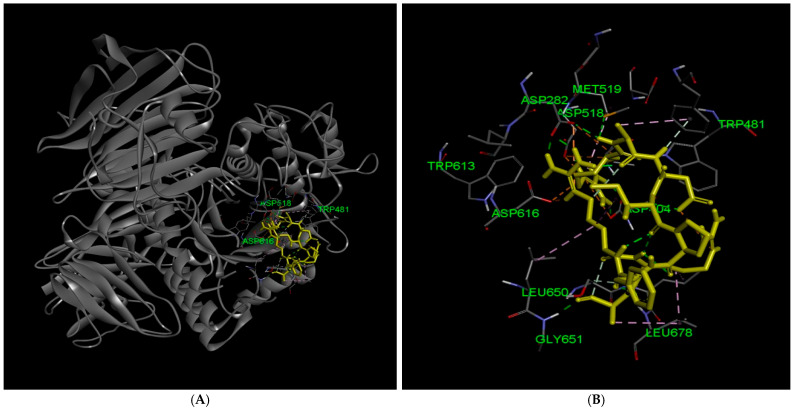 Figure 1
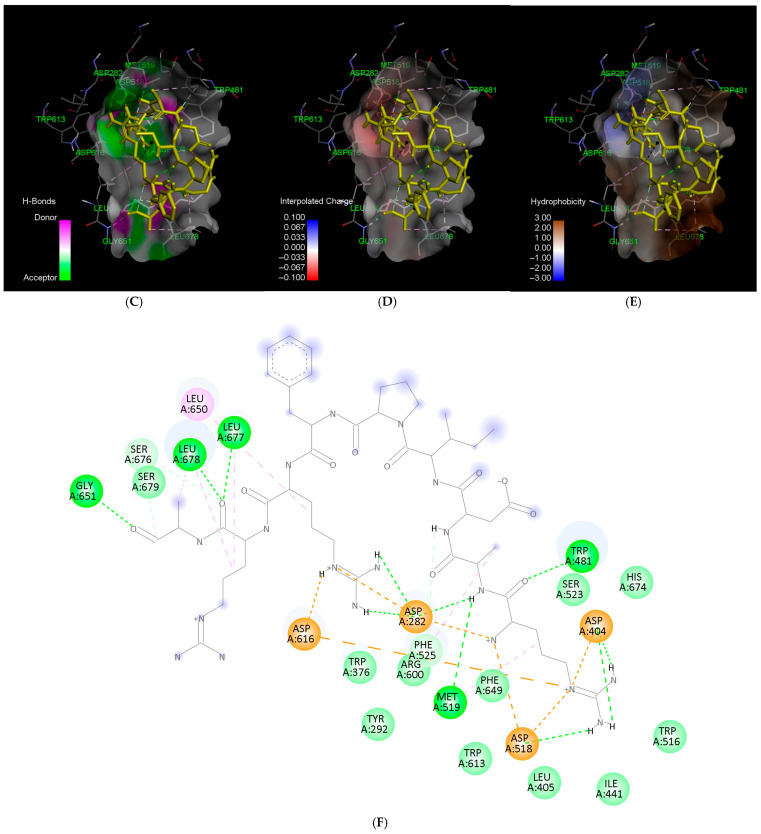 Figure 2
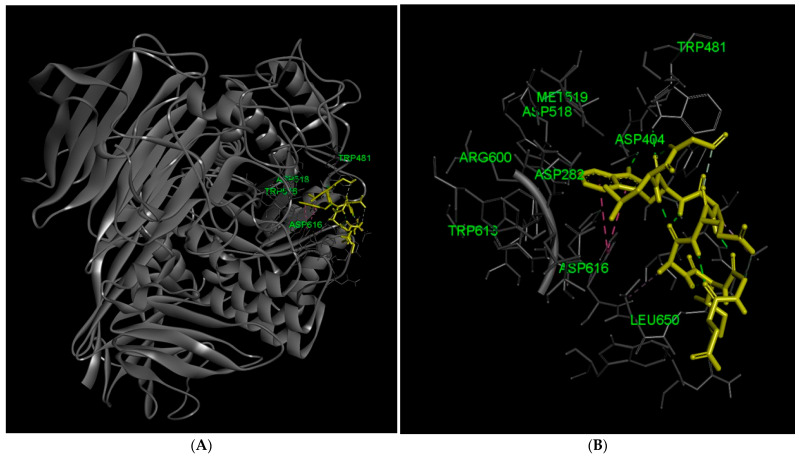 Figure 3
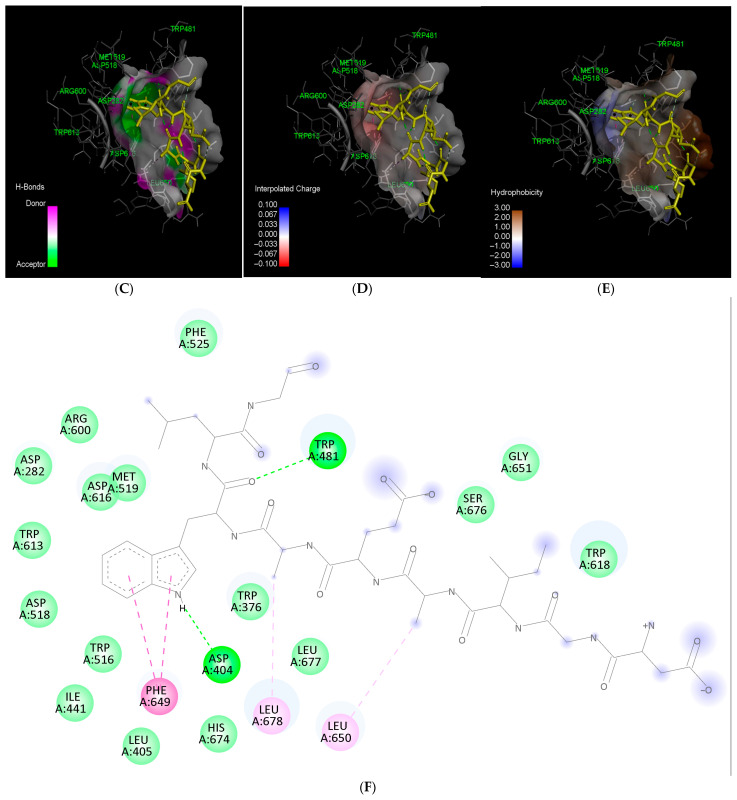 Figure 4
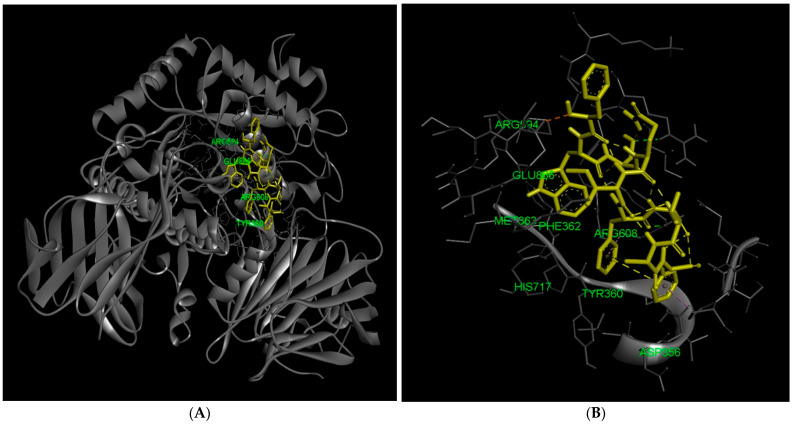 Figure 5
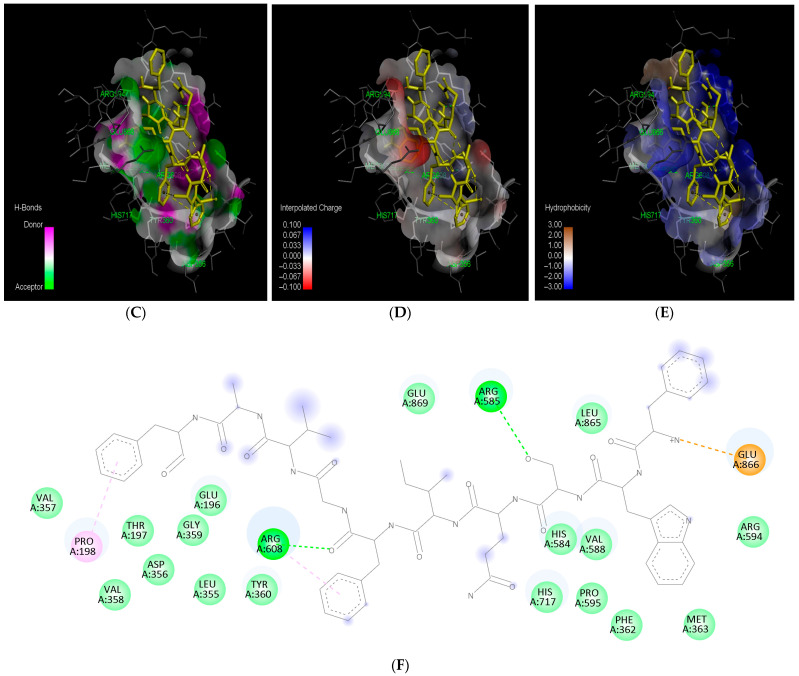 Figure 6
Peer Reviews
No public reviews on file for this paper yet. If you reviewed it on a platform where reviews are public (OpenReview, ICLR, NeurIPS, ICML), you can paste yours below so the community can read it here.
Videos
No videos yet. Explain this paper in a talk, walkthrough, or lecture? Add one.
Taxonomy
TopicsProtein Hydrolysis and Bioactive Peptides · Enzyme Production and Characterization · Seaweed-derived Bioactive Compounds