From Preparticipation Screening to Diagnosis: Long-Term Outcomes of Athletes with Ventricular Repolarization Abnormalities and Normal Echocardiography
Massimiliano Bianco, Fabrizio Sollazzo, Stefania Manes, Andrea Giovanni Cristaudo, Gloria Modica, Riccardo Monti, Michela Cammarano, Paolo Zeppilli, Vincenzo Palmieri

TL;DR
This study tracks athletes with heart electrical issues over time, finding that persistent abnormalities are linked to later heart diagnoses, suggesting the need for long-term monitoring.
Contribution
The study identifies that persistent resting ventricular repolarization abnormalities predict future cardiovascular diagnoses in athletes with initially normal echocardiograms.
Findings
Over 50% of athletes with ventricular repolarization abnormalities received a cardiovascular diagnosis during long-term follow-up.
Persistence of resting VRA was significantly associated with a higher likelihood of diagnosis, unlike exercise-induced changes.
Advanced imaging played a key role in identifying heart conditions not detected by initial tests.
Abstract
Background/Objectives: Ventricular repolarization abnormalities (VRA) represent a grey area in athlete screening: some patterns are physiological, while others are precursors to heart disease. Objective: to clarify the natural history of VRA and the associated factors of structural diagnosis. Methods: Retrospective observational single-center study of athletes with resting or stress VRA at the first evaluation, with normal echocardiography; minimum follow-up of 2 years. Clinical data, resting and stress ECG, echocardiography, and selective advanced imaging throughout follow-up were collected. Primary outcome: cardiovascular diagnosis at follow-up; time-to-event analysis and associations between ECG characteristics and diagnosis. Results: Fifty-three athletes (mean age 22.2 ± 9.2 years; 92.5% male) were included; 60.4% had resting VRA, and 100% had exercise-induced VRA at baseline. Over…
Genes, proteins, chemicals, diseases, species, mutations and cell lines named across the full text — each resolved to its canonical identifier and authoritative record.
Click any figure to enlarge with its caption.
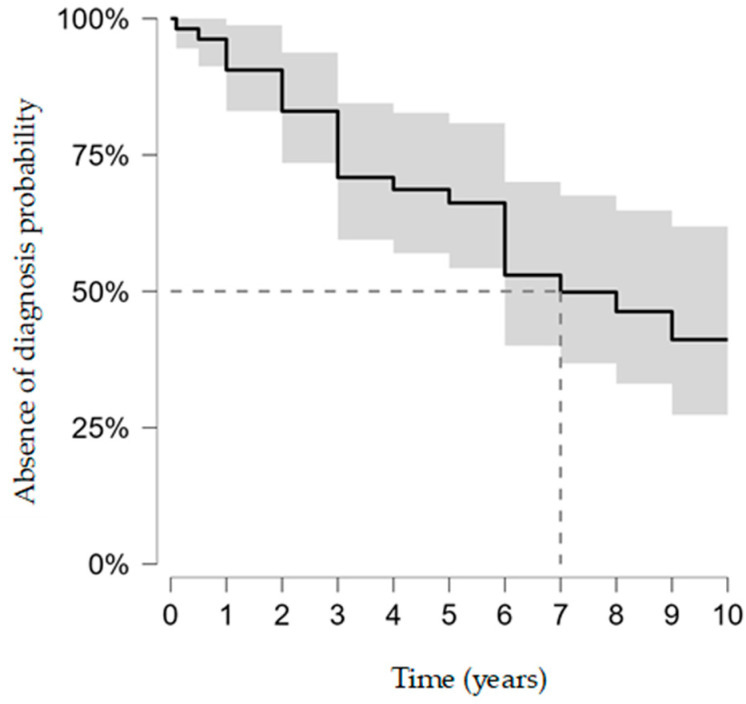 Figure 1
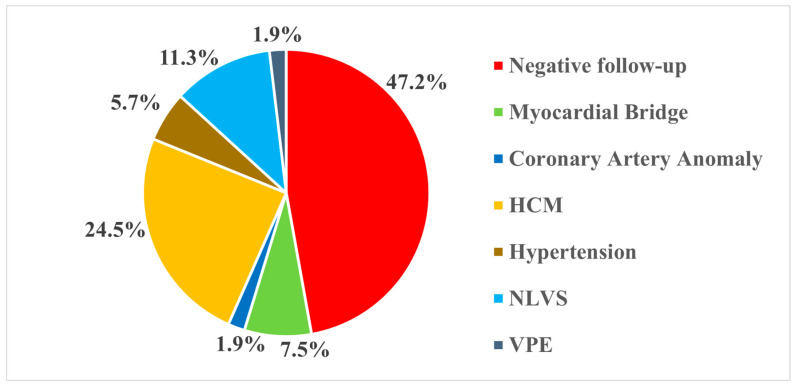 Figure 2
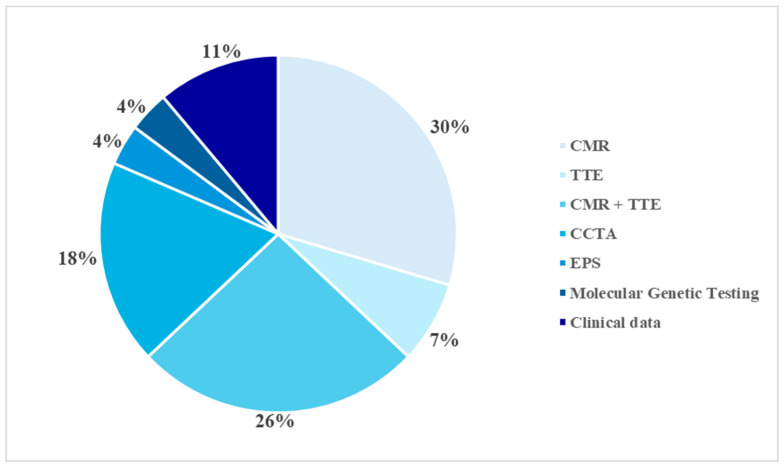 Figure 3
Peer Reviews
No public reviews on file for this paper yet. If you reviewed it on a platform where reviews are public (OpenReview, ICLR, NeurIPS, ICML), you can paste yours below so the community can read it here.
Videos
No videos yet. Explain this paper in a talk, walkthrough, or lecture? Add one.
Taxonomy
TopicsCardiovascular Effects of Exercise · Cardiac electrophysiology and arrhythmias · Cardiac Arrhythmias and Treatments