Evaluation and Utilization of Aged Bacteria in MICP Technology
Masaharu Fukue, Zbigniew Lechowicz, Catherine N. Mulligan, Seiichi Takeuchi, Hidekatsu Takeuchi

TL;DR
This paper explores how aged bacteria can still be effectively used in microbial-induced calcite precipitation (MICP) technology to produce carbonate for soil stabilization.
Contribution
The study introduces a method to estimate precursor-carbonate and viable bacterial density using depth-based carbonate measurements in soil.
Findings
Aged bacteria can produce more carbonate than the initial calcium chloride amount.
Carbonate depth distribution in soil correlates with microbial adsorption properties.
Formulas linking precursor-carbonate, viable bacteria density, and apparent viability are validated.
Abstract
As a response to aging of cultured urease-producing microorganisms, the blending method was examined to obtain the required carbonate production amount using the apparent viability (Rcv) based on previous research. As a result, a significantly higher carbonate content than the amount of CaCl2 2H2O used was produced. Since this trend has been obtained in previous studies, it was judged that carbonate hydrate was formed. As a next step, a penetration test of soil–biocement–liquid (BCS) was conducted to investigate the properties and behavior of the BCS system, taking into account the microscopic properties of the BCS response. The depth distribution of carbonate content (C) was measured by the acid dissolution method of soil sampled from the specimen. It was assumed that the C-profile was formed by adsorption based on the diffuse double layer of microorganisms. It was shown that the…
Genes, proteins, chemicals, diseases, species, mutations and cell lines named across the full text — each resolved to its canonical identifier and authoritative record.
Click any figure to enlarge with its caption.
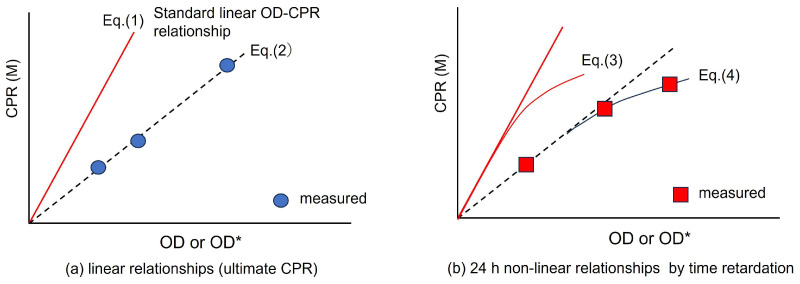 Figure 1
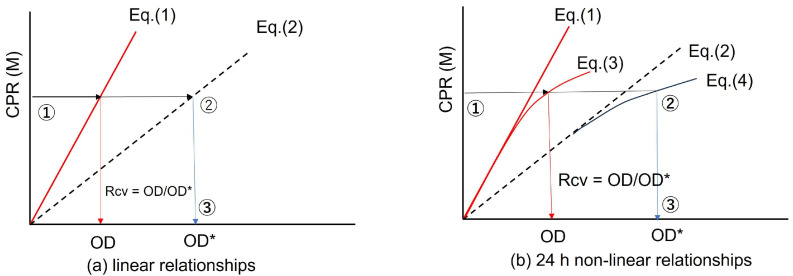 Figure 2
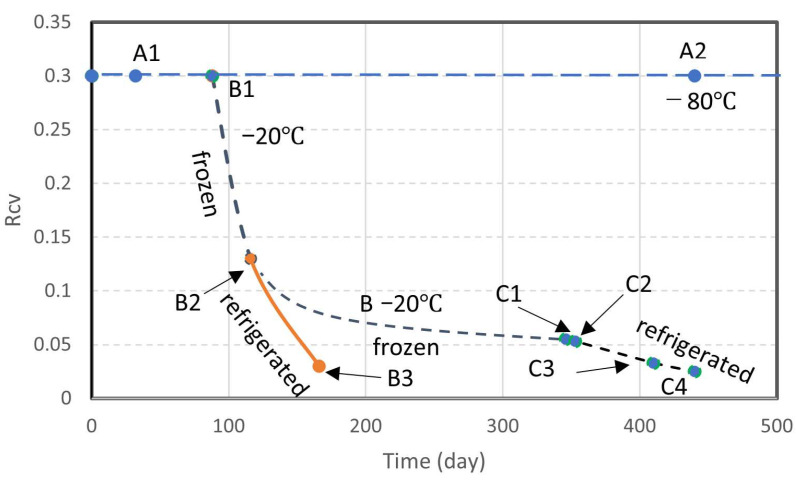 Figure 3
 Figure 4
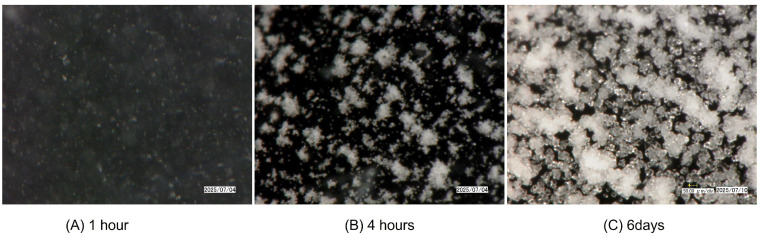 Figure 5
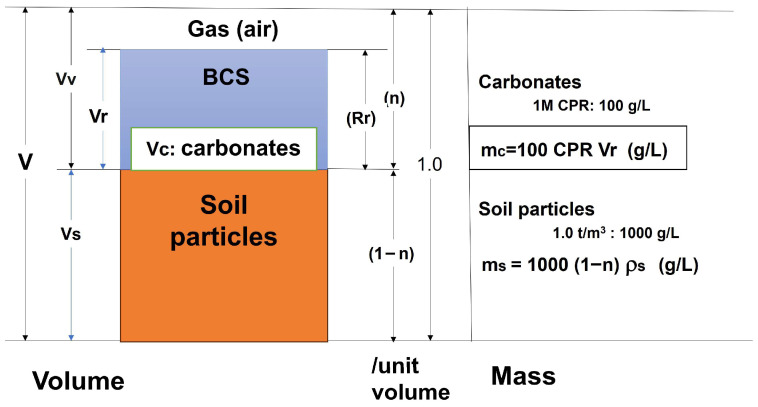 Figure 6
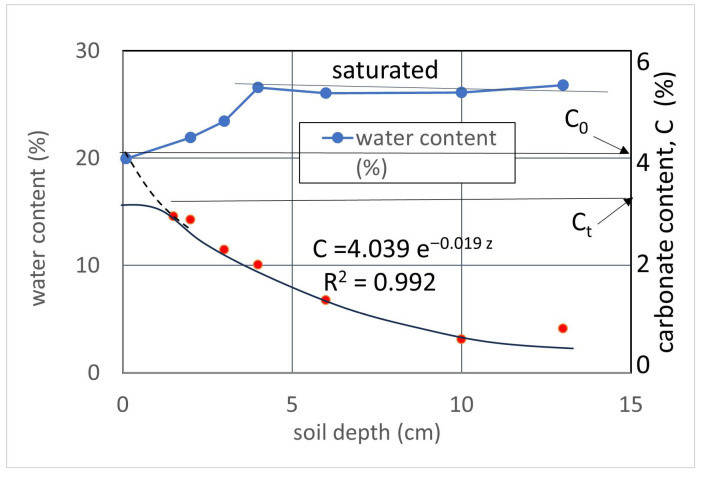 Figure 7
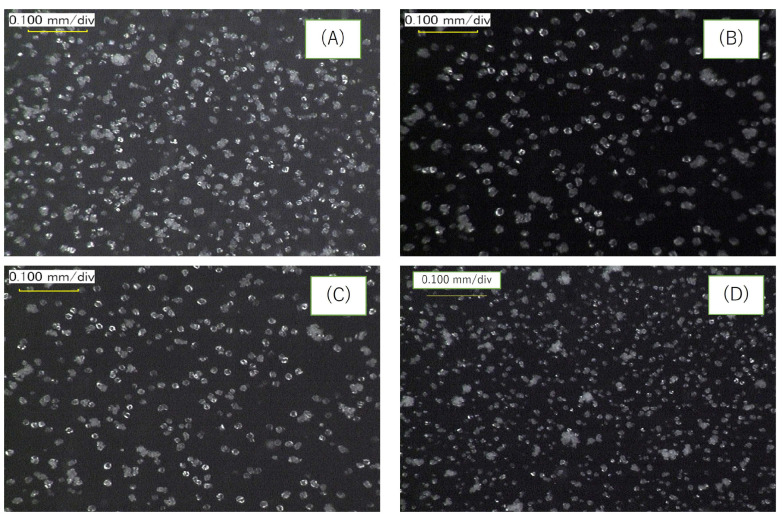 Figure 8
Peer Reviews
No public reviews on file for this paper yet. If you reviewed it on a platform where reviews are public (OpenReview, ICLR, NeurIPS, ICML), you can paste yours below so the community can read it here.
Videos
No videos yet. Explain this paper in a talk, walkthrough, or lecture? Add one.
Taxonomy
TopicsMicrobial Applications in Construction Materials · Building materials and conservation · CO2 Sequestration and Geologic Interactions