Enhancing Effect of Coupling Agent Sizing on the Mechanical Properties of Carbon Fiber Reinforced Acrylonitrile-Butadiene-Styrene Composites
Youqiang Yao, Xiaoqing Fang, Zhonglue Hu, Weiping Dong, Bin Wang, Sisi Wang, Xiping Li

TL;DR
This paper shows that modifying carbon fibers with a chemical treatment improves their bonding with a plastic material, making the final product stronger and more heat-resistant.
Contribution
The novel use of KH792 silane coupling agent to enhance carbon fiber-ABS composite properties via covalent bonding and improved interfacial compatibility.
Findings
KH792 treatment creates a hybrid Si–O–C/Si–O–Si interface on carbon fibers with –NH2 groups bridging to ABS.
Modified carbon fibers show <20° contact angle, higher surface energy, and increased thermal stability (T_onset +17 °C, T_max +10 °C).
CF/ABS composites achieved tensile strengths of 58.41 MPa (injection) and 49.37 MPa (3D-printed), with improved flexural strength.
Abstract
What are the main findings? KH792 builds hybrid Si–O–C/Si–O–Si interface on CF, with –NH2 bridging to ABS.Modified CF has <20° contact angle, higher surface energy; T_onset +17 °C, T_max +10 °C.CF/ABS tensile strength: 58.41 MPa (injection) and 49.37 MPa (3D-printed). KH792 builds hybrid Si–O–C/Si–O–Si interface on CF, with –NH2 bridging to ABS. Modified CF has <20° contact angle, higher surface energy; T_onset +17 °C, T_max +10 °C. CF/ABS tensile strength: 58.41 MPa (injection) and 49.37 MPa (3D-printed). What are the implications of the main findings? KH792 covalent anchoring enhances fiber-matrix interfacial bonding effectively.Higher thermal stability broadens application potential in heat-resistant components.High-performance CF/ABS achieved via both molding and additive manufacturing. KH792 covalent anchoring enhances fiber-matrix interfacial bonding effectively. Higher…
Genes, proteins, chemicals, diseases, species, mutations and cell lines named across the full text — each resolved to its canonical identifier and authoritative record.
Click any figure to enlarge with its caption.
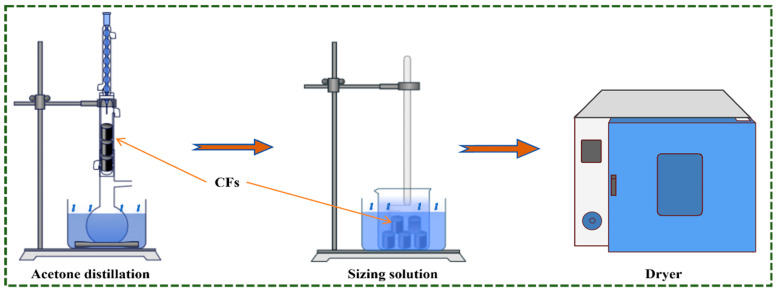 Figure 1
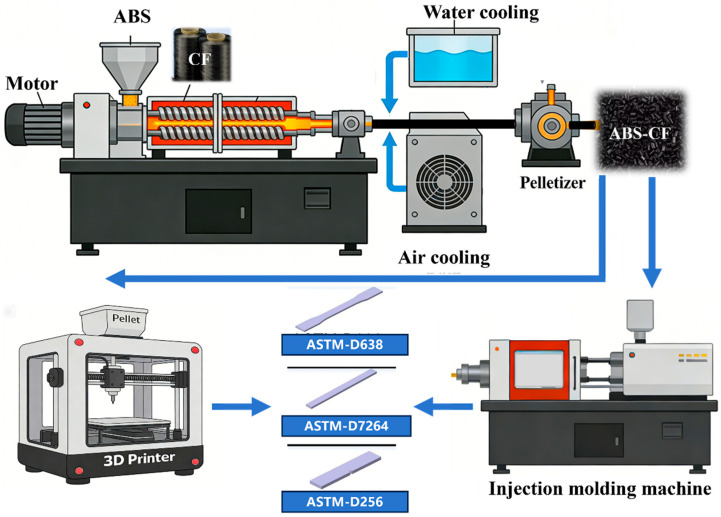 Figure 2
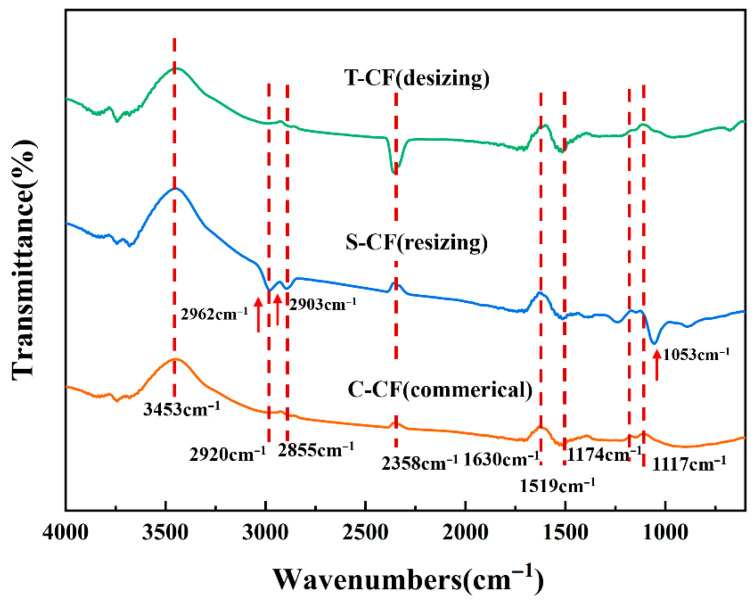 Figure 3
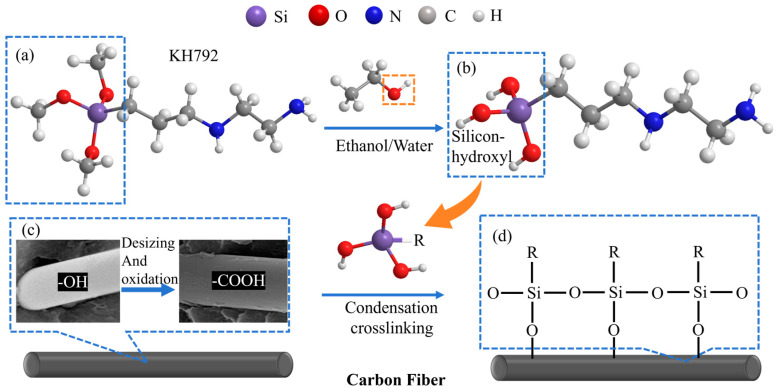 Figure 4
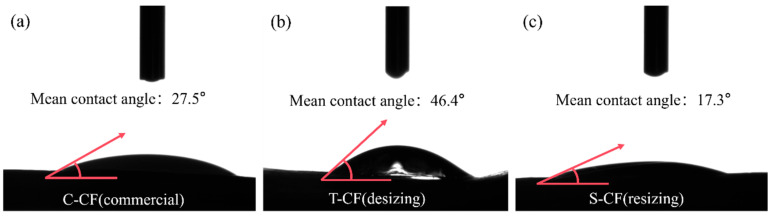 Figure 5
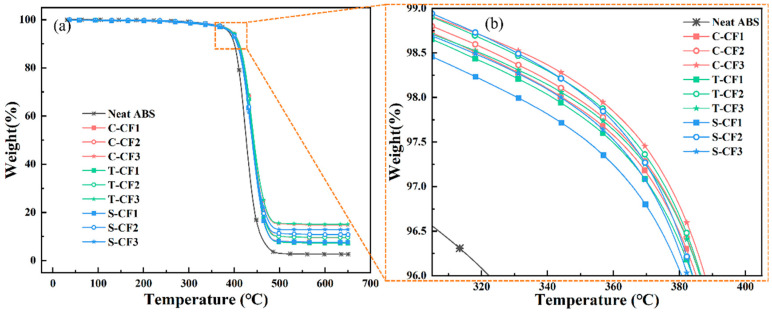 Figure 6
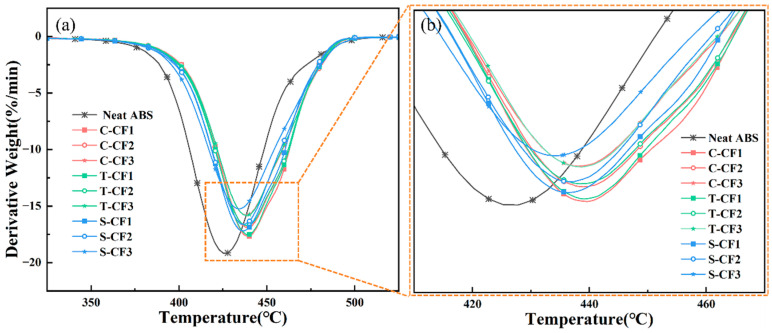 Figure 7
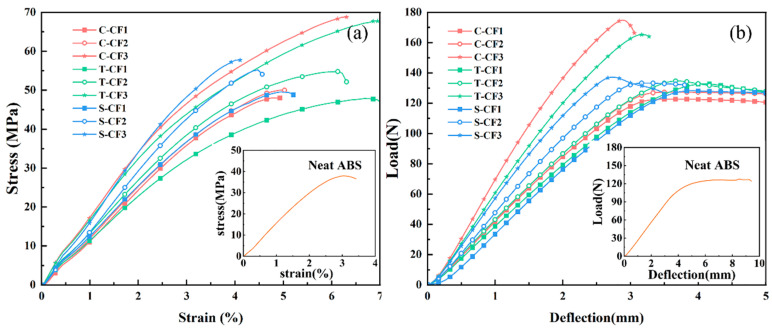 Figure 8
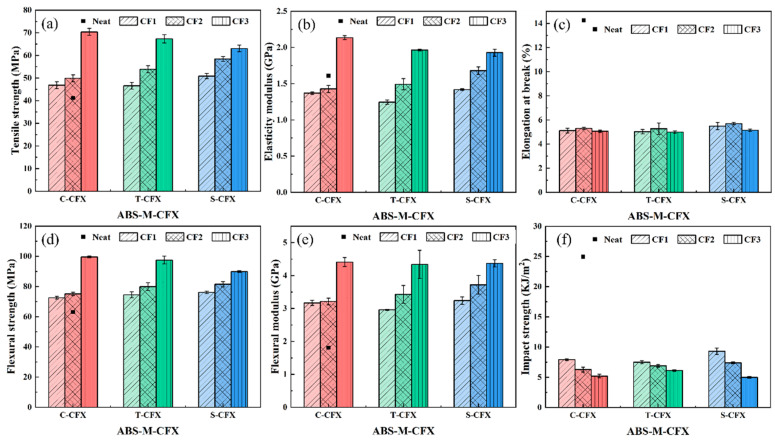 Figure 9
 Figure 10
 Figure 11
 Figure 12
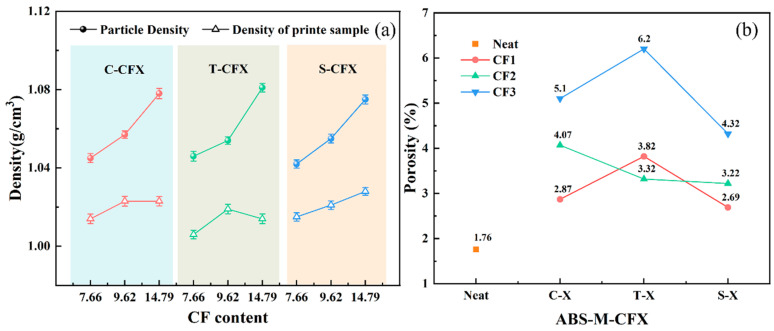 Figure 13
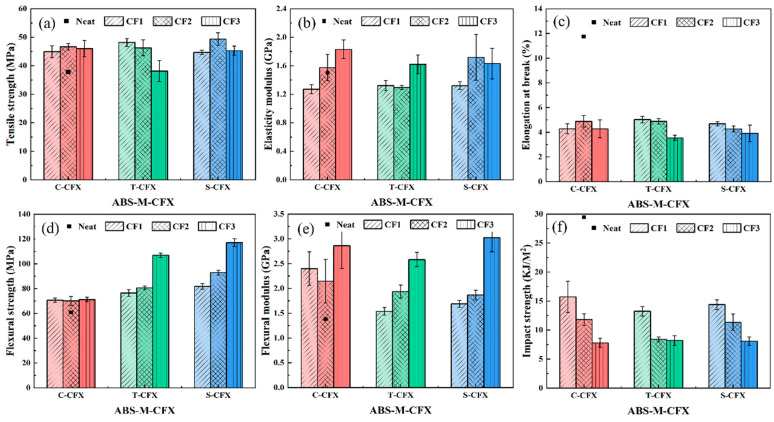 Figure 14
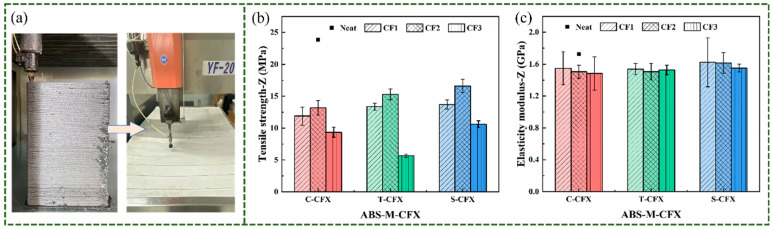 Figure 15
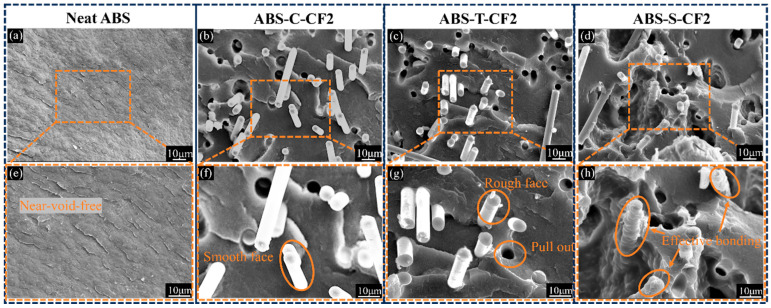 Figure 16
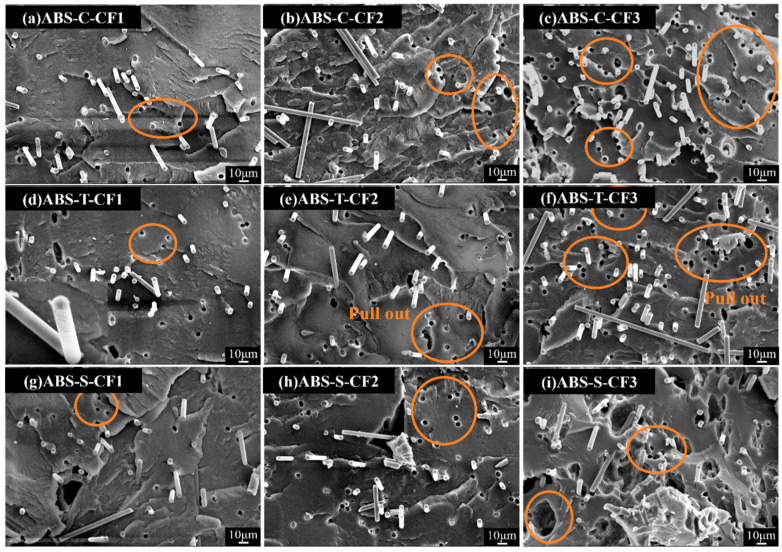 Figure 17
Peer Reviews
No public reviews on file for this paper yet. If you reviewed it on a platform where reviews are public (OpenReview, ICLR, NeurIPS, ICML), you can paste yours below so the community can read it here.
Videos
No videos yet. Explain this paper in a talk, walkthrough, or lecture? Add one.
Taxonomy
TopicsFiber-reinforced polymer composites · Additive Manufacturing and 3D Printing Technologies · Epoxy Resin Curing Processes