Machine Learning-Based Prognostic Prediction for Knee Osteoarthritis After High Tibial Osteotomy Using Wavelet-Derived Gait Features
Koji Iwasaki, Kento Sabashi, Hidenori Koyano, Yuji Kodama, Shigeyuki Sakurai, Kengo Ukishiro, Ryusuke Ito, Hisashi Matsumoto, Yuichiro Abe, Noriaki Mori, Chiharu Inoue, Yasumitsu Ohkoshi, Tomohiro Onodera, Eiji Kondo, Norimasa Iwasaki

TL;DR
This study uses machine learning and gait data from wearable sensors to predict which knee osteoarthritis patients are likely to have poor outcomes after a specific surgery.
Contribution
A novel machine learning model using wavelet-derived gait features from inertial sensors to predict post-surgery outcomes in knee osteoarthritis patients.
Findings
The model achieved an AUC of 0.744 in predicting good versus poor outcomes after surgery.
Key predictors were gait acceleration features in the 5–8 Hz frequency band during specific gait phases.
Baseline demographics and radiographic parameters did not differ significantly between outcome groups.
Abstract
Background: Osteotomy around the knee (OAK) is a joint-preserving surgery for knee osteoarthritis, yet some patients experience suboptimal outcomes. Preoperative identification of high-risk patients remains challenging. This study aimed to develop a machine learning model to predict clinical outcomes after OAK using preoperative gait acceleration data from inertial measurement units (IMUs). Methods: This multicenter prospective study enrolled patients undergoing OAK. Preoperative gait was recorded using synchronized IMUs placed on the lumbar spine and tibia. Lumbar and tibial signals were used for gait-cycle segmentation, while wavelet-based time–frequency features were extracted from tibial acceleration only. Outcomes were defined by achievement of the minimal clinically important difference in ≥3 KOOS subscales at 2-year follow-up (Good vs. Poor). Continuous wavelet transform features…
Genes, proteins, chemicals, diseases, species, mutations and cell lines named across the full text — each resolved to its canonical identifier and authoritative record.
Click any figure to enlarge with its caption.
 Figure 1
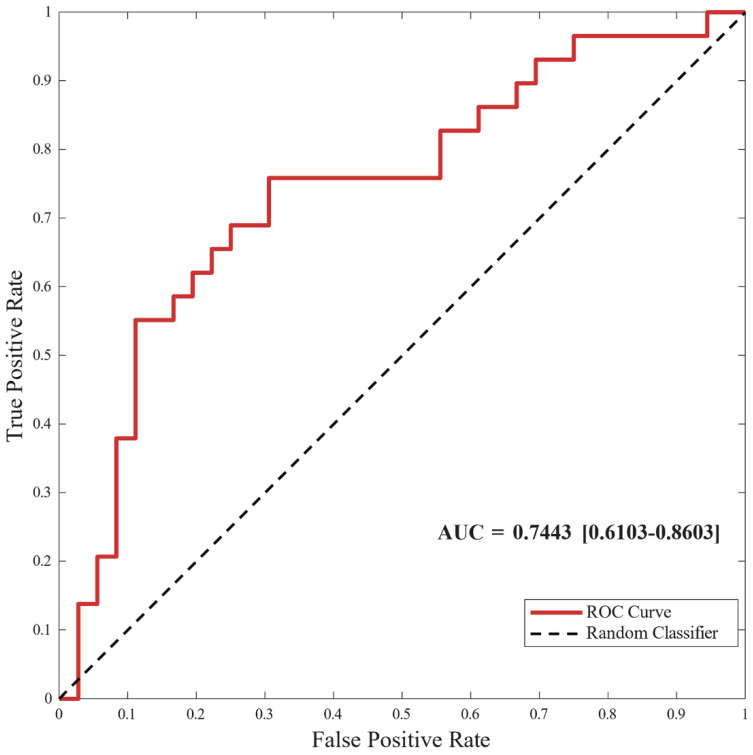 Figure 2
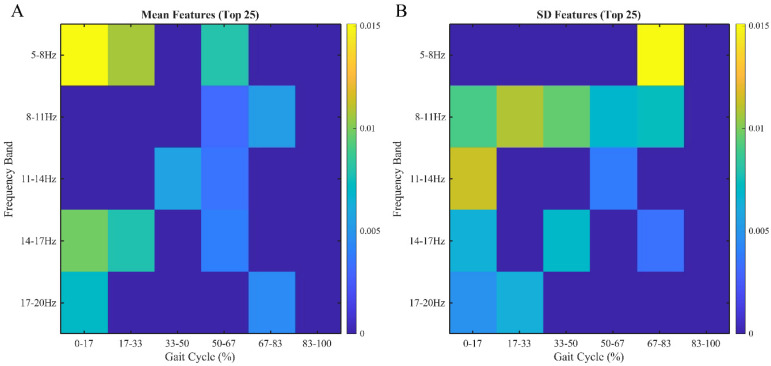 Figure 3
Peer Reviews
No public reviews on file for this paper yet. If you reviewed it on a platform where reviews are public (OpenReview, ICLR, NeurIPS, ICML), you can paste yours below so the community can read it here.
Videos
No videos yet. Explain this paper in a talk, walkthrough, or lecture? Add one.
Taxonomy
TopicsTotal Knee Arthroplasty Outcomes · Osteoarthritis Treatment and Mechanisms · Balance, Gait, and Falls Prevention