Automated Analysis of Pelvic Radiographs for Hip Dysplasia Screening Using Artificial Intelligence in Children with Cerebral Palsy: A Systematic Review
Ayesha Barmare, Erich Rutz, Sharmala Thuraisingam, Daniel Gould

TL;DR
This paper reviews AI models for detecting hip dysplasia in children with cerebral palsy, showing promising accuracy compared to experts.
Contribution
The study systematically evaluates AI performance in hip dysplasia detection, highlighting its potential as a clinical tool.
Findings
AI sensitivity for hip dysplasia detection ranged from 70% to 97.4%.
Specificity ranged from 85% to 96%, with high area under the curve values (0.923–0.999).
Most studies had moderate to high risk of bias due to internal validation and small datasets.
Abstract
Background and Objectives: Cerebral palsy is a debilitating and complex movement disorder affecting millions of people worldwide. Many children with cerebral palsy develop hip dysplasia, which can lead to pain, functional decline, and long-term complications. Regular hip surveillance is therefore essential to allow early intervention and prevent progression. At present, screening is performed manually by experienced clinicians, which can be time consuming and costly. This study aimed to compare the performance of artificial intelligence models with expert clinicians in detecting hip dysplasia in children with cerebral palsy. Materials and Methods: A thorough search of Embase, Ovid MEDLINE, and Web of Science was conducted from inception to July 2025. Studies evaluating AI-based detection of hip dysplasia in children aged 18 years or younger with cerebral palsy were included. Risk of…
Genes, proteins, chemicals, diseases, species, mutations and cell lines named across the full text — each resolved to its canonical identifier and authoritative record.
Click any figure to enlarge with its caption.
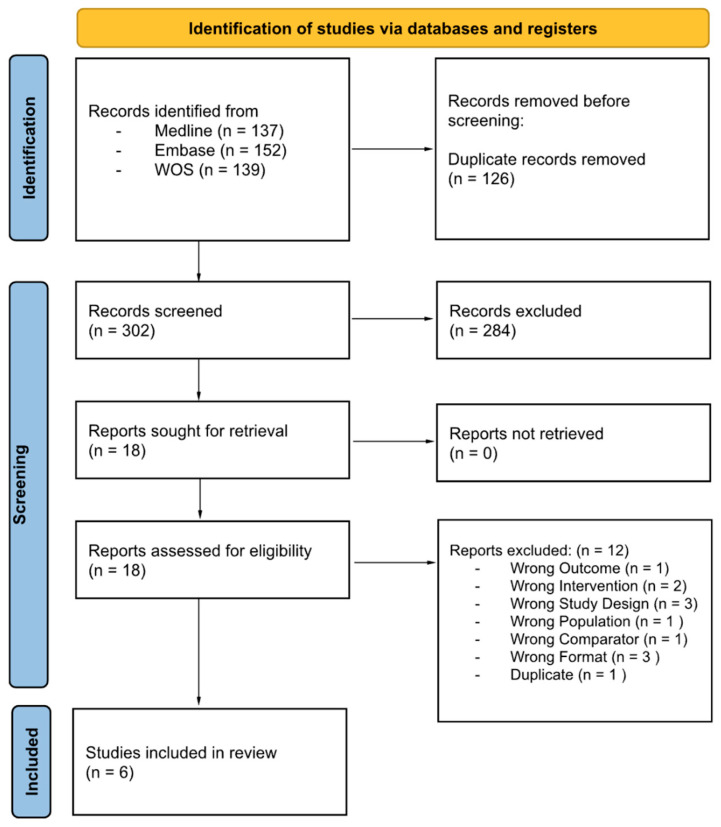 Figure 1
Peer Reviews
No public reviews on file for this paper yet. If you reviewed it on a platform where reviews are public (OpenReview, ICLR, NeurIPS, ICML), you can paste yours below so the community can read it here.
Videos
No videos yet. Explain this paper in a talk, walkthrough, or lecture? Add one.
Taxonomy
TopicsCerebral Palsy and Movement Disorders · Artificial Intelligence in Healthcare and Education · Medical Imaging and Analysis