Bio-Based and Sustainable Alternatives to Conventional and Synthetic Leather
Ewa Oleksińska-Merida, Michał Puchalski, Lucyna Herczyńska

TL;DR
This paper reviews eco-friendly leather alternatives made from plants, fungi, and microbes to replace harmful traditional and synthetic leathers.
Contribution
The paper provides a comprehensive review of emerging bio-based leather substitutes and their potential for sustainable manufacturing.
Findings
Mycelium leather shows promise for scalable and low-impact production but needs improvements in tensile strength and water resistance.
Plant-based leathers like Vegea® and Piñatex® use agricultural waste to create biodegradable composites.
Microbial cellulose from kombucha fermentation offers materials with good physical and aesthetic properties.
Abstract
Growing demand for sustainable materials has intensified research into eco-friendly alternatives to conventional and synthetic leathers. Traditional bovine leather and its chromium-tanning process heavily contribute to water pollution, toxic waste generation, and carbon emissions, while synthetic leather derived from Polyvinyl Chloride (PVC) and polyurethane (PU) presents challenges related to fossil fuel dependence and non-biodegradability. This review explores bio-based and sustainable leather substitutes that are made of plants, microbial cellulose, and mycelium fungi. Plant-based leather substitutes such as Vegea®, Desserto®, and Piñatex® use agricultural waste products to create durable, partially biodegradable composites. Microbial cellulose from kombucha fermentation offers material with good physical and aesthetic properties. Mycelium leather, derived from fungal biomass,…
Genes, proteins, chemicals, diseases, species, mutations and cell lines named across the full text — each resolved to its canonical identifier and authoritative record.
Click any figure to enlarge with its caption.
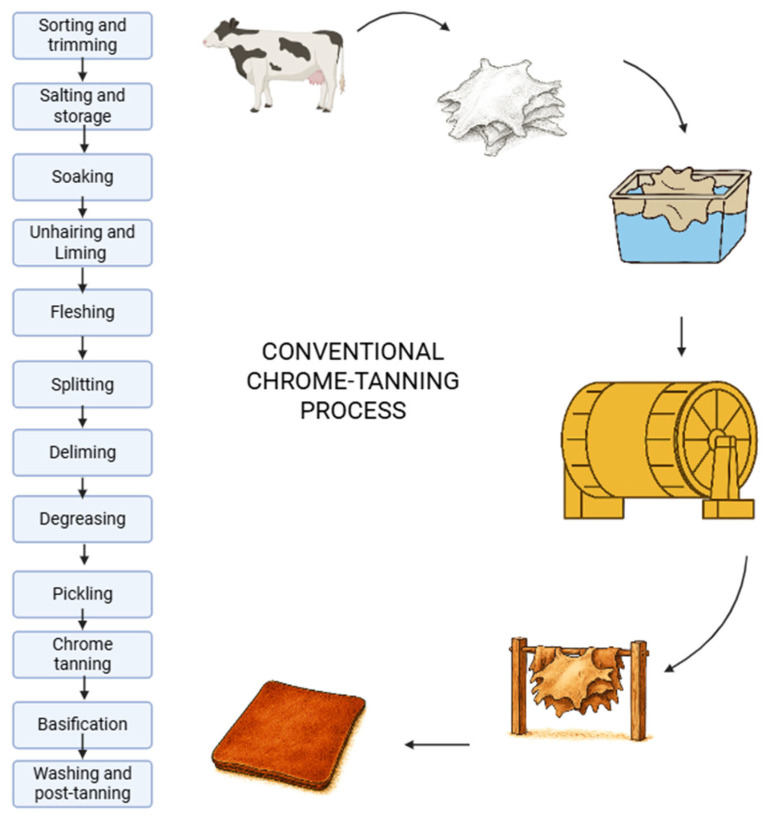 Figure 1
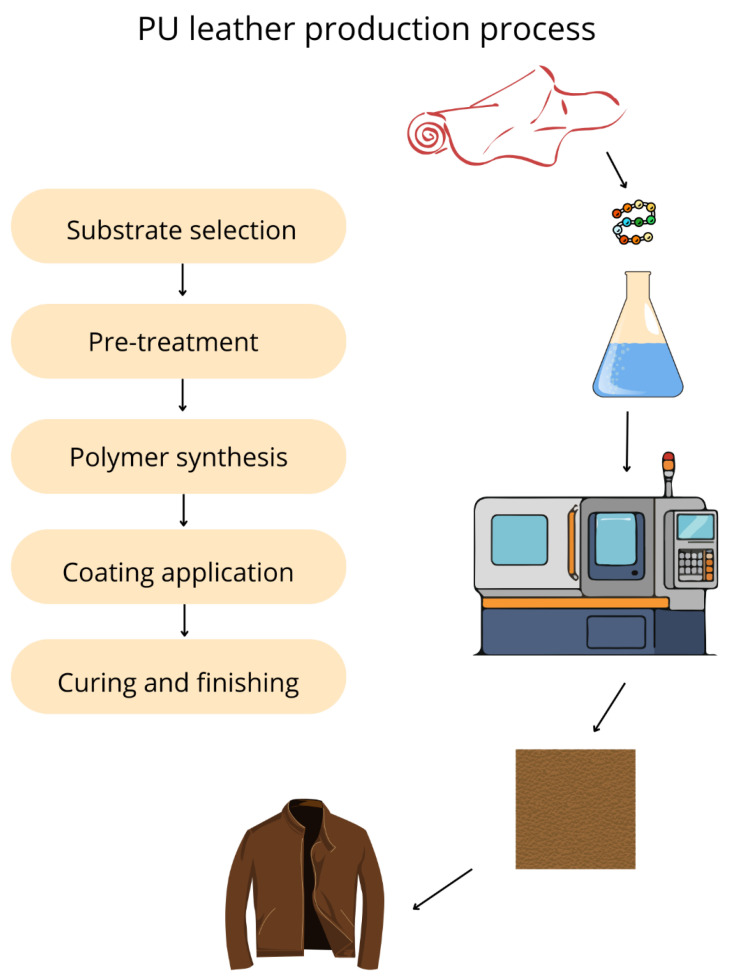 Figure 2
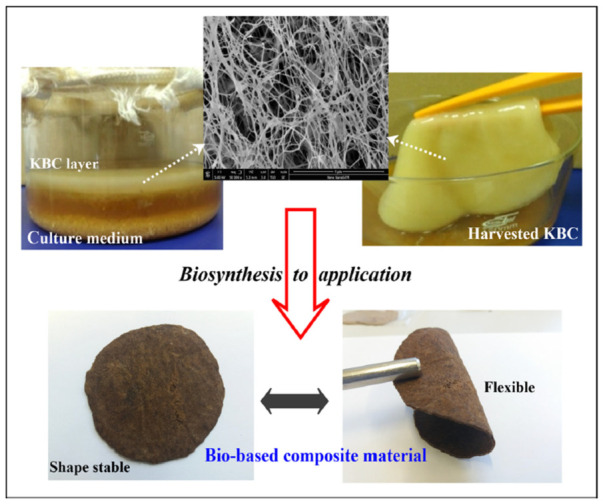 Figure 3
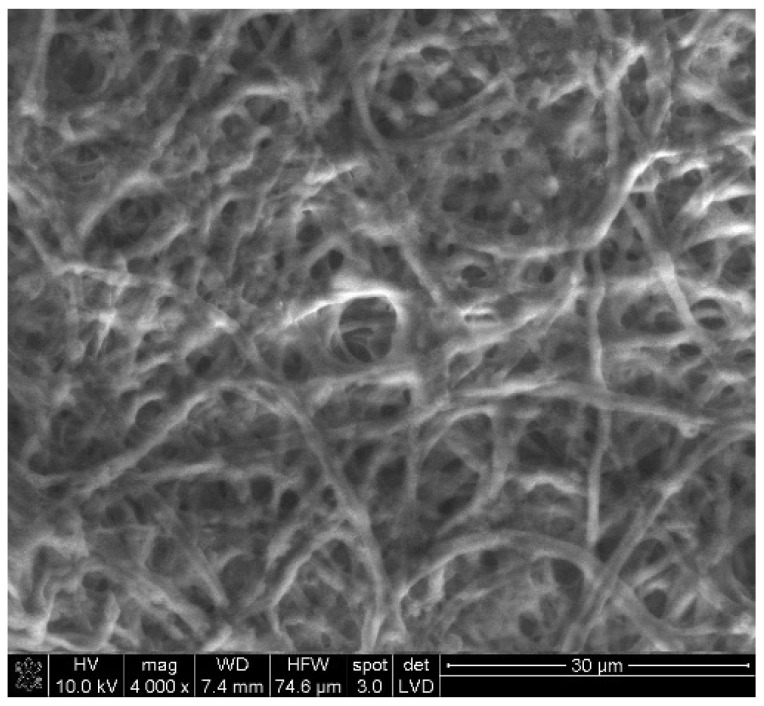 Figure 4
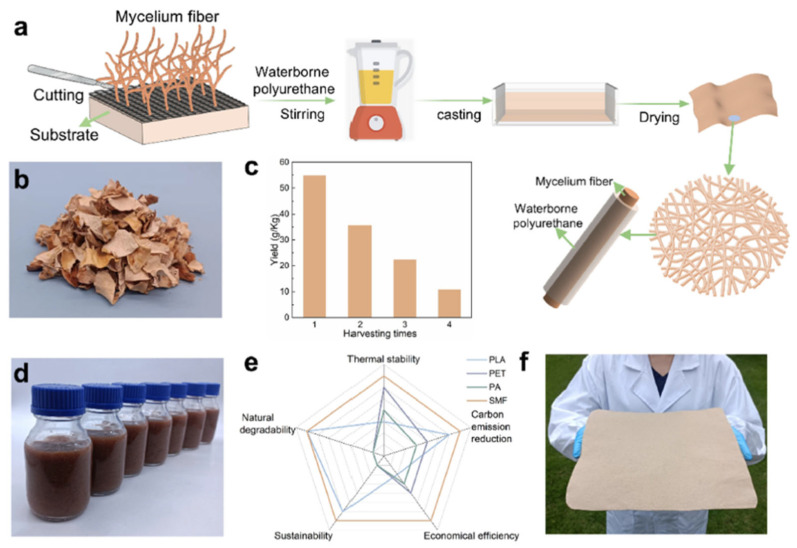 Figure 5
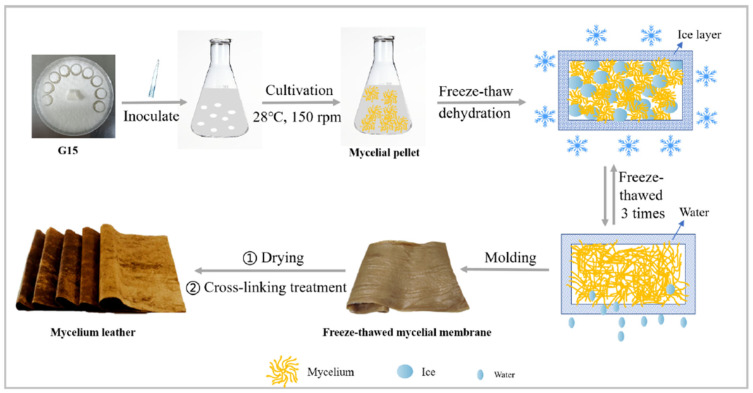 Figure 6
Peer Reviews
No public reviews on file for this paper yet. If you reviewed it on a platform where reviews are public (OpenReview, ICLR, NeurIPS, ICML), you can paste yours below so the community can read it here.
Videos
No videos yet. Explain this paper in a talk, walkthrough, or lecture? Add one.
Taxonomy
TopicsPlant and Biological Electrophysiology Studies · Slime Mold and Myxomycetes Research · Fungal Biology and Applications