Integrating Transcriptomics and 3D Spheroid Models Reveals Microenvironment-Dependent Purinergic Modulation in Hepatocellular Carcinoma
Arieli Cruz de Sousa, Augusto Ferreira Weber, Vinícius Klain, Juliete Nathali Scholl, Jéssica Marques Obelar Ramos, Natália Baltazar do Nascimento, Maria Luiza Giehl, Renata Kruger Martins, João Vitor Heres, Camila Kehl Dias, Renata Marschner, Fabrício Figueiró

TL;DR
This study combines gene data and 3D tumor models to show how the tumor environment affects drug responses in liver cancer.
Contribution
The study introduces a purinergic prognostic signature and demonstrates a combination therapy's effectiveness in 3D spheroid models of HCC.
Findings
High expression of ADA, NT5E, and ADORA1 correlates with poor survival in HCC patients.
Combination therapy with sorafenib and doxazosin reduces key purinergic gene expression and increases apoptosis in 3D spheroids.
CD73 protein remains stable despite transcriptional inhibition, emphasizing the role of the tumor microenvironment in drug resistance.
Abstract
Background/Objectives: Dysregulation of purinergic signaling, particularly CD73 overexpression, influences tumor progression, immune evasion, and chemoresistance in hepatocellular carcinoma (HCC). We aimed to characterize the transcriptional landscape of this system, identify prognostic markers, and investigate how the tumor microenvironment modulates pharmacological response to combined sorafenib and doxazosin in 3D spheroid models. Methods: We integrated RNA-seq data from The Cancer Genome Atlas—Liver Hepatocellular Carcinoma (TCGA-LIHC) to identify differentially expressed genes, pathway enrichment, gene co-expression networks, prognostic associations, and machine learning-based biomarker selection. Modulation of key targets was assessed in HepG2 and HepG2/LX-2 spheroids treated with sorafenib and doxazosin using qPCR and flow cytometry. Results: Transcriptomics revealed…
Genes, proteins, chemicals, diseases, species, mutations and cell lines named across the full text — each resolved to its canonical identifier and authoritative record.
Click any figure to enlarge with its caption.
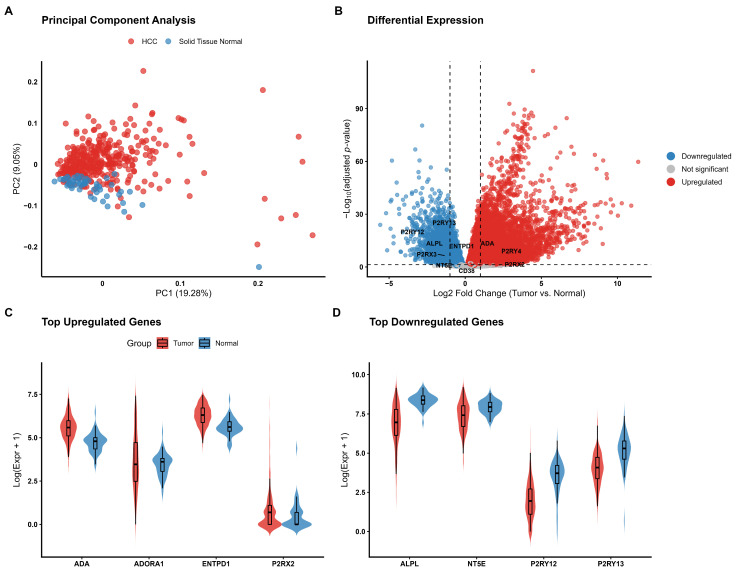 Figure 1
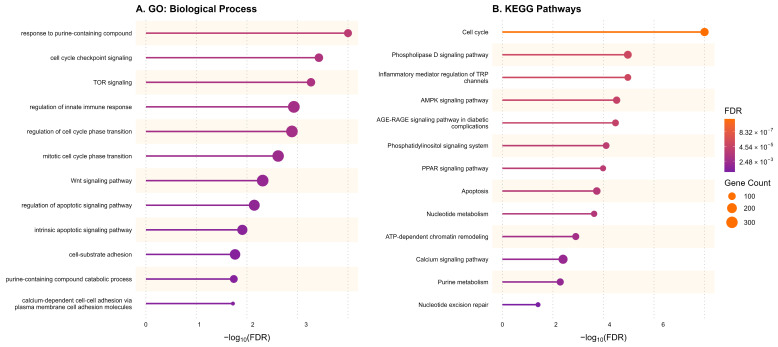 Figure 2
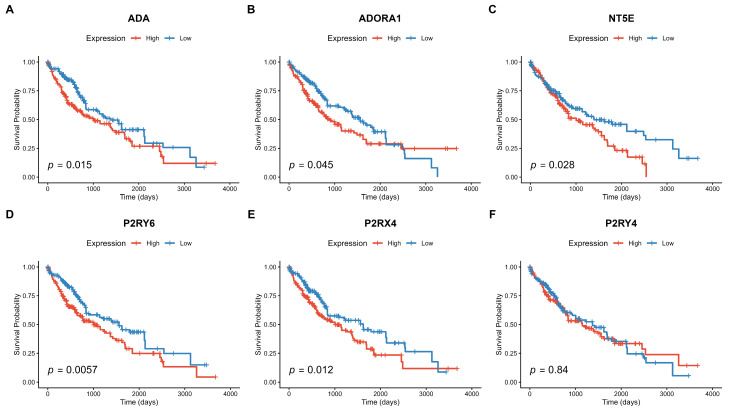 Figure 3
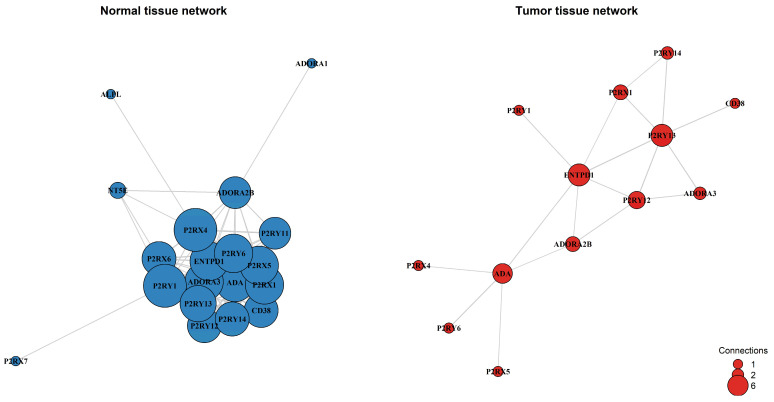 Figure 4
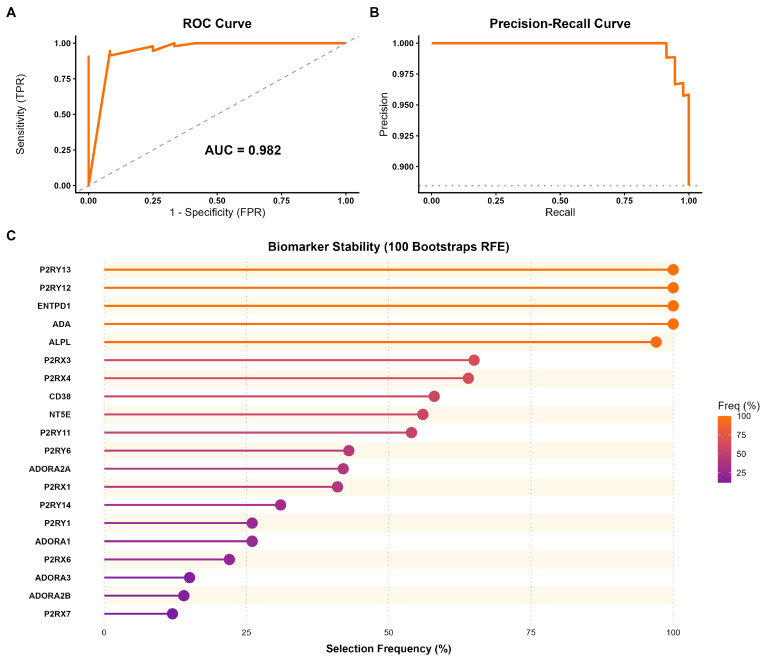 Figure 5
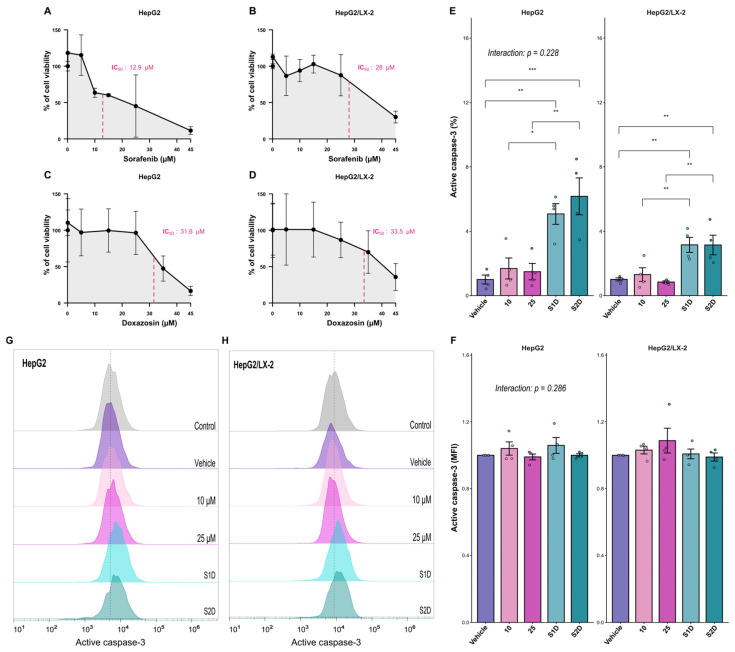 Figure 6
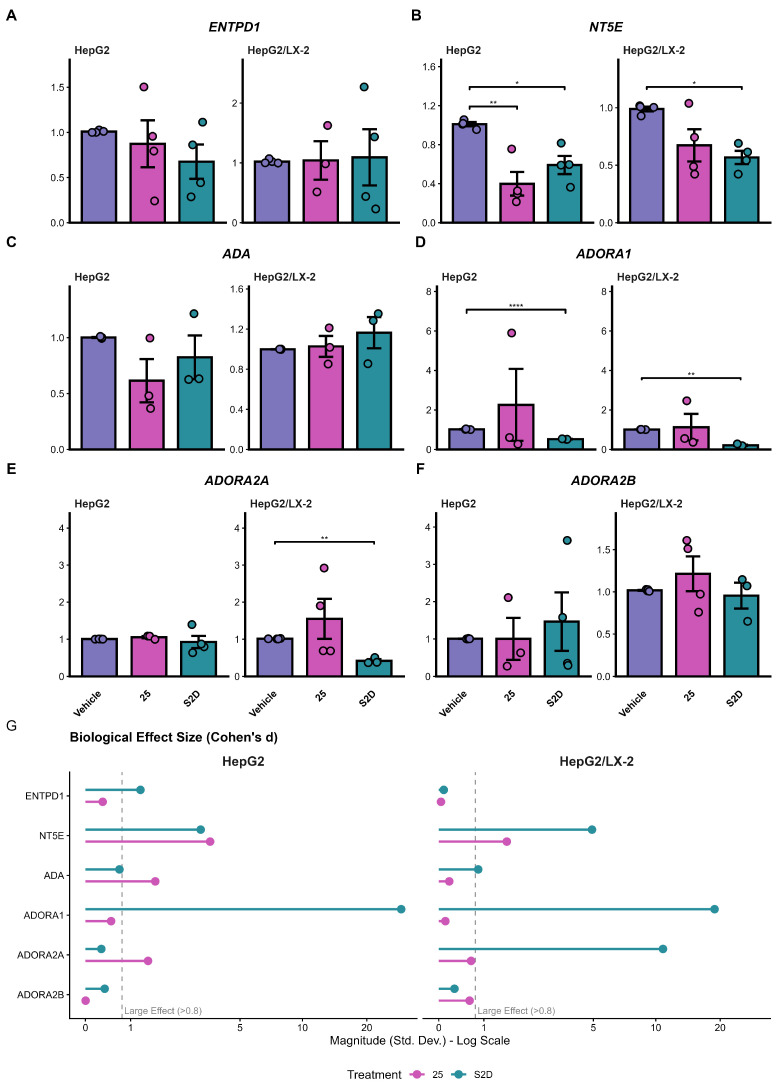 Figure 7
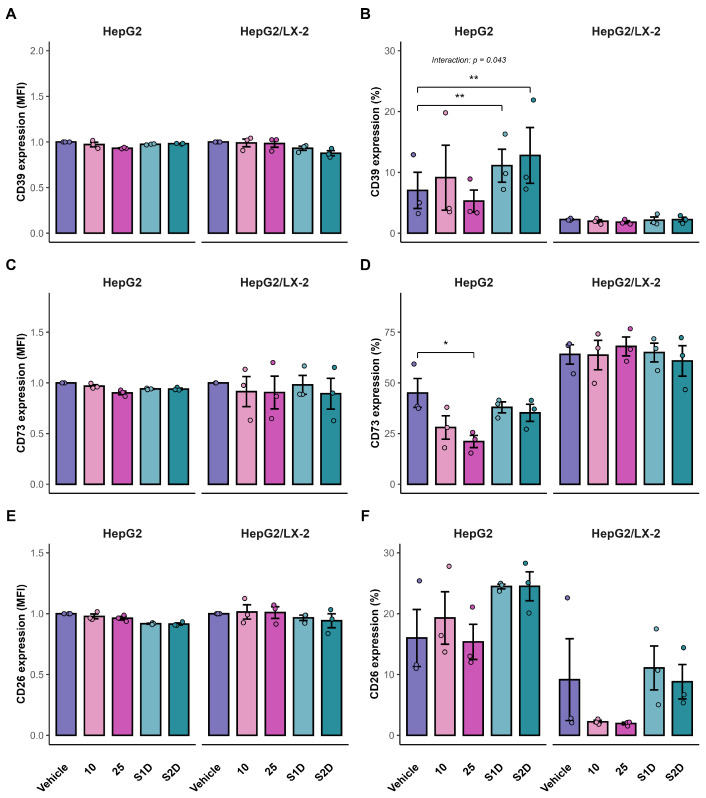 Figure 8
Peer Reviews
No public reviews on file for this paper yet. If you reviewed it on a platform where reviews are public (OpenReview, ICLR, NeurIPS, ICML), you can paste yours below so the community can read it here.
Videos
No videos yet. Explain this paper in a talk, walkthrough, or lecture? Add one.
Taxonomy
TopicsAdenosine and Purinergic Signaling · Immune cells in cancer · Cancer Research and Treatments