Obstetric Anal Sphincter Injuries: Risk Factors, Pelvic Floor Dysfunction, and Quality of Life Outcomes
Kristina Ivoskaite, Atene Simanauskaite, Egle Bartuseviciene, Dalia Regina Railaite, Laima Maleckiene, Justina Kacerauskiene

TL;DR
This study explores how childbirth injuries affect pelvic floor function and quality of life, finding that heavier babies and vacuum deliveries increase injury risk and worsen outcomes.
Contribution
The study identifies newborn weight and vacuum-assisted delivery as risk factors for obstetric anal sphincter injuries and their impact on pelvic floor dysfunction over time.
Findings
Newborn weight and vacuum-assisted delivery were significantly associated with obstetric anal sphincter injuries (OASIS).
Women with OASIS in the 2014–2023 cohort reported higher rates and severity of urinary and fecal incontinence and pelvic organ prolapse.
Quality of life scores related to incontinence were significantly worse in recent OASIS cases compared to controls.
Abstract
Background and Objectives: Obstetric anal sphincter injuries (OASISs) are severe complications of vaginal delivery that can result in long-term pelvic floor dysfunction and reduced quality of life. Global data indicate a rising incidence of OASISs, including in Lithuania. This study aimed to identify risk factors for OASISs and evaluate their impact on urinary (UI) and fecal incontinence (FI), pelvic organ prolapse (POP), and quality of life in affected women. Materials and Methods: A retrospective case–control study was conducted at the Lithuanian University of Health Sciences Hospital (LUHS) Kauno Klinikos in 2024. Women who gave birth between 2004 and 2023 and experienced OASIS (n = 90) were compared with women matched for birth history but without perineal tears (n = 90). Data were collected from medical records and electronic questionnaires, including the International Consultation…
Genes, proteins, chemicals, diseases, species, mutations and cell lines named across the full text — each resolved to its canonical identifier and authoritative record.
Click any figure to enlarge with its caption.
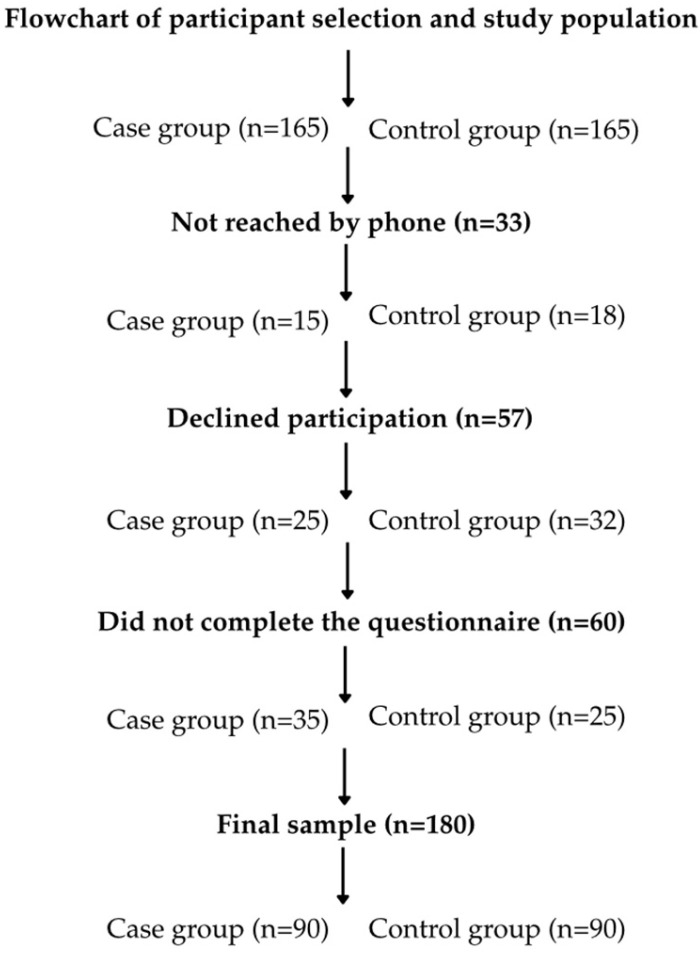 Figure 1
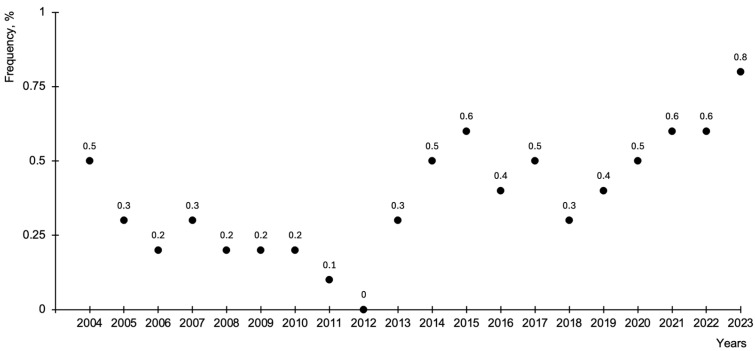 Figure 2
Peer Reviews
No public reviews on file for this paper yet. If you reviewed it on a platform where reviews are public (OpenReview, ICLR, NeurIPS, ICML), you can paste yours below so the community can read it here.
Videos
No videos yet. Explain this paper in a talk, walkthrough, or lecture? Add one.
Taxonomy
TopicsPelvic floor disorders treatments · Ureteral procedures and complications · Maternal and Perinatal Health Interventions