Genome-Wide Association Study Reveals Genetic Loci, Candidate Genes and Favorable Haplotypes for Important Agronomic Traits in Auricularia cornea
Xu Sun, Lixin Lu, Fangjie Yao, Ming Fang, Xiaoxu Ma, Yuling Cui, Jian Sun, Xianqi Shan, Wei Liu

TL;DR
This study identifies genetic loci and favorable haplotypes in Auricularia cornea that influence key agronomic traits, aiding in breeding for higher yield and quality.
Contribution
The study provides a systematic genetic analysis of A. cornea traits, identifying candidate genes and superior haplotypes for molecular breeding.
Findings
1178 and 821 SNPs were associated with agronomic traits in two years, with yield-related loci on chromosome 9.
42 candidate genes were identified, involved in processes like polysaccharide modification and pigment biosynthesis.
Six superior haplotypes were found to enhance traits like yield and morphology.
Abstract
Auricularia cornea is rich in nutrients and bioactive compounds, and with the continuous expansion of its industrial cultivation, elucidating the genetic basis of key agronomic traits is essential for marker-assisted breeding and cultivar improvement. In this study, 140 A. cornea germplasm accessions representing diverse geographic origins were subjected to a comprehensive two-year phenotypic evaluation of ten agronomic traits, including FBL, FBW, FBT, Yield, MGR, GP, and fruiting body color. The results showed that all traits exhibited substantial genetic variation across the population, and most traits displayed high heritability. Genome-wide association studies (GWAS) identified 1178 and 821 SNPs significantly associated with agronomic traits in the two respective years, with yield-related loci predominantly located on chromosome 9. Based on an integrated significance threshold, ten…
Genes, proteins, chemicals, diseases, species, mutations and cell lines named across the full text — each resolved to its canonical identifier and authoritative record.
Click any figure to enlarge with its caption.
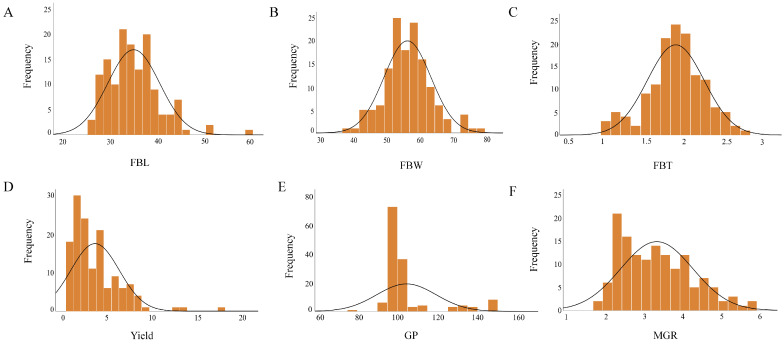 Figure 1
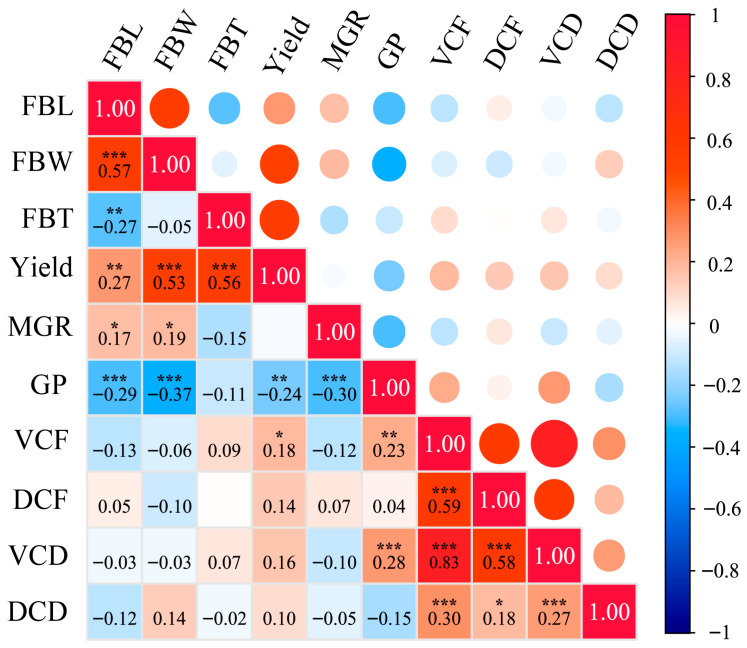 Figure 2
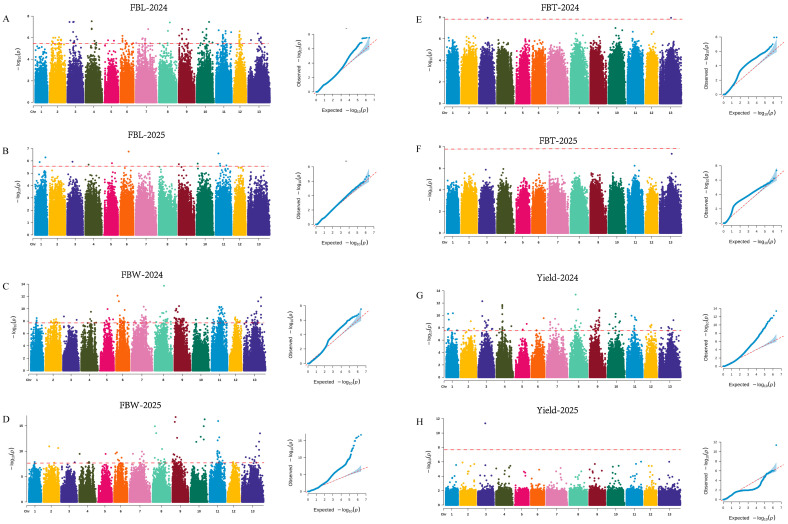 Figure 3
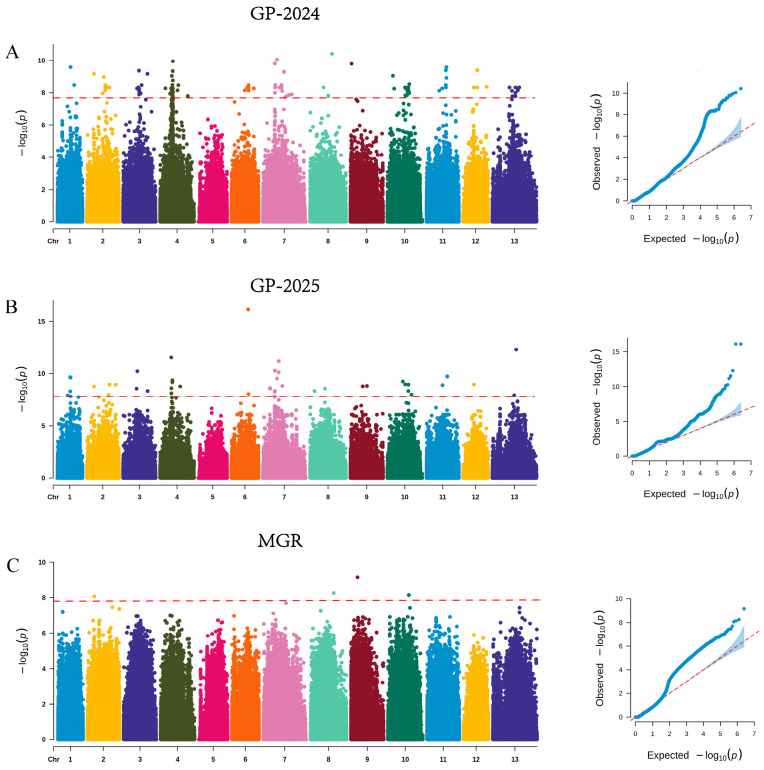 Figure 4
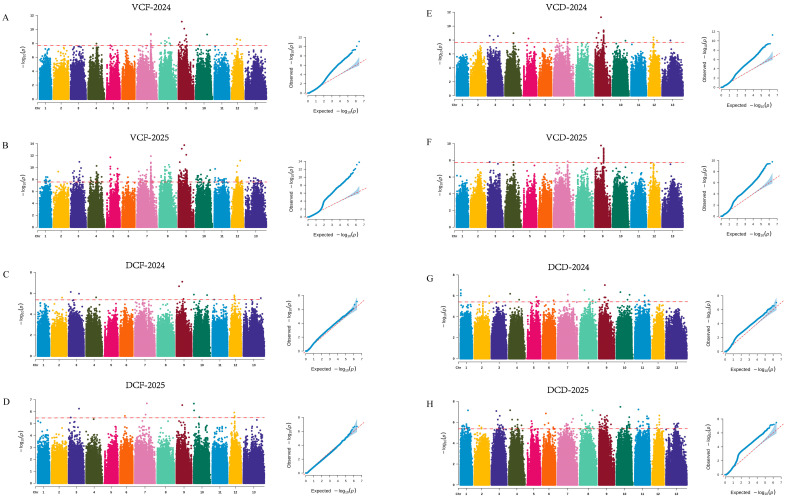 Figure 5
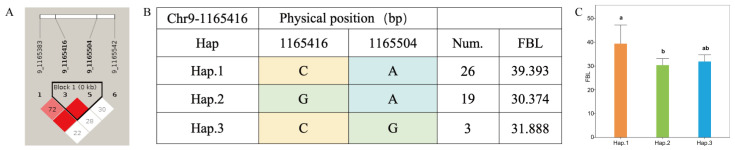 Figure 6
 Figure 7
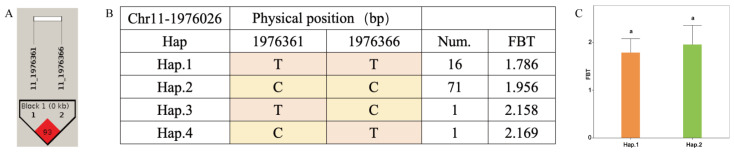 Figure 8
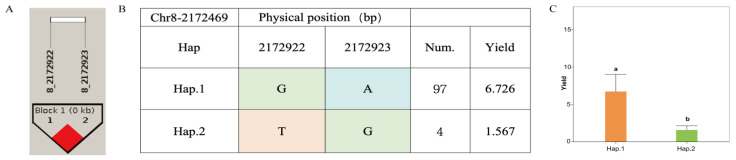 Figure 9
Peer Reviews
No public reviews on file for this paper yet. If you reviewed it on a platform where reviews are public (OpenReview, ICLR, NeurIPS, ICML), you can paste yours below so the community can read it here.
Videos
No videos yet. Explain this paper in a talk, walkthrough, or lecture? Add one.
Taxonomy
TopicsPolysaccharides and Plant Cell Walls · melanin and skin pigmentation · Botanical Research and Applications