Computational Modeling of Cellulose Synthase Heterotrimer Assembly and Identification of Antimicrobial Compounds Targeting Interface Sites in Phytophthora infestans
Biju Vadakkemukadiyil Chellappan, P. R. Shidhi, V. S. Amritha, Sherif Mohamed El-Ganainy, Mohammed A. Almalki

TL;DR
This study models the structure of a key enzyme in a plant pathogen and identifies potential antimicrobial targets that could selectively control the disease without harming plants.
Contribution
The study provides the first structural model of a heterotrimeric cellulose synthase in Phytophthora infestans and identifies pathogen-specific drug targets.
Findings
The PiCesA1–PiCesA2–PiCesA4 heterotrimer in P. infestans is stabilized by interactions between pleckstrin homology and glycosyltransferase domains.
Structure-guided docking identified potential ligands targeting interface regions unique to the pathogen's cellulose synthase.
These interface sites are absent or structurally different in plant cellulose synthases, making them suitable for selective inhibition.
Abstract
Phytophthora infestans, a devastating oomycete pathogen responsible for late blight in solanaceous crops, relies on cellulose synthase (CesA) complexes for cell wall biosynthesis and virulence. Unlike plant CesAs that form homomeric trimers, oomycete CesA complexes are hypothesized to assemble as heteromeric units, yet their structural organization remains poorly defined. Here, we employed AlphaFold-Multimer and molecular docking to resolve the structural assembly of the PiCesA1–PiCesA2–PiCesA4 heterotrimer in P. infestans and identify potential ligand-binding sites for targeted inhibition. Structural modeling revealed a conserved transmembrane architecture combined with a distinctive cytosolic organization, in which N-terminal pleckstrin homology domains play a central role in heteromeric assembly. AlphaFold-Multimer consistently predicted a stable heterotrimer stabilized by cyclic…
Genes, proteins, chemicals, diseases, species, mutations and cell lines named across the full text — each resolved to its canonical identifier and authoritative record.
Click any figure to enlarge with its caption.
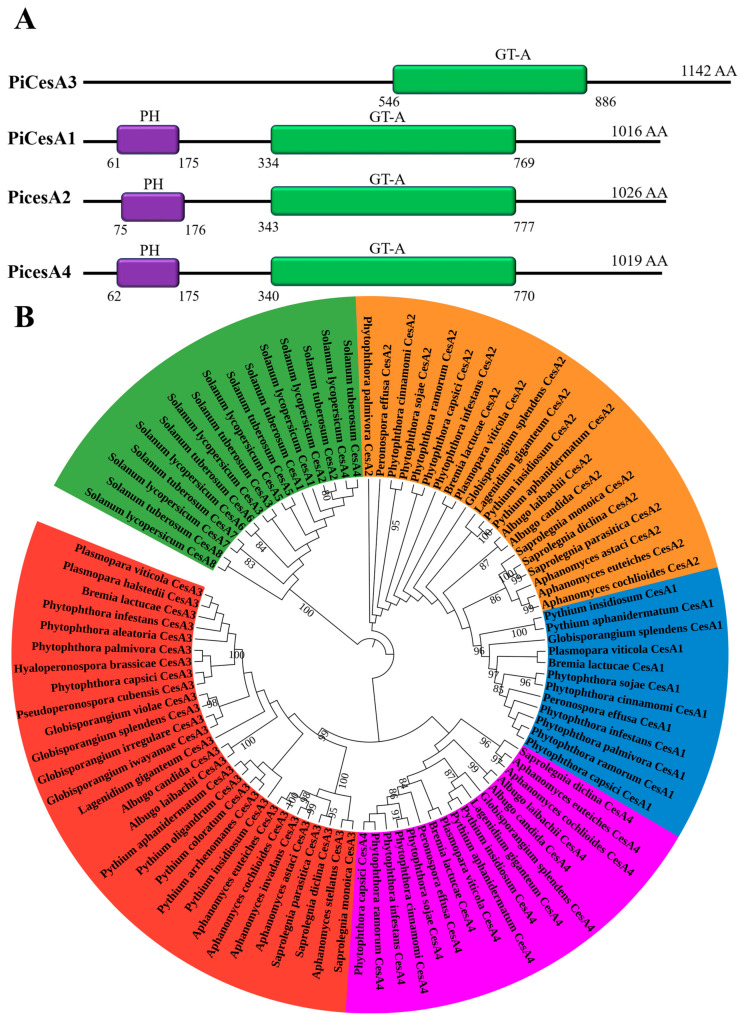 Figure 1
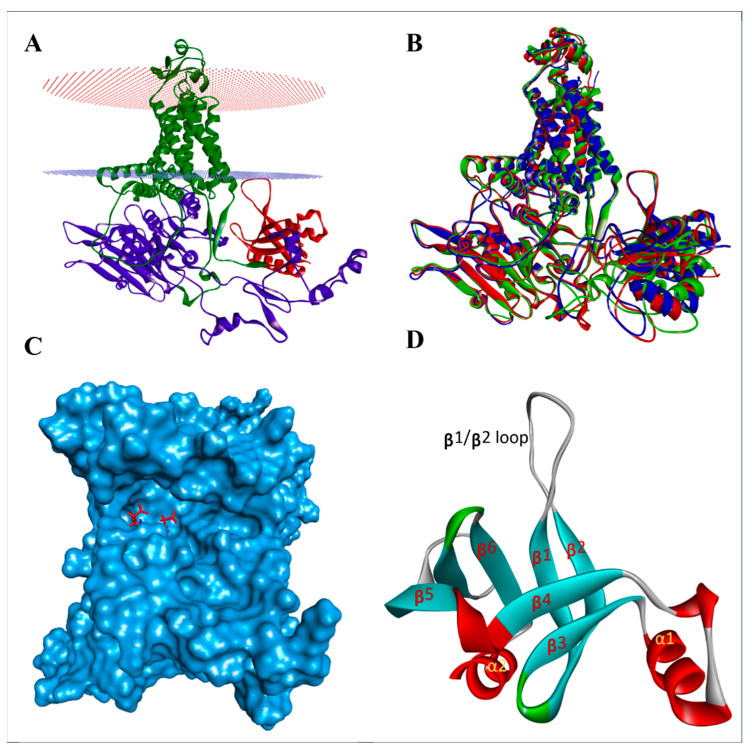 Figure 2
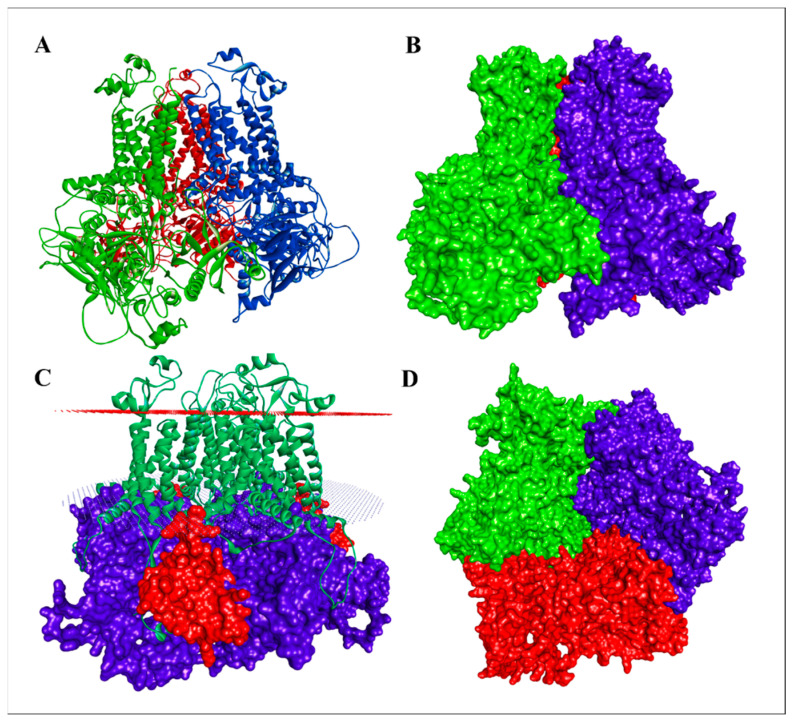 Figure 3
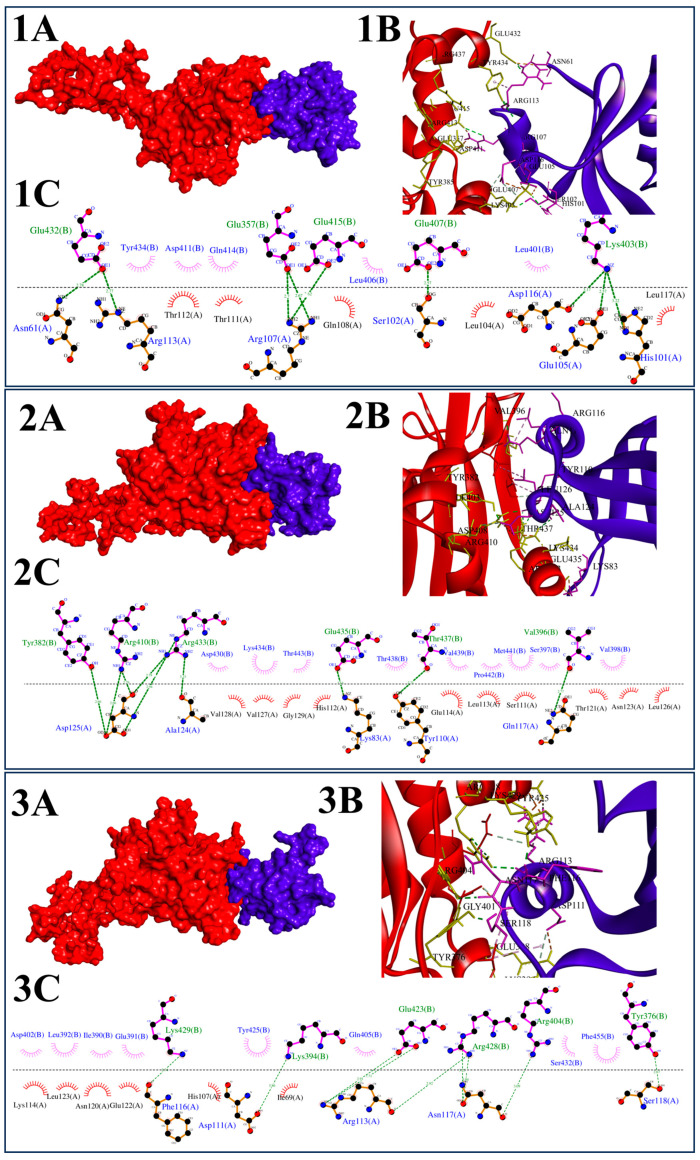 Figure 4
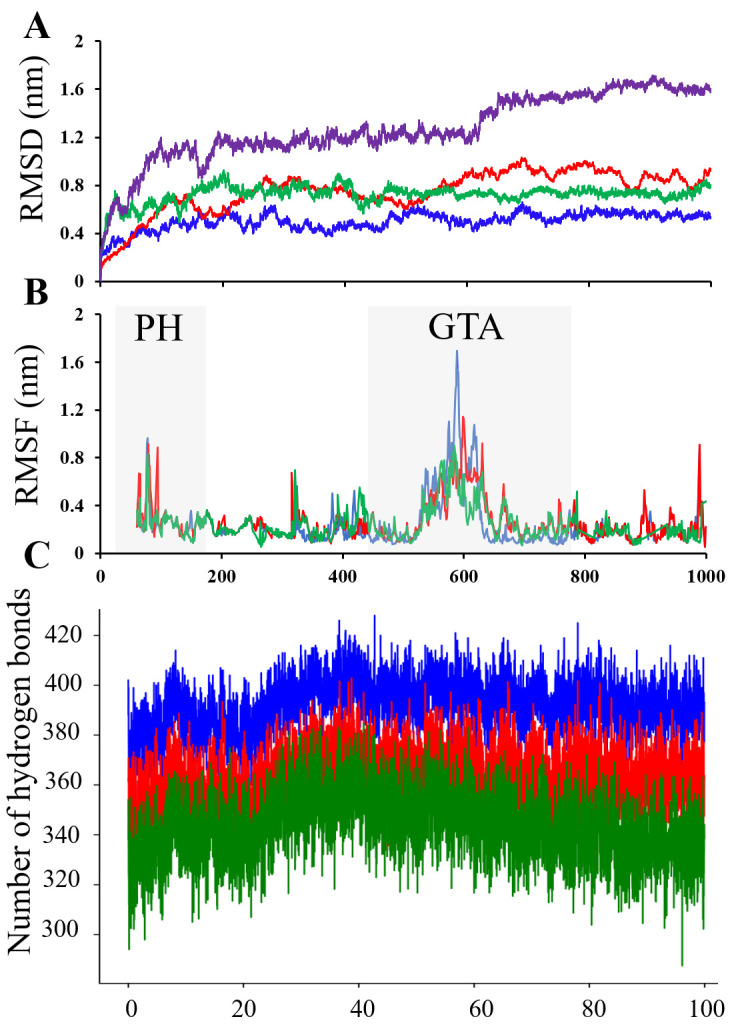 Figure 5
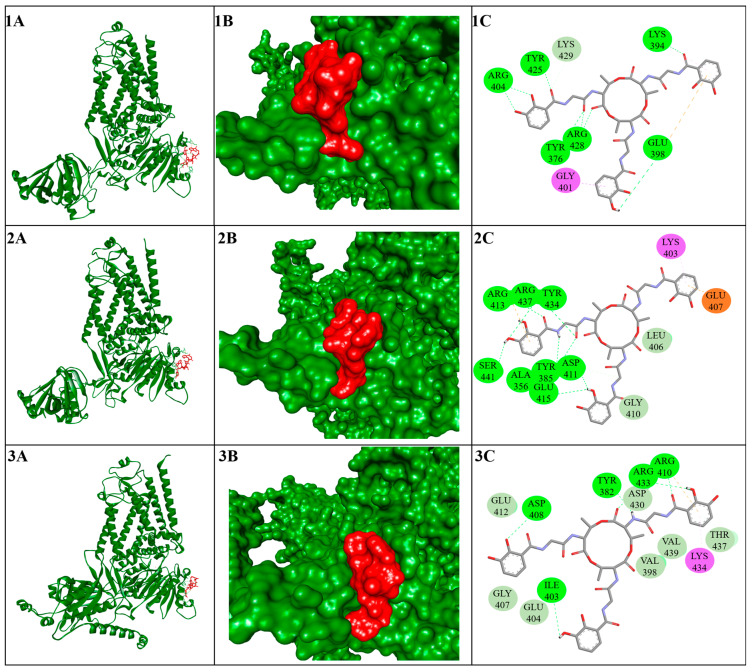 Figure 6
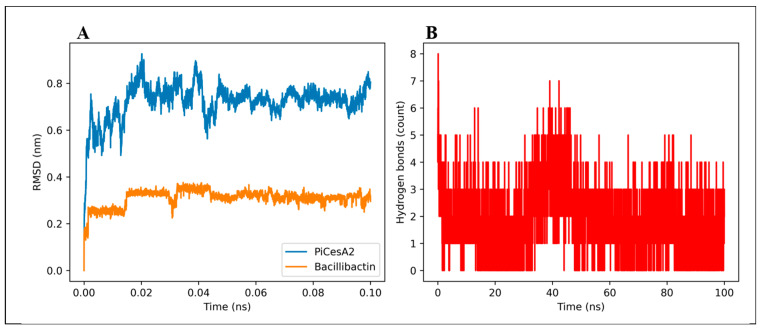 Figure 7
Peer Reviews
No public reviews on file for this paper yet. If you reviewed it on a platform where reviews are public (OpenReview, ICLR, NeurIPS, ICML), you can paste yours below so the community can read it here.
Videos
No videos yet. Explain this paper in a talk, walkthrough, or lecture? Add one.
Taxonomy
TopicsPolysaccharides and Plant Cell Walls · Plant Gene Expression Analysis · Plant-Microbe Interactions and Immunity