The Effect of Viniferin on Liver Cancer: Research Based on Network Pharmacology, Molecular Docking and Molecular Dynamics Simulation
Saowanee Maungchanburi, Onwara Wongmek, Poolsak Baitahay, Asron Saweak, Maroof Wangkaranae, Wanmai Kongwattananon, Suphasarang Sirirattanakul, Moragot Chatatikun, Atthaphong Phongphithakchai, Jason C. Huang, Aman Tedasen, Chutima Jansakun

TL;DR
This study explores how viniferin, a natural compound, may work against liver cancer by analyzing its effects on key proteins and pathways.
Contribution
The study identifies viniferin as a multi-target agent for hepatocellular carcinoma through network pharmacology and molecular simulations.
Findings
Viniferin isomers ε- and δ-viniferin showed favorable drug-like properties and low hepatotoxicity.
Twenty-four hub genes, including AKT1 and HSP90AA1, were identified as key targets for viniferin in liver cancer.
Molecular simulations confirmed the stability of ε-viniferin binding to the APP protein.
Abstract
Background/Objectives: Hepatocellular carcinoma (HCC) is a primary malignancy often driven by metabolic syndrome, fatty liver disease, and chronic hepatitis. These conditions foster a pro-inflammatory microenvironment that promotes tumor progression. Viniferin, a natural oligostilbene, has gained attention for its potential bioactivity. This study utilized an in silico network pharmacology approach to elucidate the pharmacokinetic properties and molecular mechanisms of ε- and δ-viniferin against HCC within the context of metabolic and inflammatory liver pathologies. Methods: ADMET profiles were characterized using SwissADME and pkCSM. Therapeutic targets were identified by intersecting viniferin-associated molecules with disease genes from GeneCards. A protein–protein interaction (PPI) network was constructed, supplemented by GO and KEGG enrichment analyses. Molecular docking and 200 ns…
Genes, proteins, chemicals, diseases, species, mutations and cell lines named across the full text — each resolved to its canonical identifier and authoritative record.
Click any figure to enlarge with its caption.
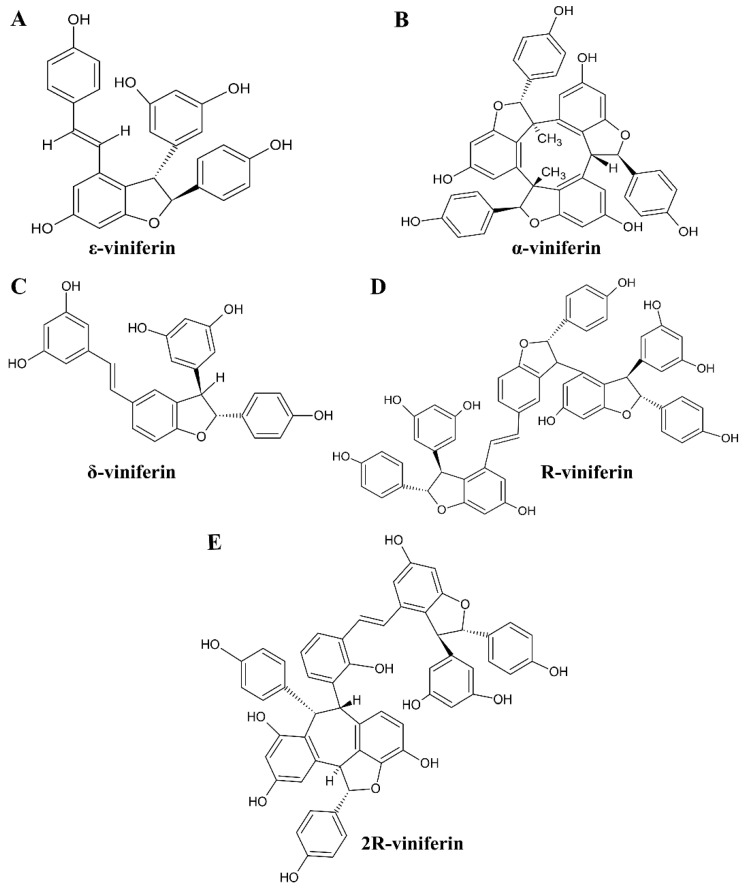 Figure 1
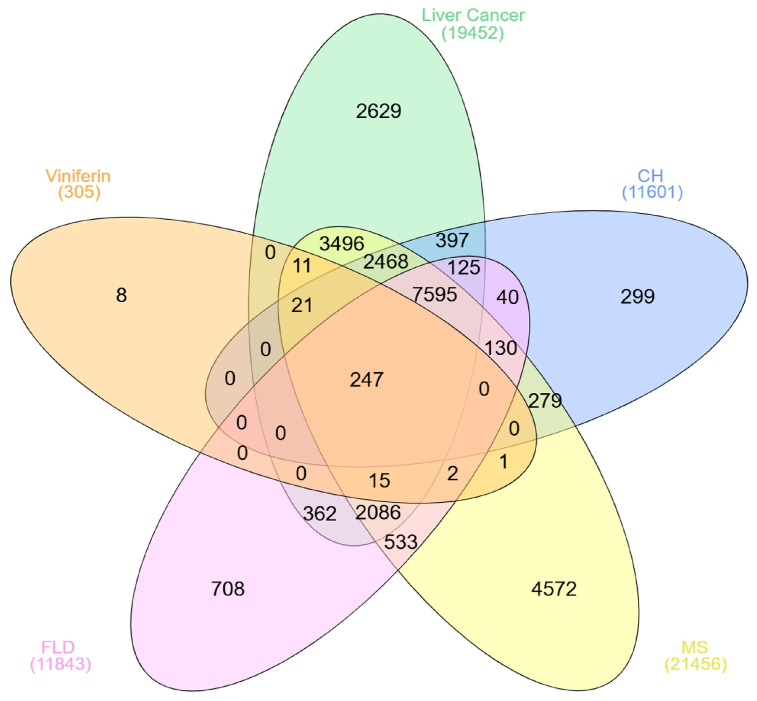 Figure 2
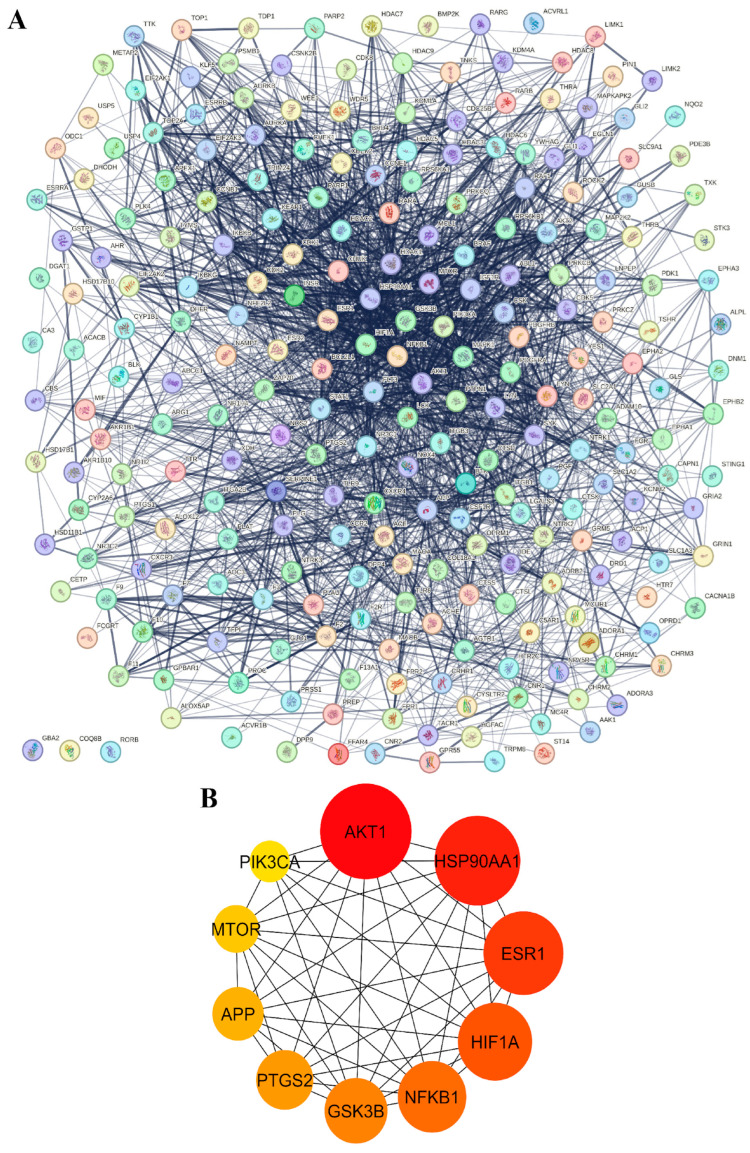 Figure 3
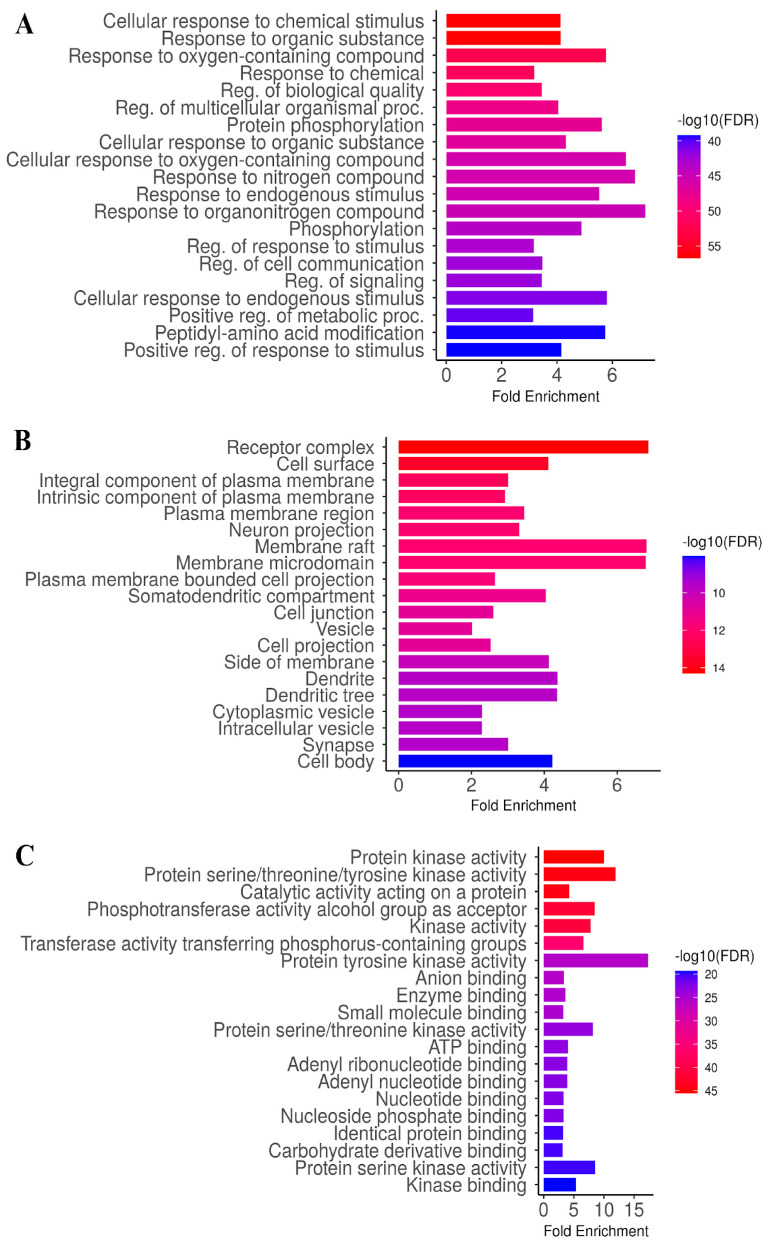 Figure 4
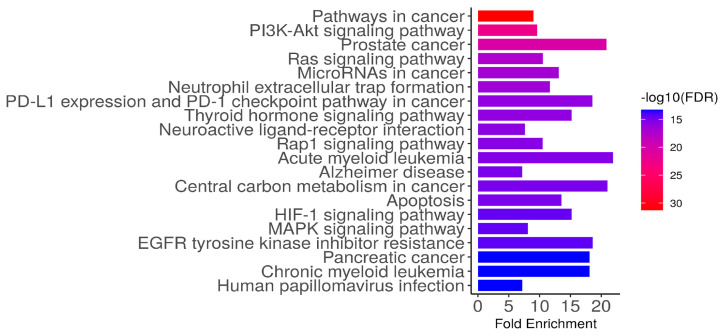 Figure 5
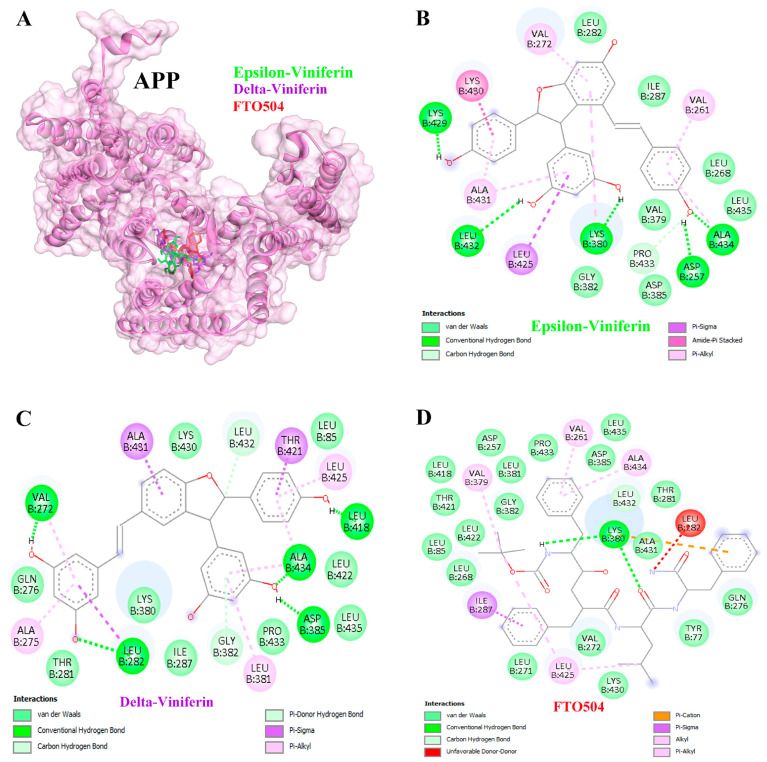 Figure 6
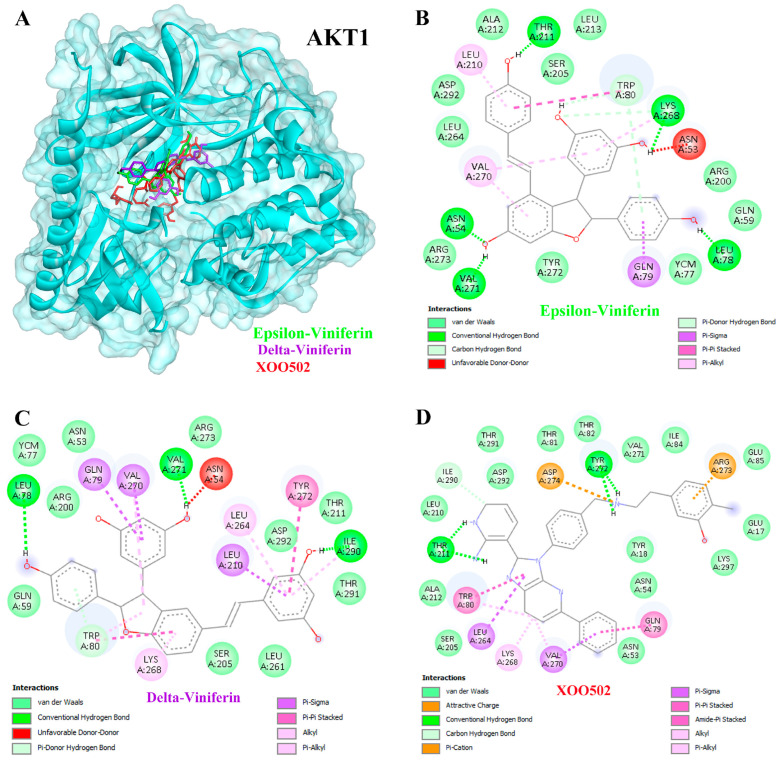 Figure 7
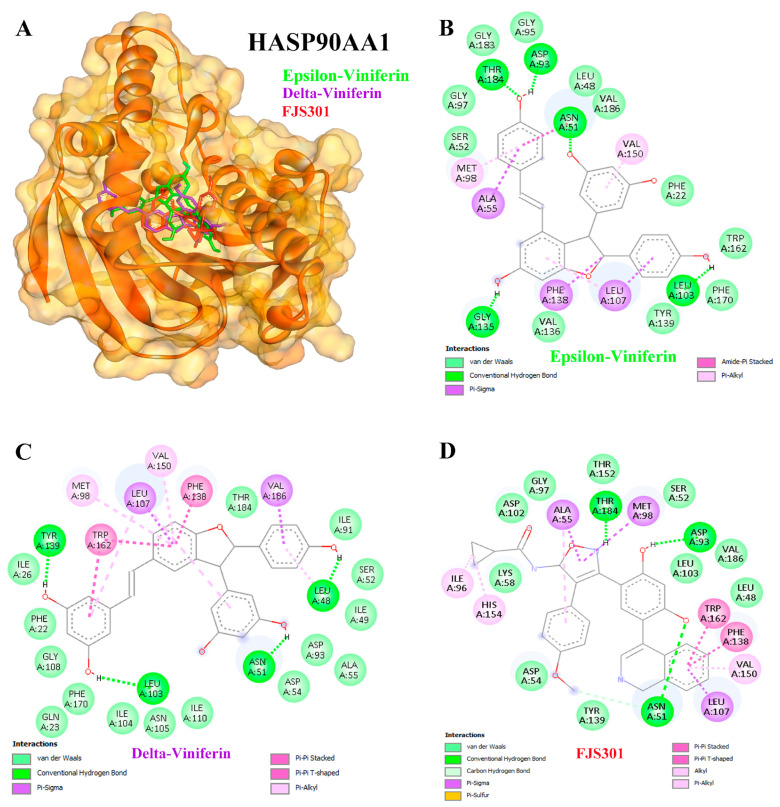 Figure 8
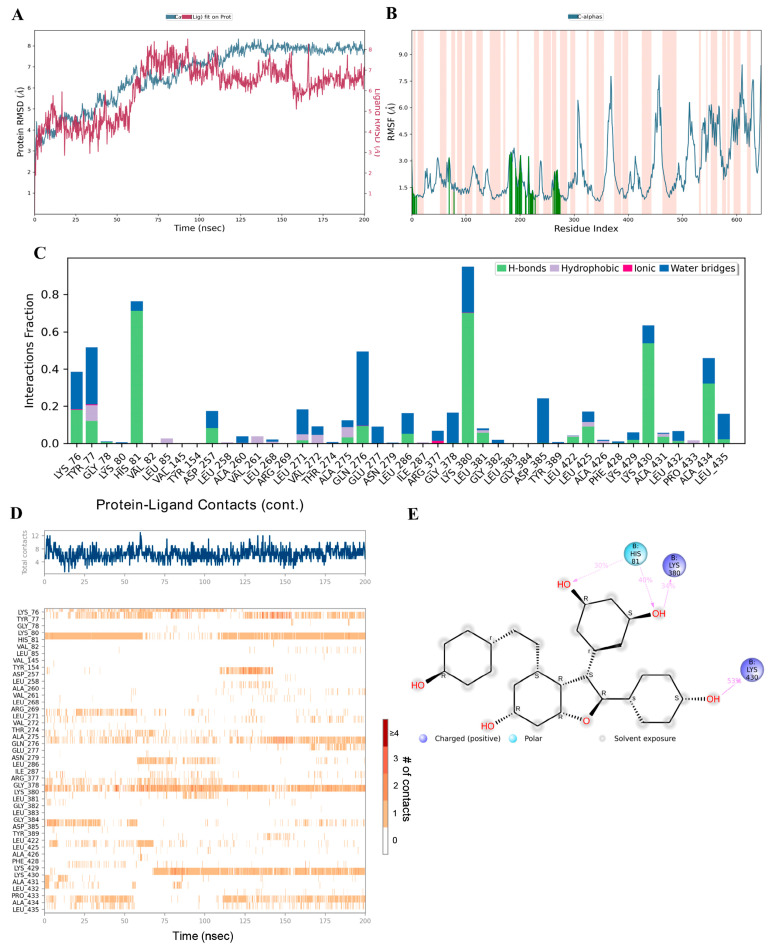 Figure 9
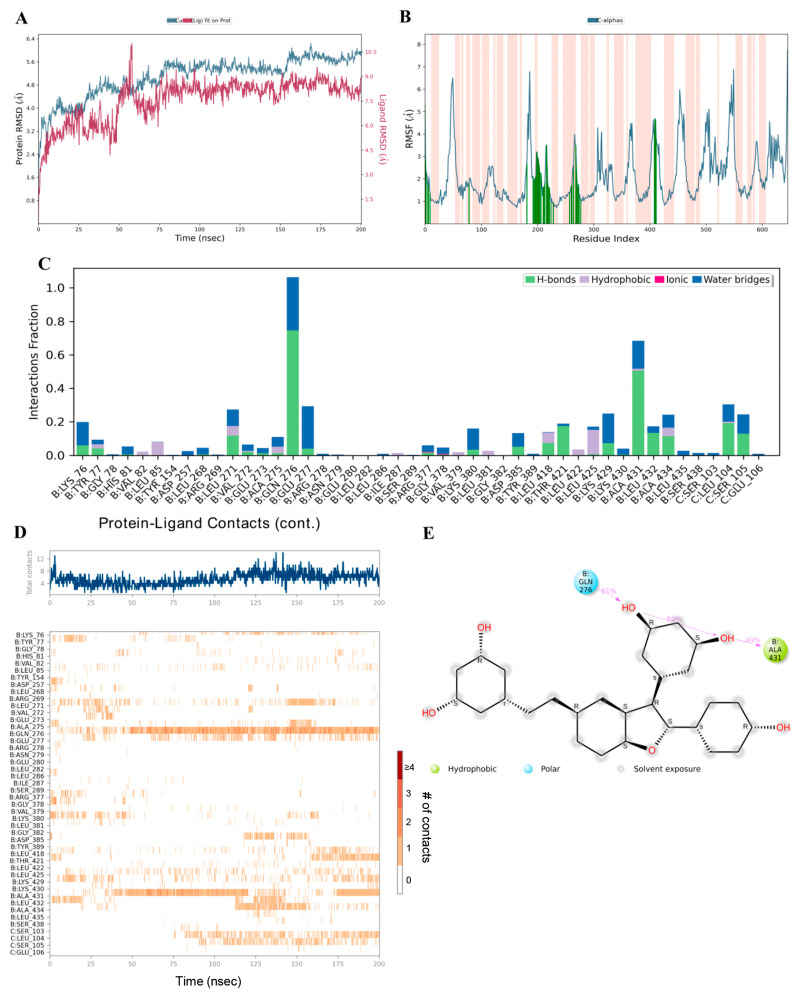 Figure 10
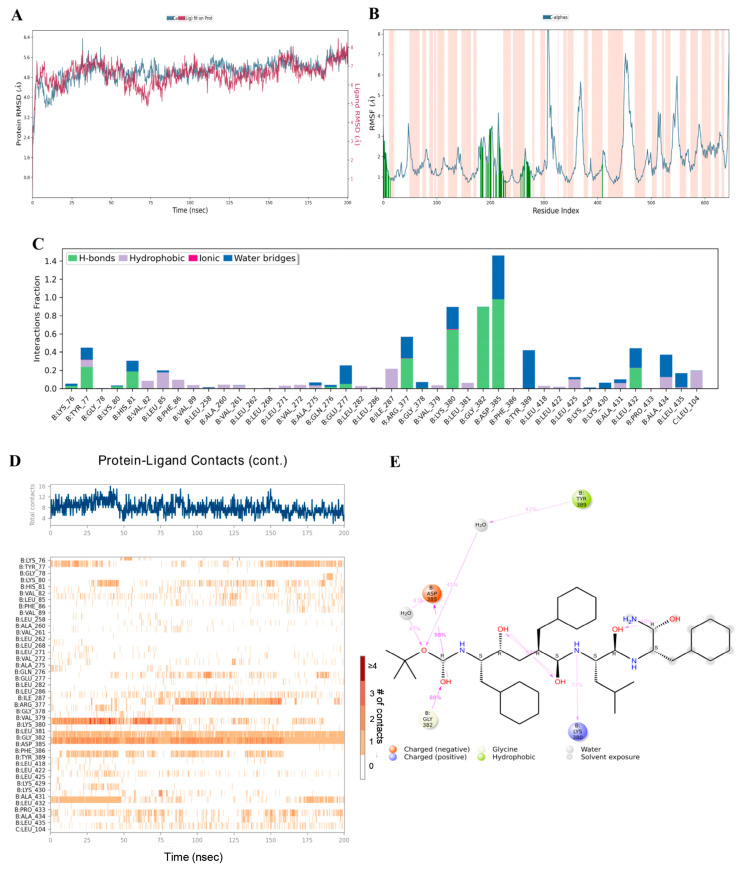 Figure 11
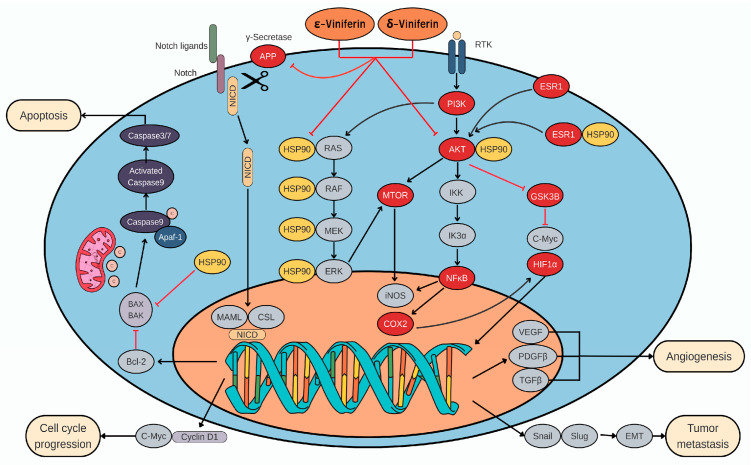 Figure 12
Peer Reviews
No public reviews on file for this paper yet. If you reviewed it on a platform where reviews are public (OpenReview, ICLR, NeurIPS, ICML), you can paste yours below so the community can read it here.
Videos
No videos yet. Explain this paper in a talk, walkthrough, or lecture? Add one.
Taxonomy
TopicsSirtuins and Resveratrol in Medicine · Flavonoids in Medical Research · Bioactive natural compounds