The Signal in the Extreme: A Systematic Outlier Framework Identifies Discrete Immunometabolic Subtypes in Human and Cellular Models
Julio Jesús Garcia-Coste, Karla Aidee Aguayo-Cerón, Judith Espinosa-Raya, Alexis Alejandro García-Rivero, Carina López-Leyva, Rocío Alejandra Gutiérrez-Rojas, Cruz Vargas-De-León, Rodrigo Romero-Nava

TL;DR
This study shows that analyzing outliers in metabolic-inflammation data reveals hidden subtypes that traditional methods miss, offering new insights into disease mechanisms.
Contribution
A novel framework for systematically analyzing outliers to identify discrete immunometabolic subtypes in complex diseases.
Findings
An outlier subgroup in the clinical cohort showed hyperactivation of Th1/Th17 pathways and hypertriglyceridemia.
Outlier samples in the cellular model exhibited IL-6 overproduction and IL-10 suppression.
Multivariate analysis confirmed distinct spatial segregation of the identified immunometabolic profiles.
Abstract
Background: Conventional omics analysis often treats outliers as noise, yet they may harbor critical biological insights. Objetive: This study proposes a paradigm shift: actively investigating outliers to discover biologically relevant subtypes within metabolic–inflammatory syndromes. Methods: We applied a comprehensive analytical framework for outlier detection based on a multi-algorithm consensus (IQR, MAD, Isolation Forest) to a clinical cohort of diabetic neuropathy (n = 93) and an in vitro 3T3-L1 adipocyte model (n = 39). The identified outliers were characterized using robust PCA, co-expression networks, unsupervised clustering, and Random Forest predictive modeling. Results: In the clinical cohort, an outlier subgroup (47.3%) exhibited an extreme immune–metabolic phenotype characterized by hyperactivation of Th1/Th17 pathways (elevated T-bet and IL-17; p < 0.001),…
Genes, proteins, chemicals, diseases, species, mutations and cell lines named across the full text — each resolved to its canonical identifier and authoritative record.
Click any figure to enlarge with its caption.
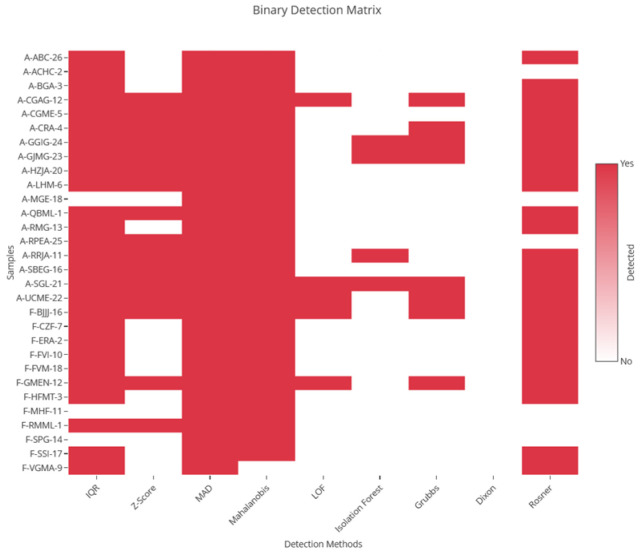 Figure 1
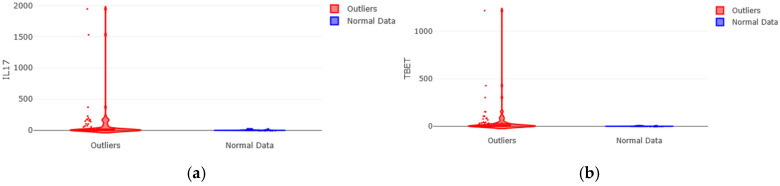 Figure 2
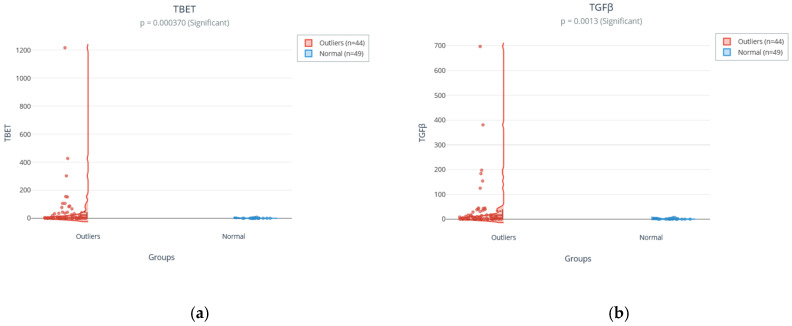 Figure 3
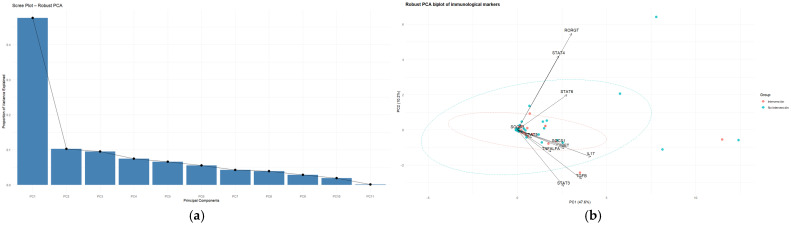 Figure 4
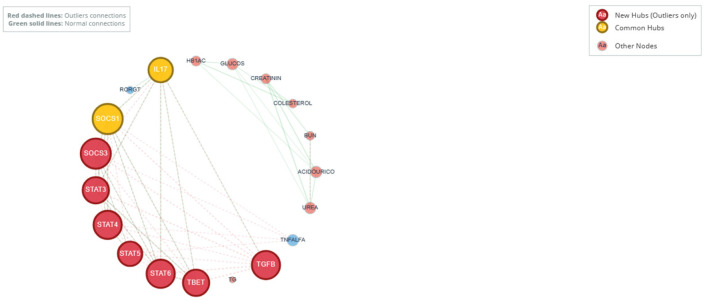 Figure 5
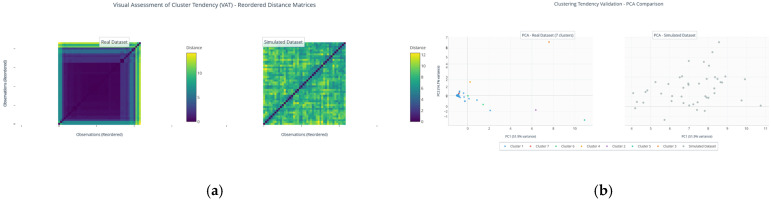 Figure 6
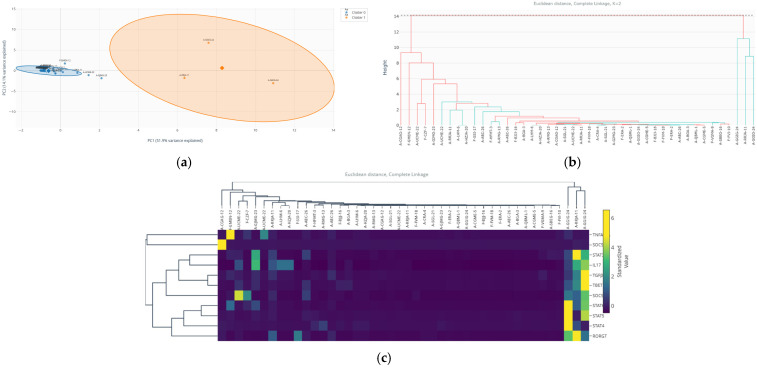 Figure 7
 Figure 8
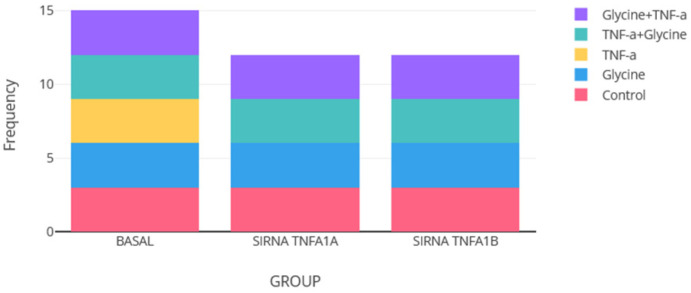 Figure 9
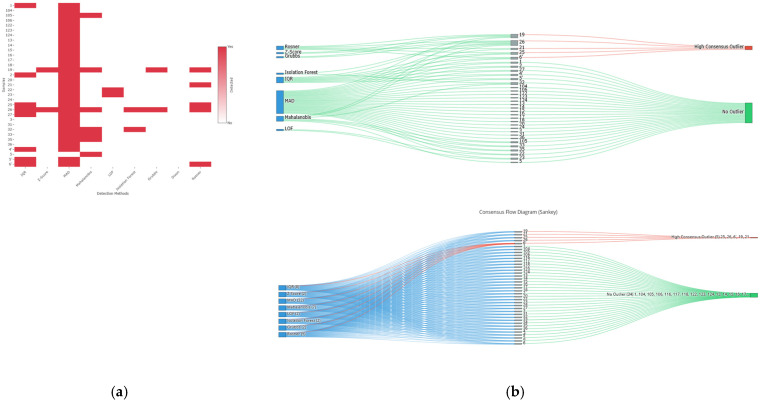 Figure 10
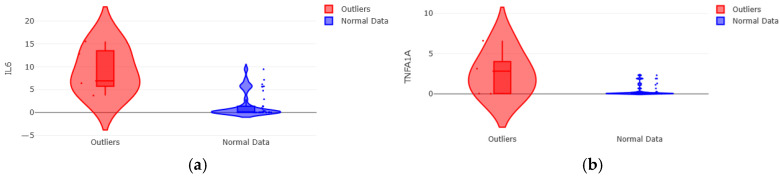 Figure 11
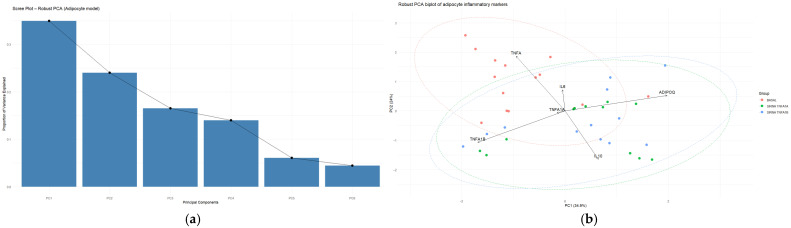 Figure 12
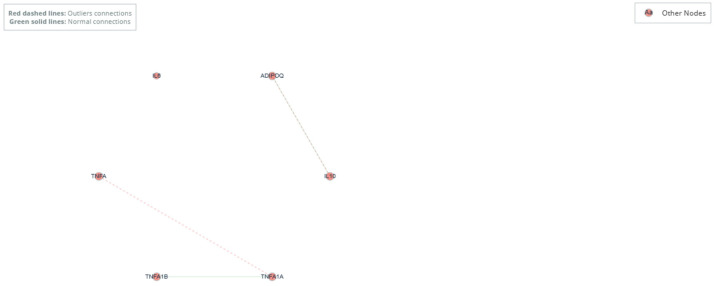 Figure 13
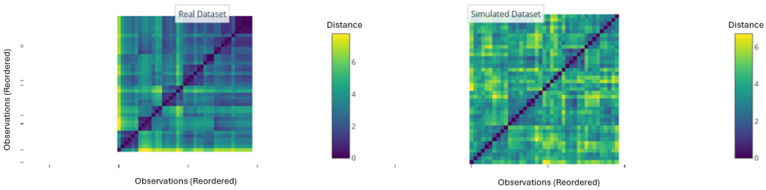 Figure 14
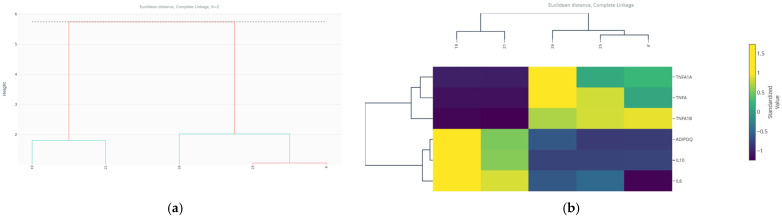 Figure 15
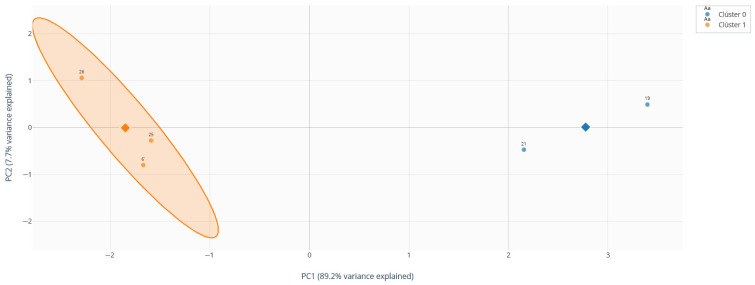 Figure 16
Peer Reviews
No public reviews on file for this paper yet. If you reviewed it on a platform where reviews are public (OpenReview, ICLR, NeurIPS, ICML), you can paste yours below so the community can read it here.
Videos
No videos yet. Explain this paper in a talk, walkthrough, or lecture? Add one.
Taxonomy
TopicsAdipokines, Inflammation, and Metabolic Diseases · Bioinformatics and Genomic Networks · Atherosclerosis and Cardiovascular Diseases