A Quantitative Comparison of Medial and Coronal Dentate Gyrus Microdissection Strategies and a Softening-Based Workflow for Reproducible Tissue Procurement
Turan Koç, Nail Can Öztürk

TL;DR
This study compares two methods for isolating the dentate gyrus in rat brains and introduces a workflow to improve handling of preserved tissue.
Contribution
A validated workflow for DG microdissection using softened archival tissue is introduced, enabling reproducibility and standardization.
Findings
The medial approach was faster for DG isolation in fresh tissue compared to the coronal approach.
Softening fixed tissue improved pliability and boundary visibility, especially for the coronal method.
Residual CA1–3 areas were similar across dissection approaches and tissue states.
Abstract
A reliable isolation of the dentate gyrus (DG) is a critical pre-analytical step for region-specific neurobiological assays, yet DG microdissection practices vary widely and are rarely compared quantitatively under standardized conditions. In addition, long-term paraformaldehyde-fixed archival brain tissue is commonly regarded as unsuitable for microdissection because of reduced pliability and poor anatomical contrast, limiting its use for training and protocol development. Here, we quantitatively compare two commonly used DG microdissection strategies, a medial (intact-block) approach and a coronal (slice-guided) approach across fresh, fixed, and softened-fixed rat brain hemispheres under matched conditions. To enable the use of archival material, fixed hemispheres were subjected to a simple 15-day slow-running tap water softening protocol to improve tissue handling and landmark…
Genes, proteins, chemicals, diseases, species, mutations and cell lines named across the full text — each resolved to its canonical identifier and authoritative record.
Click any figure to enlarge with its caption.
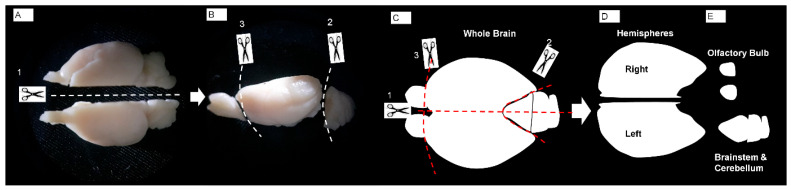 Figure 1
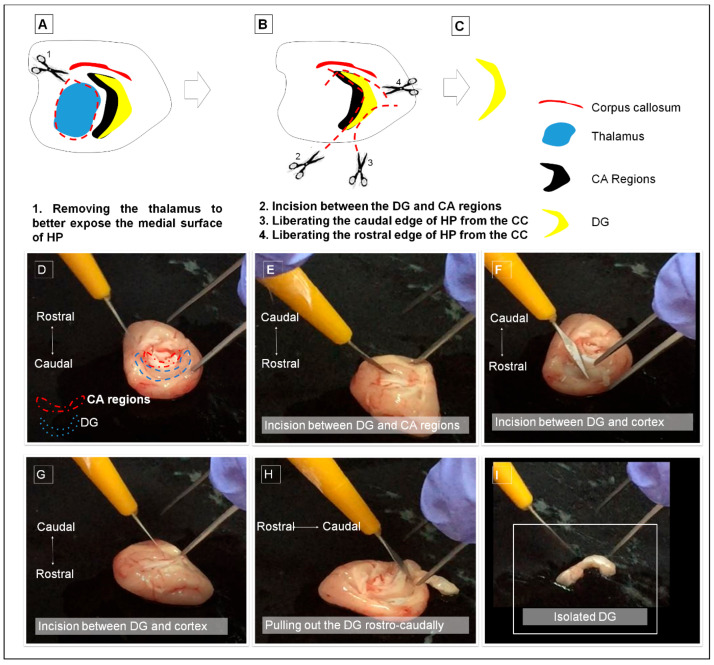 Figure 2
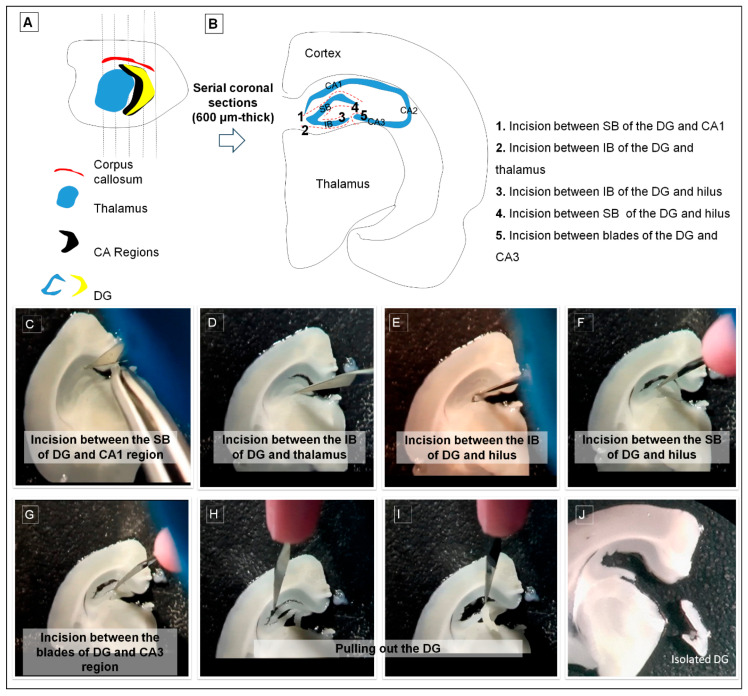 Figure 3
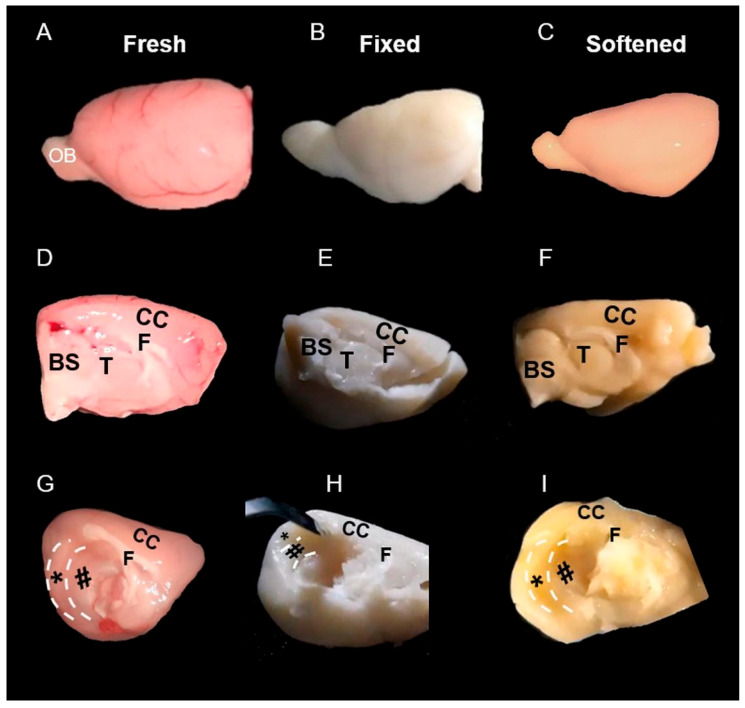 Figure 4
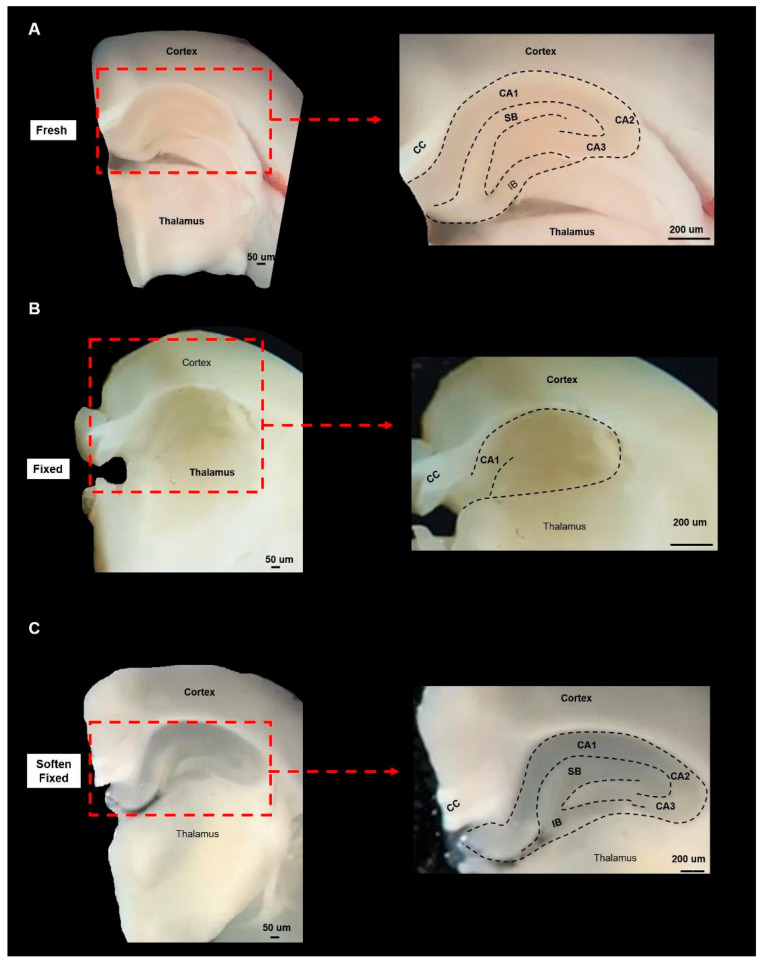 Figure 5
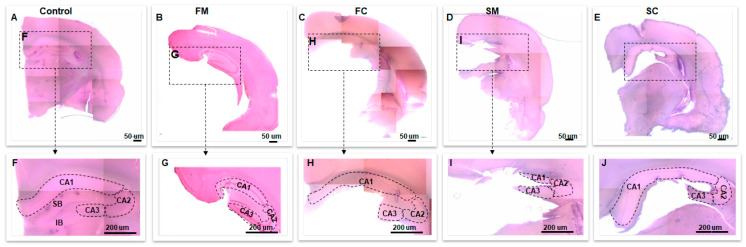 Figure 6
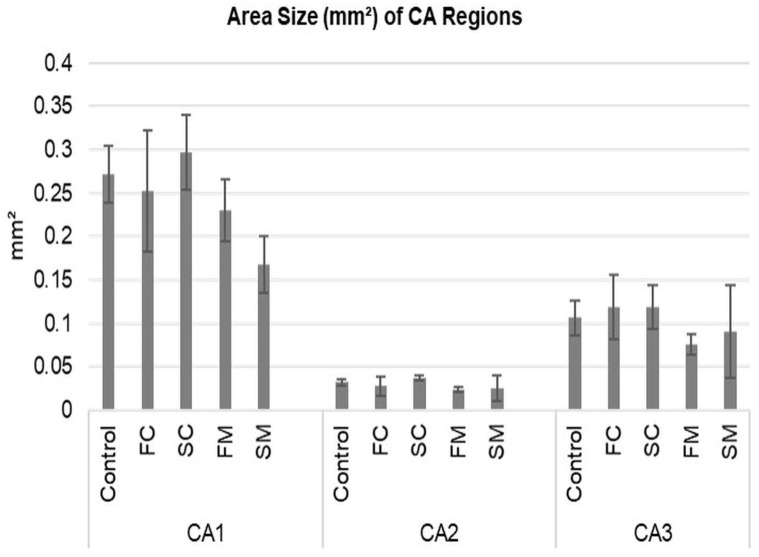 Figure 7
Peer Reviews
No public reviews on file for this paper yet. If you reviewed it on a platform where reviews are public (OpenReview, ICLR, NeurIPS, ICML), you can paste yours below so the community can read it here.
Videos
No videos yet. Explain this paper in a talk, walkthrough, or lecture? Add one.
Taxonomy
TopicsMolecular Biology Techniques and Applications · Cell Image Analysis Techniques · Animal testing and alternatives