Mechanistic Insights into Lactobacillus harbinensis and Other Probiotics Regulating Lipid Metabolism in T2DM Mice via the PPARγ-LXRα-NPC1L1 Signaling Pathway Based on Multi-Omics Analysis
Baheban Yeerjiang, Tabusi Manaer, Xuelian Liu, Reziya Bieerdimulati, Xinhua Nabi

TL;DR
This study shows how a probiotic mix from fermented camel milk improves diabetes and lipid metabolism in mice by changing gut bacteria and a key signaling pathway.
Contribution
The study reveals a novel multi-omics mechanism linking probiotics to lipid metabolism via the PPARγ-LXRα-NPC1L1 pathway in T2DM.
Findings
CPCM improved glucose and lipid metabolism while enriching beneficial gut bacteria like Lactobacillus and Akkermansia.
Proteomic analysis showed CPCM restored key proteins in fatty acid oxidation and PPAR signaling.
EPS from CPCM upregulated PPARγ and LXRα while inhibiting NPC1L1 in Caco-2 cells.
Abstract
Background/Objectives: Intestinal dysbiosis is a pivotal trigger of type 2 diabetes mellitus (T2DM). Our previous studies confirmed that composite probiotics derived from fermented camel milk (CPCM), containing Lactobacillus harbinensis and 13 other strains, can ameliorate glucose and lipid metabolism in T2DM mice by reshaping bile acid profiles, and its effect may be associated with the PPARγ-LXRα-NPC1L1 signaling pathway. Methods: Metagenomic analysis characterized alterations in intestinal microbiota structure and functional genes post-CPCM intervention, proteomic analysis detected changes in protein expression profiles related to glucose and lipid metabolism in mice, and Caco-2 cells were used for in vitro validation to clarify the regulatory effect of exopolysaccharides (EPS) (the active component of CPCM) on the PPARγ-LXRα-NPC1L1 signaling pathway. Results: The results showed that…
Genes, proteins, chemicals, diseases, species, mutations and cell lines named across the full text — each resolved to its canonical identifier and authoritative record.
Click any figure to enlarge with its caption.
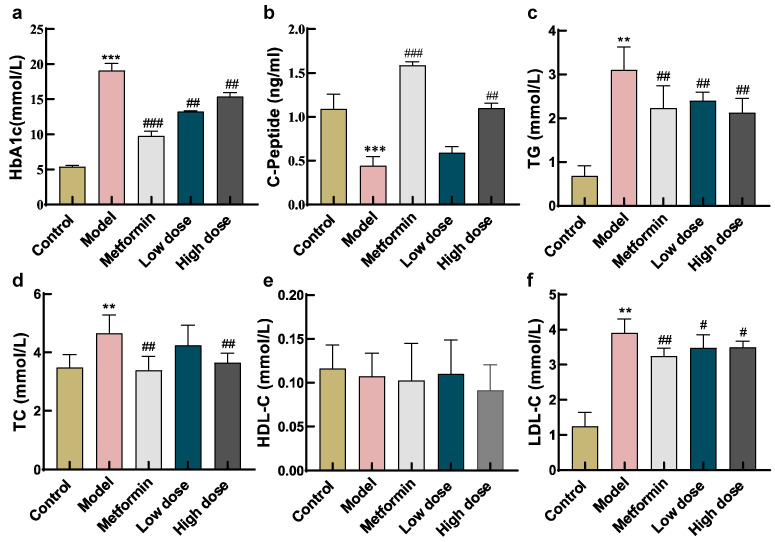 Figure 1
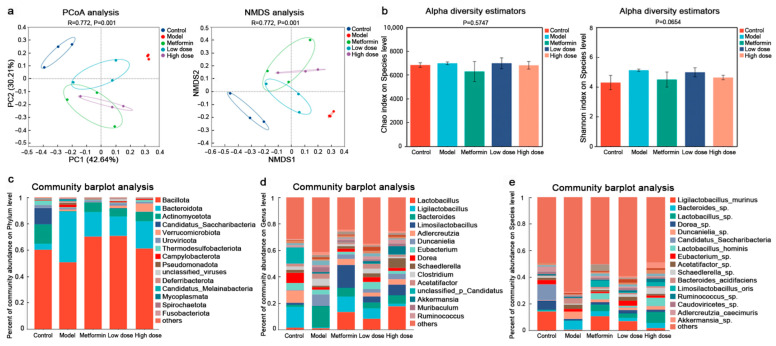 Figure 2
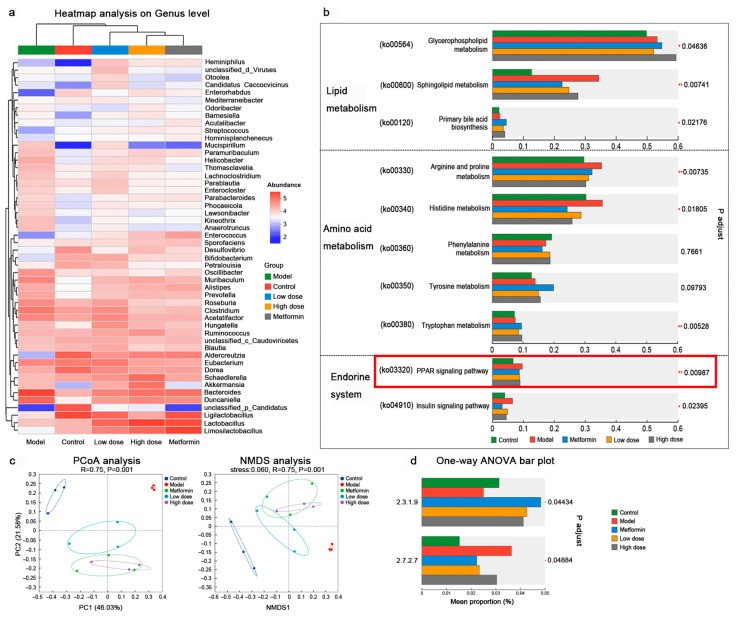 Figure 3
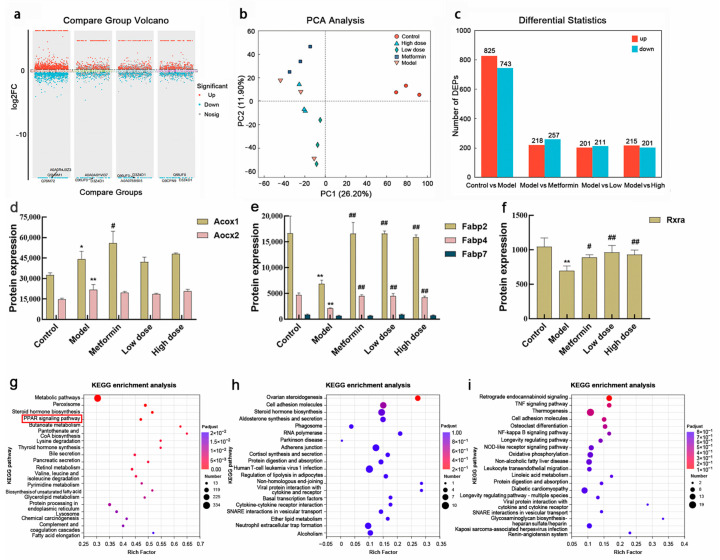 Figure 4
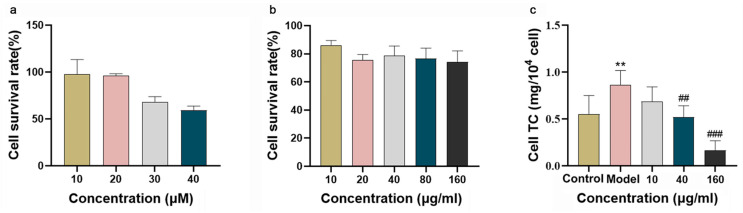 Figure 5
Peer Reviews
No public reviews on file for this paper yet. If you reviewed it on a platform where reviews are public (OpenReview, ICLR, NeurIPS, ICML), you can paste yours below so the community can read it here.
Videos
No videos yet. Explain this paper in a talk, walkthrough, or lecture? Add one.
Taxonomy
TopicsAnimal Diversity and Health Studies · Infant Nutrition and Health · Gut microbiota and health