Study on the Regulation of Diethylene Glycol on the Hydration Process of High-Activity Calcium Oxide
Yu Fan, Wei Guo, Yueyang Hu, Yue Zhang, Jiaqing Wang, Zhaijun Wen

TL;DR
This study improves calcium hydroxide's performance by using a two-step process involving potassium nitrate pretreatment and diethylene glycol hydration.
Contribution
A novel two-stage synthesis method enhances calcium hydroxide's reactivity and surface properties for industrial applications.
Findings
Potassium nitrate pretreatment increases calcium oxide reactivity to 435.7 mL.
Hydration with DEG produces Ca(OH)2 with 98.5% utilization efficiency and 43.24 m2/g surface area.
The method creates thin platelet structures and prevents particle agglomeration.
Abstract
Traditional calcium hydroxide (Ca(OH)2) typically exhibits low specific surface area and reactivity, significantly limiting its efficacy in industrial gas–solid reactions such as flue gas desulfurization and thermochemical energy storage. To address these limitations, this study proposes a two-stage synthesis strategy designed to enhance the surface properties and chemical activity of Ca(OH)2. The process involves the preparation of high-activity calcium oxide (CaO), followed by controlled hydration using diethylene glycol (DEG). Drawing on established mechanisms from cement chemistry, wherein potassium ions (K+) catalyze the decomposition of calcium carbonate (CaCO3), limestone particles (10–20 mm) were pre-soaked in a 0.1 mol/L potassium nitrate (KNO3) solution for 48 h prior to calcination. Characterization via X-ray diffraction (XRD), scanning electron microscopy (SEM), and Blaine…
Genes, proteins, chemicals, diseases, species, mutations and cell lines named across the full text — each resolved to its canonical identifier and authoritative record.
Click any figure to enlarge with its caption.
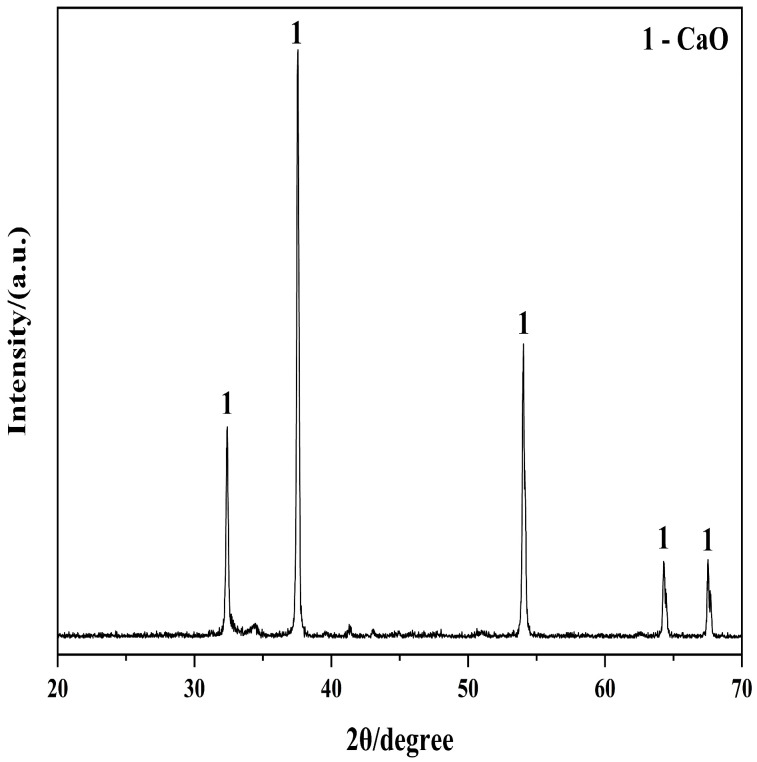 Figure 1
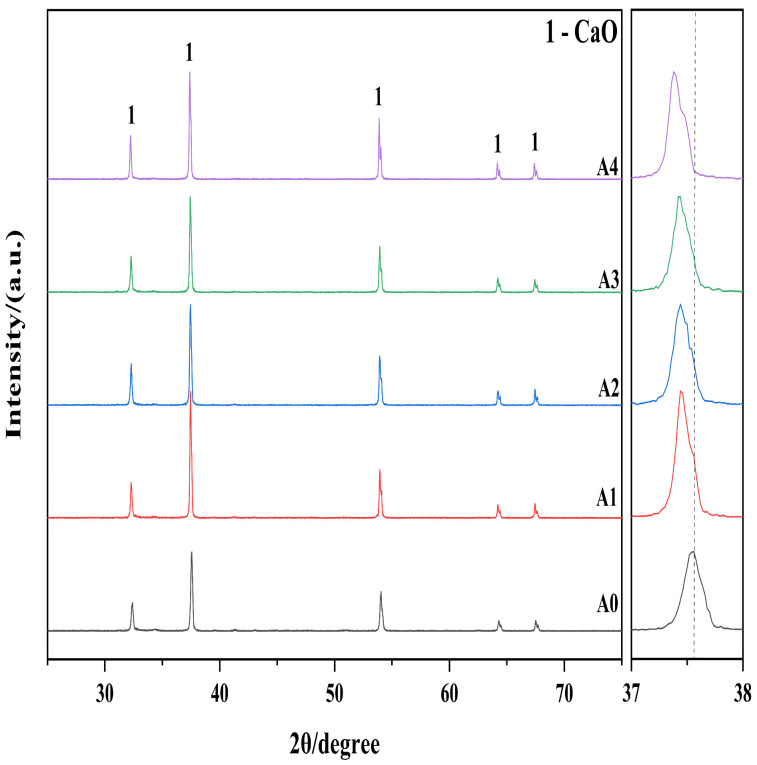 Figure 2
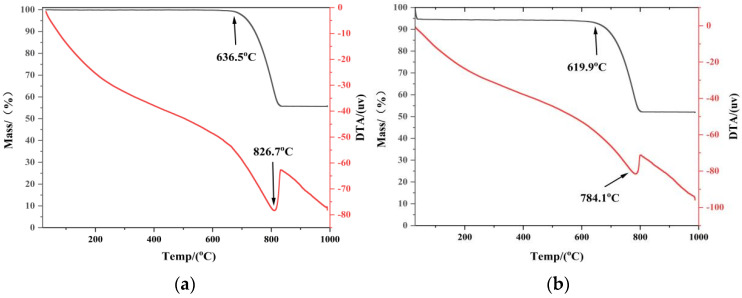 Figure 3
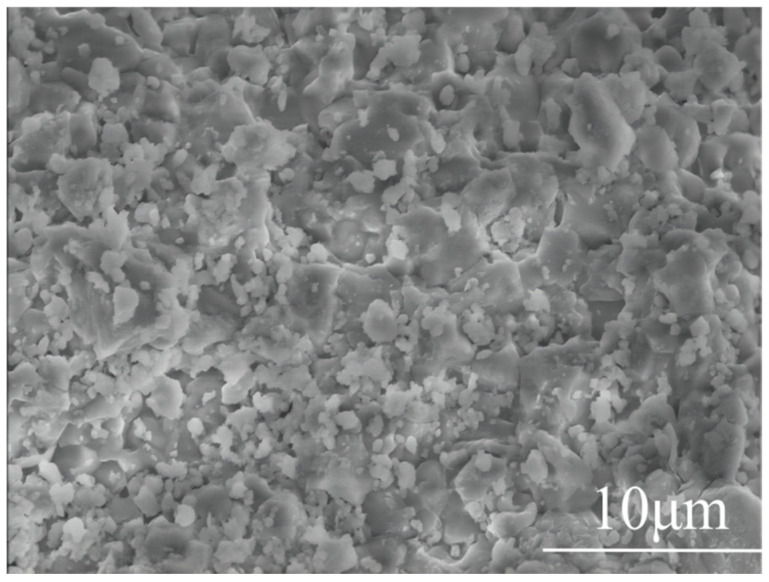 Figure 4
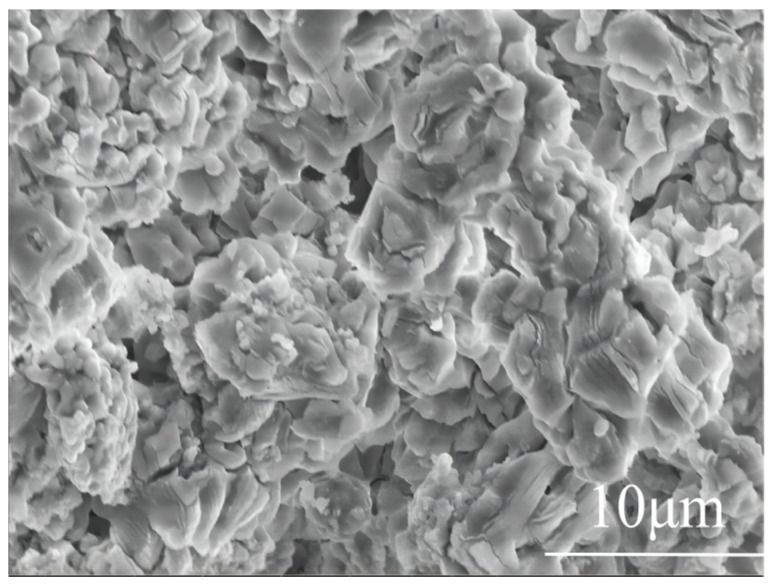 Figure 5
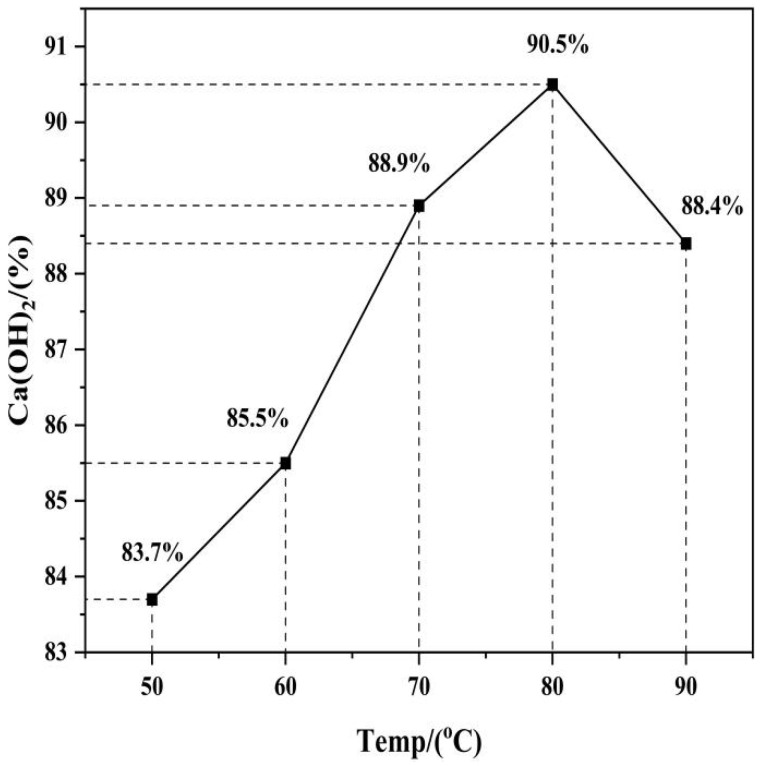 Figure 6
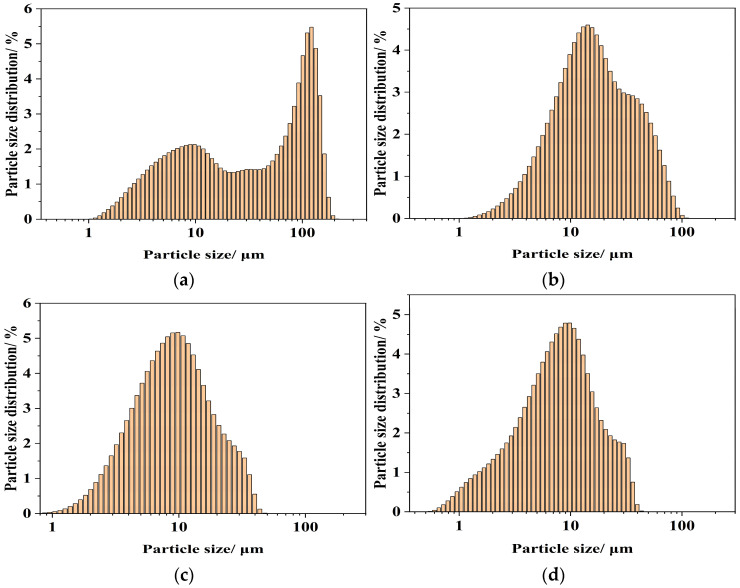 Figure 7
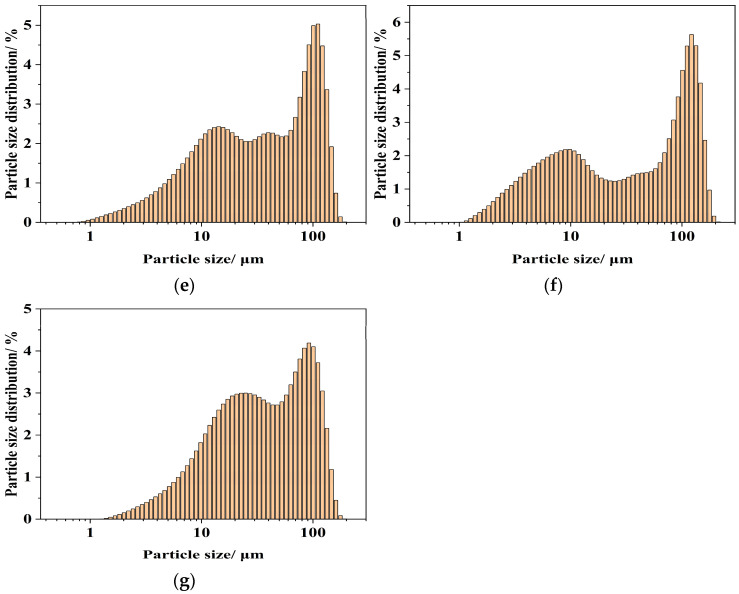 Figure 8
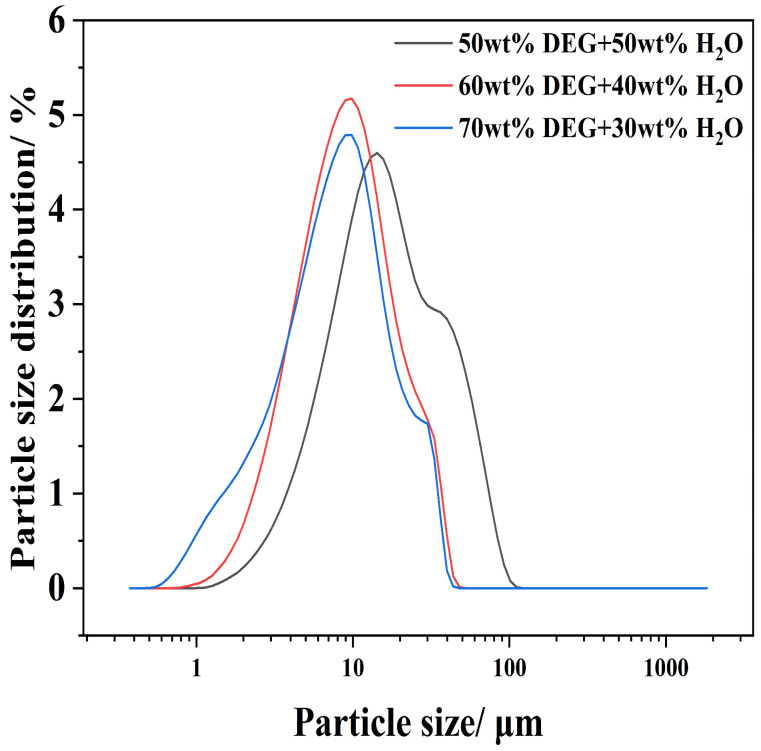 Figure 9
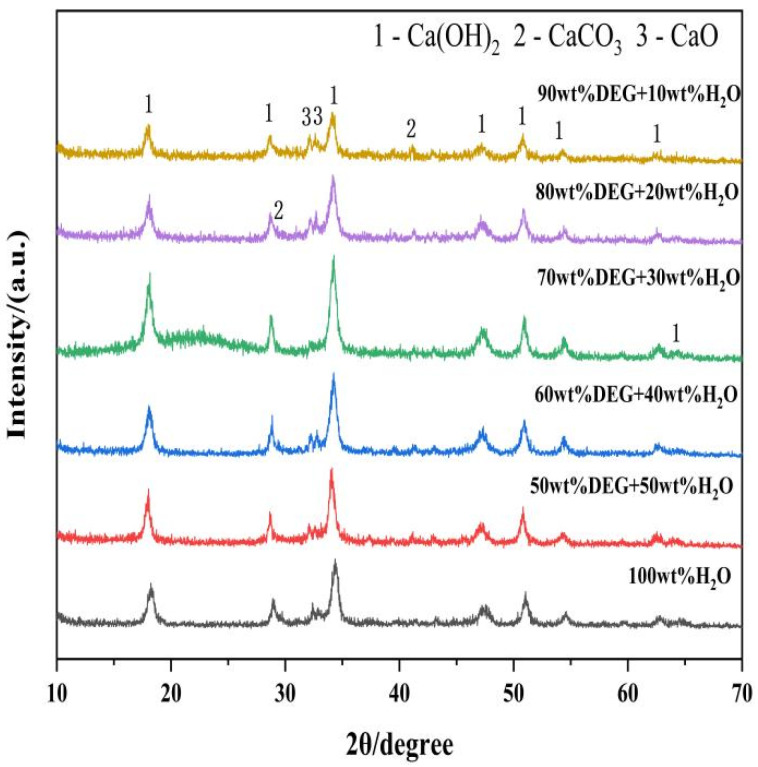 Figure 10
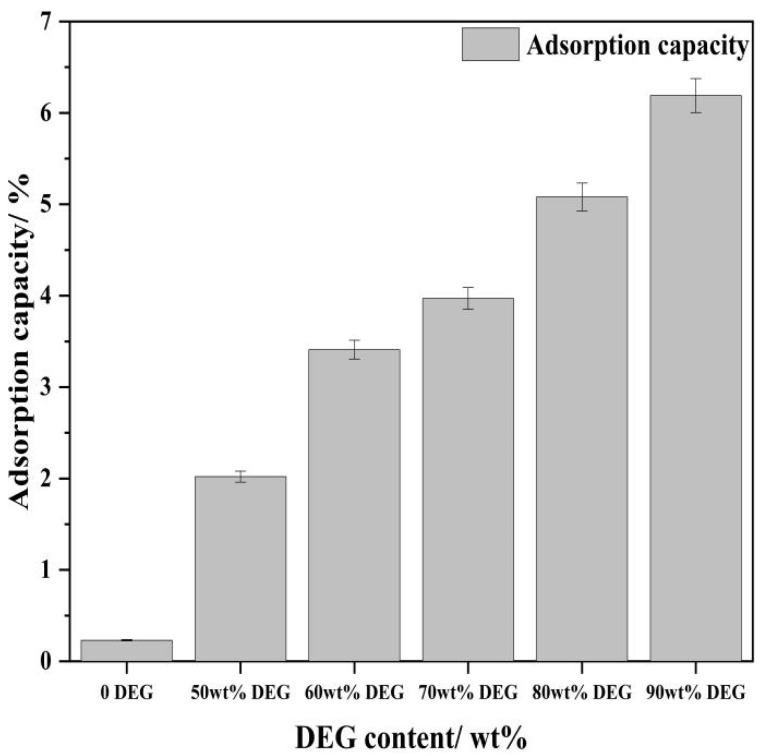 Figure 11
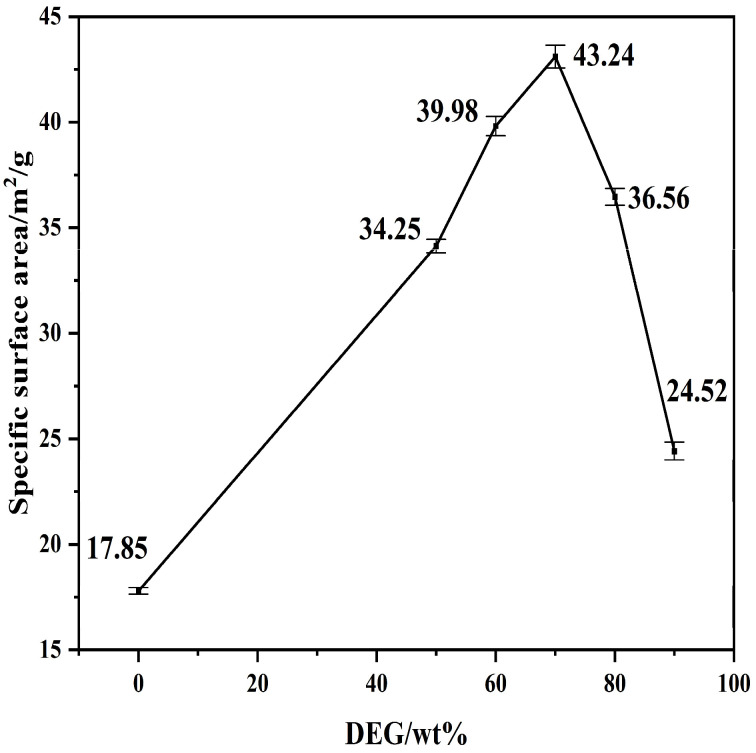 Figure 12
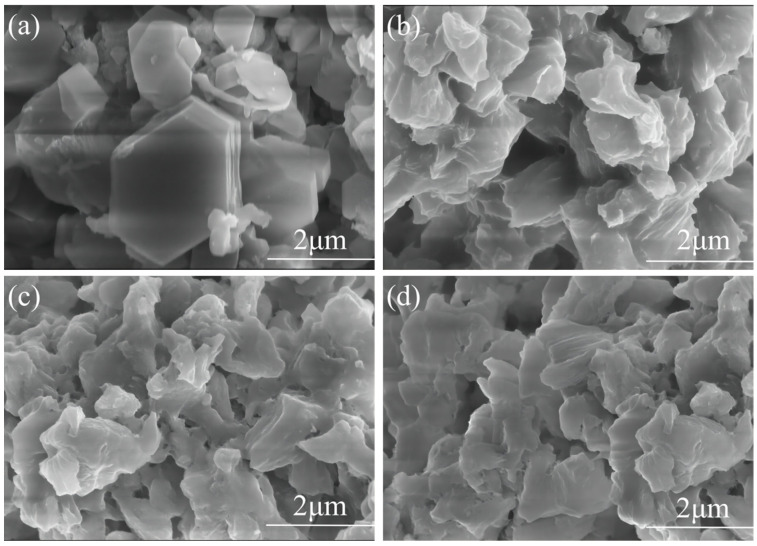 Figure 13
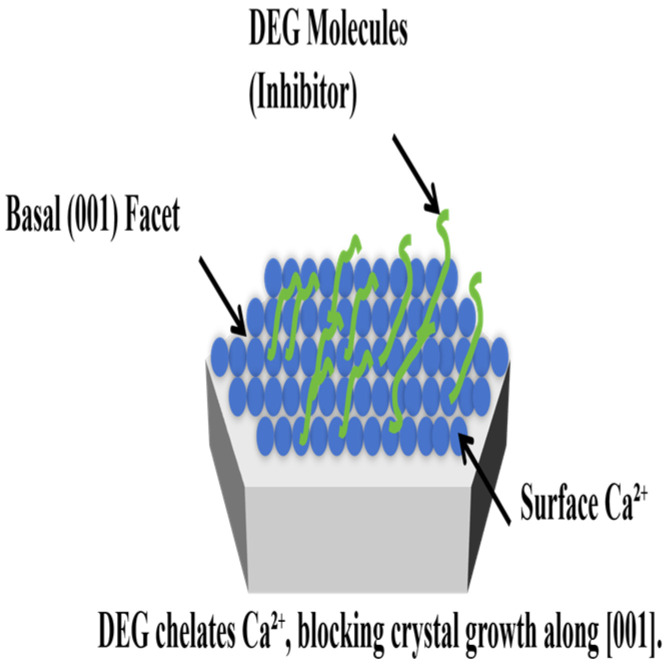 Figure 14
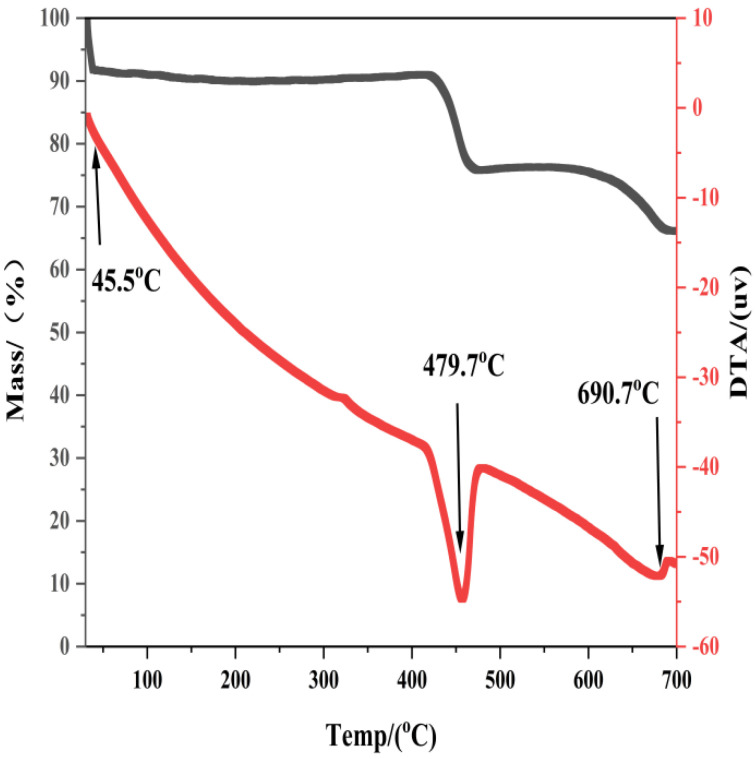 Figure 15
Peer Reviews
No public reviews on file for this paper yet. If you reviewed it on a platform where reviews are public (OpenReview, ICLR, NeurIPS, ICML), you can paste yours below so the community can read it here.
Videos
No videos yet. Explain this paper in a talk, walkthrough, or lecture? Add one.
Taxonomy
TopicsChemical Looping and Thermochemical Processes · Industrial Gas Emission Control · Adsorption and Cooling Systems