In-Depth Characterization of Black Soldier Fly Larvae Reared on Phenolic-Rich Agro-Industrial Substrates
Claudiu-Nicusor Ionica, Katalin Szabo, Bernadette-Emőke Teleky, Silvia-Amalia Nemeş, Rodica-Anita Varvara, Dan Cristian Vodnar, Călina Ciont, Alina Diana Haşaş, Mircea Coroian, Romelia Pop, Sorana Daina, Andrei-Radu Szakacs, Adrian Macri

TL;DR
Black soldier fly larvae reared on agro-industrial waste like apple and potato peels become a nutritious, antioxidant-rich protein source for animal feed and human food.
Contribution
This study demonstrates how specific agricultural by-products can enhance the nutritional and functional properties of black soldier fly larvae.
Findings
Apple and potato peels enriched larvae with phenolic compounds and flavonoids, boosting antioxidant capacity.
Rearing substrates significantly influenced larval composition, including protein, ash, and fat content.
Phenolic-rich diets caused cuticle darkening and improved technological properties like shear-thinning behavior.
Abstract
Black soldier fly (Hermetia illucens) larvae (BSFL) are emerging as a sustainable and nutritious ingredient for animal feed and human food, offering a rich source of protein and fat. The larvae’s unique ability to thrive on diverse organic waste makes them key players in relation to the principles of the circular economy, transforming low-value agricultural by-products into valuable resources. This study investigated the nutritional and functional quality of BSFL using agricultural waste, specifically apple, potato, and red beetroot peels, as a special diet source. We found that the type and amount of organic waste used strongly affected the larvae’s composition in a non-linear way. Rearing the larvae on these by-products enriched their nutritional profile with phenolic compounds and flavonoids, which boosted their antioxidant capacity and further resulted in health-related benefits.…
Genes, proteins, chemicals, diseases, species, mutations and cell lines named across the full text — each resolved to its canonical identifier and authoritative record.
Click any figure to enlarge with its caption.
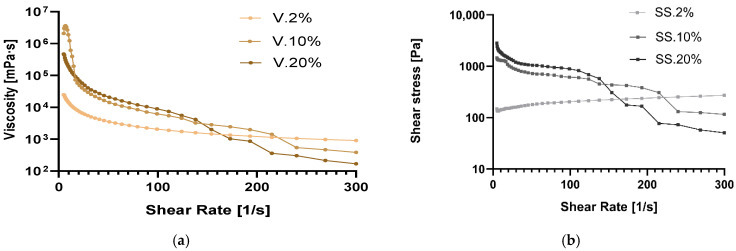 Figure 1
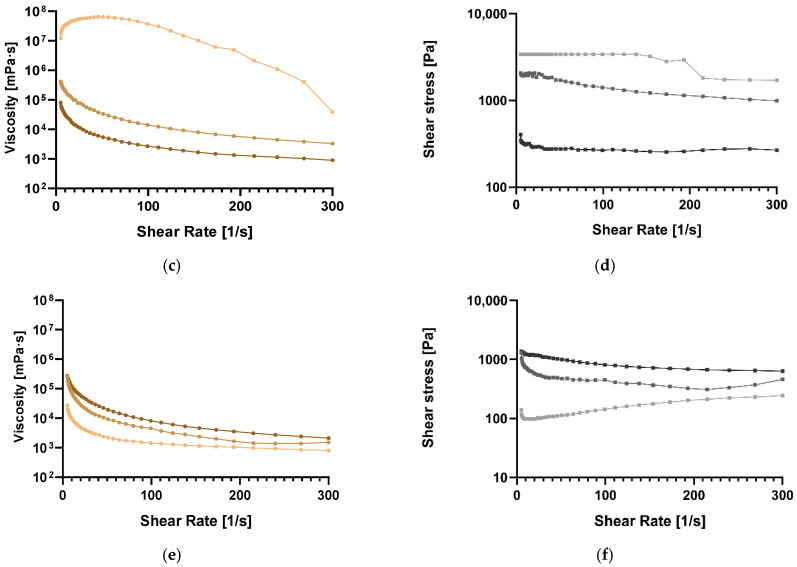 Figure 2
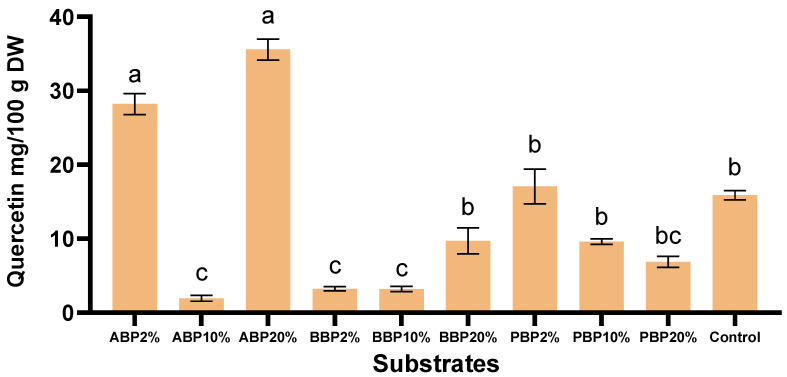 Figure 3
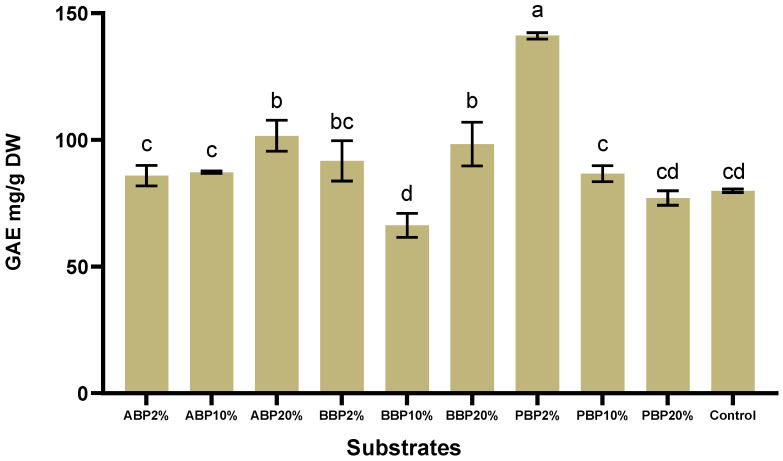 Figure 4
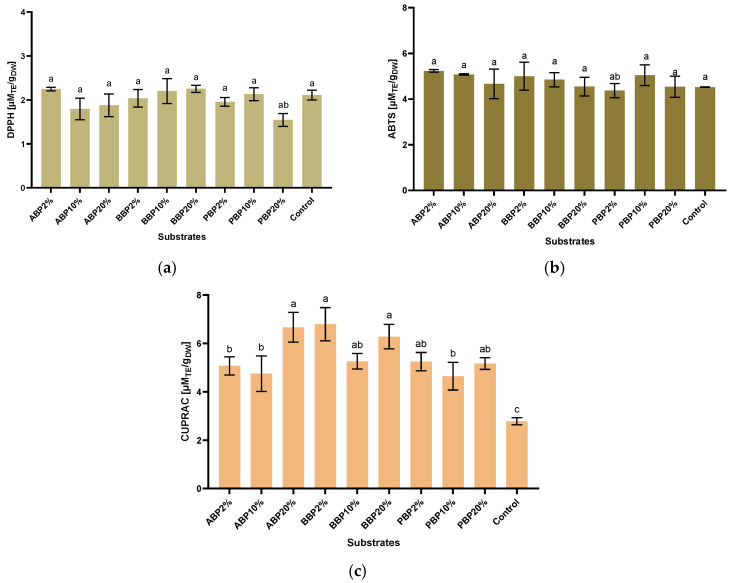 Figure 5
Peer Reviews
No public reviews on file for this paper yet. If you reviewed it on a platform where reviews are public (OpenReview, ICLR, NeurIPS, ICML), you can paste yours below so the community can read it here.
Videos
No videos yet. Explain this paper in a talk, walkthrough, or lecture? Add one.
Taxonomy
TopicsInsect Utilization and Effects · Microencapsulation and Drying Processes · Forensic Entomology and Diptera Studies