Molecular Techniques and Ecological Data for Taxonomically Difficult Groups: A Case Study of a Morphologically Variable New Species in the Genus Chrysobothris (Coleoptera: Buprestidae)
Botao Huang, Long Wu, Tao Ni, Rongxiang Su, Haitian Song, Rong Wang

TL;DR
This paper describes a new beetle species in the Chrysobothris genus from southern China, using DNA barcoding and ecological data to resolve taxonomic confusion among morphologically variable specimens.
Contribution
The study integrates molecular and ecological data to delineate a new species within a taxonomically challenging beetle group.
Findings
Four morphologically distinct Chrysobothris specimens from southern China were confirmed as a single new species via COI barcoding.
The new species, Chrysobothris borealina, is genetically distinct from C. violacea and shows ecological differentiation in elevation and phenology.
A rare mite attachment was observed on a female specimen, suggesting potential ecological interactions.
Abstract
Morphological characters of beetles can exhibit considerable variation, even within a single species. Within a Chrysobothris group from southern China, four morphotypes were suspected, raising the possibility that they represented multiple species or subspecies. By using COI barcode sequencing, we determined that all forms belong to the same species, which is genetically distinct from its closest relative species, C. violacea Kerremans, 1892. Herein, we describe and illustrate a new species, Chrysobothris borealina Huang, Wu & Song, sp. nov. Key morphological characters are summarized, ecological notes are provided, and the presence of mite attachment on one female specimen is reported. Morphological characters of beetles can differ greatly, even within a single species, necessitating the integration of molecular techniques and ecological data for accurate taxonomical delineation,…
Genes, proteins, chemicals, diseases, species, mutations and cell lines named across the full text — each resolved to its canonical identifier and authoritative record.
Click any figure to enlarge with its caption.
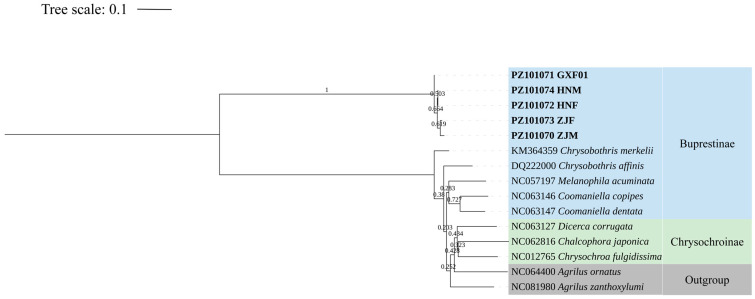 Figure 1
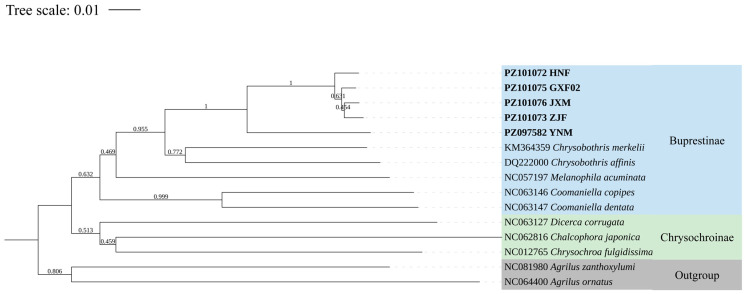 Figure 2
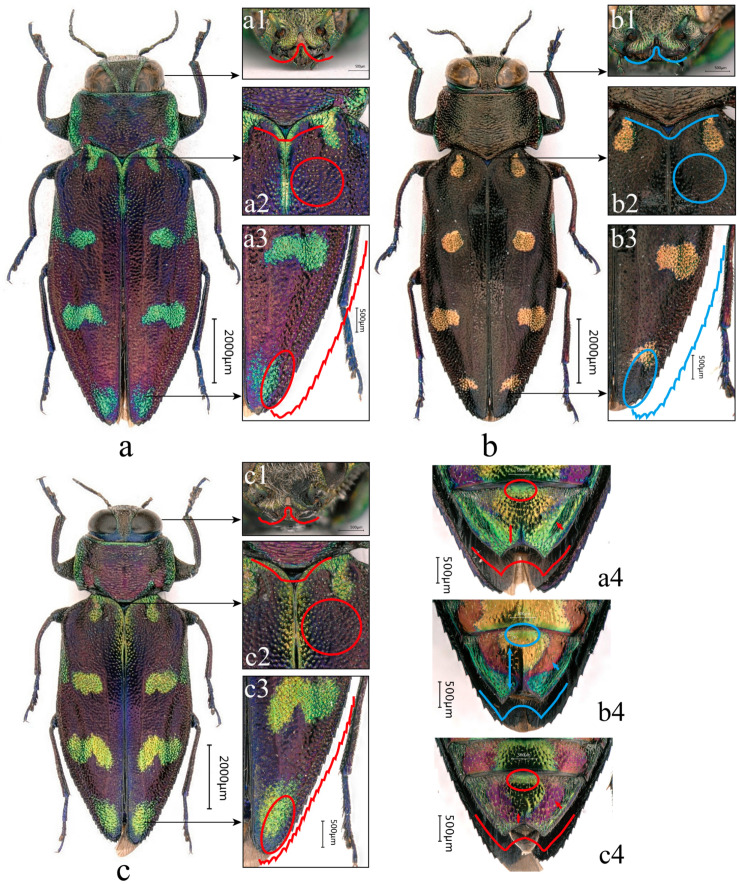 Figure 3
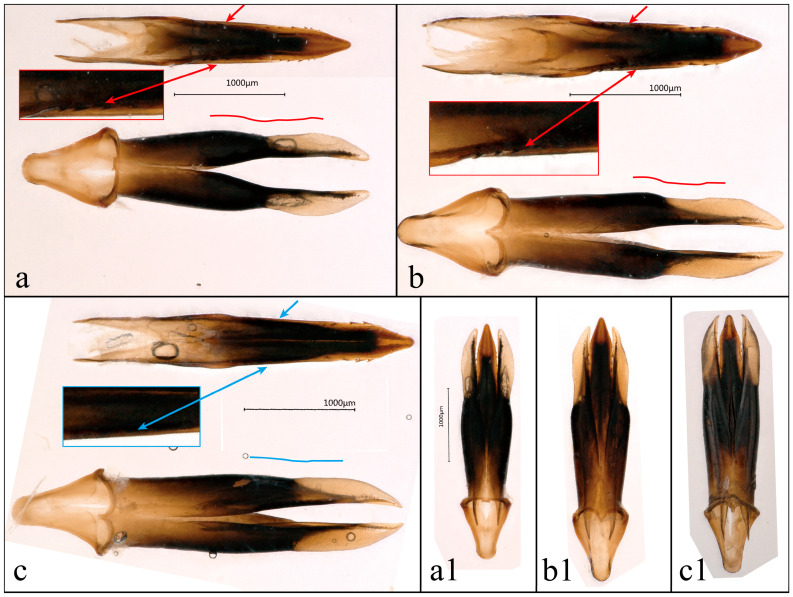 Figure 4
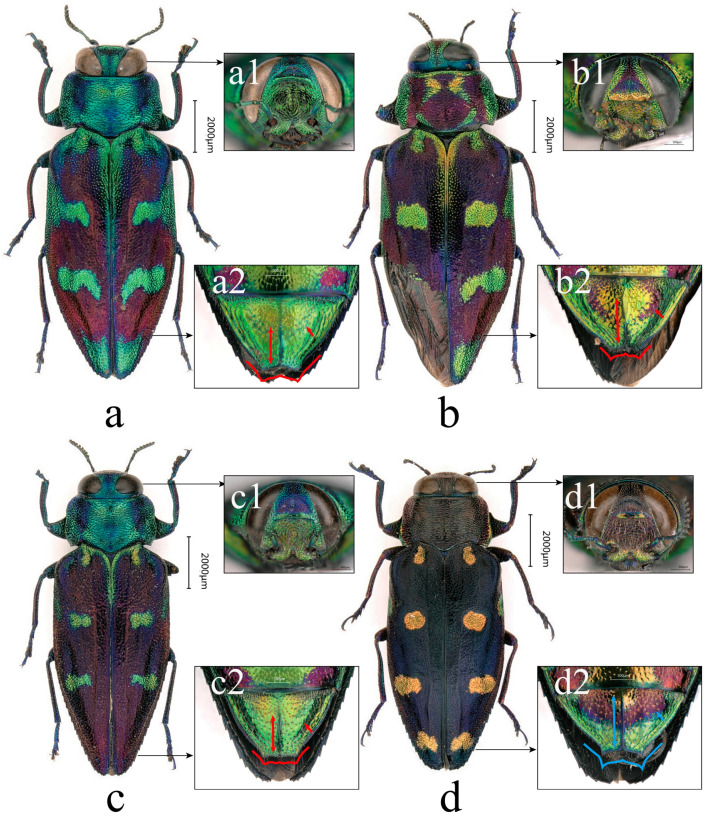 Figure 5
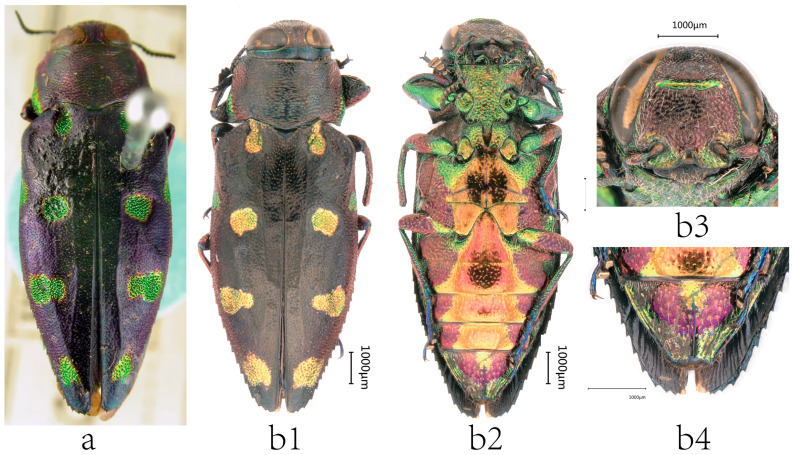 Figure 6
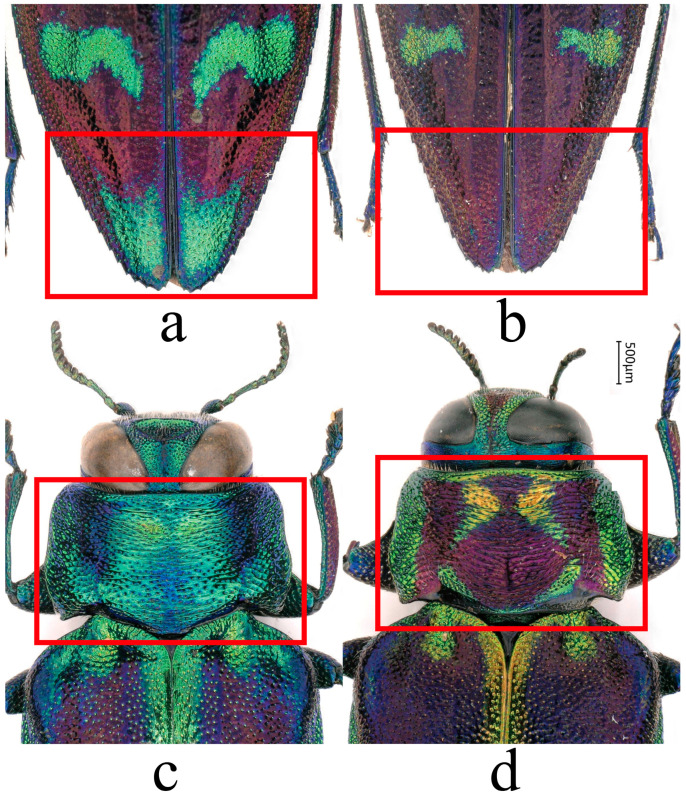 Figure 7
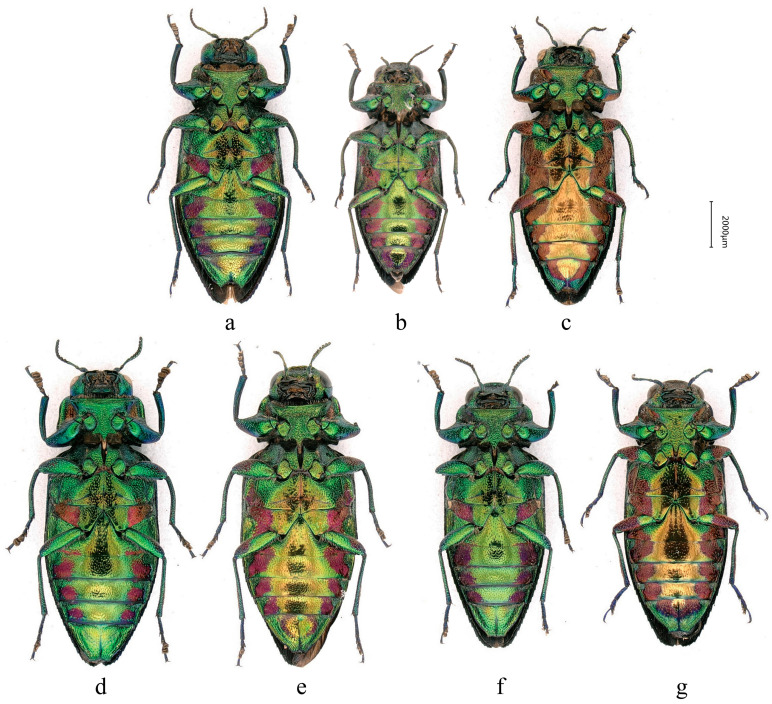 Figure 8
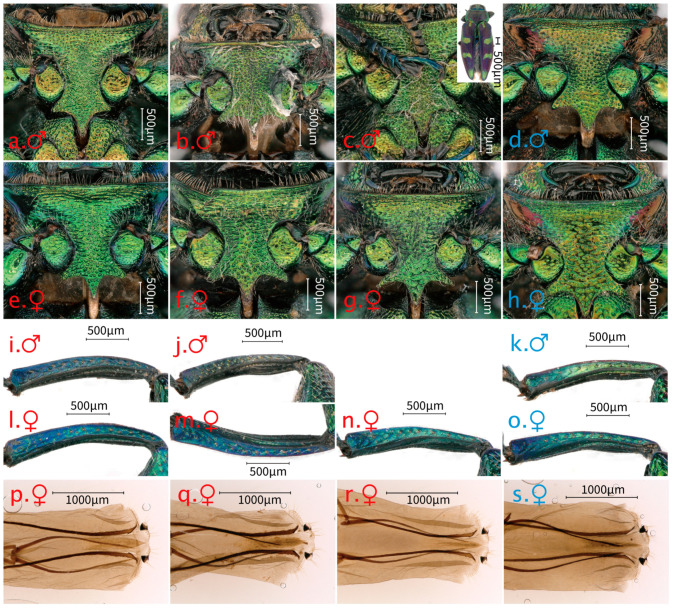 Figure 9
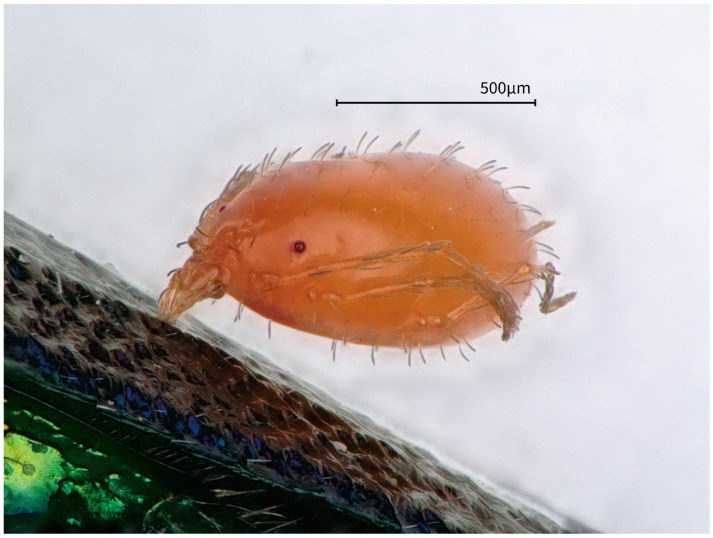 Figure 10
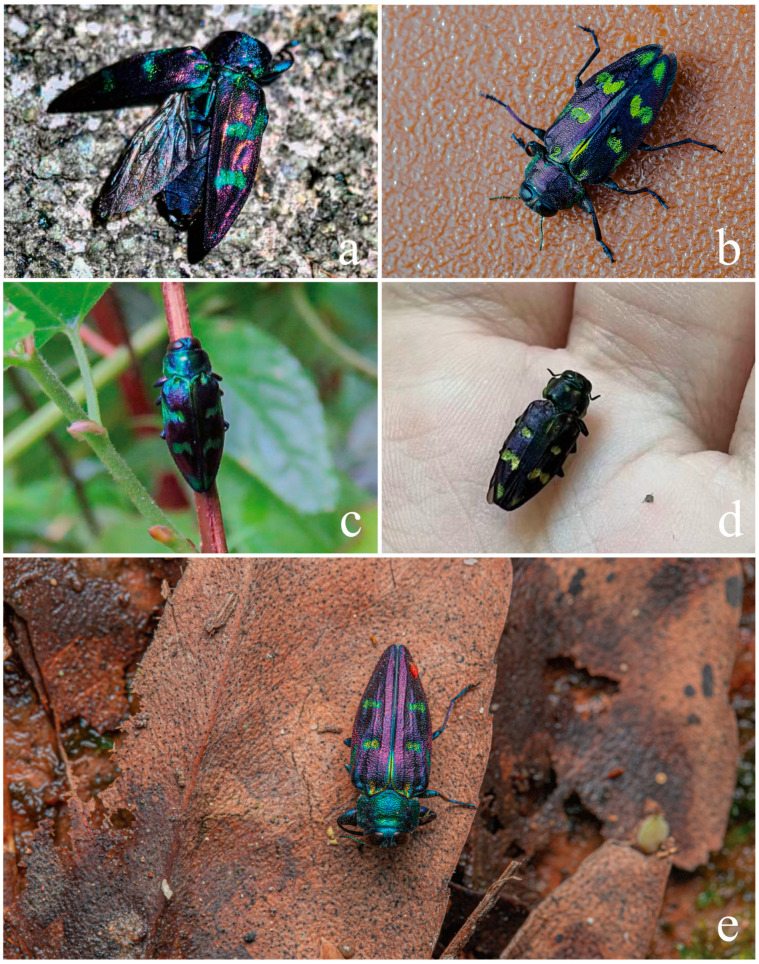 Figure 11
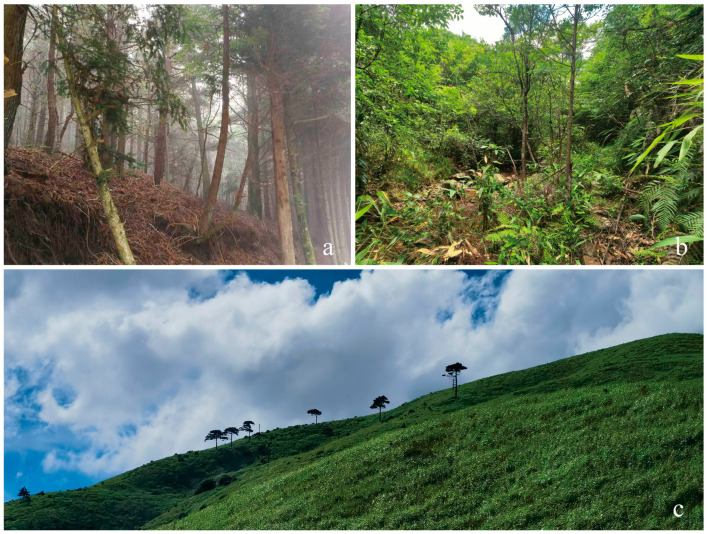 Figure 12
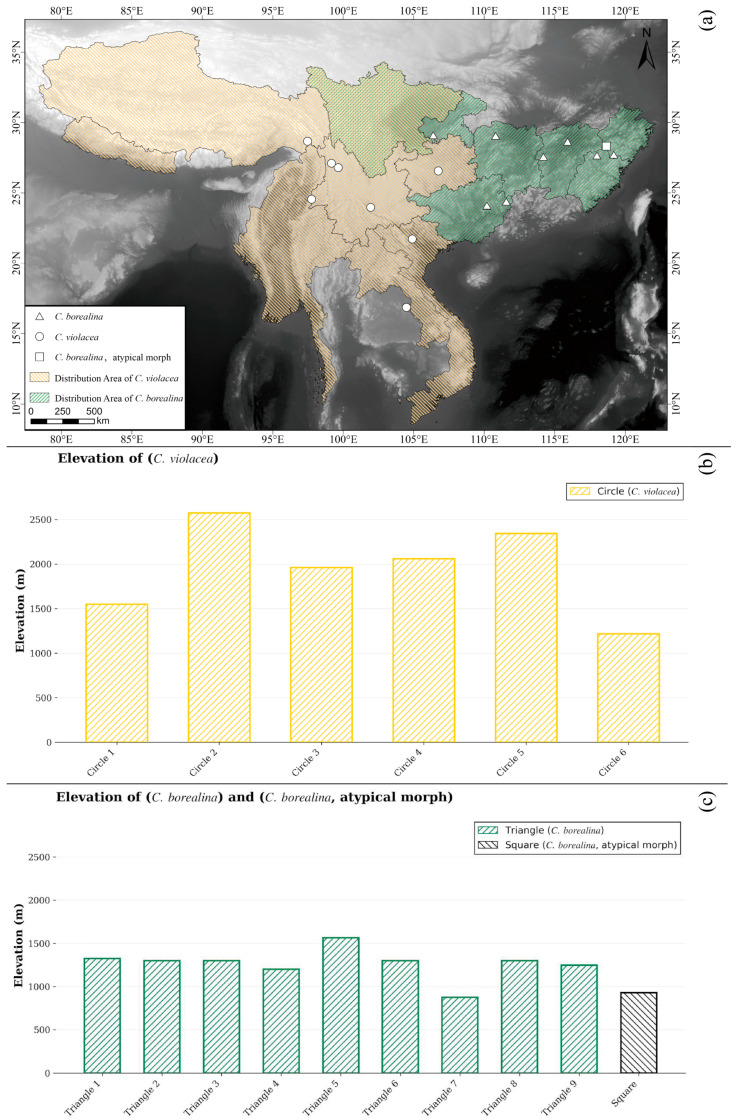 Figure 13
Peer Reviews
No public reviews on file for this paper yet. If you reviewed it on a platform where reviews are public (OpenReview, ICLR, NeurIPS, ICML), you can paste yours below so the community can read it here.
Videos
No videos yet. Explain this paper in a talk, walkthrough, or lecture? Add one.
Taxonomy
TopicsStudy of Mite Species · Forest Insect Ecology and Management · Insect-Plant Interactions and Control