Clopidogrel Administration Impairs Neurovascular Unit Recovery and Exacerbates Amyloid Beta Accumulation in Aged Mice Post-Stroke
Marina Paul, Jonathan W. Paul, Madeleine Hinwood, Rebecca J. Hood, Kristy Martin, Mahmoud Abdolhoseini, Sarah J. Johnson, Michael Pollack, Michael Nilsson, Frederick R. Walker

TL;DR
This study shows that clopidogrel, a common heart drug, may harm brain recovery and increase amyloid buildup in aged mice after stroke.
Contribution
The study reveals novel age-dependent effects of clopidogrel on neurovascular recovery and amyloid accumulation post-stroke.
Findings
Clopidogrel reduced survival and body weight in aged mice after stroke.
Clopidogrel increased amyloid beta levels and impaired microglia activity in the brain.
These effects were not consistently observed in young mice.
Abstract
Clopidogrel has been the most commonly used therapy for preventing secondary cardiovascular events since 1997 by inhibiting the purinergic receptor P2Y, G-protein coupled, 12 protein receptor (P2RY12). P2RY12 is critical for microglia function in the brain, where it facilitates repair processes following injury. Under normal conditions, the blood-brain barrier (BBB) prevents peripheral drugs like clopidogrel from entering the brain. However, stroke-induced BBB disruption may allow clopidogrel to interfere with neural recovery by impairing microglia activity. Recently, we demonstrated that clopidogrel worsened cognitive outcomes in young mice after stroke. In this study, we examined the effects of clopidogrel on aged mice, focusing on survival, body weight, neurovascular changes, immune response, and amyloid beta accumulation. Aged male mice underwent photothrombotic stroke (or sham…
Genes, proteins, chemicals, diseases, species, mutations and cell lines named across the full text — each resolved to its canonical identifier and authoritative record.
Click any figure to enlarge with its caption.
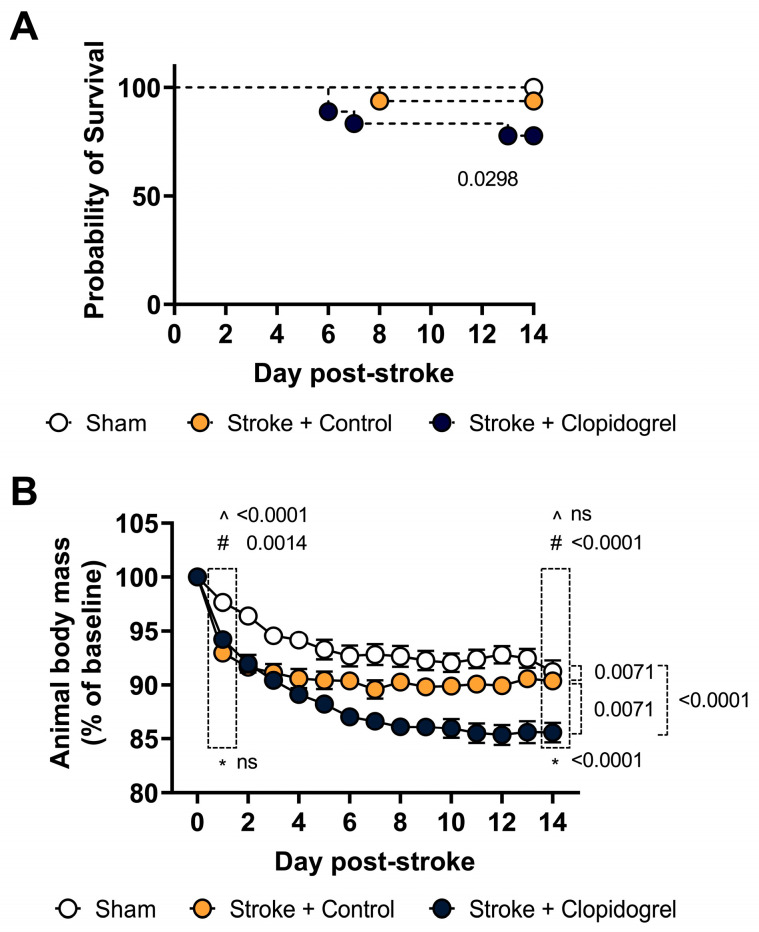 Figure 1
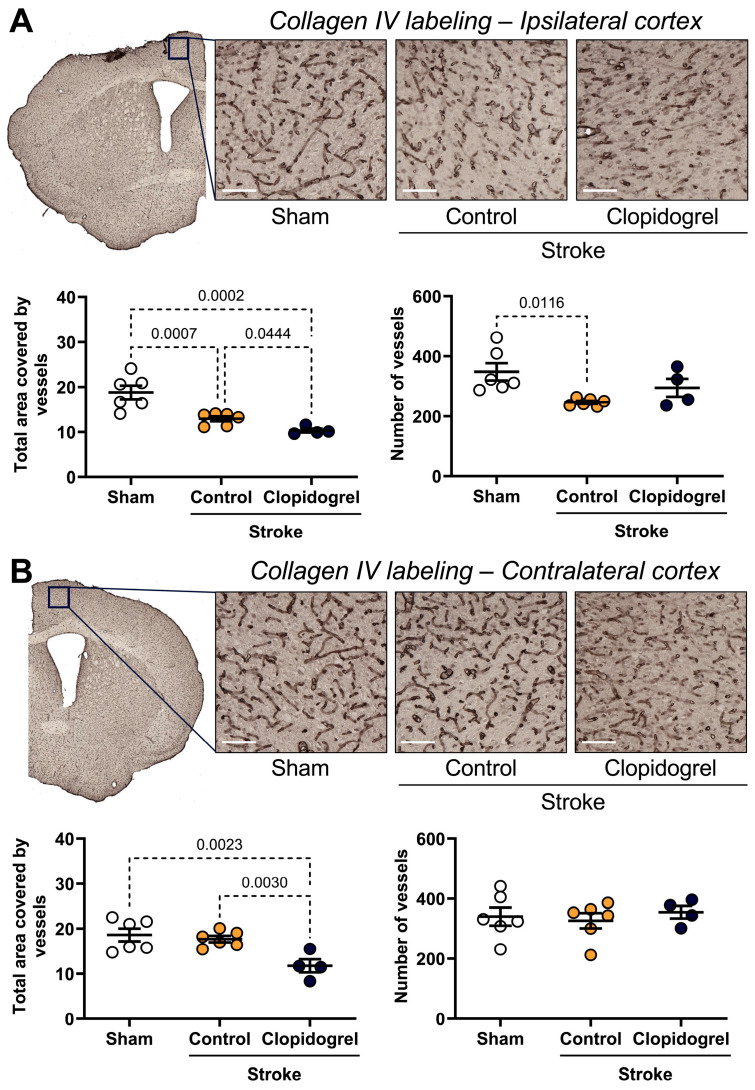 Figure 2
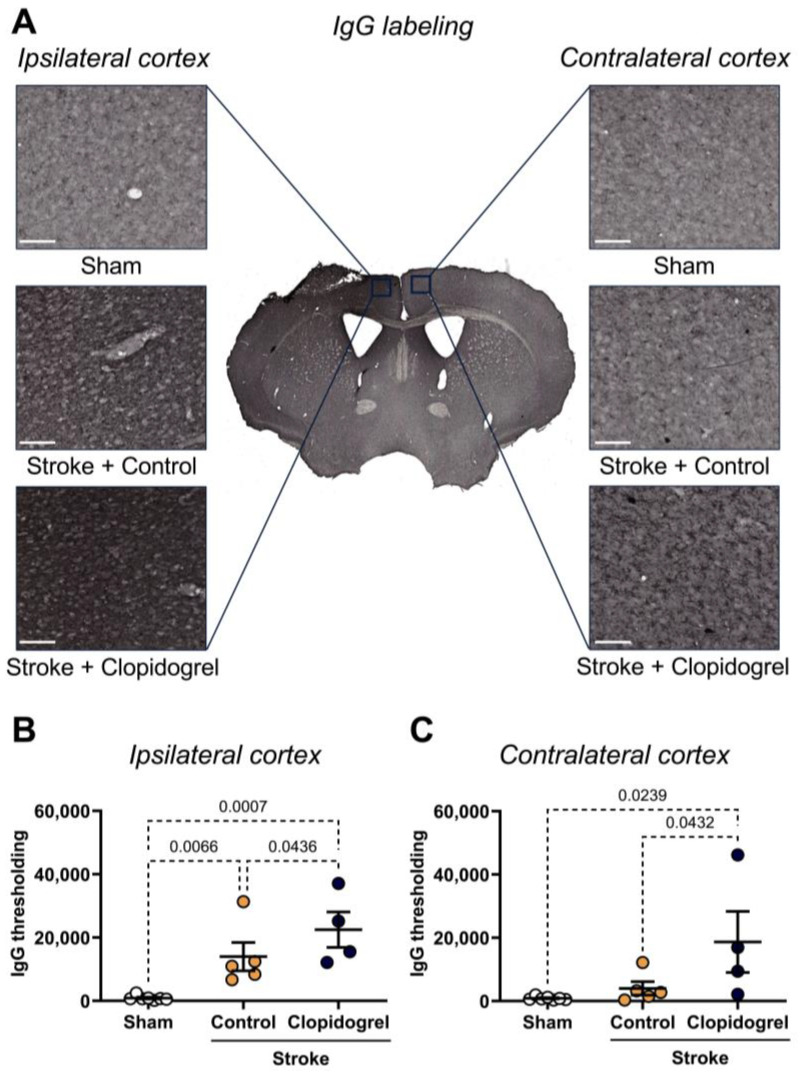 Figure 3
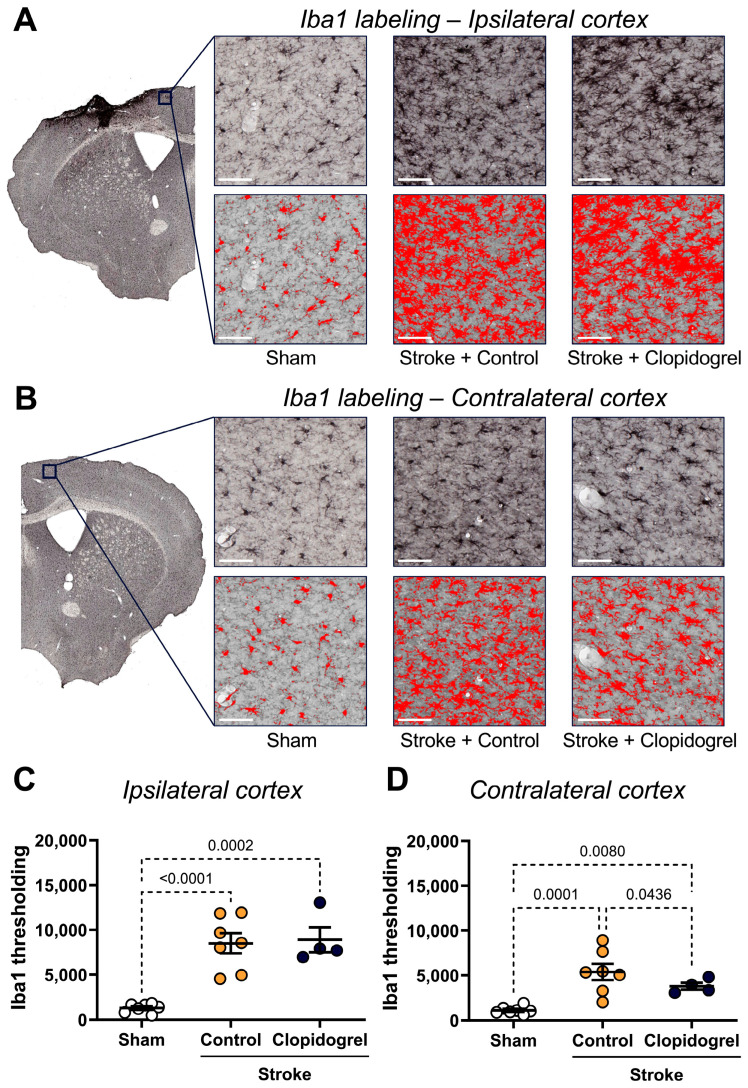 Figure 4
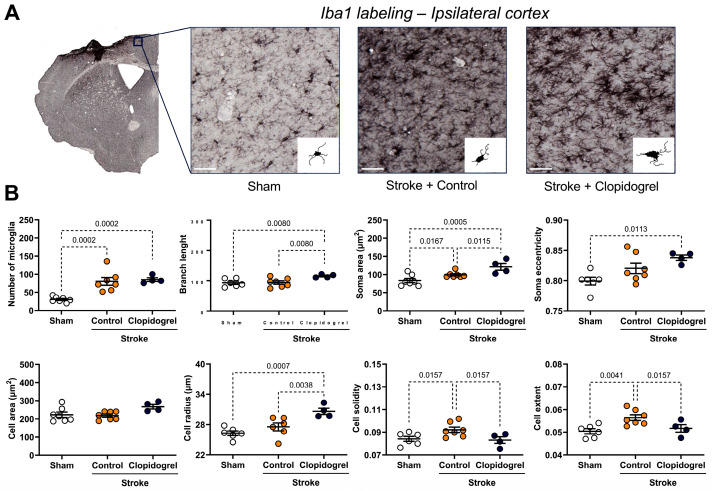 Figure 5
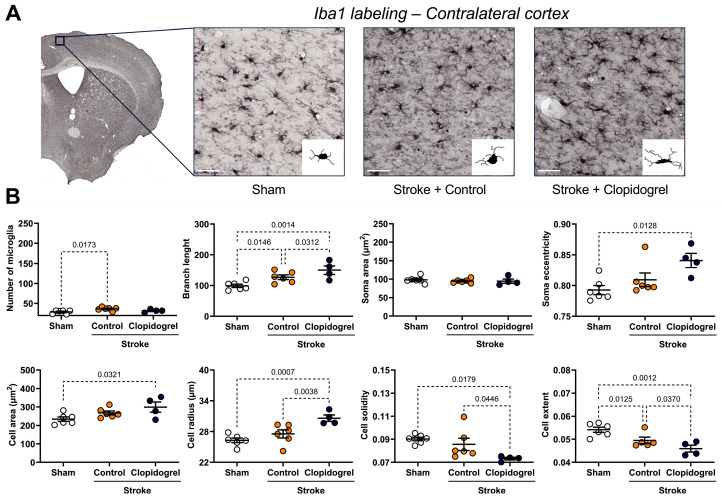 Figure 6
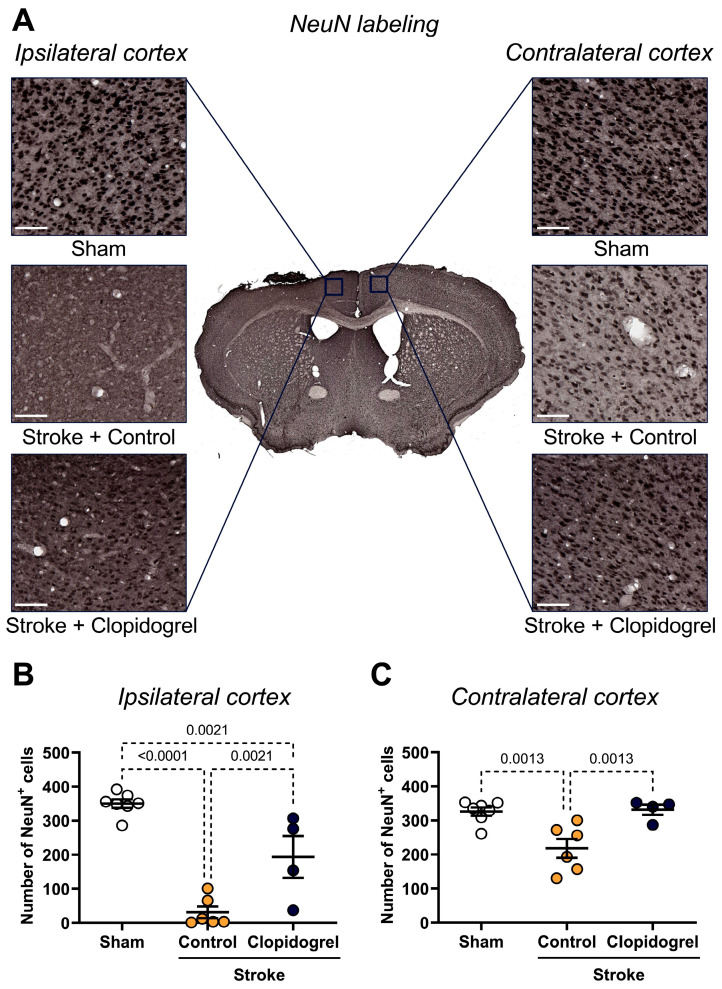 Figure 7
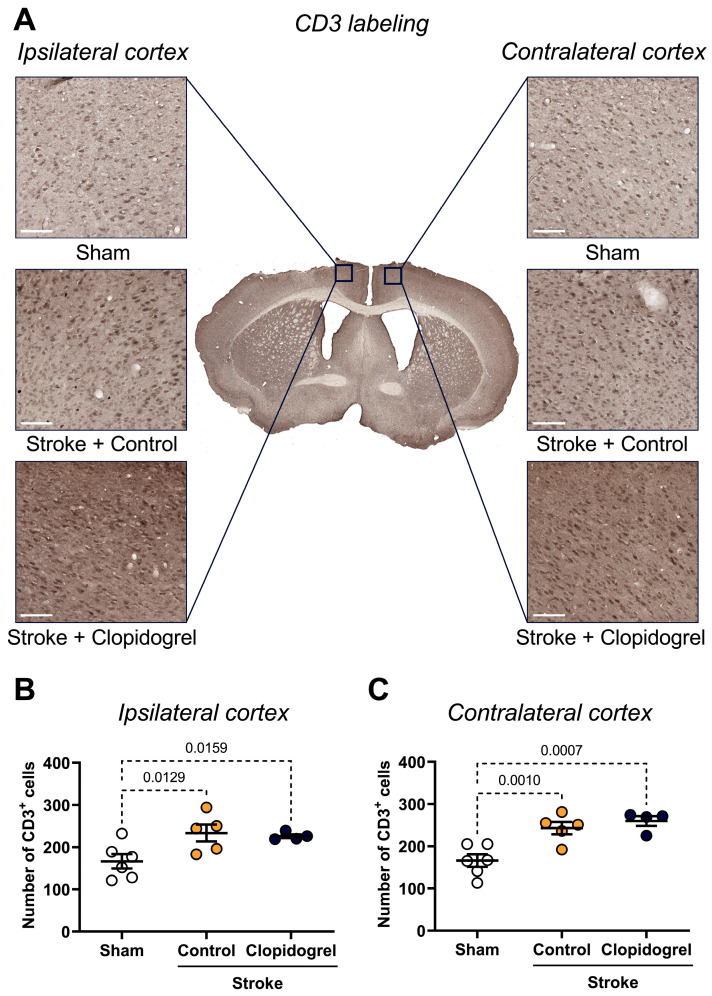 Figure 8
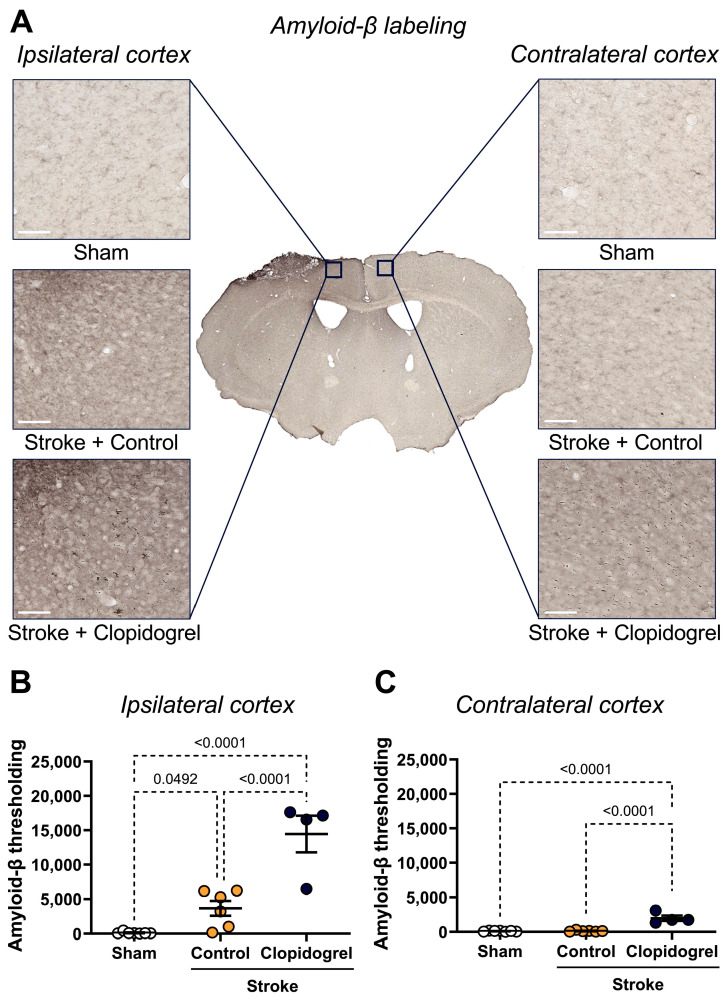 Figure 9
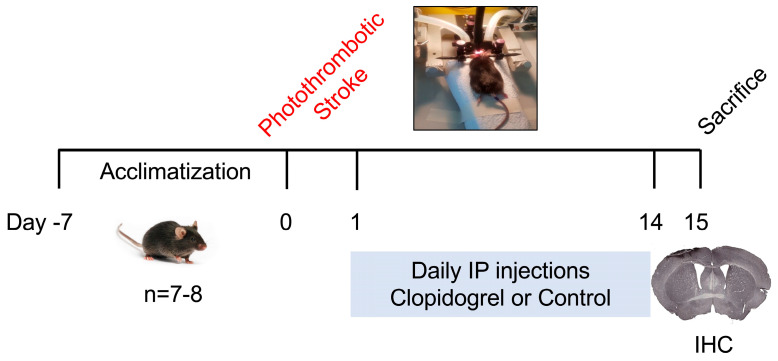 Figure 10
Peer Reviews
No public reviews on file for this paper yet. If you reviewed it on a platform where reviews are public (OpenReview, ICLR, NeurIPS, ICML), you can paste yours below so the community can read it here.
Videos
No videos yet. Explain this paper in a talk, walkthrough, or lecture? Add one.
Taxonomy
TopicsNeuroinflammation and Neurodegeneration Mechanisms · Intracerebral and Subarachnoid Hemorrhage Research · Antiplatelet Therapy and Cardiovascular Diseases